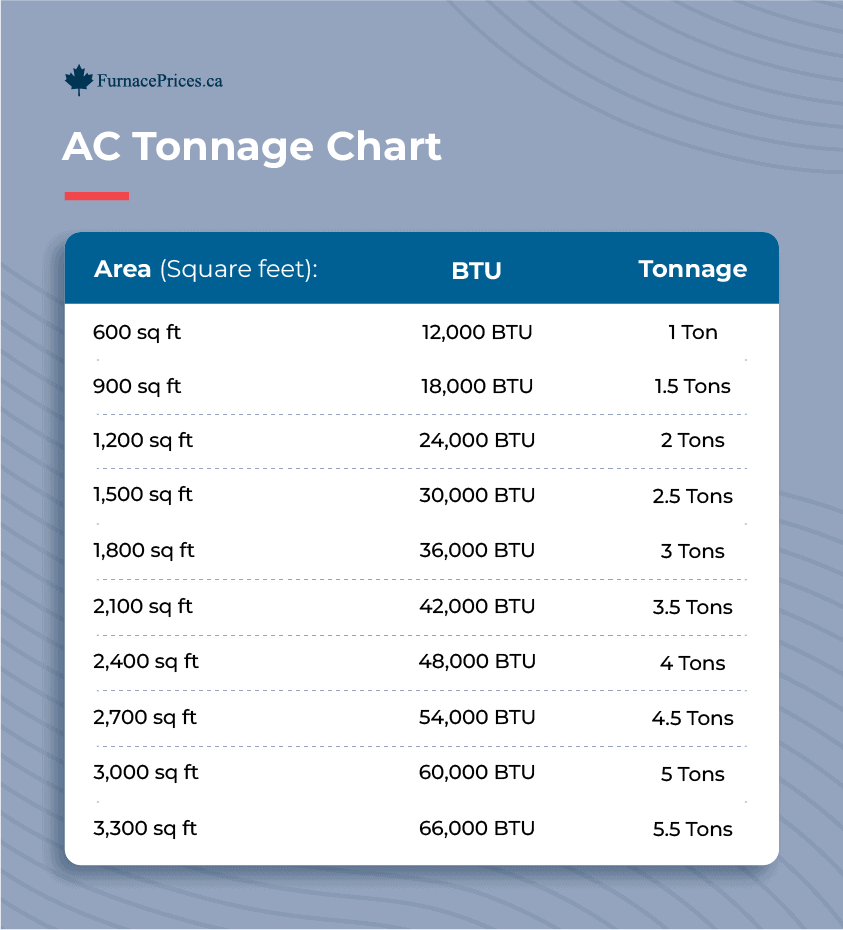
Are you struggling to figure out what BTU you need for your air conditioner? Choosing the right cooling power isn’t just about comfort—it can save you money and energy too.
If your AC is too weak, your room stays hot and sticky. If it’s too strong, you waste electricity and get high bills. You’ll learn exactly how to find the perfect BTU for your space. Keep reading, and you’ll never have to guess again when buying an air conditioner.
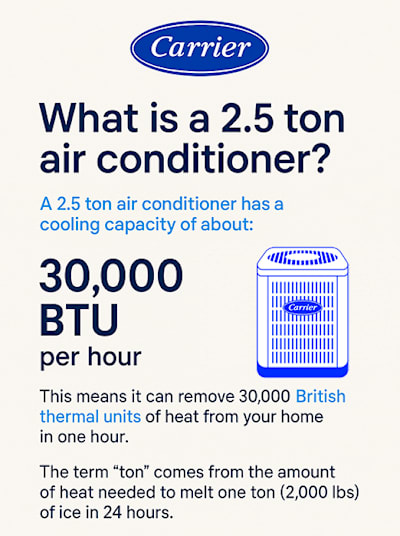
Credit: www.carrier.com
Btu Basics
BTUstands for British Thermal Unit. It measures the amount of heat energy needed to raise the temperature of one pound of water by one degree Fahrenheit. This unit helps us understand how powerful an air conditioner is.
BTU mattersbecause it shows how much cooling the AC can provide. The higher the BTU, the bigger the space it can cool. A small room needs fewer BTUs, while a large room needs more.
Choosing the right BTU is important. Too low means the room won’t cool well. Too high wastes energy and money.

Credit: northnjhvac.com
Factors Affecting Btu Needs
The size and shapeof the room affect BTU needs greatly. Larger rooms need more cooling power. Odd shapes may require extra BTUs.
Insulation qualitykeeps cool air inside. Poor insulation means more BTUs are needed to keep the room cool.
Sunlight exposureraises room temperature. Rooms with many windows or direct sun require higher BTUs.
The number of occupantsmatters. More people produce more heat, increasing BTU needs.
Appliances and heat sourcesadd extra warmth. Kitchens or electronics can raise the cooling demand.
Calculating Btu Requirements
Measure the length and width of your room in feet. Multiply these numbers to get the room’s area. This helps find the right BTU sizefor cooling. Larger rooms need air conditioners with more BTUs.
BTU calculators are easy tools online. Enter room size, number of windows, and sun exposure. The calculator suggests the BTU needed. These tools save time and improve accuracy.
Adjust BTU needs based on room conditions:
- Rooms with many windows or strong sun need more BTUs.
- Rooms with many people or heat sources need extra cooling power.
- Shaded rooms or those with good insulation may need fewer BTUs.
Choosing The Right Ac Unit
Choosing the right air conditioner means matching the BTU capacityto the room size. Different types of AC units offer various BTU options.
Here are common types:
- Window units:Best for small rooms, typically 5,000 to 12,000 BTU.
- Split systems:Good for medium to large rooms, 9,000 to 24,000 BTU.
- Portable units:Flexible but less efficient, usually 8,000 to 14,000 BTU.
- Central air:Designed for whole houses, starting around 24,000 BTU and up.
| AC Type | BTU Range | Best For |
|---|---|---|
| Window Unit | 5,000 – 12,000 | Small rooms |
| Split System | 9,000 – 24,000 | Medium to large rooms |
| Portable Unit | 8,000 – 14,000 | Flexible cooling |
| Central Air | 24,000 and up | Whole house |
Energy efficiency is key. Look for units with a high SEER rating. Higher SEER means less energy used and lower bills.
Consider the room size and insulation too. A well-sized, efficient AC saves money and keeps rooms comfortable.
Common Btu Myths
Bigger air conditionersdo not always cool better. Too large a unit cools too fast. This causes the room to feel damp and uncomfortable. It also wastes electricity and shortens the AC’s life.
Ignoring room conditionslike sunlight, windows, and insulation affects AC size choice. A room with many windows or direct sun needs more cooling power. A shaded room needs less.
Skipping regular maintenancelowers AC efficiency. Dirty filters and blocked vents make the unit work harder. This can feel like the AC is too small, even if it is the right size.
Tips For Optimal Cooling
Proper AC installationensures the unit works well and cools the room evenly. Choose a spot with good airflow and avoid direct sunlight. A well-installed AC uses less energy and lasts longer.
Regular maintenancekeeps the AC running smoothly. Clean or replace filters often to improve air quality and cooling power. Check for leaks and clear the drainage to avoid water damage.
- Use ceiling or floor fans to help air move around.
- Open windows in cooler times to let fresh air in.
- Close curtains during hot hours to block heat.
Combining fans and ventilation with your AC can lower energy costs and cool your space better.
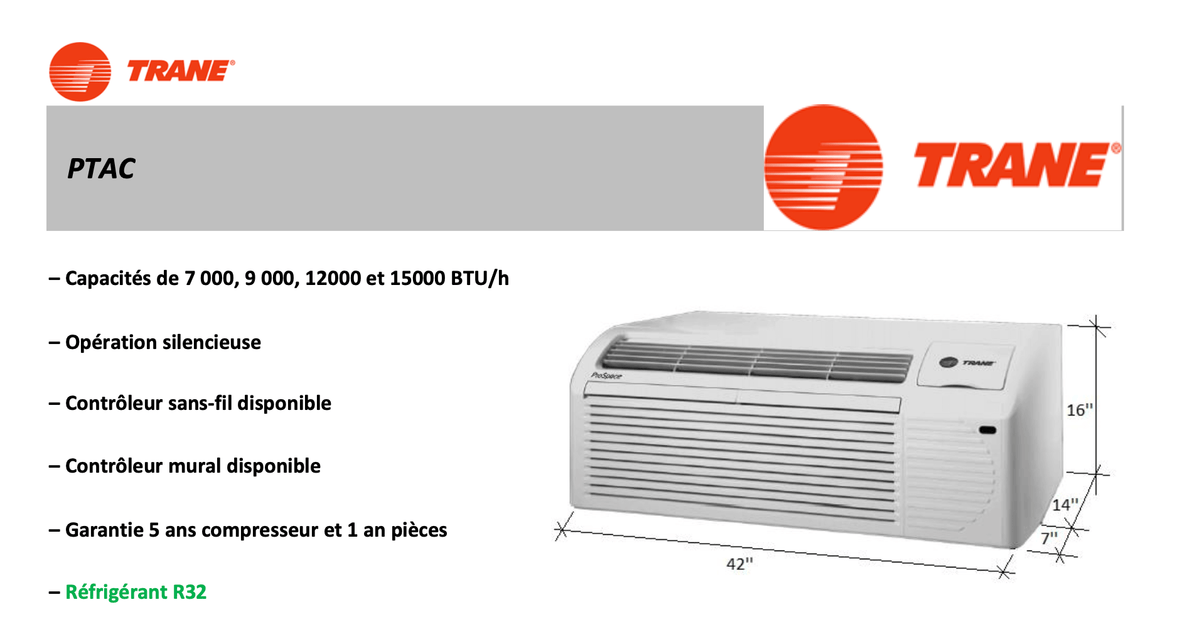
Credit: airgreen.ca
Frequently Asked Questions
What Size Btu Air Conditioner Do I Need?
To determine the right BTU, measure your room size in square feet. Typically, 20 BTU per square foot is ideal for cooling. Adjust for room height, insulation, and sun exposure for best results.
How Does Room Size Affect Btu Requirements?
Larger rooms need higher BTU units to cool efficiently. Smaller rooms require fewer BTUs to avoid overcooling and energy waste. Accurate room measurement is key to selecting the right BTU.
Can A Wrong Btu Air Conditioner Cause Problems?
Yes, an undersized unit struggles to cool, increasing energy use. An oversized unit cools too fast, causing humidity issues and frequent cycling. Choose the right BTU for comfort and efficiency.
How Do Insulation And Sunlight Impact Btu Needs?
Poor insulation or direct sunlight increases cooling load. This means you need a higher BTU air conditioner. Good insulation and shading reduce required BTU and improve energy efficiency.
Conclusion
Choosing the right BTU for your air conditioner matters a lot. It helps keep your room cool without wasting energy. A unit too small won’t cool well. Too big, and it uses extra power. Think about room size, sun exposure, and how many people stay inside.
Check the BTU chart to guide your choice. This way, you stay comfortable and save money. Simple steps make a big difference in your home’s coolness and cost. Take your time and pick the best fit.