Have you ever noticed the term “BTU” when shopping for an air conditioner and wondered what it really means? Understanding BTU is key to picking the right unit for your space.
If your air conditioner is too small, it won’t cool your room properly. If it’s too big, you’ll waste energy and money. You’ll discover exactly what BTU means, why it matters for your comfort, and how to choose the perfect air conditioner that fits your needs.
Keep reading to make sure your next cooling choice is spot on.
Credit: www.carrier.com
What Is Btu?
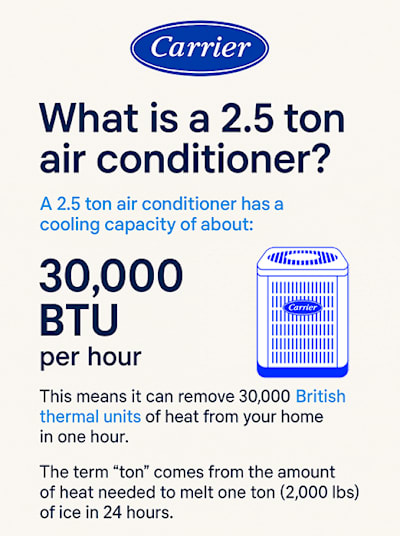
Btu stands for British thermal unit. It measures heat energy.
In air conditioners, Btu shows how much heat the unit can remove from a room.
Understanding Btu In Air Conditioners
Btu tells us the cooling power of an air conditioner. Higher Btu means stronger cooling.
The right Btu size helps cool a room efficiently without wasting energy.
How Btu Affects Air Conditioner Performance
An air conditioner with too low Btu will struggle to cool the room. It runs longer and uses more electricity.
An air conditioner with too high Btu cools quickly but wastes energy and can cause humidity problems.
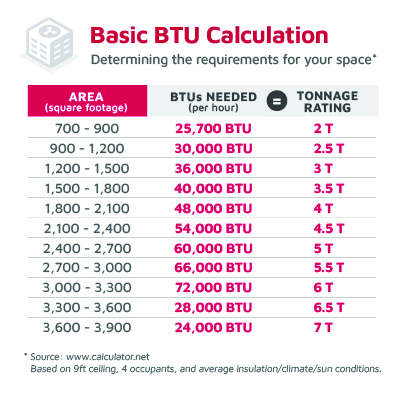
Calculating The Right Btu For Your Room
To pick the right Btu, measure your room size in square feet. Multiply by 20 for a basic estimate.
- Small room (100-300 sq ft): 5,000-7,000 Btu
- Medium room (300-500 sq ft): 8,000-12,000 Btu
- Large room (500-1,000 sq ft): 14,000-18,000 Btu
History Of Btu In Cooling
The term Btu stands for British thermal unit. It measures energy and heat. Btu tells us how much heat an air conditioner can remove from a room.
Btu is important in cooling because it shows the power of the air conditioner. The history of Btu in cooling is linked to how people started using machines to cool spaces.
Origins Of The Btu Measurement
Btu was created in the 19th century in Britain. It helped measure heat energy clearly. Scientists wanted a simple way to explain heat transfer and energy.
The Btu became a standard unit to measure heat in many fields, including heating and cooling. It helped engineers design better machines.
Early Cooling Technologies And Btu
Before modern air conditioners, people used ice and fans to cool rooms. These methods did not use Btu to measure cooling power.
When mechanical cooling began, Btu helped show how much heat a machine could remove. This made it easier to compare different cooling devices.
Btu And The Development Of Air Conditioners
Air conditioning started in the early 1900s. Engineers used Btu to rate the cooling capacity of air conditioners. This helped customers choose the right size machine.
Using Btu made air conditioning clearer. People knew how much space an air conditioner could cool. It became a key part of product labels.
Btu In Modern Cooling Systems
Today, Btu still measures cooling power. It helps match air conditioners to room size and climate needs. Btu ratings guide energy use and efficiency.
Understanding Btu helps users pick the right air conditioner. It prevents buying units that are too weak or too strong for a space.
Role Of Btu In Air Conditioners
Btu stands for British Thermal Unit. It measures how much heat an air conditioner can remove.
The Btu number helps you pick the right air conditioner size for a room.
Understanding Btu And Cooling Power
Btu tells how much heat the air conditioner can take out in one hour. Higher Btu means more cooling power.
For example, an air conditioner with 5,000 Btu cools a small room better than one with 3,000 Btu.
Choosing The Right Btu For Your Room Size
Rooms need different Btu levels to cool well. Bigger rooms need air conditioners with higher Btu.
Using the wrong Btu size can make your room too hot or waste electricity.
- Small room (up to 150 sq ft): 5,000 – 6,000 Btu
- Medium room (150-300 sq ft): 7,000 – 10,000 Btu
- Large room (300-500 sq ft): 10,000 – 14,000 Btu
Impact Of Btu On Energy Use
Choosing the right Btu helps save energy. Too high Btu uses more electricity than needed.
Too low Btu makes the air conditioner run longer, also wasting energy.
Btu And Air Conditioner Efficiency
Btu works with other factors to show efficiency. The right Btu helps air conditioners cool fast.
Fast cooling means less running time and better comfort in your room.

Credit: thefurnaceoutlet.com
Btu And Cooling Efficiency
BTU stands for British Thermal Unit. It measures how much heat an air conditioner can remove from a room. A higher BTU means the AC can cool a larger space.
Understanding BTU helps you pick the right air conditioner. The right size keeps your room comfortable and saves energy.
Measuring Cooling Capacity
Cooling capacity shows how well an air conditioner cools. It is measured in BTUs per hour. This number tells you how much heat the unit can remove every hour.
| Room Size (sq ft) | Recommended BTU |
| 100 – 300 | 5,000 – 6,000 |
| 300 – 500 | 7,000 – 8,000 |
| 500 – 800 | 9,000 – 12,000 |
| 800 – 1,200 | 14,000 – 18,000 |
| 1,200 – 1,500 | 18,000 – 21,000 |
Impact On Energy Consumption
Energy use depends on the BTU rating. A unit with too high BTU uses more power than needed. One with too low BTU runs longer and wastes energy.
- Choose an AC with the right BTU for your room size.
- Smaller units run longer, increasing electricity bills.
- Larger units cool quickly but waste energy if oversized.
- Proper sizing leads to better cooling and lower costs.
Calculating The Right Btu For Your Space
BTU stands for British Thermal Unit. It measures the cooling power of an air conditioner. Choosing the correct BTU helps cool your room efficiently.
If the BTU is too low, the room stays warm. If it is too high, the air conditioner wastes energy. Learn how to find the right BTU for your space.
Factors To Consider
Several things affect how many BTUs your air conditioner needs. Think about sunlight, room use, and ceiling height. These change how much cooling power is needed.
- Sunlight: Rooms with many windows need more BTUs.
- Room use: Kitchens produce more heat than bedrooms.
- People: More people in a room increase cooling needs.
- Ceiling height: Taller ceilings need more cooling power.
Room Size And Btu Recommendations
Room size is the main factor in choosing BTU. Measure the length and width of your room to find the square footage. Use this to pick the right BTU range.
| Room Size (sq ft) | Recommended BTU |
|---|---|
| 100 – 150 | 5,000 – 6,000 |
| 150 – 250 | 6,000 – 8,000 |
| 250 – 350 | 8,000 – 10,000 |
| 350 – 450 | 10,000 – 12,000 |
| 450 – 550 | 12,000 – 14,000 |
Use this guide to find a good starting point. Adjust for your room’s special needs like sunlight or many people. This helps keep your space cool and comfortable.
Btu And Air Conditioner Types
Btu stands for British Thermal Unit. It measures how much heat an air conditioner can remove. The higher the Btu, the stronger the cooling power.
Different types of air conditioners use different Btu ratings. Choosing the right Btu helps cool your space well and saves energy.
Window Units
Window air conditioners fit in a window or wall opening. They cool a single room or small area. Their Btu usually ranges from 5,000 to 12,000.
- Good for small rooms
- Easy to install
- Affordable cooling option
Portable Air Conditioners
Portable air conditioners move from room to room. They use flexible hoses to vent hot air outside. Btu ratings vary from 8,000 to 14,000.
| Type | Typical Btu Range | Best Use |
| Window Units | 5,000–12,000 | Small rooms |
| Portable Units | 8,000–14,000 | Flexible cooling |
| Central Air Systems | 18,000–60,000+ | Whole house |
Central Air Systems
Central air systems cool an entire building. They use ductwork to deliver cool air. Their Btu ratings start around 18,000 and go much higher.
- Provide even cooling throughout the house
- Require professional installation
- Higher Btu means cooling larger spaces
Common Misconceptions About Btu
Btu stands for British Thermal Unit. It measures how much heat an air conditioner can remove. Many people confuse Btu with power or electricity used.
Understanding Btu helps choose the right air conditioner size. This avoids problems like poor cooling or high energy bills.
Bigger Isn’t Always Better
Many think a bigger Btu means better cooling. But a too large air conditioner cools the room too fast. This causes humidity to stay high and the room to feel clammy.
- Too large units cycle on and off often.
- Short cycles waste energy and wear out parts.
- Humidity stays high because the unit does not run long enough to remove moisture.
- Higher cost to buy and operate.
Btu And Room Comfort
Choosing the right Btu matches the room size and use. This keeps temperature and humidity balanced. It also saves energy and extends the air conditioner’s life.
| Room Size (sq ft) | Recommended Btu | Comfort Result |
|---|---|---|
| 100-300 | 5,000-7,000 | Good cooling, energy efficient |
| 300-500 | 7,000-10,000 | Balanced temperature and humidity |
| 500-800 | 10,000-14,000 | Comfortable for larger spaces |
Credit: www.lexetx.com
Choosing The Right Btu For Your Needs
BTU stands for British Thermal Unit. It measures how much heat an air conditioner can remove from a room. Picking the right BTU size helps keep your space cool and saves energy.
Too low BTU means the air conditioner works too hard and cools slowly. Too high BTU cools quickly but wastes power and causes moisture problems. Let’s explore how to choose the right BTU size.
What Btu Means In Air Conditioners
BTU measures the cooling power of an air conditioner. One BTU cools one pound of water by one degree Fahrenheit. The higher the BTU, the stronger the cooling.
Manufacturers list BTU ratings to show how much cooling the unit can provide. It helps you match the air conditioner to your room size and heat load.
Factors To Consider For Btu Selection
Several things affect how many BTUs you need. These include room size, sunlight, ceiling height, and number of people inside.
- Room size in square feet
- Sun exposure or shade
- Number of windows and doors
- Ceiling height
- Heat from appliances and lights
- Number of people usually in the room
Estimating Btu Based On Room Size
| Room Size (sq ft) | Recommended BTU |
| 100 – 300 | 5,000 – 6,000 |
| 300 – 500 | 7,000 – 8,200 |
| 500 – 800 | 10,000 – 12,000 |
| 800 – 1,200 | 14,000 – 18,000 |
| 1,200 – 1,500 | 20,000 – 24,000 |
Tips To Match Btu To Your Needs
- Measure your room size carefully
- Note windows and sunlight exposure
- Think about how many people use the room
- Choose a BTU close to the recommended range
- Pick a higher BTU if the room is sunny or has high ceilings
- Consider energy efficiency ratings
Common Mistakes To Avoid
Buying an air conditioner with wrong BTU causes problems. Too small BTU makes the unit run constantly. Too large BTU cools fast but wastes electricity.
Quick reminder:
- Do not buy a unit with much higher BTU than needed.
- Ignore very low BTU units for large rooms.
- Get help from a professional if unsure.
Frequently Asked Questions
What Does Btu Mean In Air Conditioners?
BTU stands for British Thermal Unit. It measures the cooling power of an air conditioner. Higher BTU means stronger cooling capacity.
How To Choose Btu For Room Size?
Match BTU with room size. Small rooms need 5,000-8,000 BTU. Larger rooms require 10,000+ BTU units for efficient cooling.
Why Is Btu Important For Ac Efficiency?
BTU determines how well an AC cools a space. Correct BTU prevents energy waste and ensures comfortable temperature control.
Can Too High Btu Harm My Room?
Yes, an oversized BTU unit cools too fast, causing humidity issues and higher energy bills. Proper sizing is essential.
Conclusion
Understanding BTU helps you choose the right air conditioner size. A proper BTU rating keeps your room cool and saves energy. Too high or too low BTU can cause discomfort or waste power. Always check the BTU before buying an air conditioner.
This simple step improves comfort and lowers bills. Knowing BTU makes your purchase smarter and easier. Keep your space cool with the right BTU rating. It matters more than you might think.