
Are you wondering what you can use as plant food to help your garden thrive? You might think plant food means just one thing—store-bought fertilizer.
But the truth is, there are many simple and natural options you can use to give your plants the nutrients they need. Imagine watching your plants grow stronger and healthier without spending a fortune or using harsh chemicals. Curious to find out which everyday items can boost your plants’ growth?
Keep reading, and you’ll discover easy, effective ways to feed your plants that you can start using today.

Credit: www.reddit.com
Essential Nutrients For Plants
Plants need certain nutrients to grow healthy and strong. These nutrients come from soil, water, and air. They help plants make food and build tissues.
Knowing what nutrients plants need can help you choose the right plant food. This keeps your plants green and thriving.
Macronutrients Plants Need
Macronutrients are elements plants need in large amounts. They help plants build leaves, stems, and roots. The three main macronutrients are nitrogen, phosphorus, and potassium.
- Nitrogen (N):Helps plants grow leaves and make chlorophyll.
- Phosphorus (P):Supports root growth and flower production.
- Potassium (K):Strengthens plants and helps fight diseases.
- Calcium (Ca):Builds strong cell walls.
- Magnesium (Mg):Key part of chlorophyll for photosynthesis.
- Sulfur (S):Helps make proteins and enzymes.
These macronutrients are often found in fertilizers and organic plant food sources.
Role Of Micronutrients
Micronutrients are needed in small amounts but are just as important. They help with plant growth and health by aiding enzyme functions and other processes.
- Iron (Fe):Helps make chlorophyll and carry oxygen.
- Manganese (Mn):Assists photosynthesis and nitrogen use.
- Boron (B):Important for cell wall growth and seed production.
- Zinc (Zn):Helps with growth hormones and enzyme activity.
- Copper (Cu):Supports photosynthesis and respiration.
- Molybdenum (Mo):Needed for nitrogen fixation.
- Chlorine (Cl):Helps with water balance and photosynthesis.
Micronutrients are usually found in soil or added as supplements in small doses.
Credit: terraplantsandflowers.ca
Common Natural Plant Foods
Plants need nutrients to grow strong and healthy. Natural plant foods give these nutrients from the earth.
Using natural sources helps the soil and plants without harmful chemicals.
Compost And Organic Matter
Compost is made from decayed plants and food scraps. It adds important nutrients to the soil.
- Improves soil structure
- Increases water retention
- Provides nitrogen, phosphorus, and potassium
- Supports beneficial microbes
Manure Benefits And Types
Manure is animal waste used as fertilizer. It adds nutrients and organic matter to plants.
| Type | Source | Key Nutrients |
| Cow Manure | Cattle | Nitrogen, Phosphorus |
| Chicken Manure | Chickens | High Nitrogen, Potassium |
| Horse Manure | Horses | Nitrogen, Organic Matter |
| Sheep Manure | Sheep | Balanced Nutrients |
Seaweed And Kelp Extracts
Seaweed and kelp extracts come from marine plants. They are rich in minerals and trace elements.
- Boost plant growth
- Improve resistance to stress
- Enhance soil microbes
- Provide natural hormones
Homemade Plant Food Options
Plants need nutrients to grow healthy and strong. Homemade plant food is a simple way to provide these nutrients. You can use everyday kitchen scraps to create effective plant fertilizers.
This guide will explore some easy options you can use to feed your plants. These methods are not only cost-effective but also environmentally friendly.
Banana Peel Fertilizer
Banana peels are rich in potassium, which is great for plant growth. They help plants develop strong roots and improve flowering.
- Chop banana peels into small pieces.
- Bury them in the soil around the base of your plants.
- Alternatively, soak peels in water for a few days to make a liquid fertilizer.
Coffee Grounds As Nutrients
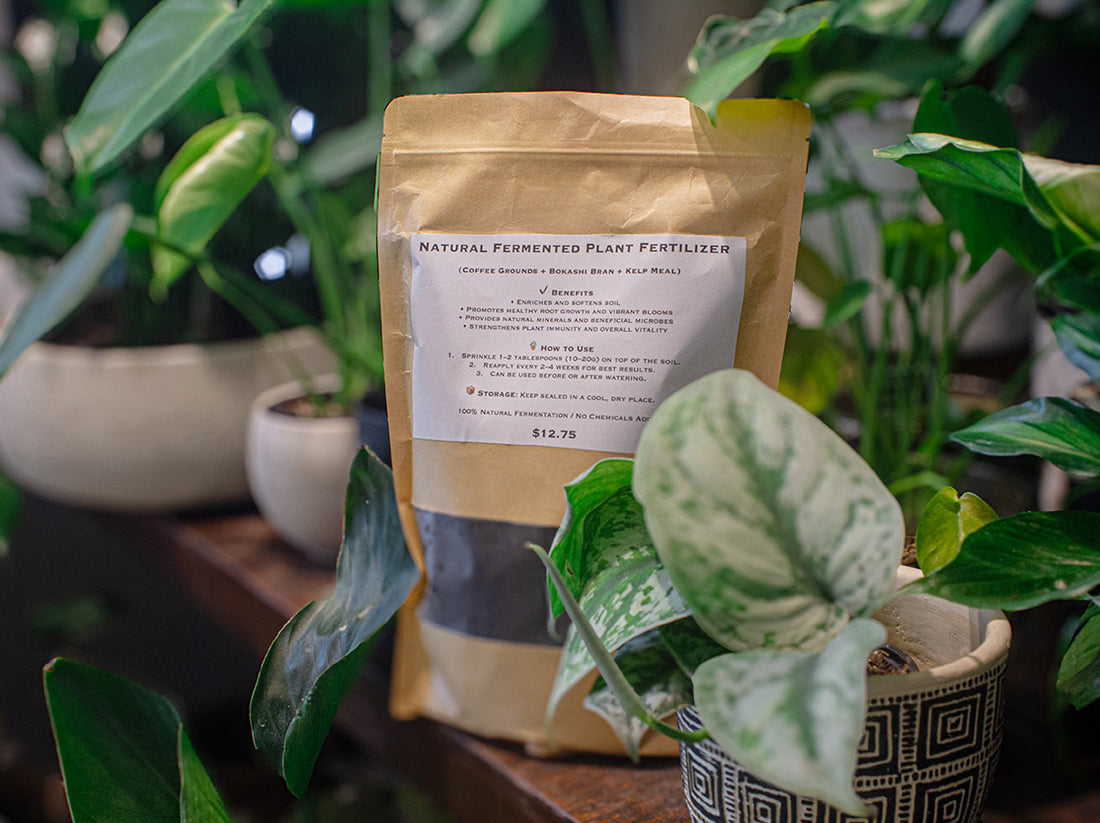
Coffee grounds are a great source of nitrogen. They help improve soil structure and retain moisture. Be sure to use them in moderation.
Eggshells For Calcium
Eggshells are full of calcium, which prevents blossom-end rot in plants like tomatoes. Calcium is vital for cell growth and development in plants.
| Preparation | Benefit |
| Crush eggshells into powder | Faster calcium release |
| Add to compost | Improves overall compost quality |
| Sprinkle directly in soil | Long-term calcium supply |

Credit: happyhappyhouseplant.com
Using Mulch As Plant Food
Mulch is a natural way to feed plants and protect soil. It breaks down and adds nutrients to the ground.
Using mulch helps plants grow strong and healthy by improving soil conditions.
Types Of Mulch
Different mulches work well for plants. Some break down fast, others last longer.
- Organic mulch: leaves, grass clippings, straw, and wood chips
- Inorganic mulch: plastic sheets, stones, and rubber mats
- Compost: rich in nutrients and great for feeding plants
- Bark mulch: slow to break down and adds nutrients over time
How Mulch Enhances Soil
Mulch improves soil by keeping moisture and adding nutrients. It also stops weeds and protects roots.
| Benefit | Effect on Soil |
| Moisture retention | Keeps soil damp for roots |
| Nutrient supply | Feeds plants as mulch breaks down |
| Weed control | Blocks sunlight to stop weed growth |
| Temperature regulation | Keeps soil cool in summer and warm in winter |
Natural Liquid Fertilizers
Natural liquid fertilizers feed plants using organic ingredients. They provide nutrients in a form that plants can quickly absorb.
These fertilizers improve soil health and encourage strong plant growth without chemicals.
Compost Tea Preparation
Compost tea is a liquid made by soaking compost in water. It is full of helpful microbes and nutrients for plants.
- Fill a bucket with water and add a handful of mature compost.
- Stir the mixture well and let it sit for 24 to 48 hours.
- Strain the liquid to remove solid particles.
- Use the liquid to water your plants or spray on leaves.
Fish Emulsion Benefits
Fish emulsion is a natural fertilizer made from processed fish parts. It contains nitrogen, phosphorus, and potassium.
| Benefit | Details |
| Fast Nutrient Supply | Quickly feeds plants with essential nutrients |
| Improves Soil | Enhances soil microbial activity and texture |
| Safe for Plants | Gentle and less likely to burn roots |
| Organic and Natural | Free from synthetic chemicals |
Benefits Of Natural Plant Foods
Natural plant foods provide essential nutrients for healthy plant growth. They come from organic sources like compost, manure, and plant waste.
Using natural plant foods supports the environment and improves soil quality. These benefits help plants grow stronger and healthier.
Environmental Impact
Natural plant foods reduce pollution and lower the need for chemical fertilizers. They help keep water and air clean by avoiding harmful runoff.
- Reduce chemical use in gardens and farms
- Prevent water pollution from synthetic fertilizers
- Lower carbon footprint by recycling organic waste
- Support wildlife by maintaining natural habitats
Soil Health Improvement
Natural plant foods boost soil fertility and structure. They add nutrients and organic matter that help soil retain water and air.
| Benefit | Effect on Soil |
| Compost | Increases nutrients and microbes |
| Manure | Improves soil texture and moisture |
| Green manure | Adds nitrogen and organic matter |
| Mulch | Reduces erosion and retains moisture |
Tips For Applying Natural Fertilizers
Natural fertilizers help plants grow strong and healthy. They come from plants, animals, or minerals.
Using natural fertilizers properly makes your garden thrive without harming the soil.
Timing And Frequency
Apply natural fertilizers when plants need nutrients the most. This is usually in spring and early summer.
Feed plants regularly but not too often. Overfeeding can waste nutrients and harm plants.
- Use fertilizer at the start of the growing season
- Repeat every 4 to 6 weeks during growth
- Stop feeding before plants go dormant in fall
Avoiding Overfeeding
Too much fertilizer can burn roots and damage plants. Always follow recommended amounts.
Watch your plants for signs of overfeeding like yellow leaves or slow growth.
- Start with small amounts of fertilizer
- Increase only if plants show nutrient needs
- Water plants well after applying fertilizer
- Use slow-release natural fertilizers to reduce risk
Frequently Asked Questions
What Natural Materials Can Be Used As Plant Food?
Compost, manure, and worm castings are excellent natural plant foods. They enrich soil with nutrients, improve texture, and promote healthy plant growth. These organic materials release nutrients slowly, feeding plants over time while enhancing soil biodiversity and moisture retention.
Can Kitchen Scraps Serve As Effective Plant Food?
Yes, kitchen scraps like vegetable peels, coffee grounds, and eggshells make great plant food. They break down into valuable nutrients and organic matter, boosting soil fertility and structure. Avoid meat or oily scraps to prevent pests and odors.
How Does Commercial Fertilizer Differ From Natural Plant Food?
Commercial fertilizers provide quick nutrient supply with specific ratios of nitrogen, phosphorus, and potassium. Natural plant foods release nutrients slowly, improving soil health long-term. Choosing depends on plant needs and gardening goals for balanced growth and sustainability.
Is Homemade Compost Beneficial For All Plants?
Homemade compost is beneficial for most plants. It improves soil structure, moisture retention, and nutrient availability. However, some plants with specific nutrient needs might require additional fertilization. Compost supports healthy microbial activity, enhancing overall plant vitality naturally.
Conclusion
Plants need food to grow strong and healthy. Natural options like compost, manure, and kitchen scraps work well. Chemical fertilizers give quick nutrients but use them carefully. Water and sunlight also help plants thrive. Choosing the right plant food depends on the type of plant and soil.
Healthy plants make gardens beautiful and productive. Try different plant foods and see what works best for you. Simple care leads to great growth.