
Is your air conditioner suddenly not working? It’s frustrating when your cool comfort disappears just when you need it most.
You might wonder, “What can cause my air conditioner to stop working? ” The answer isn’t always obvious, but understanding the common reasons can help you fix the problem faster and avoid future breakdowns. Keep reading to discover the main causes behind a failing air conditioner and what you can do to get your cool air flowing again.
Common Electrical Issues
Electrical problems often cause air conditioners to stop working. These issues can be simple to fix or may need a professional.
Understanding common electrical faults helps you troubleshoot and avoid bigger damage to your AC system.
Tripped Circuit Breaker
A tripped circuit breaker cuts power to your air conditioner to prevent electrical damage. It happens when the system draws too much current.
You can reset the breaker by switching it off and then on again. If it trips again, call an electrician to check the wiring.
Blown Fuses
Fuses protect your air conditioner from power surges. A blown fuse means the fuse wire melted due to excess current.
- Check if the fuse is blown by looking at the wire inside.
- Replace the blown fuse with one of the same rating.
- A blown fuse that happens often needs professional inspection.
Faulty Wiring
Faulty wiring can cause your air conditioner to stop working or work poorly. Loose connections or damaged wires are common problems.
| Problem | Effect on AC | Action |
| Loose wire | Intermittent power | Secure connections |
| Damaged wire | No power or short circuit | Replace wiring |
| Corroded wire | Poor performance | Clean or replace wire |
Refrigerant Problems
Refrigerant is essential for an air conditioner to cool your home. If there is a problem with the refrigerant, the system may stop working. Two common refrigerant issues are leaks and improper charge.
Understanding these problems helps you identify why your air conditioner is not working well. Both issues affect how well the unit cools and can cause damage if not fixed.
Refrigerant Leaks
A refrigerant leak means the coolant is escaping from the system. This causes the air conditioner to lose its ability to cool. Leaks can happen in pipes, coils, or connections.
- Lower cooling performance
- Increased energy bills
- Possible damage to compressor
- Ice buildup on coils
- Strange hissing sounds
Finding a leak requires a professional. They use special tools to detect where the refrigerant escapes. Fixing leaks early can save money and prevent bigger repairs.
Improper Refrigerant Charge
The right amount of refrigerant is critical. Too little or too much refrigerant can stop the air conditioner from working properly. Both cases reduce cooling efficiency and may cause system damage.
| Charge Level | Effect on AC | Signs |
| Low Refrigerant | Reduced cooling, compressor strain | Warm air, ice on coils |
| High Refrigerant | High pressure, possible leaks | Short cycling, noisy operation |
Thermostat Malfunctions
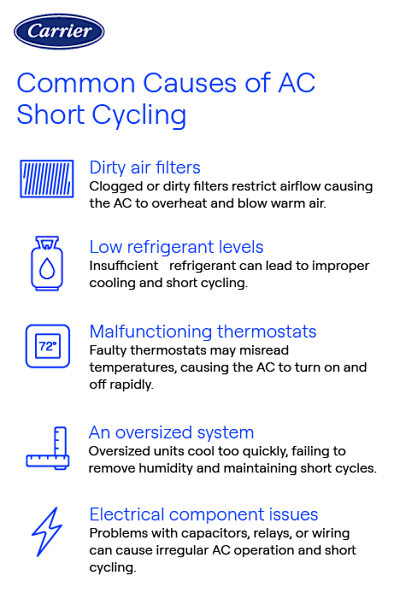
The thermostat controls the air conditioner’s temperature. If it malfunctions, the system may stop working.
Understanding thermostat problems can help you fix or avoid air conditioner breakdowns.
Incorrect Settings
Wrong thermostat settings can cause your air conditioner to stop working properly.
- The temperature is set too high or too low.
- The system mode is on “heat” instead of “cool”.
- Fan settings are set to “on” instead of “auto”.
- Thermostat is set to an incorrect schedule.
Sensor Issues
The sensor detects the room temperature and tells the air conditioner when to cool.
| Problem | Effect |
| Sensor Misalignment | Thermostat reads wrong temperature and stops cooling. |
| Sensor Damage | Thermostat fails to detect temperature changes. |
| Loose Wiring | Intermittent or no signal to air conditioner. |
| Dirt or Dust on Sensor | False temperature readings cause malfunction. |
Credit: www.carrier.com
Airflow Obstructions
Airflow problems can cause your air conditioner to stop working. Blocked air stops the system from cooling properly. This leads to damage and higher energy use.
Two common causes of airflow issues are clogged filters and blocked vents. Both stop air from moving as it should.
Clogged Filters
Filters catch dust and dirt to keep the air clean. When filters get clogged, air cannot pass through easily. This makes the AC work harder and can cause it to stop.
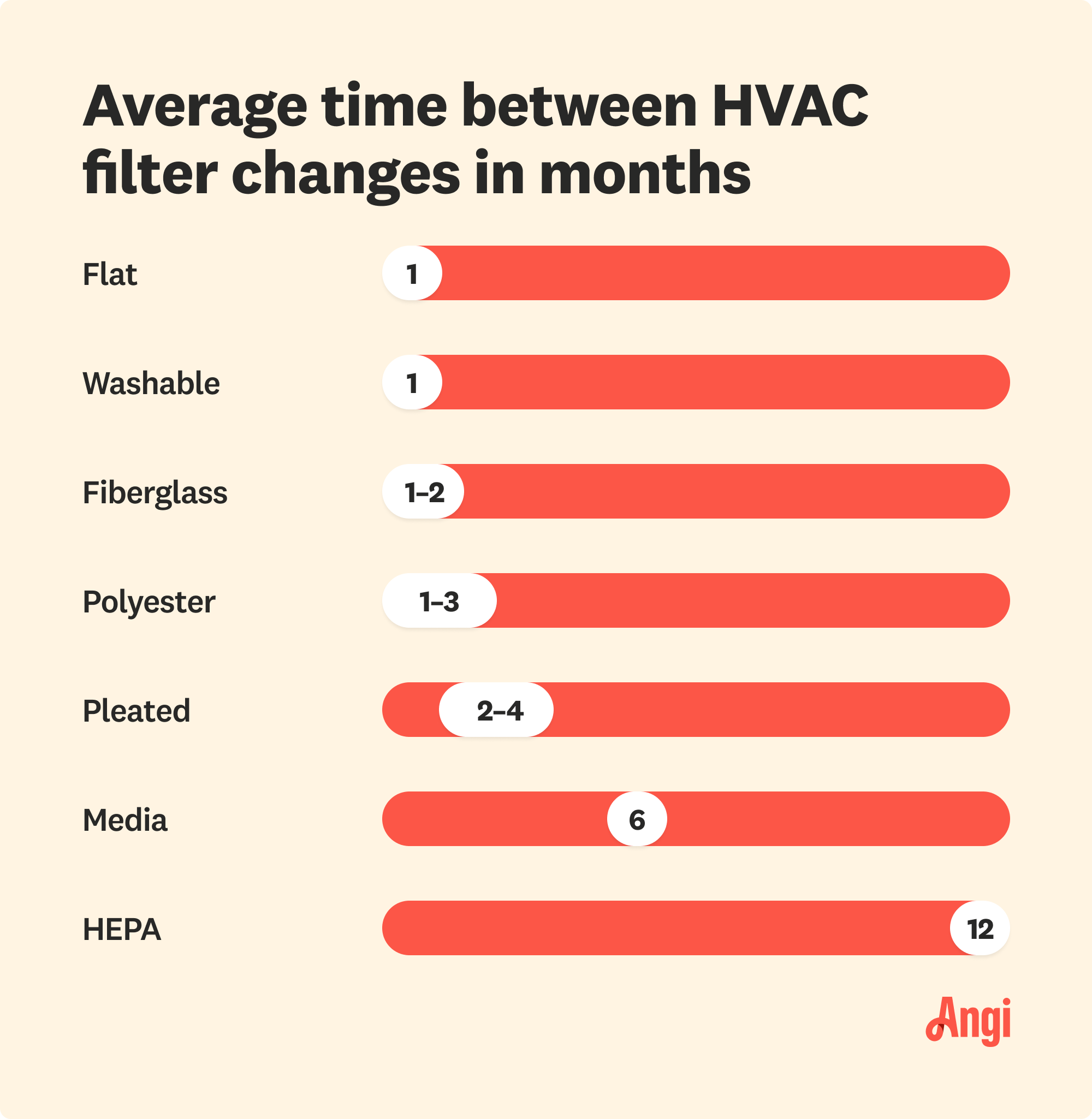
- Check filters every month during heavy use.
- Replace disposable filters on time.
- Clean reusable filters with water and let them dry fully.
- Use the right filter size for your system.
Blocked Vents And Registers
Vents and registers release cool air into your rooms. If they are blocked by furniture or dirt, airflow slows down. This causes uneven cooling and strain on the AC unit.
| Problem | Effect | Solution |
| Furniture blocking vents | Reduces airflow, uneven cooling | Move furniture away from vents |
| Dust on vents | Airflow slows, lowers air quality | Clean vents regularly with a brush |
| Closed registers | Limits air circulation, causes pressure | Keep registers open at all times |
Mechanical Failures
Mechanical failures are common reasons air conditioners stop working. These issues affect the parts that move or compress air.
Fixing these problems often requires checking specific components carefully.
Broken Fan Blades
Fan blades help move air through the air conditioner. If they break or bend, airflow reduces or stops.
- Broken blades cause noise and vibration.
- Damaged fans put stress on the motor.
- Airflow drops, lowering cooling efficiency.
- Debris can damage the fan blades.
- Regular cleaning helps prevent damage.
Damaged Compressor
The compressor pumps refrigerant through the system. If it fails, the air conditioner will not cool.
| Problem | Effect | Common Cause |
| Worn Bearings | Loud noise, compressor stops | Age and lack of lubrication |
| Electrical Issues | Compressor won’t start | Faulty wiring or capacitor |
| Overheating | System shuts down | Blocked airflow or low refrigerant |
| Refrigerant Leak | Reduced cooling | Damaged coils or seals |
Drainage Complications
Drainage problems can make your air conditioner stop working. Water must flow out smoothly to keep the unit running.
If water gets trapped, it can cause damage or shut down the system. Two common drainage issues are blocked drain lines and overflowing drain pans.
Blocked Drain Lines
Drain lines carry water away from the air conditioner. Dirt, algae, or debris can clog these lines. When blocked, water cannot drain properly.
Blocked drain lines cause water to build up inside the unit. This buildup can lead to leaks and damage parts of the system.
- Dirt and dust can settle inside the drain line
- Algae growth can block water flow
- Debris like leaves or small objects can cause clogs
- Clogs increase pressure and cause leaks
Overflowing Drain Pan
The drain pan collects water that drips from the air conditioner. If the pan overflows, water spills inside the unit or the home.
An overflowing drain pan often means the drain line is blocked or damaged. It can also happen if the pan is cracked or tilted wrongly.
- Cracks in the drain pan cause leaks
- Poor installation can tilt the pan
- Blocked drain lines cause water to back up
- Overflowing pans can damage floors and walls
Age And Wear
Air conditioners stop working for many reasons. Age and wear are common causes. Over time, parts break down and the system loses power.
Understanding how age affects your air conditioner helps you spot problems early. This guide explains worn out components and inefficiency due to age.
Worn Out Components
Parts inside your air conditioner wear out from constant use. These worn parts can cause the system to stop working.
- Compressor failures due to old seals or motor problems
- Fan motors that stop spinning from worn bearings
- Leaking refrigerant caused by cracked or corroded pipes
- Electrical components that burn out over time
- Clogged or damaged filters that reduce airflow
Inefficiency Due To Age
Old air conditioners lose efficiency. They use more energy but cool less. This wastes power and can cause system failure.
| Age of Unit | Efficiency Level | Common Problems |
| 1-5 Years | High | Minimal wear, good performance |
| 6-10 Years | Moderate | Some worn parts, reduced cooling |
| 11-15 Years | Low | Frequent breakdowns, higher energy use |
| 15+ Years | Very Low | Major failures, very inefficient |

Credit: www.youtube.com
External Environmental Factors
Air conditioners can stop working due to many reasons. One main cause is the environment around the unit. Outside factors can affect how well the air conditioner works.
Understanding these external factors helps you keep your air conditioner running smoothly. This section looks at two big causes from outside.
Extreme Weather Conditions
Very hot or cold weather can make air conditioners stop working. Heat can strain the system and cause parts to fail. Cold weather can freeze the coils and block airflow.
Storms with strong winds or heavy rain can also damage the unit. Lightning can cause electrical problems. Snow and ice can block the outdoor parts.
- High heat causes the system to overwork
- Freezing temperatures can freeze coils
- Strong winds may damage the unit
- Heavy rain or snow can block airflow
- Lightning may cause electrical faults
Debris And Dirt Accumulation
Dirt, leaves, and other debris can build up around the outdoor unit. This blocks air from flowing properly. When airflow is limited, the air conditioner works harder and can stop working.
Debris inside the unit can also damage parts like the fan and coils. Regular cleaning helps keep the system clear and working well.
- Leaves and grass can clog the unit
- Dirt reduces airflow and cooling power
- Blocked coils cause overheating
- Debris can damage moving parts
- Cleaning prevents breakdowns
Credit: www.angi.com
Frequently Asked Questions
Why Does My Air Conditioner Suddenly Stop Working?
Your air conditioner may stop due to power issues, a blown fuse, or a tripped circuit breaker. Other causes include dirty filters, refrigerant leaks, or thermostat problems. Regular maintenance helps prevent sudden breakdowns and ensures smooth operation.
How Do Dirty Air Filters Affect Ac Performance?
Dirty air filters block airflow, causing the AC to work harder and overheat. This can lead to system shutdowns and reduced cooling efficiency. Replacing or cleaning filters regularly maintains good airflow and extends your AC’s lifespan.
Can Thermostat Problems Cause An Ac To Stop Working?
Yes, a faulty thermostat can misread temperatures or fail to signal the AC to turn on. This leads to cooling interruptions. Calibrating or replacing the thermostat often resolves these issues and restores proper function.
Does Low Refrigerant Stop The Air Conditioner From Working?
Low refrigerant levels reduce cooling capacity and can cause the AC to freeze or stop. Leaks in the system often cause this issue. Professional inspection and recharging are necessary to restore cooling performance.
Conclusion
Air conditioners stop working for many simple reasons. Dirty filters, power issues, or low refrigerant often cause problems. Regular checks help keep your unit running well. Fix small issues quickly to avoid bigger repairs. Knowing what can go wrong saves time and money.
Stay alert to signs of trouble. A well-maintained air conditioner cools your home efficiently and lasts longer. Don’t wait until it breaks down completely. Take care of your AC for comfort all year.