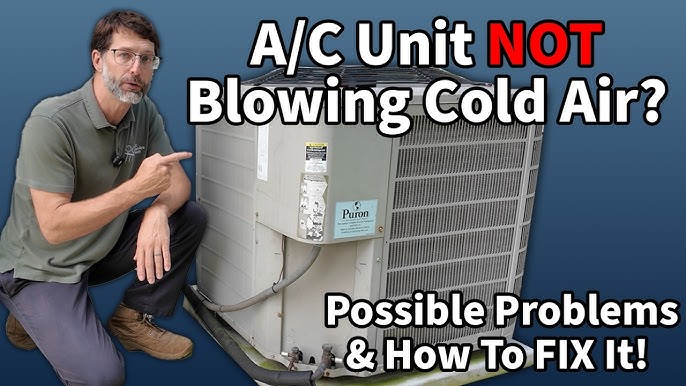
Is your air conditioner running but not cooling your home like it used to? You’re not alone, and it can be frustrating when the heat just won’t go away.
Understanding what can cause your air conditioner not to cool properly is the first step to fixing the problem quickly. You’ll discover the common reasons behind this issue and what you can do to get your cool comfort back. Keep reading—you’ll find simple explanations that save you time, money, and sweat.

Credit: www.youtube.com
Common Ac Cooling Issues
Air conditioners sometimes stop cooling properly. Many things can cause this problem. Knowing the common issues helps fix it faster.
Some problems are easy to spot, while others need a professional check. Below are common reasons your AC may not cool well.
Dirty Air Filters
Dirty air filters block airflow in your AC system. This makes the air conditioner work harder and cool less.
Filters should be cleaned or replaced regularly. This keeps air flowing and your home cool.
Refrigerant Leaks
Refrigerant is a liquid that cools the air inside the AC. If it leaks, the AC loses its cooling power.
Leaks need to be repaired by a technician. Refilling refrigerant is also necessary after a leak is fixed.
Thermostat Problems
The thermostat controls the AC temperature. If it is set wrong or broken, the AC may not cool well.
Check if the thermostat is set to cooling mode. Replace batteries or the thermostat if it does not work properly.
Clogged Condenser Coils
Condenser coils release heat outside. Dirt and debris can clog these coils and reduce cooling.
Cleaning the coils helps the AC cool better and saves energy.
Credit: northnjhvac.com
Mechanical Failures
Air conditioners can stop cooling due to mechanical problems. These failures affect the system’s key parts. Fixing them quickly helps keep your home comfortable.
Understanding common mechanical issues can help you spot problems early. This guide covers faulty compressors, damaged fan motors, and electrical control failures.
Faulty Compressor
The compressor is the heart of an air conditioner. It pumps refrigerant through the system. A faulty compressor can cause the unit to stop cooling.
Common signs of compressor failure include strange noises and the AC shutting off suddenly. Without a working compressor, the cooling process cannot start.
Damaged Fan Motor
The fan motor moves air over the coils to cool your home. If it is damaged, airflow reduces or stops. This leads to poor cooling or no cooling at all.
- Fan blades may stop spinning
- The motor may make loud grinding noises
- Airflow from vents becomes weak
- The unit may overheat and shut down
Electrical Control Failures
Electrical controls manage the AC’s operation. Failures in wiring, capacitors, or relays can stop the system from working properly.
| Component | Common Issue | Effect on AC |
| Wiring | Loose or broken connections | Power loss or short circuits |
| Capacitors | Fail to start motors | Compressor or fan won’t run |
| Relays | Fail to switch components on | AC does not turn on |
Installation And Maintenance Errors
Air conditioners may stop cooling properly due to mistakes in installation or maintenance. These errors can reduce efficiency and cause discomfort.
It is important to understand how wrong sizing, poor installation, and lack of maintenance affect your AC’s performance.
Improper Sizing
An air conditioner that is too big or too small will not cool well. A large unit cools too fast and turns off before removing humidity.
A small unit runs constantly but cannot reach the right temperature. Both cases waste energy and reduce comfort.
- Too big: short cycles and poor humidity control
- Too small: runs all the time and cannot cool enough
- Proper sizing matches the room size and heat load
Poor Installation
Incorrect installation can stop the AC from working well. Wrong placement blocks airflow and reduces cooling.
Bad connections or leaks in the refrigerant lines also lower cooling power and can damage the system.
- Blocked vents or wrong duct size reduce airflow
- Leaking refrigerant lowers cooling and wastes energy
- Improper electrical wiring can cause failures
Lack Of Regular Maintenance
Skipping maintenance makes parts dirty and causes problems. Dust and debris block filters and coils, reducing cooling.
Regular cleaning and checks keep the AC efficient and extend its life. Ignoring this leads to poor performance and breakdowns.
- Dirty filters block air and reduce cooling
- Clogged coils lower heat exchange efficiency
- Low refrigerant levels need timely refills
- Checking electrical parts prevents sudden failures
Environmental And External Factors
Several outside factors can stop your air conditioner from cooling properly. These environmental issues affect how well the system works.
Understanding these factors helps you spot problems early and keep your AC running smoothly.
Blocked Airflow
Blocked airflow reduces the cold air your AC can send into your home. Dirt and debris can clog filters and coils.
When air cannot move freely, the AC struggles to cool the space effectively.
- Dirty air filters trap dust and block air
- Leaves and debris can cover outdoor units
- Blocked coils reduce heat exchange
Extreme Outdoor Temperatures
Very hot weather makes your air conditioner work harder. The hotter it is outside, the less efficient the system becomes.
High temperatures can limit cooling and cause your AC to run longer without lowering indoor heat enough.
- Air conditioners have limits in extreme heat
- Heat waves increase energy use and wear
- Cooling capacity may drop during very hot days
Obstructed Vents
Furniture, curtains, or other objects can block vents inside your home. This stops cooled air from spreading well.
Obstructed vents reduce airflow and make rooms feel warmer. It forces your AC to work harder to cool the space.
- Keep furniture away from vents
- Do not cover vents with curtains or rugs
- Clear vents for better air circulation
Troubleshooting Tips
When your air conditioner is not cooling, it can be frustrating. There are simple checks you can do before calling a technician.
These tips help you find common problems that stop your AC from working well. You can fix some issues yourself with a little care.
Checking The Thermostat Settings
Make sure your thermostat is set to cool mode. The temperature should be lower than the room temperature.
If the thermostat uses batteries, check if they need replacement. A wrong setting or dead batteries can stop cooling.
- Set mode to “Cool”
- Lower the temperature below room level
- Replace batteries if needed
- Use a digital thermostat for accuracy
Inspecting Air Filters
Dirty air filters block airflow and reduce cooling. Check filters every month during heavy use.
Clean or replace filters if they look clogged. This helps your AC work better and saves energy.
- Locate the air filter in your AC unit
- Remove and check for dust or dirt
- Clean washable filters with water
- Replace disposable filters if dirty
Monitoring Refrigerant Levels
Low refrigerant can stop your AC from cooling properly. This usually happens due to leaks.
You cannot check refrigerant yourself. A professional can test and refill it if needed to fix cooling problems.
- Watch for signs like warm air or ice on coils
- Call a technician for refrigerant checks
- Do not try to add refrigerant yourself
- Fix leaks to prevent future problems
Credit: fischerheating.com
Frequently Asked Questions
Why Is My Ac Not Blowing Cold Air?
Your AC might not be blowing cold air due to a dirty filter. It restricts airflow, reducing cooling efficiency. Check and replace filters regularly. Also, ensure the thermostat is set correctly. If problems persist, a refrigerant leak might be the issue, requiring professional assistance.
Can A Dirty Air Filter Affect Ac Cooling?
Yes, a dirty air filter can significantly affect AC cooling. It restricts airflow, causing the AC to work harder and cool less efficiently. Regularly cleaning or replacing the air filter can improve your AC’s performance and lifespan.
How Does Low Refrigerant Affect Air Conditioning?
Low refrigerant levels can severely impact your AC’s cooling ability. It causes the system to work harder, increasing energy consumption and reducing efficiency. You may notice warm air blowing instead of cold. Recharging refrigerant requires a professional HVAC technician.
Could Thermostat Settings Cause Ac Not To Cool?
Yes, incorrect thermostat settings can prevent AC from cooling effectively. Ensure it’s set to ‘cool’ mode and the temperature is lower than the room temperature. If the issue persists, consider checking the thermostat’s calibration or replacing its batteries.
Conclusion
Air conditioners stop cooling for many reasons. Dirty filters block airflow and reduce cooling. Low refrigerant levels make the unit less effective. Faulty compressors or fans can cause problems too. Regular maintenance helps keep your AC working well. Check the basics before calling a repair service.
Simple fixes often restore cool air quickly. Stay aware of these common issues to avoid discomfort. Cool air is possible with proper care and attention.