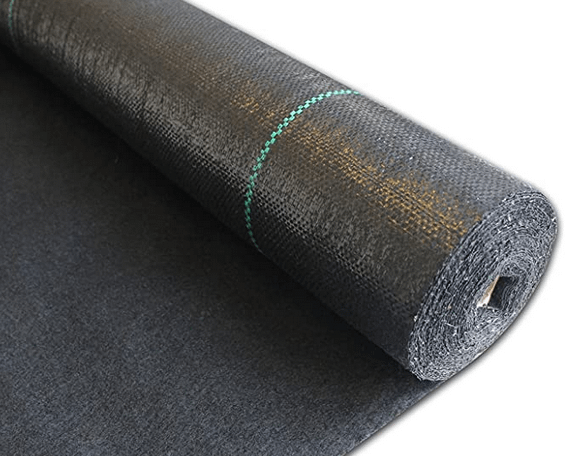
Are you tired of dealing with landscape fabric that tears, clogs, or just doesn’t work the way you hoped? You’re not alone.
Finding the right solution for weed control and soil protection can be tricky. But what if there were better options that fit your garden’s needs perfectly? You’ll discover simple, effective alternatives to landscape fabric that can save you time, money, and frustration.
Keep reading to find the best choice for your outdoor space and watch your garden thrive like never before.

Credit: rockstoneandpebble.com
Why Choose Alternatives To Landscape Fabric
Landscape fabric is popular for controlling weeds in gardens and yards. Still, many people look for other options to protect their plants and soil.
Choosing alternatives can help reduce environmental harm and avoid common problems linked to traditional fabrics.
Environmental Impact Of Traditional Fabrics
Most traditional landscape fabrics are made from plastic materials. These plastics do not break down easily in nature.
- They can block water and air from reaching the soil.
- Plastic fabrics add to landfill waste when removed.
- They may harm earthworms and other helpful soil creatures.
- Over time, plastic can break into tiny pieces, polluting the environment.
Common Issues With Landscape Fabric
Landscape fabric can cause problems for gardeners beyond environmental concerns.
| Issue | Description |
| Weed Growth | Weeds may grow on top or through holes in the fabric. |
| Soil Health | Fabric can reduce soil moisture and nutrient flow. |
| Plant Growth | Roots may struggle to expand under the fabric. |
| Installation | Hard to install correctly; fabric may shift or tear. |
| Removal | Removing fabric is time-consuming and may damage plants. |
Organic Mulches As Natural Barriers
Organic mulches help control weeds and keep soil moist. They act as natural barriers without using synthetic materials.
Using organic materials also improves soil health and attracts beneficial insects. These mulches break down over time, adding nutrients.
Wood Chips And Bark
Wood chips and bark are common organic mulches. They slow weed growth by blocking sunlight and reduce soil erosion. They also keep soil temperature stable.
- Last long before breaking down
- Good for paths and flower beds
- Help retain soil moisture
- Improve soil structure as they decompose
Straw And Hay
Straw and hay are lightweight mulches that work well in vegetable gardens. They prevent weeds and keep soil cool. Use straw more often as hay may contain seeds.
These mulches break down faster than wood chips and add organic matter quickly to the soil.
Leaves And Grass Clippings
Leaves and grass clippings are easy to collect and use as mulch. They provide nutrients and help keep weeds away. Dry leaves work better than fresh ones to avoid matting.
| Mulch Type | Best Use | Decomposition Speed |
| Wood Chips | Paths, flower beds | Slow |
| Bark | Garden borders | Slow |
| Straw | Vegetable gardens | Medium |
| Hay | Vegetable gardens (use cautiously) | Medium |
| Leaves | Flower beds, around trees | Fast |
| Grass Clippings | Garden beds | Fast |
Living Mulch Options
Living mulch is a great alternative to landscape fabric. It helps keep soil healthy and reduces weeds. Using plants as mulch improves garden health.
Plants used as mulch add nutrients to the soil. They also create a habitat for beneficial insects. Here are some options for living mulch.
Cover Crops For Soil Health
Cover crops are grown to cover the soil. They prevent erosion and add organic matter. These crops help maintain soil structure and fertility.
- Legumes like clover fix nitrogen in the soil.
- Grains such as rye prevent weed growth.
- Mustard plants break up compacted soil.
Ground Cover Plants
Ground cover plants spread quickly. They create a dense mat that protects the soil. These plants are low-maintenance and require little care.
| Plant | Benefits |
| Creeping thyme | Attracts pollinators |
| Vinca minor | Shade tolerant |
| Ajuga | Colorful foliage |
Biodegradable Weed Barriers
Weeds can take over your garden if you do not stop them. Landscape fabric helps, but it is not the only choice. Biodegradable weed barriers break down over time and are better for the earth.
These natural materials stop weeds while letting water and air reach your plants. They are easy to use and disappear after a season or two.
Coconut Coir Mats
Coconut coir mats come from coconut husks. They are strong and let water pass through. These mats block weeds and keep soil moist. They slowly break down in the soil.
Coir mats also add organic matter to your garden. They are good for flower beds and vegetable gardens.
Jute And Burlap Fabrics
Jute and burlap fabrics are made from plant fibers. They work well as weed barriers and let water and air flow easily. These fabrics decompose naturally in the soil.
You can cut them to fit any garden shape. They also help protect young plants from cold weather.
Newspaper And Cardboard Layers
Newspaper and cardboard are cheap and recycle old materials. Lay thick layers on the ground to block weeds. Wet them down to keep them in place.
These materials break down over time and improve soil health. Cover them with mulch for a neat look.
Natural Stone And Gravel Mulches
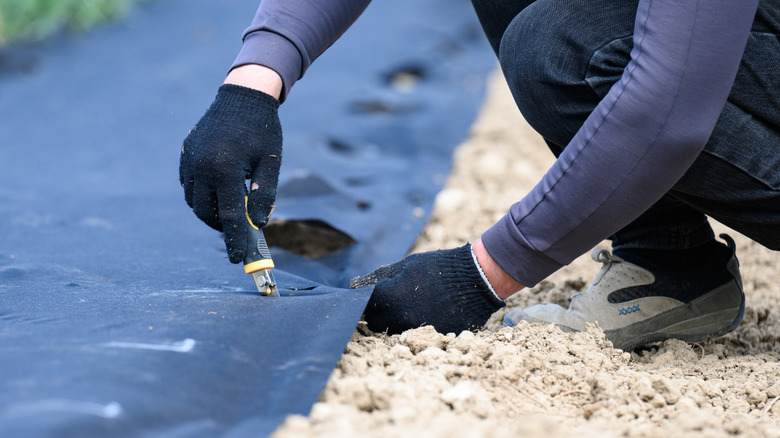
Natural stone and gravel mulches are good alternatives to landscape fabric. They help control weeds and protect soil.
These materials add a natural look to gardens and paths. They also last a long time without needing replacement.
Benefits For Drainage
Natural stone and gravel allow water to flow through easily. This prevents water from pooling and helps plants stay healthy.
- Stones create spaces for water to drain
- Gravel keeps soil from washing away
- Both reduce soil compaction
- They help avoid root rot by improving airflow
Aesthetic Appeal
These mulches come in many colors and sizes. They add texture and beauty to garden beds and walkways.
| Mulch Type | Color Options | Common Uses |
| Natural Stone | Gray, Brown, White, Red | Garden beds, borders, pathways |
| Gravel | Tan, Black, White, Blue | Driveways, walkways, patios |
Credit: www.housedigest.com
Using Compost And Soil Amendments
Using compost and soil amendments is a great way to improve your garden soil naturally. These materials help plants grow strong without synthetic products.
They also offer an eco-friendly way to reduce weeds and keep your soil healthy over time.
Improving Soil Fertility
Compost adds nutrients and organic matter to the soil. This improves its structure and water retention. Soil amendments like peat moss or aged manure also boost fertility.
- Increase beneficial microbes
- Enhance nutrient availability
- Improve soil texture and drainage
- Support healthy root growth
- Reduce soil compaction
Suppressing Weeds Naturally
Compost and soil amendments help keep weeds down by strengthening plants and covering bare soil. Mulching with compost also blocks sunlight from weed seeds.
| Method | How It Works |
| Compost Mulch | Blocks light to stop weed seed growth |
| Soil Improvement | Promotes strong plants that outcompete weeds |
| Organic Matter | Creates a dense soil layer that resists weeds |
Tips For Maintaining Eco-friendly Mulches
Eco-friendly mulches help keep soil healthy and plants strong. They also reduce waste and improve water retention. Using natural mulches is a smart choice for gardeners.
To get the best results, you need to care for your mulch well. Proper maintenance keeps the mulch working longer and protects the soil beneath.
Replenishing Organic Materials
Organic mulches break down over time. Adding new layers keeps the mulch effective. It also feeds the soil with nutrients as it decays.
- Check mulch depth every few months.
- Add 2 to 3 inches of fresh mulch annually.
- Use compost or shredded leaves for natural replenishment.
- Avoid piling mulch too close to plant stems.
- Mix old mulch lightly with soil to speed decomposition.
Preventing Soil Erosion
Mulch helps stop soil from washing away. Proper placement and care improve this protective barrier.
| Mulch Practice | Effect on Soil Erosion |
|---|---|
| Apply mulch evenly | Reduces water runoff |
| Maintain 3-inch depth | Protects soil surface |
| Use heavier mulch like bark | Prevents displacement by wind |
| Replace thin or bare spots | Stops soil exposure |

Credit: www.yahoo.com
Frequently Asked Questions
What Are Natural Alternatives To Landscape Fabric?
Natural alternatives include mulch, bark chips, straw, and gravel. These suppress weeds, retain soil moisture, and improve soil health naturally.
Can Newspaper Replace Landscape Fabric In Gardens?
Yes, newspaper layers block sunlight, preventing weed growth. They decompose over time, adding organic matter to the soil.
Is Cardboard Effective As A Landscape Fabric Substitute?
Cardboard works well by blocking weeds and improving soil quality. It breaks down slowly and enriches the soil with organic material.
How Does Mulch Compare To Landscape Fabric?
Mulch controls weeds, retains moisture, and improves soil temperature. Unlike fabric, it decomposes and adds nutrients to the soil.
Conclusion
Choosing the right alternative to landscape fabric can improve your garden’s health. Mulch, cardboard, or newspaper all work well to control weeds. These options let water and air reach the soil easily. They also break down naturally, feeding your plants over time.
Remember, each alternative has its own benefits and drawbacks. Try what fits best with your garden needs and budget. Simple, natural solutions often bring the best results. Keep experimenting and enjoy a thriving, weed-free garden.