
Have you ever started a recipe only to realize you don’t have a measuring cup? It’s frustrating when you want to cook or bake something perfectly, but you’re missing the right tools.
Don’t worry—you don’t always need a fancy measuring cup to get the job done. You’ll discover simple and clever ways to measure a cup using items you already have at home. Keep reading, and you’ll never have to guess your measurements again!
Common Cup Measurement Tools
Measuring a cup is important for cooking and baking. Using the right tool helps you get accurate results.
There are different tools to measure a cup. Each tool works best for certain ingredients.
Standard Measuring Cups
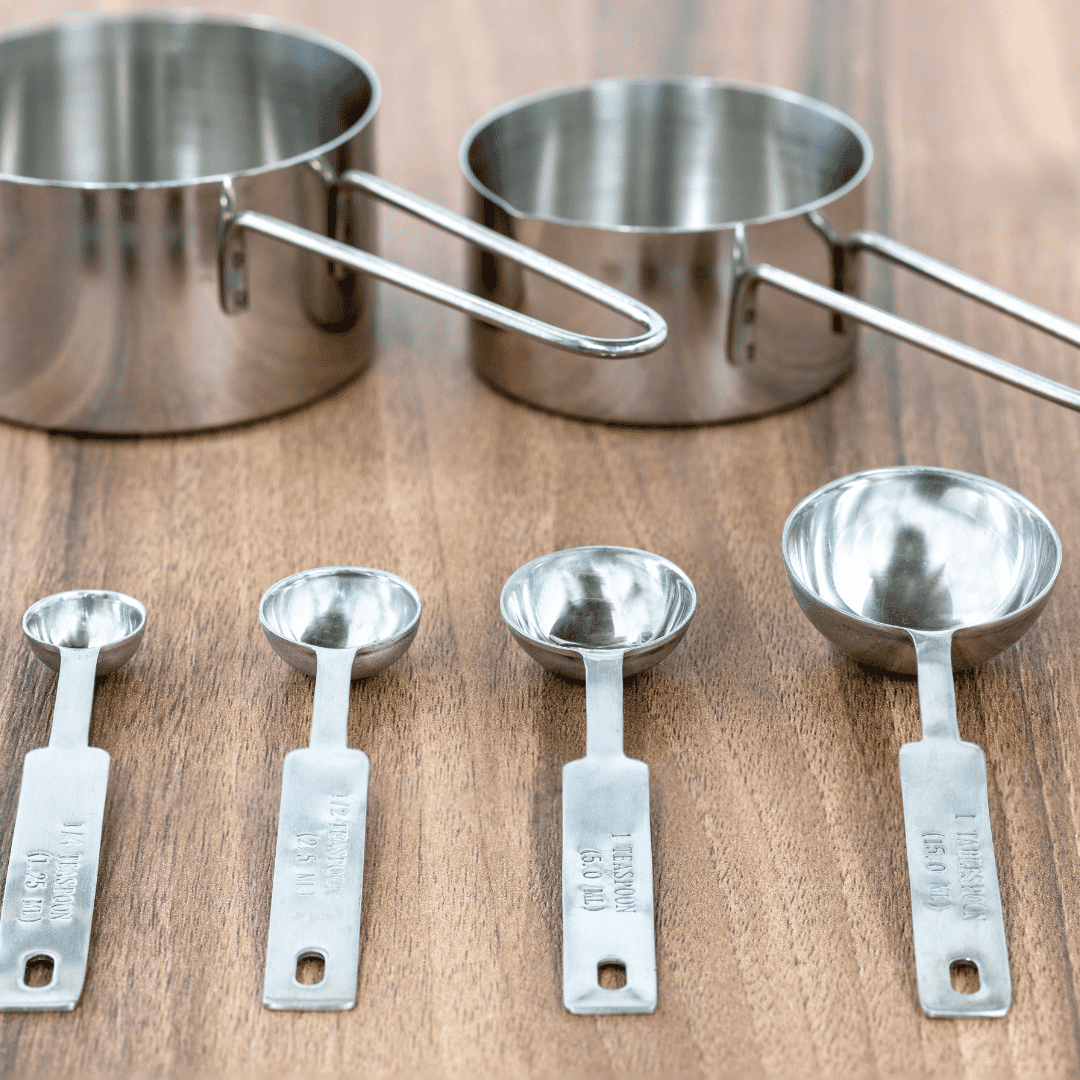
Standard measuring cups are sets of cups with fixed sizes. They usually include 1 cup, 1/2 cup, 1/3 cup, and 1/4 cup.
These cups are good for measuring dry ingredients like flour or sugar. They are easy to use and come in plastic, metal, or glass.
- Clear markings show the size
- Stackable for easy storage
- Use to scoop and level dry ingredients
Liquid Measuring Cups
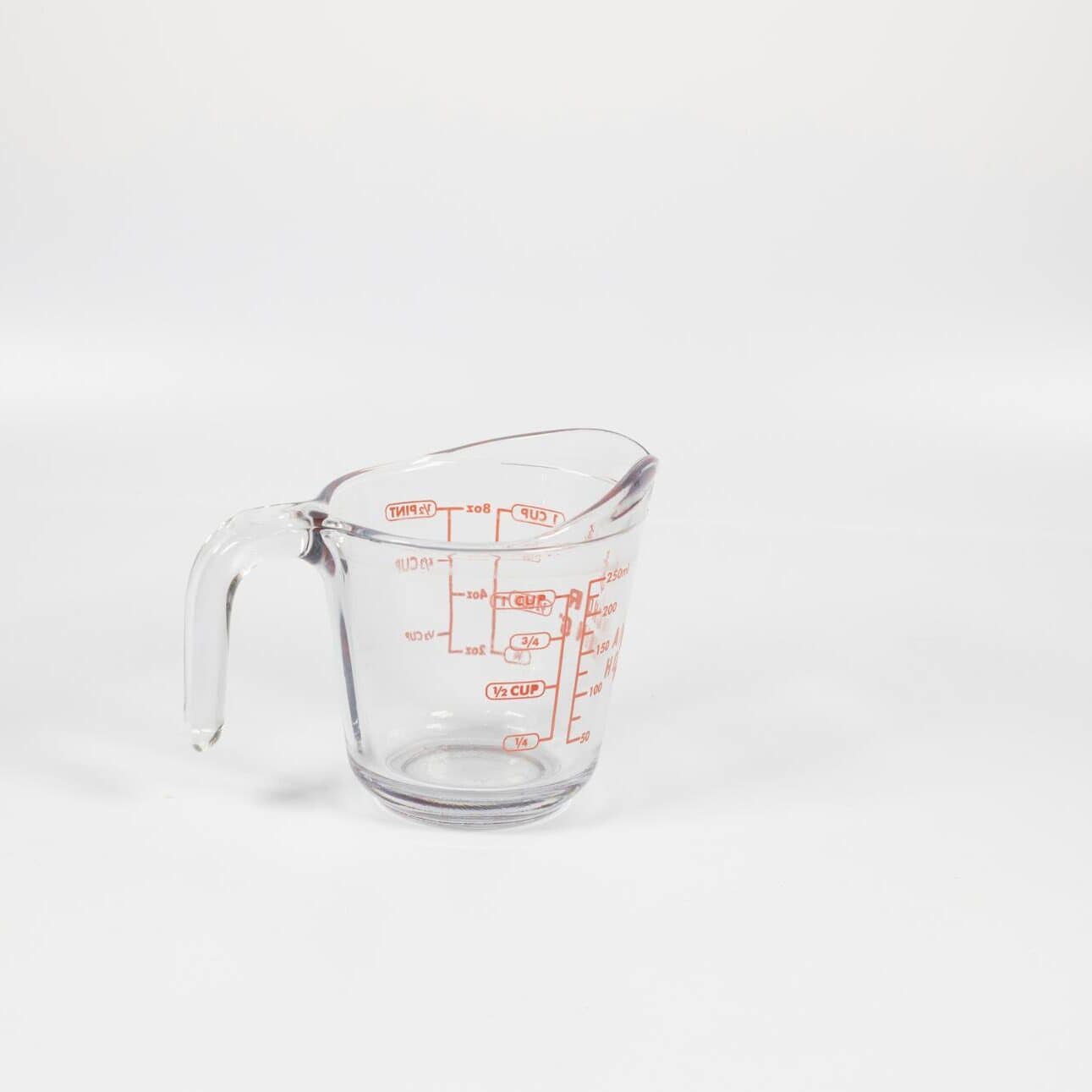
Liquid measuring cups are usually made of glass or clear plastic. They have a spout for easy pouring.
These cups have measurement lines on the side. You can see the liquid level from outside the cup.
- Measure water, milk, oil, and other liquids
- Use a flat surface to check the level
- Common sizes are 1 cup, 2 cups, or more
Dry Measuring Cups
Dry measuring cups are designed for ingredients like flour, oats, or nuts. They help you pack or level ingredients.
These cups come in sets and do not have a spout. They often have straight edges for leveling off the ingredient.
- Fill the cup and level with a flat edge
- Good for precise dry ingredient measurement
- Made from metal or plastic
Credit: www.recipesandplaces.com
Alternative Tools For Measuring Cups
Not everyone has a measuring cup handy in the kitchen. You can still measure ingredients accurately with some common tools. These alternatives work well for cooking and baking.
Using different tools can help you measure liquids and solids when you do not have standard measuring cups. Here are some easy options.
Kitchen Scales
Kitchen scales measure ingredients by weight. This is often more accurate than measuring by volume. You can find digital or mechanical scales for home use.
To use a kitchen scale, place a bowl on it and reset the scale to zero. Then add your ingredient until you reach the needed weight. Scales work well for dry and wet ingredients.
Tablespoons And Teaspoons
Tablespoons and teaspoons are common kitchen spoons. They can measure small amounts of ingredients. One tablespoon equals three teaspoons.
You can use these spoons to measure cups by knowing their volume equivalents. This is useful for recipes with small quantities.
- 1 cup = 16 tablespoons
- 1 tablespoon = 3 teaspoons
- Use these ratios to measure larger amounts
Using A Water Bottle Or Jar
A clean water bottle or jar can serve as a measuring tool. Fill it with water to the volume you need. Then pour the water into your mixing bowl.
Mark the bottle or jar with tape or a marker to remember common measurements. This method works best for liquids but can help with some dry ingredients too.
How To Measure Ingredients Accurately
Measuring ingredients correctly is key to good cooking and baking. Using the right tools helps you get perfect results.
You can use different cups and spoons for dry and liquid ingredients. Knowing how to measure each type is important.
Leveling Dry Ingredients
Use a dry measuring cup to scoop your ingredient. Fill the cup slightly over the top.
Use a flat edge, like the back of a knife, to level off the excess. This gives you an exact amount.
- Use dry measuring cups for flour, sugar, and grains.
- Do not shake the cup to settle the ingredient.
- Level the top for precise measurement.
Checking Liquid Measurements
Use a liquid measuring cup with a spout. Place it on a flat surface to read the level clearly.
Bend down to eye level with the measuring lines. This helps you see the exact amount of liquid.
- Use clear cups for better visibility.
- Pour slowly to avoid overfilling.
- Check measurements at eye level.
Avoiding Common Mistakes
Do not use the same cup for dry and liquid ingredients. This can cause wrong amounts.
Avoid packing dry ingredients unless the recipe says so. This can add too much to your dish.
- Use the correct type of measuring cup.
- Do not eyeball measurements.
- Measure ingredients before mixing.

Credit: www.amazon.com
Tips For Perfect Baking Measurements
Measuring ingredients correctly is key to baking success. Using the right tools helps get accurate amounts.
Learning how to measure a cup well can improve your baking results. It saves you from mistakes.
Converting Between Units
Baking recipes use different units like cups, grams, and ounces. Knowing how to convert helps you follow any recipe.
Use a conversion chart or a digital scale to switch between units easily. This keeps your measurements accurate.
| Unit | Equivalent |
|---|---|
| 1 cup | 240 ml (fluid) |
| 1 cup | 120 grams (flour) |
| 1 cup | 200 grams (sugar) |
Adjusting For Ingredient Types
Different ingredients have different weights even if the cup size is the same. Flour and sugar weigh differently.
Use specific measuring cups for dry and liquid ingredients. This avoids adding too much or too little.
- Use a dry measuring cup for flour, sugar, and grains
- Use a liquid measuring cup for milk, oil, and water
- Level off dry ingredients with a flat edge for accuracy
Maintaining Consistency
Always use the same measuring tools for every recipe you bake. This keeps your results steady and reliable.
Measuring in the same way each time helps your baked goods turn out the same. It builds your baking confidence.
- Use the same cup size for each ingredient
- Measure ingredients at eye level
- Do not pack dry ingredients unless the recipe says so
Credit: www.recipesandplaces.com
Frequently Asked Questions
What Household Items Can Measure A Cup?
Common household items like a coffee mug, small bowl, or yogurt container can measure a cup. These items often have similar volume to a standard cup, making them useful in a pinch. Always check the capacity to ensure accuracy.
Can I Use A Water Bottle To Measure A Cup?
Yes, a standard water bottle can help measure a cup. Most standard bottles hold around 16 ounces, which is two cups. You can fill it halfway to get one cup. Always verify the bottle size for precision.
How To Measure A Cup Without Measuring Tools?
Use a standard coffee mug or a similar-sized container. Many mugs approximate the size of a cup. Fill it to the brim for a close measure. Alternatively, use a kitchen scale to weigh 8 ounces of water, equivalent to one cup.
Is A Coffee Mug Equivalent To A Cup?
Often, a coffee mug is close to one cup. However, mug sizes vary, so it’s best to verify. Fill it with water and pour into a measuring cup to check. This ensures you have the correct measurement for recipes.
Conclusion
Measuring a cup can be simple with common kitchen tools. Use measuring cups, spoons, or a kitchen scale for accuracy. Even a liquid measuring cup works well for fluids. You can also use household items like a standard mug or a water bottle.
Just remember to check the size before using. This helps you cook or bake with the right amounts. Keep these tips in mind to make measuring easy and stress-free. Accurate measurements lead to better results every time.