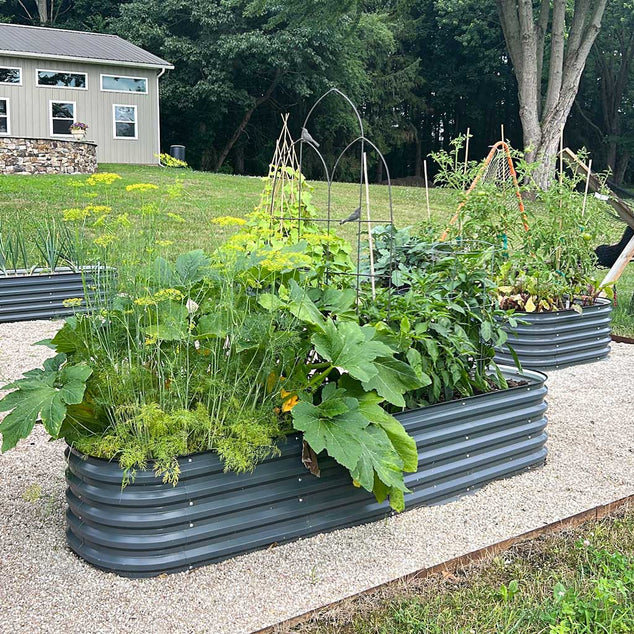
Are you ready to transform your outdoor space into a thriving garden? Raised garden beds are a fantastic way to grow fresh, healthy plants right at your fingertips.
But you might be wondering—what exactly can you grow in a raised garden bed? The answer might surprise you. Whether you have a small balcony or a spacious backyard, the possibilities are endless. From vibrant vegetables to fragrant herbs and colorful flowers, your raised bed can become a lush oasis.
Keep reading to discover the best plants for your raised garden bed and how to make the most of your growing space. Your green thumb is about to get a serious upgrade!
Benefits Of Raised Garden Beds
Raised garden beds help you grow many types of plants. They offer better control over soil and water. These beds make gardening easier and more productive.
Using raised beds can improve plant health and growth. They provide many benefits that ground-level gardens may lack.
Improved Soil Quality
Raised beds let you add good soil and compost. You control the soil type and nutrients for your plants. This helps plants grow strong and healthy.
The soil in raised beds warms up faster in spring. This leads to earlier planting and longer growing seasons.
Better Drainage
Raised beds drain water well. This stops water from pooling around roots. Proper drainage prevents root rot and other problems.
Good drainage helps plants get the right amount of moisture. It keeps the soil from getting too wet or dry.
Pest And Weed Control
Raised beds reduce pests that live in the ground. It is easier to spot and remove bugs in a raised bed. This protects your plants from damage.
Weeds are less common in raised beds. You can add mulch to block weeds and keep them away from plants.
- Less weed growth means less weeding work
- Mulch helps keep soil moist and healthy
- Fewer pests lead to healthier plants
Choosing The Right Crops
Growing crops in a raised garden bed is a great way to enjoy fresh produce. Picking the right crops helps your garden thrive.
Different plants need different conditions. Knowing these needs makes gardening easier and more successful.
Climate Considerations
Some crops grow better in warm weather. Others prefer cooler temperatures. Choose crops that fit your local climate.
Check your area’s frost dates and temperature ranges. This helps you pick plants that will survive and grow well.
- Warm-season crops: tomatoes, peppers, cucumbers
- Cool-season crops: lettuce, spinach, broccoli
- Check frost dates before planting
Soil Requirements
Raised beds let you control soil quality. Different plants need different soil types and nutrients.
Use loose, well-drained soil with compost. This helps roots grow deep and strong. Test soil pH for best results.
- Vegetables like slightly acidic to neutral soil (pH 6.0-7.0)
- Root crops need loose soil for easy growth
- Add compost to improve soil nutrients
Sunlight Needs
Most vegetables need at least six hours of sunlight daily. Some crops can grow in partial shade.
Place your raised bed where sunlight is ample. Match crops to the light your garden receives.
- Full sun plants: tomatoes, peppers, beans
- Partial shade plants: lettuce, spinach, herbs
- Avoid shading tall plants over smaller ones
Top Vegetables For Raised Beds
Raised garden beds are great for growing vegetables. They provide good drainage and rich soil. This makes them ideal for many types of vegetables.
You can grow a variety of vegetables in raised beds. Let’s explore some of the best options for your garden.
Leafy Greens
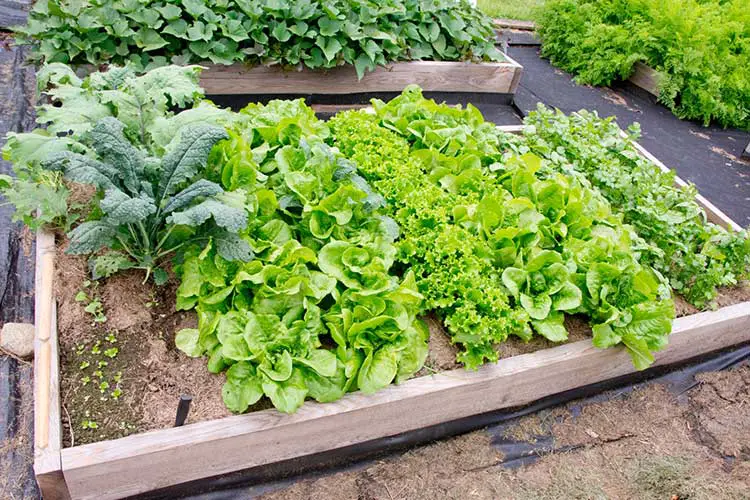
Leafy greens are perfect for raised beds. They grow quickly and require less space. You can enjoy fresh leaves all season.
- Lettuce
- Spinach
- Kale
- Swiss Chard
Root Vegetables
Root vegetables thrive in loose soil. Raised beds offer the perfect environment. You can expect healthy roots and easy harvesting.
- Carrots
- Beets
- Radishes
- Turnips
Nightshades
Nightshades grow well in raised beds. They need good sunlight and warm soil. Raised beds help with both.
- Tomatoes
- Peppers
- Eggplants
- Potatoes
Credit: www.farmfreshchoice.com
Best Fruits To Grow
Raised garden beds are great for growing fruits. They provide good soil and drainage.
Many fruits grow well in these beds. You can enjoy fresh, homegrown fruit all season.
Strawberries
Strawberries grow well in raised beds. They like loose, well-drained soil.
Plant them in a sunny spot. They need about six hours of sun daily.
- Choose day-neutral or everbearing varieties for longer harvests
- Keep soil moist but not wet
- Mulch to keep berries clean and soil cool
Bush Berries
Bush berries like blueberries and raspberries grow well in raised beds. They need acidic soil.
Raised beds allow you to control the soil pH easily. These berries like full sun and good air flow.
- Blueberries need a soil pH of 4.5 to 5.5
- Raspberries prefer slightly acidic soil around 6.0
- Space bushes properly to avoid crowding
Dwarf Fruit Trees
Dwarf fruit trees fit well in raised beds. They take up less space than regular trees.
You can grow apples, peaches, or plums. These trees need good sunlight and regular watering.
- Choose dwarf or semi-dwarf rootstock
- Provide support with stakes if needed
- Prune yearly to keep size manageable
Herbs That Thrive
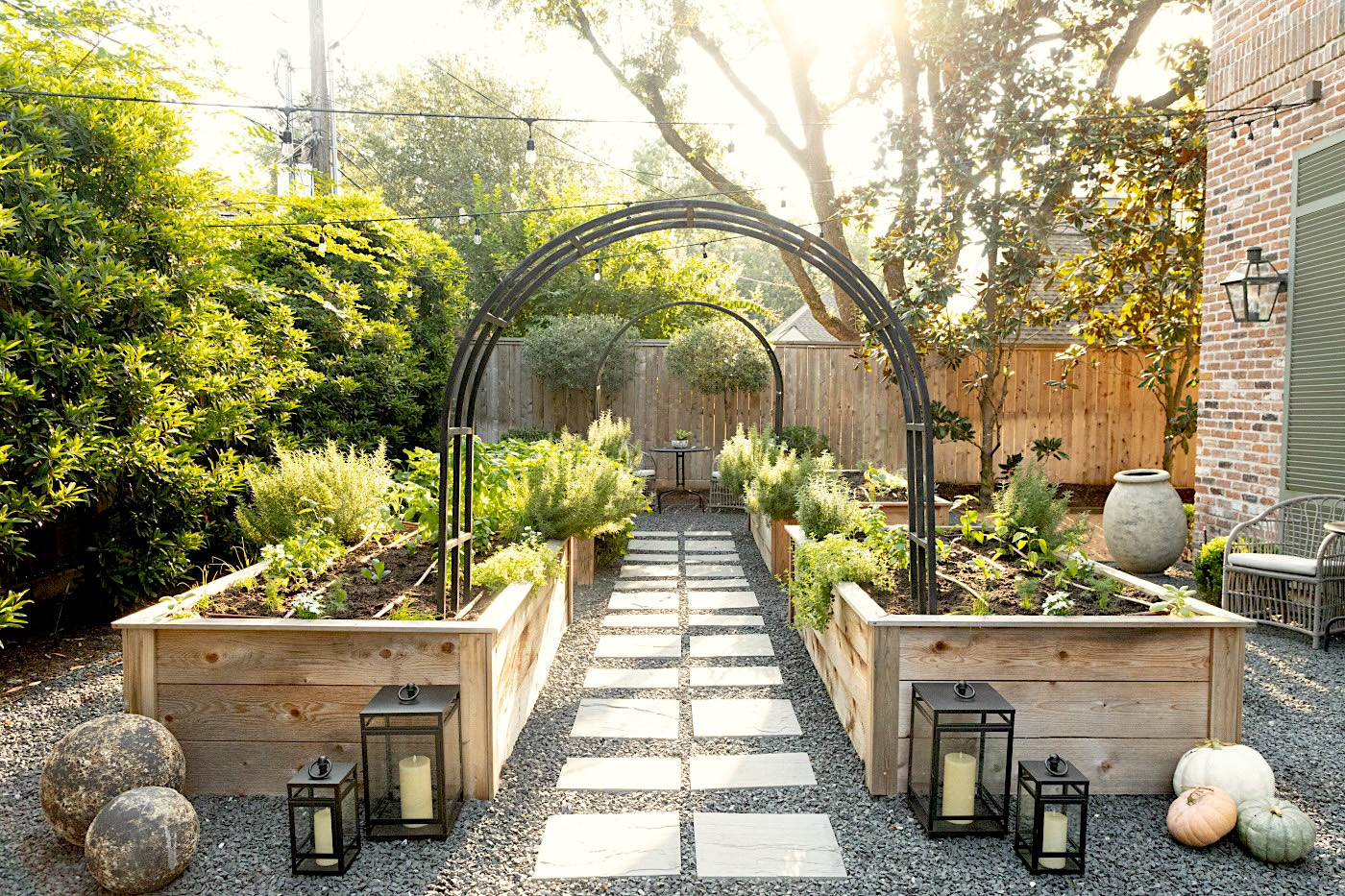
Raised garden beds are perfect for growing many kinds of herbs. They offer good soil and drainage for healthy plants.
Herbs can add flavor to food and beauty to your garden. Some herbs grow back every year, while others need planting each season.
Perennial Herbs
Perennial herbs come back year after year. They need less care once established and can grow well in raised beds.
These herbs usually have strong roots and can survive cold winters. They are great for long-term gardening.
- Thyme
- Rosemary
- Oregano
- Sage
- Chives
- Mint
Annual Herbs
Annual herbs grow and produce in one season. They must be planted again the next year.
These herbs grow fast and give fresh flavors for cooking. Raised beds help keep soil warm for quick growth.
- Basil
- Cilantro
- Dill
- Parsley
- Chervil
Medicinal Herbs
Medicinal herbs have healing properties. Many thrive in raised garden beds with good sunlight and soil.
These herbs can be used for teas, salves, or natural remedies. They add value beyond cooking uses.
- Lavender
- Chamomile
- Echinacea
- Calendula
- Valerian
Credit: www.gardenary.com
Companion Planting Tips
Companion planting helps plants grow better and stay healthy. It means planting certain plants near each other for benefits.
This method can improve soil, reduce pests, and increase harvest. Use these tips in your raised garden bed for success.
Beneficial Pairings
Some plants grow well together and help each other. For example, some plants keep bugs away from their neighbors.
- Tomatoes and basil improve flavor and reduce pests.
- Carrots and onions keep pests away from roots.
- Corn, beans, and squash grow well as a trio, helping each other.
- Lettuce grows well near radishes, which loosen soil.
- Cucumbers and peas both benefit from each other’s shade.
Avoiding Conflicts
Some plants do not grow well together. They compete for nutrients or attract harmful insects.
| Plant 1 | Plant 2 | Reason to Avoid |
| Tomatoes | Potatoes | Attract same pests |
| Beans | Onions | Inhibit growth |
| Carrots | Dill | Slow each other’s growth |
| Cabbage | Strawberries | Compete for nutrients |
| Fennel | Most plants | Releases chemicals that stop growth |
Seasonal Planting Guide
Raised garden beds help you grow fresh vegetables all year. Planting the right crops each season keeps your garden healthy.
This guide shows what you can plant in spring, summer, and fall for good harvests.
Spring Choices
Spring is perfect for cool-weather crops. These plants grow fast and enjoy mild temperatures.
- Leaf lettuce
- Spinach
- Radishes
- Peas
- Carrots
Summer Picks
Summer crops need warm soil and plenty of sun. Choose heat-loving vegetables for best results.
| Vegetable | Planting Time | Harvest Time |
| Tomatoes | Late spring | Mid to late summer |
| Peppers | Late spring | Summer |
| Cucumbers | Early summer | Mid summer |
| Beans | Late spring | Summer |
Fall Crops
Fall is great for crops that like cooler weather before winter arrives.
- Kale
- Broccoli
- Brussels sprouts
- Beets
- Turnips
Maintenance For Raised Beds
Keeping a raised garden bed healthy needs regular care. This helps plants grow strong and produce well.
Good maintenance includes watering, feeding the soil, and managing pests. These tasks keep the garden in top shape.
Watering Strategies
Raised beds dry out faster than ground soil. Water your plants deeply and often to keep roots moist.
- Water early in the morning or late afternoon to reduce evaporation.
- Use drip irrigation or soaker hoses for steady, slow watering.
- Check soil moisture with your fingers to avoid overwatering.
- Mulch the surface to keep moisture in and reduce weeds.
Soil Fertility
Healthy soil gives plants the nutrients they need. Add compost and organic matter regularly to keep soil rich.
| Soil Amendment | Benefit |
| Compost | Improves soil structure and nutrients |
| Manure | Adds nitrogen and organic matter |
| Mulch | Prevents moisture loss and enriches soil |
| Bone meal | Supplies phosphorus for roots |
Pest Management
Check plants often for bugs and signs of damage. Use safe ways to keep pests away and protect your crops.
Try these methods to manage pests:
- Handpick bugs off plants.
- Use insecticidal soap sprays.
- Encourage beneficial insects like ladybugs.
- Plant pest-repelling herbs nearby.

Credit: www.ollegardens.com
Frequently Asked Questions
What Vegetables Grow Best In Raised Garden Beds?
Leafy greens, tomatoes, peppers, carrots, and beans thrive in raised beds. These beds provide excellent drainage and soil warmth, promoting healthy growth and higher yields for these common vegetables.
Can You Grow Fruits In A Raised Garden Bed?
Yes, strawberries, blueberries, and dwarf fruit trees grow well in raised beds. The controlled soil environment helps manage nutrients and moisture, supporting fruit development effectively.
How Deep Should A Raised Garden Bed Be?
A depth of 12 to 18 inches is ideal for most plants. This depth provides enough room for root growth while ensuring proper drainage and soil quality.
Are Raised Garden Beds Good For Herbs?
Absolutely, herbs like basil, parsley, thyme, and rosemary thrive in raised beds. They benefit from well-drained soil and easy access for harvesting in these beds.
Conclusion
Raised garden beds offer great space for many plants. You can grow vegetables, herbs, and flowers with ease. They help soil stay healthy and let roots grow strong. Small spaces or poor soil won’t stop your garden. Try different plants to find what grows best.
Enjoy fresh food and colorful blooms from your bed. Start small and watch your garden thrive day by day. Gardening this way makes growing simple and fun for everyone.