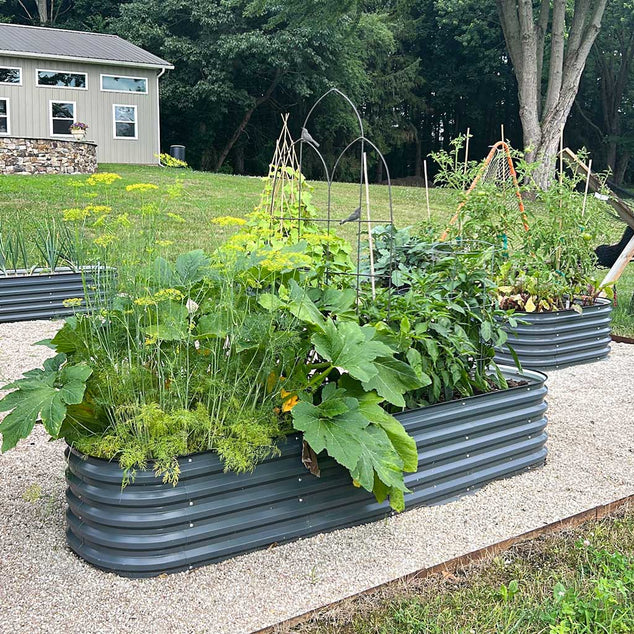
Are you thinking about starting a raised garden bed but unsure what to plant? You’re not alone.
Raised beds offer an amazing way to grow fresh vegetables, herbs, and flowers right at your fingertips. But choosing the right plants can make all the difference between a thriving garden and a disappointing patch of soil. You’ll discover simple, effective ideas for what can flourish in your raised garden bed—whether you have a sunny balcony or a shady backyard.
Get ready to unlock the full potential of your garden space and enjoy the satisfaction of watching your plants grow strong and healthy!
Credit: www.farmfreshchoice.com
Benefits Of Raised Garden Beds
Raised garden beds offer many advantages for growing plants. They allow better control over soil and growing conditions.
These beds help gardeners improve plant health and manage water efficiently. They also reduce pest problems.
Improved Soil Quality
Raised beds let you fill the soil with rich, loose materials. This creates a better environment for roots to grow strong.
- Use high-quality compost and soil mixes
- Control soil nutrients easily
- Reduce soil compaction for healthy roots
Better Drainage
Raised beds drain water faster than ground-level gardens. This stops water from pooling around roots and causing rot.
| Drainage Aspect | Raised Bed | Ground Garden |
| Water flow | Quick | Slow |
| Soil moisture level | Balanced | Often too wet |
| Root health | Strong | Weak |
Pest Control Advantages
Raised beds help reduce pests by creating a physical barrier. They are easier to cover with nets or cloth.
- Limit access for ground pests like slugs and snails
- Use covers to protect from birds and insects
- Spot and remove pests more easily
Choosing The Right Plants
Picking the right plants for your raised garden bed is important. The success of your garden depends on the plants you choose.
Consider factors like climate, space, and sunlight before planting. These help your plants grow healthy and strong.
Considering Climate And Season
Choose plants that suit your local climate and the current season. Some plants grow better in warm weather, others in cool.
Check frost dates and temperature ranges to pick the best plants for your garden bed.
- Plant cool-weather crops like lettuce and spinach in spring or fall
- Plant warm-weather crops like tomatoes and peppers in late spring or summer
- Use local planting guides for best timing
Space And Depth Requirements
Raised beds have limited space and soil depth. Choose plants that fit well and have enough room to grow.
Some plants need deep soil, while others grow well in shallow beds.
| Plant | Space Needed | Soil Depth |
|---|---|---|
| Carrots | 3 inches apart | 12 inches deep |
| Lettuce | 6 inches apart | 6 inches deep |
| Tomatoes | 18-24 inches apart | 12-18 inches deep |
| Radishes | 1-2 inches apart | 6-8 inches deep |
Sunlight Needs
Most vegetables need at least six hours of sunlight daily. Check how much sun your garden bed gets each day.
Choose plants that match the sunlight your bed receives to help them grow strong.
- Full sun plants: tomatoes, peppers, cucumbers
- Partial shade plants: spinach, lettuce, kale
- Shade plants: herbs like mint and parsley
Vegetables Ideal For Raised Beds
Raised garden beds offer great conditions for growing vegetables. They provide better drainage and soil control. Here are some vegetables that thrive in raised beds.
Leafy Greens
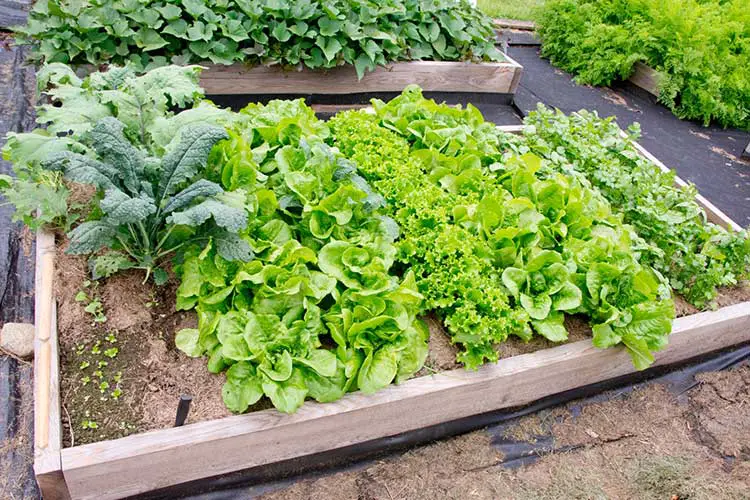
Leafy greens are perfect for raised beds. They grow quickly and are easy to harvest. You can plant lettuce, spinach, and kale. These greens need cool weather to thrive.
- Lettuce
- Spinach
- Kale
- Swiss Chard
Root Vegetables
Root vegetables grow well in deep, loose soil. Raised beds offer this environment. Carrots, radishes, and beets are great choices. They need space to grow downwards.
- Carrots
- Radishes
- Beets
- Turnips
Tomatoes And Peppers
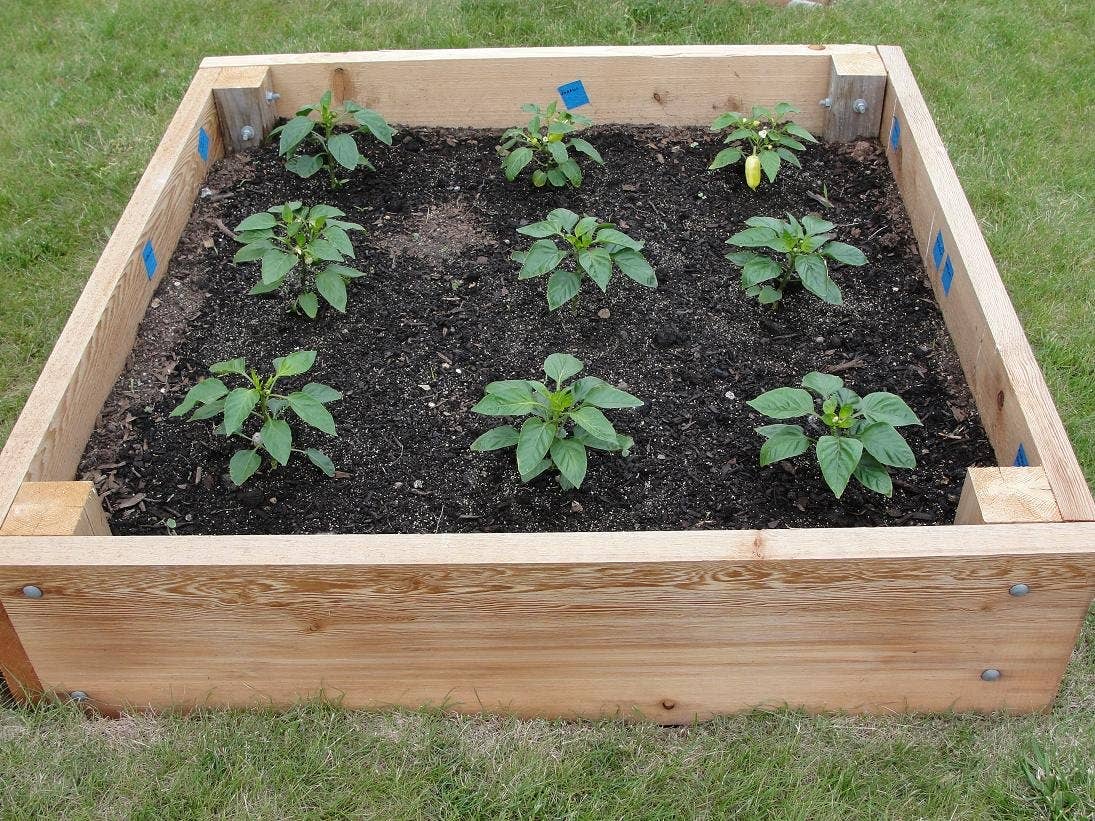
Tomatoes and peppers love the warm soil in raised beds. They need lots of sunlight to grow. Make sure to stake or cage them for support. Raised beds keep them free from pests.
- Tomatoes
- Bell Peppers
- Chili Peppers
- Cherry Tomatoes
Herbs That Thrive
Raised garden beds are great for growing herbs. They offer good soil and drainage for healthy plants.
Many herbs grow well in these beds, giving you fresh flavors for cooking and tea.
Basil And Parsley
Basil loves warm sun and moist soil. It grows quickly in raised beds with good drainage.
Parsley prefers cooler spots but still needs sunlight. It grows well in rich, moist soil.
- Basil needs 6-8 hours of sun each day
- Parsley grows best with 4-6 hours of sun
- Both like soil that drains well
Thyme And Rosemary
Thyme thrives in dry soil and full sun. It is a low-growing herb that spreads easily.
Rosemary prefers sunny spots with good airflow. It needs well-drained soil and does not like too much water.
- Thyme tolerates drought well
- Rosemary grows best with 6-8 hours of sun
- Both herbs need soil that does not stay wet
Chives And Mint
Chives grow well in raised beds with good soil. They like full sun but can handle some shade.
Mint grows fast and spreads quickly. It prefers moist soil and partial shade.
- Chives need 4-6 hours of sun daily
- Mint likes moist soil and some shade
- Mint is best grown in containers to control spreading
Flowers To Add Color
Raised garden beds are perfect for planting bright and colorful flowers. These flowers can make your garden look lively and cheerful.
Choosing the right flowers helps attract pollinators and keeps your garden healthy. Here are some great options to consider.
Marigolds And Nasturtiums
Marigolds bring strong, warm colors like yellow and orange to your garden. Nasturtiums add bright reds and yellows, plus they are edible.
- Marigolds repel pests and protect vegetables.
- Nasturtiums attract beneficial insects.
- Both flowers grow well in sunny spots.
- They need well-drained soil to thrive.
- Deadhead blooms to keep flowers producing.
Petunias And Pansies
Petunias come in many colors and bloom all summer long. Pansies are cool-weather flowers with lovely patterns on their petals.
| Flower | Best Season | Colors |
| Petunias | Spring to Fall | Pink, Purple, White, Red |
| Pansies | Fall to Spring | Blue, Yellow, Purple, White |
Companion Planting Tips
Companion planting means growing different plants close together. This helps them grow better and stay healthy.
Using companion plants in raised garden beds can improve soil, protect from pests, and boost growth.
Boosting Growth
Some plants help others grow faster by giving nutrients or shade. They support each other in many ways.
For example, beans add nitrogen to the soil. This helps leafy vegetables like lettuce and spinach grow well.
- Plant beans near spinach or lettuce for better growth
- Tomatoes grow well with basil, which improves their flavor
- Carrots and onions planted together keep soil loose and healthy
Natural Pest Deterrents
Certain plants keep pests away without chemicals. This protects your garden naturally.
Marigolds, for example, repel many insects. They are great to plant near vegetables.
- Plant marigolds near tomatoes and peppers to reduce bugs
- Basil deters flies and mosquitoes near lettuce and tomatoes
- Garlic planted with roses or strawberries can stop pests
Maintenance For Healthy Growth
Keeping your raised garden bed healthy needs regular care. Good maintenance helps plants grow strong and produce well.
Proper watering, soil care, and weed control are key parts of this process. Each one helps plants stay healthy and avoid problems.
Watering Best Practices
Water your plants deeply to encourage strong roots. Avoid shallow, frequent watering that only wets the surface.
- Water early in the morning to reduce evaporation.
- Use drip irrigation or soaker hoses for even watering.
- Check soil moisture before watering again.
- Adjust water amounts based on weather and plant needs.
Soil Fertilization
Fertilizing the soil gives plants the nutrients they need. Use organic compost or balanced fertilizers for best results.
| Fertilizer Type | When to Apply | Purpose |
| Compost | Before planting | Improves soil texture and nutrients |
| Balanced fertilizer (NPK 10-10-10) | During growing season | Supports overall plant growth |
| Bone meal | At planting time | Boosts root development |
| Liquid seaweed | Every 2 weeks | Enhances plant stress resistance |
Weed Management
Weeds compete with your plants for water and nutrients. Remove them regularly to keep your garden bed clean.
- Pull weeds by hand before they flower.
- Use mulch to block sunlight and reduce weed growth.
- Inspect your garden bed weekly for new weeds.
- Dispose of weeds away from the garden to prevent seed spread.
Credit: dengarden.com

Credit: www.vegega.com
Frequently Asked Questions
What Vegetables Grow Best In Raised Garden Beds?
Leafy greens, tomatoes, peppers, carrots, and radishes thrive in raised beds. These vegetables enjoy well-drained soil and warm conditions. Raised beds also prevent soil compaction, promoting healthy root growth for these plants.
Can You Plant Herbs In A Raised Garden Bed?
Yes, herbs like basil, parsley, thyme, and rosemary grow well in raised beds. Raised beds offer excellent drainage and soil control, which herbs prefer for optimal growth and flavor.
Are Root Vegetables Suitable For Raised Garden Beds?
Root vegetables such as carrots, beets, and radishes do well in raised beds. The loose, well-aerated soil encourages straight, healthy roots and prevents crowding or deformation often seen in compacted ground.
How Do Raised Beds Affect Plant Growth?
Raised beds improve soil drainage, increase soil temperature, and reduce weed growth. These benefits create an ideal environment for faster and healthier plant growth compared to traditional ground planting.
Conclusion
Raised garden beds offer great space for many plants. You can grow vegetables, herbs, and flowers easily. Soil drains well and warms up faster in raised beds. This helps plants grow strong and healthy. Choose plants that fit your climate and sunlight.
Regular watering and care keep your garden thriving. Enjoy fresh, home-grown food right from your backyard. Start small and learn what works best for you. Gardening in raised beds brings joy and fresh flavors to life.