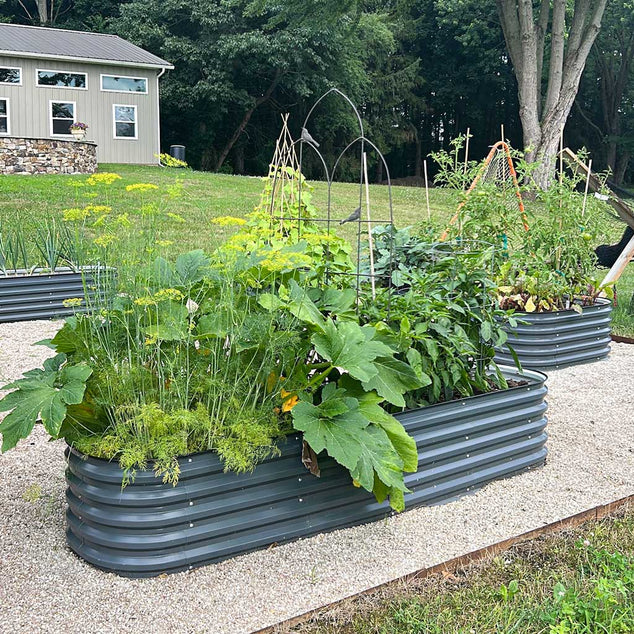
Are you ready to transform your garden space and enjoy fresh, homegrown produce? Raised garden beds are a fantastic way to grow a variety of plants, even if you have limited space or poor soil.
But what exactly can you plant in these beds to get the best results? Whether you want vibrant flowers, crisp vegetables, or fragrant herbs, knowing the right choices will make your garden thrive. Keep reading, and you’ll discover the perfect plants to fill your raised beds and turn your garden into a green paradise.
Benefits Of Raised Garden Beds
Raised garden beds offer many advantages for growing plants. They help gardeners create better conditions for healthy growth.
Using raised beds can improve soil, drainage, and the time plants can grow in your garden.
Improved Soil Quality
Raised garden beds let you control the soil type and quality. You can add rich compost and nutrients easily.
- Soil stays loose and soft for roots
- Less soil compaction from foot traffic
- Better control over soil pH and fertility
- Fewer weeds and pests in the soil
Better Drainage And Aeration
Raised beds drain water faster than ground soil. This stops water from pooling around plant roots.
| Feature | Raised Bed | Ground Soil |
| Drainage | Fast | Slow |
| Aeration | High | Low |
| Root Growth | Strong | Restricted |
Extended Growing Season
Raised beds warm up quicker in spring and stay warm longer in fall. This helps plants grow for more weeks.
Benefits for growing season:
- Soil temperature rises faster
- Plants start growing earlier
- Harvest can be later in the year
- Better protection from frost
Credit: www.farmfreshchoice.com
Choosing Plants For Raised Beds
Raised garden beds offer a great way to grow plants in a controlled space. Choosing the right plants helps them grow strong and healthy.
Consider factors like sunlight, soil, and space before planting. This ensures your plants get what they need to thrive.
Considering Sunlight Needs
Different plants need different amounts of sunlight. Some plants like full sun, while others prefer shade.
Check how much sunlight your raised bed gets each day. Match plants that will do well in that light.
- Full sun plants need 6-8 hours of direct sunlight
- Partial sun plants need 3-6 hours of sun
- Shade plants grow well with less than 3 hours of sun
Soil Requirements
Raised beds let you control soil quality. Good soil helps plants absorb water and nutrients.
Choose soil that fits your plants’ needs. Some plants like sandy soil, others prefer rich, loamy soil.
- Vegetables grow well in loose, fertile soil
- Succulents prefer well-draining sandy soil
- Herbs like soil that is not too wet
Space And Growth Habits
Plants need enough room to grow their roots and leaves. Crowding plants can cause poor growth.
Check how big your plants will get. Plan space between plants based on their size and growth habit.
| Plant Type | Space Needed | Growth Habit |
|---|---|---|
| Leafy Greens | 6-12 inches apart | Compact, bushy |
| Tomatoes | 18-24 inches apart | Vining or bushy |
| Carrots | 2-3 inches apart | Root crop |
Best Vegetables For Raised Beds
Raised garden beds are perfect for growing vegetables. They offer better soil control and drainage. Let’s explore some vegetables ideal for raised beds.
These beds make it easy to manage plants and keep weeds away. You can enjoy a bountiful harvest by selecting the right crops.
Leafy Greens
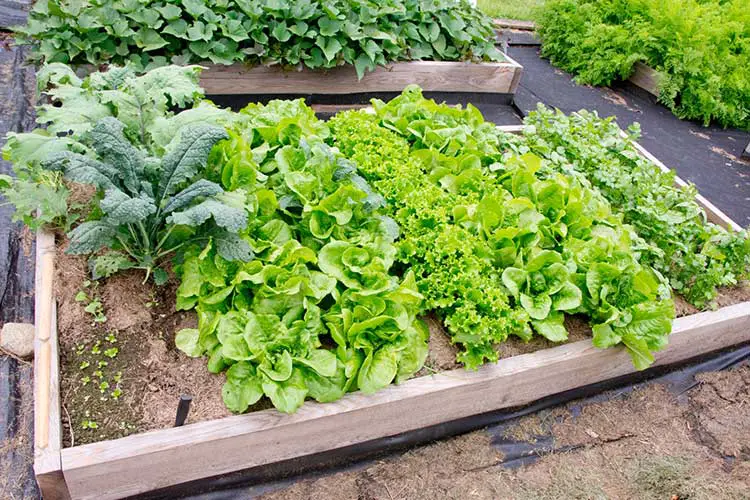
Leafy greens thrive in raised beds. They grow fast and are easy to care for. You can plant them close together to save space.
Some popular leafy greens include lettuce, spinach, and kale. These plants enjoy cool weather and partial shade.
- Lettuce
- Spinach
- Kale
Root Vegetables
Root vegetables grow well in raised beds. The loose soil helps them develop straight and long roots. They need deep soil to reach their full potential.
Carrots, radishes, and beets are great choices. These plants are easy to grow and perfect for beginners.
- Carrots
- Radishes
- Beets
Fruiting Crops
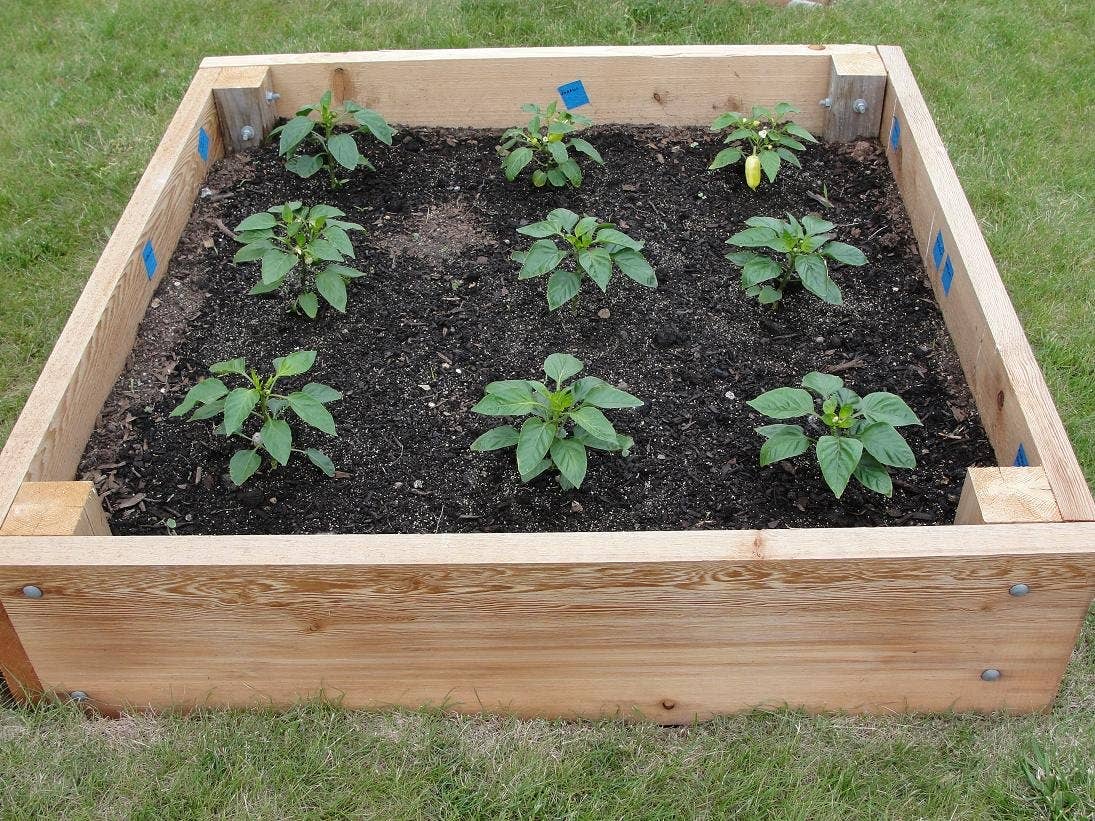
Fruiting crops can flourish in raised beds. They need plenty of sunlight and space. These crops produce delicious fruits to enjoy.
Tomatoes, peppers, and cucumbers are popular choices. They need support as they grow, so consider adding stakes or cages.
- Tomatoes
- Peppers
- Cucumbers
Ideal Herbs For Raised Beds
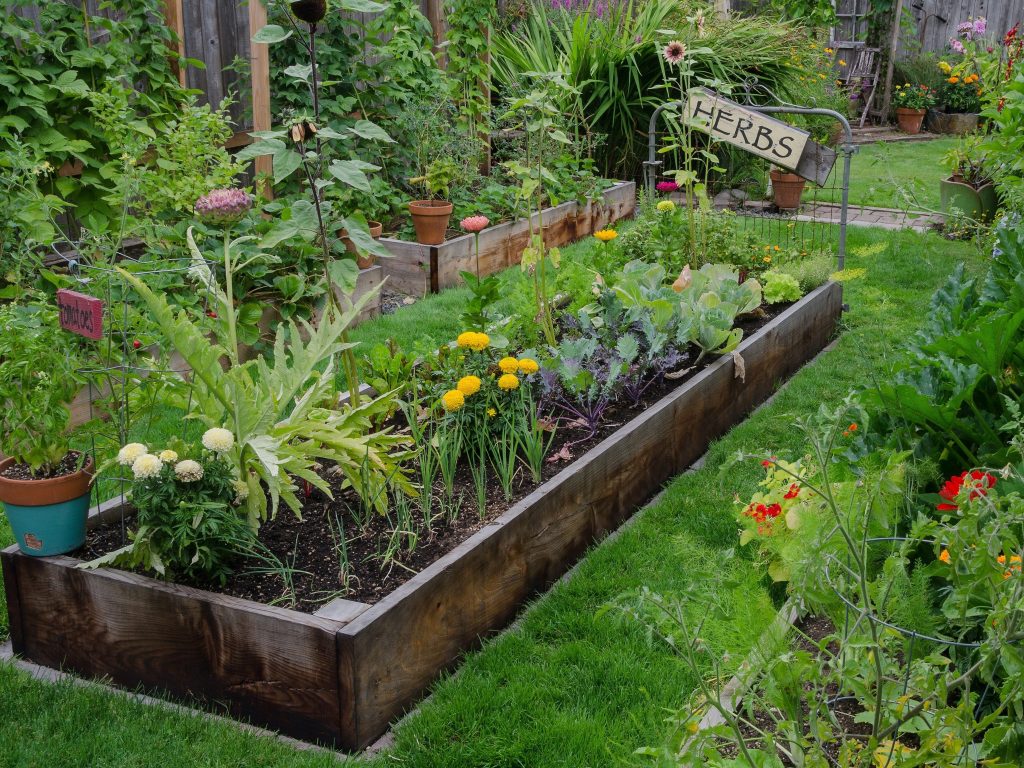
Raised garden beds are perfect for growing herbs. They offer good drainage and warm soil. These conditions help herbs grow strong and healthy.
Choosing the right herbs for your raised bed can improve your garden’s success. Some herbs grow well year after year, while others need replanting each season.
Perennial Herbs
Perennial herbs come back every year. They need less care once established. These herbs add long-term flavor and beauty to your garden.
- Thyme: Small leaves and great for cooking.
- Rosemary: Woody stems, loves full sun.
- Sage: Soft leaves with a strong scent.
- Oregano: Spreads quickly and tastes bold.
- Chives: Adds onion flavor and pretty purple flowers.
Annual Herbs
Annual herbs live for one season. Plant them each year for fresh herbs. They usually grow fast and produce many leaves.
| Herb | Notes |
| Basil | Needs warm weather and lots of sun. |
| Cilantro | Grows quickly, prefers cooler temperatures. |
| Dill | Tall and feathery, attracts beneficial insects. |
| Parsley | Grows well in part shade. |
| Mint | Spreads easily; best kept in pots or raised beds. |
Companion Planting Tips
Planting herbs near vegetables can help protect your garden. Some herbs keep bugs away or improve vegetable growth.
Try these companion planting tips in your raised beds:
- Plant basil near tomatoes to improve flavor and repel pests.
- Grow chives near carrots to deter carrot flies.
- Use mint to keep ants and aphids away, but contain it to pots.
- Rosemary helps protect beans and cabbage from insect damage.
- Thyme attracts bees and improves pollination for many plants.
Flowers That Thrive In Raised Beds
Raised garden beds offer a great space to grow beautiful flowers. They provide good drainage and warm soil for plants.
You can choose many types of flowers that do well in these beds. Some attract pollinators, while others add bright colors.
Pollinator-friendly Choices
Flowers that attract bees, butterflies, and hummingbirds help your garden grow. These pollinators also support nearby fruits and vegetables.
Pick plants with nectar and bright colors to invite pollinators to your raised bed.
- Lavender
- Bee balm
- Black-eyed Susan
- Milkweed
- Sunflowers
Colorful Annuals
Annual flowers bloom all season long and add bright color to your raised beds. They grow quickly and fill spaces fast.
You can change annuals every year to keep your garden fresh and lively.
- Marigolds
- Zinnias
- Petunias
- Impatiens
- Geraniums
Perennial Blooms
Perennials come back year after year. They are low-maintenance and add lasting beauty to raised beds.
Choose perennials that suit your climate and soil for the best results.
- Daylilies
- Peonies
- Hostas
- Coneflowers
- Sedum
Crop Rotation And Planting Strategies
Crop rotation helps keep your raised garden beds healthy. It stops pests and diseases from building up in the soil.
Using smart planting strategies can improve your garden’s yield and soil quality over time.
Maximizing Yield
Plant crops that grow well together to use space efficiently. Companion planting can boost growth and reduce pests.
- Grow leafy greens like lettuce near herbs such as basil.
- Plant root vegetables like carrots next to onions.
- Use vertical space for beans or peas.
- Mix fast-growing crops with slower ones.
Preventing Soil Depletion
Change what you plant in each bed every season. This keeps soil nutrients balanced and healthy.
| Crop Type | Example Plants | Soil Benefit |
| Legumes | Beans, Peas | Add nitrogen |
| Leafy Greens | Lettuce, Spinach | Use nitrogen |
| Root Vegetables | Carrots, Beets | Break up soil |
| Fruiting Plants | Tomatoes, Peppers | Use potassium |
Seasonal Planting Tips
Plant crops suited for each season to get the best results. Match plants with your local climate.
- Spring: Start peas, lettuce, and spinach early.
- Summer: Grow tomatoes, peppers, and beans.
- Fall: Plant root crops and leafy greens.
- Winter: Use cold frames for hardy vegetables.
Maintaining Raised Garden Beds
Raised garden beds need regular care to keep plants healthy. Proper maintenance helps plants grow strong and produce well.
Pay attention to watering, soil quality, and pest control. These factors are key for a thriving garden.
Watering Techniques
Water raised beds deeply but less often. This encourages roots to grow strong and deep.
- Water early in the morning to reduce evaporation.
- Use drip irrigation or soaker hoses for even watering.
- Avoid overhead watering to prevent leaf diseases.
- Check soil moisture by feeling it with your fingers.
Soil Amendments
Good soil supports healthy plants. Add organic matter to keep soil rich and loose.
| Amendment | Benefits | How to Use |
| Compost | Improves soil structure and nutrients | Mix into top 6 inches of soil annually |
| Peat moss | Increases water retention | Blend with soil before planting |
| Vermiculite | Enhances aeration and moisture | Mix evenly with soil |
| Manure | Adds nutrients and organic matter | Use well-aged manure only |
Pest And Disease Management
Watch your garden daily for pests and diseases. Early action stops problems from spreading.
- Remove damaged or diseased leaves quickly.
- Use natural pest controls like neem oil or insecticidal soap.
- Encourage beneficial insects such as ladybugs.
- Keep garden clean and free of plant debris.
Credit: dengarden.com
Credit: www.melnor.com
Frequently Asked Questions
What Vegetables Grow Best In Raised Garden Beds?
Leafy greens, tomatoes, peppers, carrots, and radishes thrive well. Raised beds offer good drainage and warm soil, ideal for these vegetables. They encourage healthy root growth and increase yield. Choose plants suited to your climate for best results.
Can You Grow Herbs In Raised Garden Beds?
Yes, herbs like basil, parsley, thyme, and rosemary grow excellently. Raised beds provide well-drained soil and good air circulation. This environment prevents root rot and pests. Herbs benefit from the controlled soil conditions raised beds offer.
Are Root Vegetables Suitable For Raised Garden Beds?
Root vegetables like carrots, beets, and radishes do well. Raised beds have loose, well-aerated soil that supports root expansion. This prevents stunted growth common in compacted ground. Ensure soil depth is sufficient for root development.
How Do Raised Beds Affect Plant Growth?
Raised beds warm up faster in spring, extending growing seasons. They improve drainage and soil quality, reducing weed growth. Plants receive better air circulation and nutrients. This environment promotes healthier, faster-growing plants.
Conclusion
Raised garden beds offer many planting options for any gardener. You can grow vegetables, herbs, and flowers with ease. These beds help plants get better soil and water. They also keep weeds and pests away. Choose plants that suit your space and climate.
Start small and watch your garden grow. Enjoy fresh food and colorful blooms right at home. Gardening in raised beds makes planting simple and fun. Give it a try and see what you can grow!