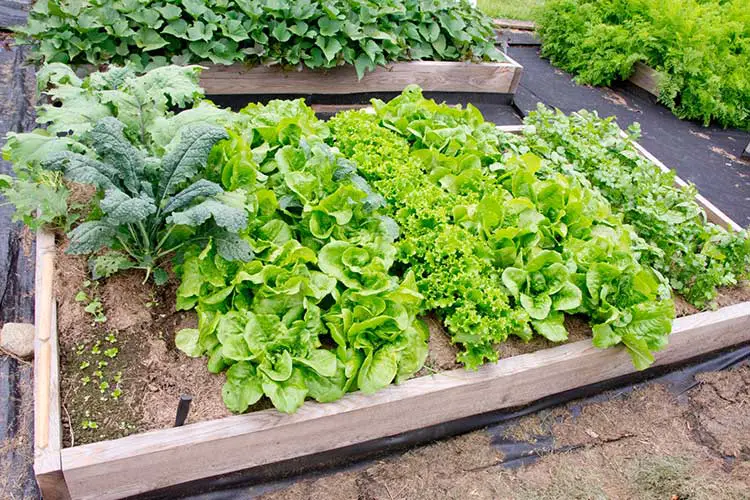
Are you ready to make the most out of your raised garden bed? Knowing what to plant together can save you space, boost growth, and even keep pests away.
But with so many options, it’s easy to feel overwhelmed. Imagine your garden thriving with healthy, happy plants that support each other naturally. You’ll discover simple pairing secrets that turn your raised bed into a lush, productive oasis. Keep reading to unlock the best combinations that will make your garden flourish like never before!
Benefits Of Companion Planting
Planting different crops together in a raised garden bed helps plants grow better. This method uses natural relationships between plants.
Companion planting can reduce pests, improve plant health, and save space. It makes gardening easier and more productive.
Pest Control
Some plants keep harmful insects away from others. This helps protect your garden naturally without chemicals.
For example, marigolds repel pests that damage tomatoes. Planting garlic near roses can stop aphids.
- Basil repels mosquitoes and flies
- Chives deter carrot flies
- Mint keeps ants and aphids away
- Onions reduce beetle damage
Improved Growth
Some plants help others grow faster and stronger. They share nutrients or provide shade and support.
Beans add nitrogen to the soil that corn uses. Tall sunflowers can give shade to lettuce in hot weather.
- Corn, beans, and squash grow well together
- Carrots grow better near onions
- Spinach grows well with strawberries
Space Efficiency
Companion planting uses space smartly. You can grow more plants in a small raised bed.
Plant tall crops with short ones that do not need much sunlight. This way, you use vertical and ground space.
- Plant beans on trellises with small herbs below
- Mix root vegetables with leafy greens
- Use vertical supports for climbing plants

Credit: www.gardenary.com
Soil Preparation Tips
Preparing soil properly is key for a healthy raised garden bed. Good soil helps plants grow strong and produce well.
Focus on the soil mix, nutrients, and drainage to create the best environment for your plants.
Choosing The Right Soil Mix
Use a mix that holds water but drains well. A good soil mix has three parts: topsoil, compost, and a light material like perlite.
- Topsoil provides structure and minerals.
- Compost adds nutrients and helps retain moisture.
- Perlite or vermiculite improves air flow and drainage.
- Avoid heavy clay soils that hold too much water.
Nutrient Management
Plants need nutrients like nitrogen, phosphorus, and potassium to grow. Add organic matter to feed your plants.
| Nutrient | Source | Benefit |
| Nitrogen (N) | Compost, manure | Leaf and stem growth |
| Phosphorus (P) | Bone meal, rock phosphate | Root and flower development |
| Potassium (K) | Wood ash, kelp meal | Overall plant health |
Drainage Considerations
Good drainage stops water from pooling and hurting roots. Check that your raised bed has holes or gaps for water to escape.
Here are tips for better drainage:
- Use coarse sand or perlite to loosen soil.
- Place gravel or small stones at the bed bottom.
- Elevate the bed slightly above ground level.
- Test drainage by watering and checking for quick runoff.
Vegetable Pairings
Growing vegetables in a raised garden bed is a great way to maximize space. Certain vegetables grow better when planted together. This method is called companion planting.
Companion planting helps plants grow faster and protects them from pests. It also improves the taste and health of the vegetables.
Tomatoes And Basil
Tomatoes and basil are perfect garden partners. Basil helps repel insects that harm tomatoes. This makes the tomatoes taste better.
Both plants enjoy the same growing conditions. They need full sun and well-drained soil. This makes it easy to care for them together.
Carrots And Onions
Carrots and onions are great companions. Onions help keep carrot flies away. Carrots benefit from the protection and grow well with onions.
Both vegetables require loose soil. They need space to grow their roots deep and healthy.
Beans And Corn
Beans and corn are traditional companions. Corn provides support for bean vines to climb. Beans add nitrogen to the soil, helping corn grow strong.
Both plants thrive in warm weather and need plenty of sunlight. This makes them a suitable pair for any garden bed.
Herb Combinations
Planting herbs together in a raised garden bed can help them grow better. Some herbs work well side by side and support each other’s growth.
Choosing the right herb combinations saves space and keeps your garden healthy. Let’s look at some good pairs to plant together.
Mint And Cabbage
Mint grows quickly and spreads fast. Planting it near cabbage helps keep pests away from cabbage leaves.
Mint’s strong smell confuses insects that like cabbage. This natural protection reduces the need for pesticides.
- Mint repels cabbage moths
- Cabbage benefits from fewer pests
- Keep mint in a pot to stop spreading
Parsley And Asparagus
Parsley and asparagus grow well together. Parsley helps attract helpful insects to asparagus.
Asparagus plants stay healthy with parsley nearby. Parsley also grows tall enough to shade asparagus roots.
- Parsley attracts beneficial bugs
- Asparagus gets natural pest control
- Both plants enjoy similar soil
Chives And Tomatoes
Chives improve the flavor of tomatoes and keep bugs away. They are good neighbors in a raised garden bed.
Tomatoes grow strong when chives are close. Chives also help prevent fungal diseases on tomato plants.
- Chives repel tomato pests
- Tomatoes get better flavor
- Chives reduce disease risk
Flower Companions
Planting flowers with vegetables and herbs helps protect your garden. Flowers attract helpful insects and keep pests away.
Some flowers grow well with specific plants. This guide shows good matches for raised garden beds.
Marigolds And Vegetables
Marigolds are great companions for many vegetables. They repel pests like nematodes and aphids. Their strong scent hides vegetable smells from harmful insects.
- Plant marigolds near tomatoes to reduce nematode damage.
- They protect peppers from aphids.
- Marigolds work well with cucumbers and squash.
Nasturtiums And Beans
Nasturtiums attract pollinators and trap pests. They act as a trap crop for aphids, drawing them away from beans. This helps keep bean plants healthy.
| Plant Pair | Benefit |
|---|---|
| Nasturtiums and Green Beans | Protect beans from aphids |
| Nasturtiums and Pole Beans | Attract pollinators |
| Nasturtiums and Lima Beans | Improve soil health |
Calendula And Herbs
Calendula attracts beneficial insects that eat pests. It pairs well with herbs like basil and rosemary. These combinations improve garden health and flavor.
- Plant calendula near basil to attract pollinators.
- Calendula and rosemary together reduce harmful insects.
- These flowers add color and protect herbs in raised beds.
Plants To Avoid Together
Raised garden beds let you grow many plants in one space. But some plants do not grow well near each other. Knowing which plants to keep apart helps your garden grow better.
Some plants compete for nutrients or release chemicals that harm others. Avoid planting these pairs together to keep your garden healthy.
Onions And Beans
Onions and beans should not be planted side by side. Onions release substances that can stop bean plants from growing well. Beans also need nitrogen from the soil, which onions do not provide.
Plant onions away from beans to avoid stunted growth and poor yields. Give each plant enough space to thrive.
Tomatoes And Potatoes
Tomatoes and potatoes are both part of the nightshade family. They share many pests and diseases. Planting them together can spread problems quickly.
Keep tomatoes and potatoes apart to reduce the risk of blight and other diseases. This helps both plants stay healthy and produce well.
Fennel And Most Vegetables
Fennel produces chemicals that stop many vegetables from growing nearby. Its strong aroma also affects other plants’ growth.
Avoid planting fennel with most vegetables. It is best to give fennel its own space in the garden to prevent growth problems.
Layout Strategies For Raised Beds
Raised garden beds give you control over soil and space. Planning what to plant together helps plants grow well.
Good layout strategies make the most of your raised bed. They help save space and improve harvests.
Vertical Planting
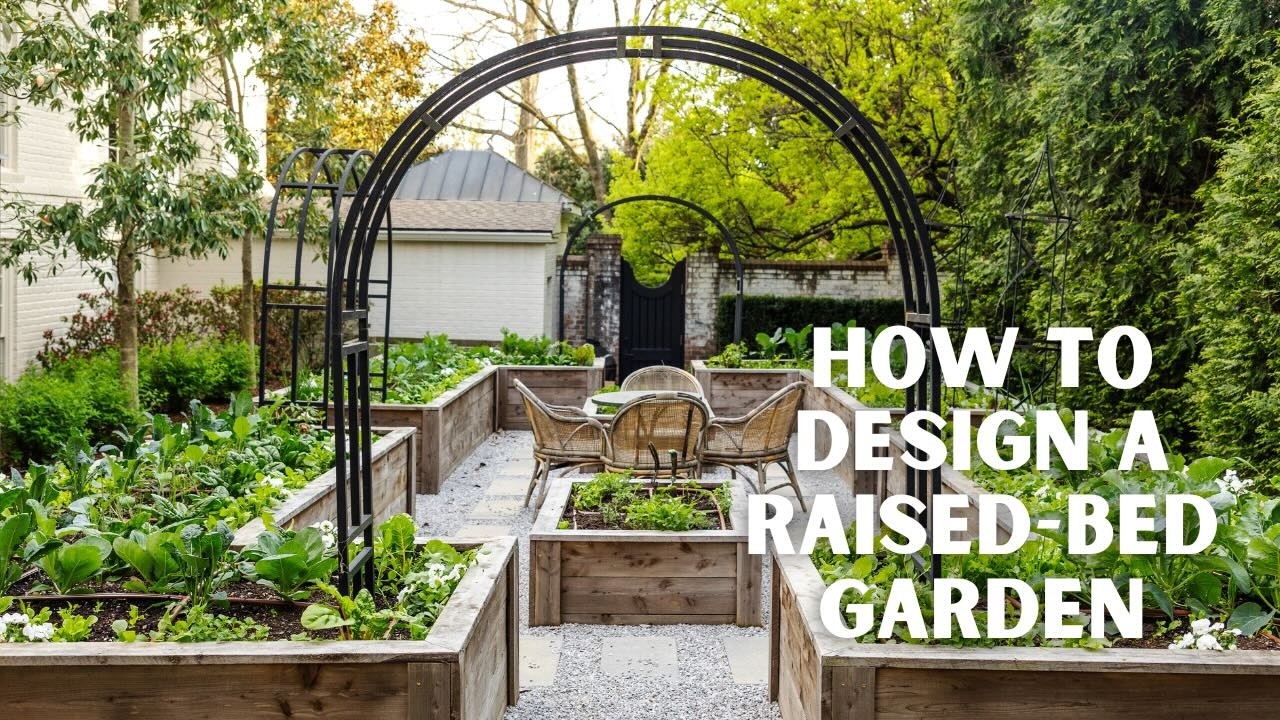
Vertical planting uses tall supports to grow plants upward. This saves ground space for other crops.
Climbing plants like beans, peas, and cucumbers do well vertically. You get more plants in less space.
- Use trellises or poles for climbing plants
- Plant shorter plants at the base
- Place tall plants where they won’t block sunlight
Succession Planting
Succession planting means growing crops one after another in the same space. It keeps your garden productive.
After harvesting one crop, plant another fast-growing one. This fills the bed with plants all season long.
- Start with early crops like lettuce or radishes
- Follow with mid-season crops like beans or carrots
- End with late crops like kale or spinach
Intercropping
Intercropping grows different plants close together. It uses space well and can reduce pests.
Choose plants that help each other. For example, tall plants shade smaller ones or fix nitrogen in soil.
- Plant beans near corn for nitrogen
- Grow carrots with onions to repel pests
- Mix fast and slow-growing plants

Credit: www.vegogarden.com
Seasonal Planting Ideas
Raised garden beds let you grow many plants close together. Choosing the right plants helps them grow well.
Different seasons need different plant groups. Here are some ideas for each season.
Spring Combinations
Spring is great for cool-weather plants. They grow fast and enjoy mild temperatures.
Plant leafy greens and root vegetables together. They use space well and help each other.
- Lettuce and radishes
- Spinach and carrots
- Peas and onions
- Broccoli and beets
Summer Pairings
Summer plants like warmth and sun. Mix tall plants with shorter ones for shade.
Tomatoes and basil grow well together. Beans can climb tall plants, saving space.
- Tomatoes and basil
- Peppers and onions
- Cucumbers and beans
- Eggplant and marigolds
Fall Mixes
Fall plants like cooler weather but still need sun. Choose fast growers before cold.
Mix leafy greens with root crops. Garlic can be added early for next year.
- Kale and carrots
- Swiss chard and beets
- Broccoli and garlic
- Cabbage and radishes
Maintaining Plant Health
Growing plants together in a raised garden bed can improve their health. Proper care helps plants stay strong and resist diseases.
This guide covers key ways to keep your plants healthy through watering, mulching, and pest monitoring.
Watering Techniques
Water plants deeply but less often to encourage strong roots. Use drip irrigation or soaker hoses to reduce water on leaves. This helps prevent fungal problems.
- Water in the early morning to reduce evaporation.
- Check soil moisture before watering again.
- Avoid overwatering to stop root rot.
- Group plants with similar water needs together.
Mulching Benefits
Mulch protects soil and plants by keeping moisture and temperature steady. It also stops weeds and adds nutrients.
| Mulch Type | Benefit | Best Use |
| Wood Chips | Retains moisture | Around shrubs and trees |
| Straw | Prevents weeds | Vegetable beds |
| Grass Clippings | Adds nitrogen | Flower beds |
| Leaves | Improves soil | Compost or garden beds |
Pest Monitoring
Check plants often for pests. Early detection helps stop damage. Use natural ways to control pests when possible.
- Look under leaves for eggs or bugs.
- Use sticky traps to catch flying pests.
- Encourage helpful insects like ladybugs.
- Remove damaged or diseased leaves right away.
Credit: www.youtube.com
Frequently Asked Questions
What Vegetables Grow Well Together In Raised Beds?
Leafy greens like spinach and lettuce pair well with carrots and radishes. Tomatoes grow well alongside basil and onions. Companion planting improves growth and reduces pests in raised garden beds.
Can Herbs Be Planted With Vegetables In Raised Beds?
Yes, herbs like basil, parsley, and cilantro thrive with vegetables. They repel pests and enhance flavors, making them great companions in raised beds.
Which Flowers Help Vegetables In Raised Garden Beds?
Marigolds and nasturtiums attract beneficial insects and repel pests. Planting them near vegetables improves pollination and protects crops naturally in raised beds.
How Do You Space Plants In A Raised Garden Bed?
Space plants according to their mature size to avoid overcrowding. Proper spacing ensures good airflow, reduces disease risk, and promotes healthy growth in raised beds.
Conclusion
Planting compatible vegetables together saves space and helps them grow well. Use the right pairings to keep pests away and boost flavor. Mix tall and short plants to catch sunlight efficiently. Remember to water and care for your raised bed often.
Enjoy watching your garden flourish with smart planting choices. Gardening brings joy and fresh food right to your door. Try different combinations to find what works best for you. Happy gardening!