Have you ever turned on your car’s air conditioner, only to find it blowing warm air or even ice forming on the vents? It’s frustrating and confusing when your AC suddenly freezes up.
But why does this happen? Understanding what causes your car air conditioner to freeze up can save you from discomfort and costly repairs. Keep reading to discover the common reasons behind this issue and how you can fix it before it gets worse.
Your comfort on the road depends on it!
Credit: airchillac.com
How Car Ac Systems Work
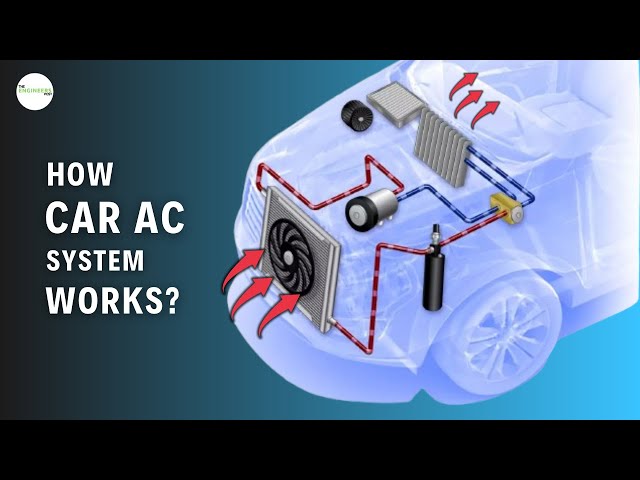
A car air conditioner keeps the vehicle cool by removing heat and moisture from the air. It uses a closed loop system filled with refrigerant to do this job. Understanding this system helps explain why AC units sometimes freeze up.
The main parts of a car AC system include the compressor, condenser, expansion valve, and evaporator. Each part plays a key role in cooling the air inside the car.
Compressor
The compressor pumps refrigerant through the AC system. It compresses the gas, raising its pressure and temperature. This hot gas then moves to the condenser.
Condenser
The condenser cools the hot gas from the compressor. It changes the gas into a high-pressure liquid by releasing heat to the outside air. This liquid then flows to the expansion valve.
Expansion Valve
The expansion valve controls the flow of refrigerant into the evaporator. It lowers the pressure of the refrigerant, turning it into a cold, low-pressure liquid. This cold liquid absorbs heat inside the car.
Evaporator
The evaporator is inside the car’s dashboard. It allows the cold refrigerant to absorb heat from the air inside the car. As the refrigerant warms, it changes back into a gas and returns to the compressor to start again.
- Compressor pumps and compresses refrigerant gas
- Condenser cools gas to liquid by releasing heat
- Expansion valve lowers pressure of liquid refrigerant
- Evaporator absorbs heat from inside air
- Cycle repeats to keep car cool
Low Refrigerant Levels
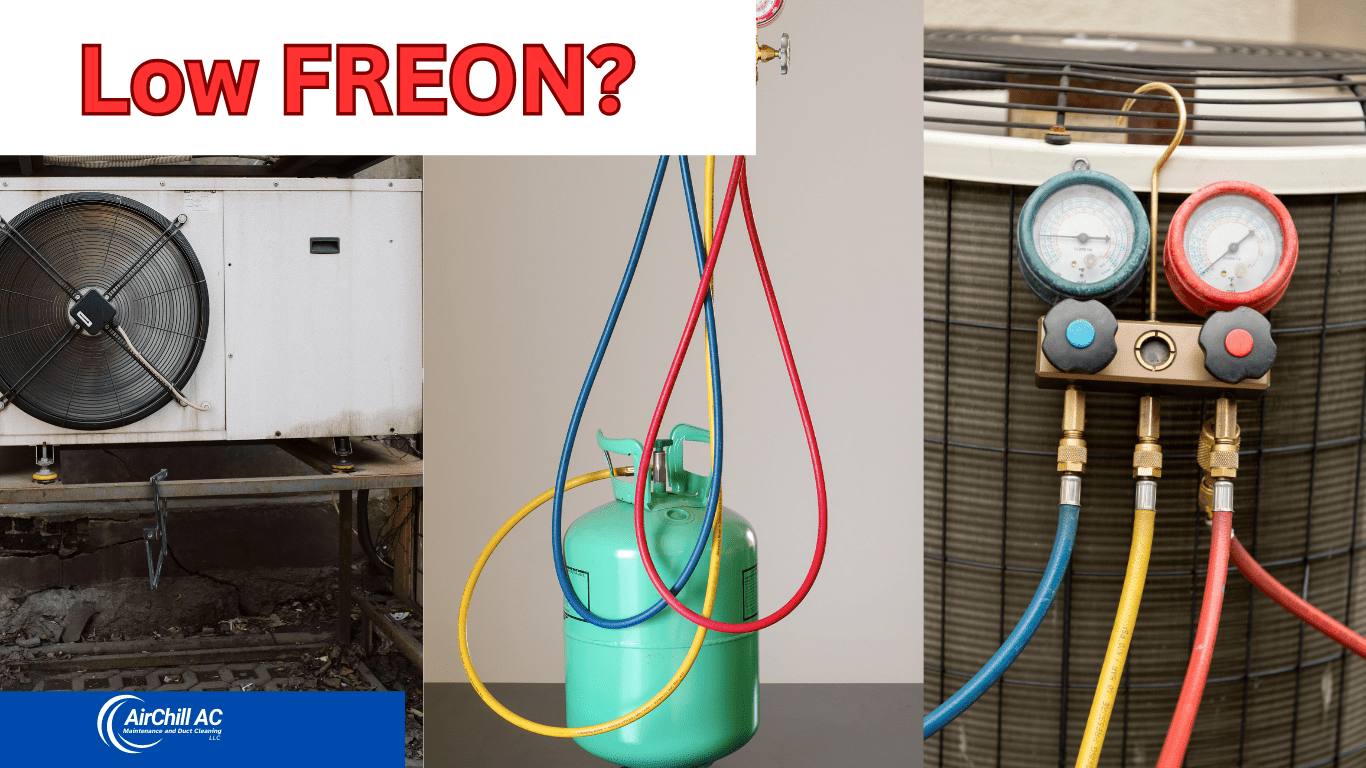
Low refrigerant levels can cause your car air conditioner to freeze up. This happens because the system does not have enough coolant to work properly.
Refrigerant leaks lower the amount of coolant. This makes the AC system struggle to keep the car cool.
Signs Of Refrigerant Leak
You might notice some clear signs that your car has a refrigerant leak. These signs help you detect the problem early.
- The AC blows warm or less cold air than usual
- Hissing or bubbling sounds near AC components
- Visible oily residue on AC parts or hoses
- Ice forming on the AC evaporator or lines
- Car AC takes longer to cool the interior
Impact On Cooling Performance
Low refrigerant reduces the cooling power of the AC. The system freezes up because pressure drops too low.
| Effect | Description |
| Reduced Cooling | Less cold air comes out of vents |
| Freezing Lines | Ice forms on evaporator and hoses |
| Compressor Damage | Low refrigerant causes compressor to overheat |
| Increased Energy Use | System works harder, using more fuel |
Dirty Air Filters
Dirty air filters can cause a car air conditioner to freeze up. They stop air from moving properly inside the system.
When air filters get clogged with dust and debris, the AC cannot work well. This leads to ice forming in the unit.
Clogged Filters And Airflow
Clogged filters block the airflow needed for the AC to cool the car. Poor airflow makes the evaporator coil too cold.
The cold coil causes moisture to freeze, creating ice buildup. This stops the air conditioner from working properly.
- Filters full of dirt reduce air movement
- Less airflow cools the evaporator coil too much
- Ice forms on frozen parts inside the AC
- Frozen AC cannot cool the car air
Maintenance Tips
Regularly changing or cleaning air filters helps keep airflow steady. This prevents the AC from freezing up.
Check your car’s air filter every few months. Replace it if you see dirt or dust buildup.
- Inspect filters for dirt and debris regularly
- Replace dirty filters with new ones on time
- Use recommended filters for your car model
- Keep the AC system clean and dry

Credit: georgeautorepair.com
Faulty Thermostat Settings
The thermostat controls the temperature inside your car’s air conditioner. If the settings are wrong, the system can freeze up. This happens because the AC tries to cool the air too much.
Understanding how thermostat settings affect your AC can help prevent freezing and keep your car comfortable.
Incorrect Temperature Control
Setting the thermostat too low makes the AC work harder than needed. The evaporator coil gets too cold and ice forms on it. This blocks airflow and reduces cooling.
- Thermostat set below recommended levels
- Ignoring gradual temperature changes
- Failing to adjust settings in different weather
Effects On Ac Operation
| Issue | Effect |
| Frozen evaporator coil | Blocks air flow, reduces cooling |
| Thermostat set too low | Causes overcooling and freezing |
| Poor temperature control | Increases wear on AC components |
| Ice buildup | May damage AC system parts |
Blocked Or Closed Vents
A car air conditioner may freeze up if the vents are blocked or closed. This issue stops air from flowing freely. Without airflow, cold air builds up and causes ice to form inside the system.
Understanding vent obstructions and air circulation problems helps fix the freezing issue. Below are two key reasons why blocked or closed vents cause freezing.
Vent Obstructions
Objects or dirt can block the vents in your car. This stops air from moving through the system properly. When vents are blocked, cold air cannot escape. This causes moisture to freeze inside the air conditioner.
- Leaves or debris stuck in vent openings
- Clutter or items placed on or near vents
- Dust and dirt buildup inside vents
- Pets or small animals nesting in vents
Air Circulation Issues
Closed vents reduce airflow inside the car’s air conditioning system. This lowers the air volume moving through the evaporator. Less airflow causes the evaporator to get too cold and freeze.
| Effect | Result |
| Closed or partially closed vents | Reduced air circulation |
| Reduced air circulation | Cold air buildup |
| Cold air buildup | Ice forms on evaporator |
| Ice formation | Air conditioner freezes up |
Malfunctioning Blower Fan
The blower fan in a car air conditioner moves cool air through the vents. If this fan does not work properly, it can cause the air conditioner to freeze up. The freeze happens because the air inside the system does not flow well.
A bad blower fan stops air from moving over the evaporator coil. This makes the coil too cold and causes ice to form. Understanding the fan issues helps fix the freezing problem.
Fan Speed Problems
The blower fan speed controls how much air flows inside the car. If the fan speed is too low, the air does not move fast enough. This slow airflow lets the evaporator get too cold and freeze.
Sometimes, the fan speed control switch or resistor fails. This causes the fan to run at the wrong speed or not at all. The wrong fan speed leads to ice buildup on the air conditioner parts.
- Low fan speed reduces airflow
- Inconsistent speed causes freezing
- No airflow stops cooling completely
Consequences For Cooling
If the blower fan does not work, the air conditioner cools less or not at all. Ice on the evaporator blocks air from passing through. This makes the car’s inside warmer instead of cooler.
Frozen parts also damage the air conditioner system. The compressor can overheat and fail. Repair costs rise if the blower fan problem is not fixed quickly.
- Reduced cooling performance
- Ice blocks air vents
- Possible damage to compressor
- Higher repair costs over time
Moisture And Humidity Factors
Car air conditioners can freeze due to moisture and humidity inside the system. Moisture builds up and causes ice to form on the cooling coils. This ice blocks airflow and stops the AC from working properly.
Understanding how moisture and humidity affect your car’s AC helps you prevent freezing problems. Two main factors to look at are excess moisture build-up and its role in freezing.
Excess Moisture Build-up
Excess moisture comes from humid air entering the AC system. When warm, humid air hits the cold evaporator coil, water vapor turns into liquid water inside the system. This water can freeze if the temperature drops low enough.
- Leaky door seals let humid air inside the car.
- Clogged or dirty air filters reduce airflow and trap moisture.
- Low refrigerant levels cause the evaporator coil to get too cold.
- Blocked drainage tubes stop water from leaving the system.
Role In Freezing
| Cause | Effect on AC System |
| High humidity air inside car | More moisture condenses on evaporator coil |
| Water buildup on coils | Freezes and blocks airflow |
| Blocked drain tubes | Water stays and freezes inside system |
| Low refrigerant | Coil temperature drops too low, causing ice |

Credit: www.reddit.com
Compressor And Pressure Issues
A car air conditioner can freeze up due to problems in the compressor and pressure system. These parts control the flow and temperature of the refrigerant.
Understanding these issues helps find the cause of freezing and prevents damage to the AC system.
Compressor Failures
The compressor pumps refrigerant through the AC system. If it fails, the refrigerant flow slows or stops. This can cause ice to form inside the system.
- Worn out compressor parts reduce pressure
- Electrical faults stop the compressor from running
- Low oil levels cause the compressor to seize
- Internal leaks lower compressor efficiency
Regular checks and maintenance help avoid these failures and keep the AC working well.
Pressure Imbalances
Pressure inside the AC system must stay balanced. Too high or too low pressure can cause the evaporator to freeze.
| Pressure Issue | Cause | Effect |
| High Pressure | Blocked condenser or fan failure | Refrigerant flow slows, ice forms |
| Low Pressure | Refrigerant leak or low refrigerant level | Evaporator gets too cold, freezing occurs |
| Uneven Pressure | Faulty expansion valve or clogged filter | Inconsistent cooling and ice buildup |
Fixing pressure problems requires checking for leaks, cleaning parts, and replacing worn components.
Preventive Measures
A car air conditioner freezing up is a common issue that can reduce cooling performance. Taking preventive measures can help avoid this problem and keep your AC running smoothly.
Understanding how to maintain your AC system and apply quick fixes can save you time and money. This guide covers regular servicing tips and simple actions to prevent freezing.
Regular Ac Servicing
Regular maintenance keeps your car air conditioner in good shape and prevents freezing. Checking key parts and cleaning your system can stop problems early.
- Inspect and replace the cabin air filter every 12,000 miles or as needed.
- Check refrigerant levels and refill if low to avoid ice buildup.
- Clean the condenser coils to improve airflow and heat exchange.
- Examine the AC compressor for proper function and leaks.
- Ensure all AC system hoses are free of damage or blockages.
Quick Fixes For Freezing
If your air conditioner freezes up, try these quick fixes to restore normal function. These steps help clear ice and prevent further freezing.
| Issue | Fix | Why It Works |
|---|---|---|
| Dirty air filter | Replace or clean filter | Improves airflow, reduces ice formation |
| Low refrigerant | Refill refrigerant | Maintains pressure, stops freezing |
| Blocked vents | Clear obstructions | Allows proper air circulation |
| Thermostat stuck | Reset or replace thermostat | Prevents overcooling and ice buildup |
Frequently Asked Questions
Why Does My Car Ac Freeze Up Sometimes?
A car AC freezes due to low refrigerant levels or poor airflow. Blocked air filters or dirty evaporator coils restrict air movement. These issues cause the evaporator to get too cold, freezing moisture inside and leading to ice buildup.
How Does Low Refrigerant Cause Ac Freezing?
Low refrigerant reduces pressure in the AC system, causing the evaporator to drop below freezing. This temperature drop freezes moisture on the evaporator coil. Without enough refrigerant, the AC cannot maintain proper cooling, leading to freeze-up and reduced performance.
Can A Dirty Air Filter Cause Ac Freezing?
Yes, a dirty air filter limits airflow over the evaporator coil. Reduced airflow causes the coil to become too cold and freeze moisture inside. Regularly replacing or cleaning air filters prevents this problem and keeps your AC running smoothly.
What Role Does The Blower Fan Play In Ac Freezing?
The blower fan circulates air over the evaporator coil. If the fan is faulty or slow, airflow decreases, causing the coil to freeze. Ensuring the blower fan is working properly helps prevent ice buildup and maintains efficient cooling.
Conclusion
Fixing a frozen car AC is easier with the right knowledge. Regular maintenance helps prevent future issues. Check your refrigerant levels often. Clean or replace the air filters. These simple steps can make a big difference. A frozen AC often means something is wrong.
Address it early to avoid bigger problems. Keep your car cool and comfortable. Enjoy your drives without worrying about the AC freezing. Stay informed and keep your car in top shape. Happy driving!