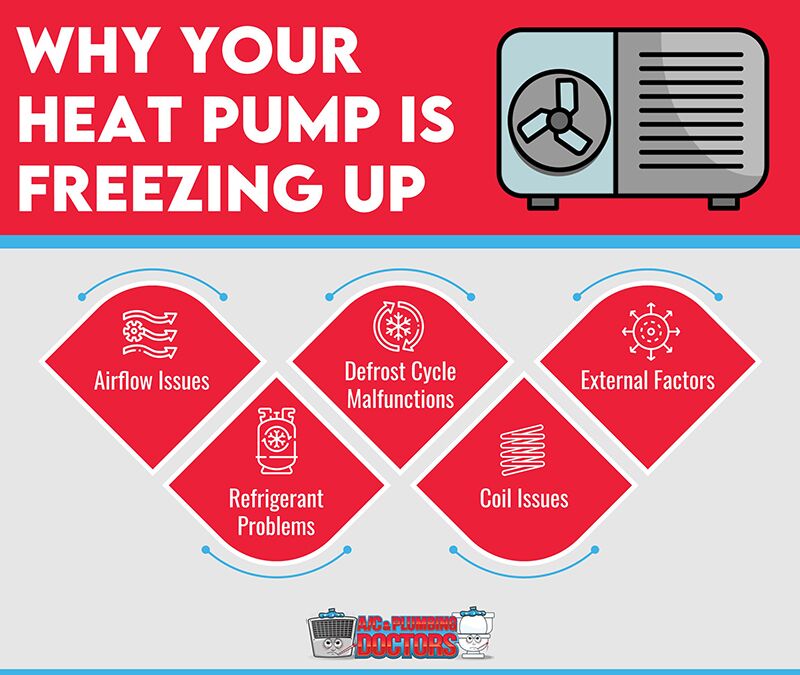
Imagine it’s a sweltering summer day and your central air conditioner suddenly stops working. You check the unit, and to your surprise, you find ice covering the coils.
This common issue can leave you feeling hot and bothered, but understanding what causes a central air conditioner to freeze up is the first step towards a cool solution. Have you ever wondered why this happens and what you can do to prevent it?
You’re not alone. Many homeowners face this chilling problem and are left searching for answers. You’ll discover the surprising reasons behind this icy dilemma and learn how to keep your cool all summer long. So, if you’re ready to turn up the comfort and turn down the frustration, keep reading.

Credit: www.advantageairtech.com
Common Signs Of A Frozen Ac
A central air conditioner can freeze up for many reasons. Recognizing the signs early helps avoid bigger problems. Frozen AC units lose efficiency and may stop cooling your home.
Look for visible clues and listen for unusual sounds. These signs point to ice buildup and airflow issues. Understanding these symptoms can help you act quickly.
Visible Ice On Coils
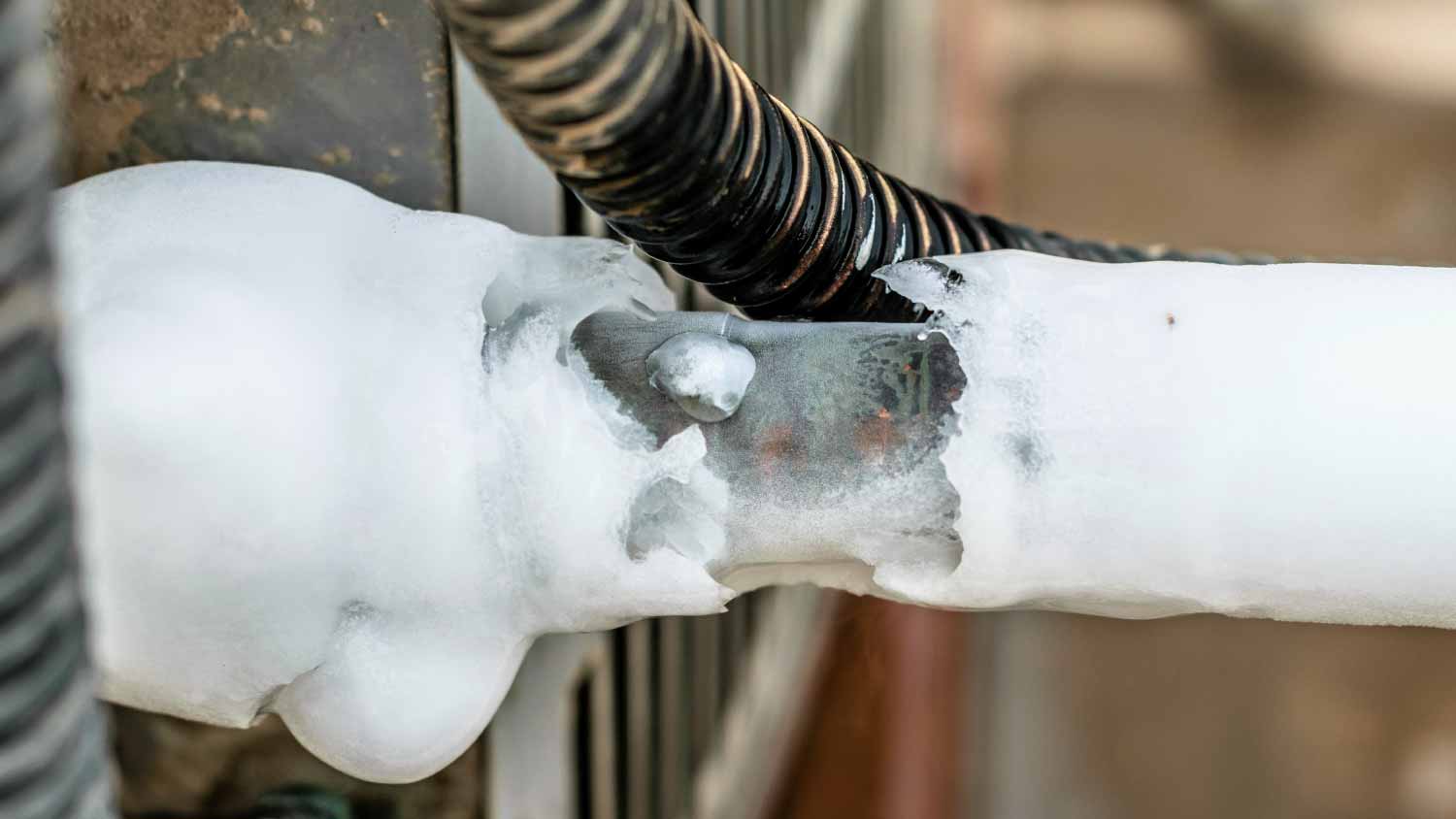
One clear sign of a frozen AC is ice on the evaporator coils. This ice looks like frost or thick white ice covering metal parts inside the unit.
- Ice blocks airflow through the coils.
- It reduces the AC’s ability to cool the air.
- Ice can cause damage if not removed quickly.
Reduced Airflow
When your AC freezes, the airflow drops noticeably. You may feel less cool air coming from vents or the air may feel weak.
| Cause | Effect on Airflow |
| Frozen coils | Blocks air passage |
| Dirty air filters | Restricts air movement |
| Low refrigerant | Reduces cooling power |
Unusual Noises
Frozen AC units may make strange sounds. These noises come from ice blocking parts or the system working harder than normal.
- Hissing or bubbling sounds from refrigerant flow.
- Clanking noises due to ice hitting moving parts.
- Whining from the compressor under strain.
Low Refrigerant Levels
Low refrigerant is a common cause of air conditioners freezing up. Refrigerant is the fluid that cools the air inside your home. If the levels drop, the system cannot cool properly.
When refrigerant is low, the cooling coils get too cold. This causes moisture to freeze on the coils, leading to ice buildup and freezing issues.
How Refrigerant Affects Cooling
Refrigerant absorbs heat from your home’s air and carries it outside. Proper refrigerant levels keep this process smooth and efficient. Low levels reduce cooling power and cause the system to work harder.
- Low refrigerant lowers pressure in the system
- Lower pressure drops coil temperature below freezing
- Moisture freezes on coils, blocking airflow
- Frozen coils reduce cooling and can damage the unit
Leaks And Their Impact
Leaks cause refrigerant to escape from the system. This lowers refrigerant levels and leads to freezing problems. Detecting and fixing leaks is key to preventing damage.
| Leak Cause | Effect on Air Conditioner |
| Corroded coils | Slow refrigerant loss, freezing coils |
| Damaged fittings | Rapid refrigerant drop, system shut down |
| Worn seals | Minor leaks, gradual performance drop |
Poor Airflow Issues
Poor airflow is a common reason why central air conditioners freeze up. When air does not flow properly, the system struggles to work well. This causes the cooling coils to get too cold and ice to form.
Several factors can block or reduce airflow. These include dirty air filters, blocked vents, and problems with the blower fan. Each issue stops air from moving freely through the system.
Dirty Air Filters
Air filters catch dust and dirt before air enters the AC. When filters get dirty, air cannot flow through easily. This makes the system work harder and causes the coils to freeze.
Changing or cleaning air filters regularly keeps air moving well. Clean filters help the AC run smoothly and stop freezing problems.
Blocked Vents And Registers
Vents and registers deliver cooled air into rooms. If they are blocked by furniture or dust, airflow is limited. This reduces the amount of air passing through the system.
Clear vents and registers allow air to flow freely. This prevents the cooling coils from getting too cold and freezing.
- Keep furniture away from vents
- Clean dust from vents regularly
- Make sure registers are fully open
Malfunctioning Blower Fan
The blower fan moves air over the cooling coils and into your home. If the fan does not work well, airflow drops. This causes the coils to freeze and the AC to stop cooling properly.
Problems with the blower fan can include a broken motor or loose belt. Fixing these parts helps restore airflow and stops freezing issues.
Credit: www.angi.com
Thermostat Problems
A central air conditioner may freeze up due to thermostat problems. The thermostat controls the temperature and signals the AC unit to run or stop.
If the thermostat does not work properly, it can cause the system to run too long or not enough. This imbalance may lead to ice buildup on the AC coils.
Incorrect Temperature Settings
Setting the thermostat too low can cause the air conditioner to run nonstop. This constant running lowers the temperature too much, causing the coils to freeze.
- Thermostat set below 72°F can overwork the AC
- Sudden changes to very cold settings can cause freezing
- Not adjusting the thermostat when outside temperature changes
Sensor Malfunctions
The thermostat sensor detects room temperature and helps the system adjust. If the sensor is broken or out of place, it gives wrong data.
| Sensor Issue | Effect on AC |
| Sensor too close to cooling coil | False low temperature reading, causing freezing |
| Sensor damaged or faulty | Incorrect temperature signals, leading to long run times |
| Loose sensor wiring | Intermittent signals, causing inconsistent AC operation |
Mechanical Failures
Mechanical failures can cause a central air conditioner to freeze up. These failures stop parts from working well. This leads to ice forming inside the system.
Understanding these problems helps fix the AC and prevent damage. Two common issues are frozen evaporator coils and compressor problems.
Frozen Evaporator Coil
The evaporator coil cools the air in your home. It can freeze if there is low airflow or low refrigerant levels. Ice blocks the coil and stops cooling.
Mechanical problems like a broken fan or dirty filters reduce airflow. This causes the coil to get too cold and freeze.
- Broken blower fan reduces air movement
- Dirty air filters block airflow
- Low refrigerant due to leaks
- Faulty thermostat causing wrong temperature
Compressor Issues
The compressor pumps refrigerant through the AC system. If it fails, the refrigerant flow stops. This can cause the evaporator coil to freeze.
Mechanical faults like motor problems or electrical failures can damage the compressor. This leads to poor cooling and ice buildup.
- Worn-out compressor motor
- Electrical shorts or tripped breakers
- Stuck compressor valves
- Overheating due to lack of maintenance
Environmental Factors
Central air conditioners can freeze up due to many reasons. One main cause is the environment around the unit. Weather and humidity affect how well the system works.
Understanding these environmental factors helps prevent freezing. It also improves the air conditioner’s performance and lifespan.
Extreme Weather Conditions
Very hot or cold weather can make central air conditioners freeze. When temperatures drop too low, the refrigerant pressure falls. This causes ice to form on the coils.
- Cold weather below 60°F can freeze the unit.
- Sudden temperature drops increase freeze risk.
- Extreme heat makes the system work harder, risking freeze from strain.
- Windy or stormy weather can affect airflow and cause freezing.
Humidity Levels
High or low humidity also causes freezing problems. Moist air can form condensation that freezes on cold parts of the system.
| Humidity Level | Effect on AC |
| High (above 60%) | More condensation, higher freeze risk |
| Moderate (30%–60%) | Normal operation, low freeze risk |
| Low (below 30%) | Dry air, less condensation but possible coil icing |
Maintenance Tips To Prevent Freezing
Central air conditioners can freeze up due to poor maintenance. Keeping your system clean and checked helps it run smoothly.
Freezing often happens when airflow is blocked or parts get dirty. Regular care stops these problems early.
Regular Filter Replacement
Dirty filters block air and cause the system to freeze. Change filters every 1 to 3 months to keep air flowing well.
Use the right filter size and type for your unit. This helps trap dust and keeps the air clean.
- Check filters monthly
- Replace if dirty or clogged
- Use high-quality filters
- Follow manufacturer recommendations
Professional Inspections
Schedule yearly check-ups with a trained technician. They find problems before they cause freezing.
Technicians check refrigerant levels and system parts. They clean and fix any issues to keep the AC running well.
- Inspect refrigerant charge
- Test thermostat function
- Check electrical connections
- Look for leaks or blockages
Cleaning Coils And Components
Dirty coils reduce cooling and cause freezing. Clean evaporator and condenser coils regularly.
Remove dust and debris from fans and other parts. Clean components help air flow and heat transfer work better.
- Turn off power before cleaning
- Use soft brushes or coil cleaner
- Clear debris around outdoor unit
- Keep drain lines free of clogs

Credit: www.lexairconditioning.com
Frequently Asked Questions
Why Does My Central Ac Freeze Up Suddenly?
Central AC freezes due to restricted airflow, low refrigerant levels, or dirty filters. These issues cause coil temperatures to drop below freezing, leading to ice buildup and system malfunction.
Can Dirty Air Filters Cause Ac Freezing?
Yes, dirty air filters block airflow, causing the evaporator coil to get too cold. This leads to ice forming and eventually freezing your central air conditioner.
How Does Low Refrigerant Cause Ac To Freeze?
Low refrigerant reduces pressure in the AC system, causing the evaporator coil to get too cold. This temperature drop causes moisture to freeze, leading to a frozen central air conditioner.
Does A Malfunctioning Blower Fan Cause Ac Freezing?
A faulty blower fan reduces airflow over the evaporator coil. Without proper airflow, the coil temperature drops, causing ice to form and the AC unit to freeze up.
Conclusion
A frozen air conditioner often means poor airflow or low refrigerant. Dirty filters and blocked vents can cause freezing. Low refrigerant levels reduce cooling and make ice form. Fixing these problems keeps your AC working well. Regular maintenance helps avoid freezing issues.
Watch for signs like weak cooling or ice buildup. Acting fast can save repair costs. Keep your home cool and comfortable all summer long.