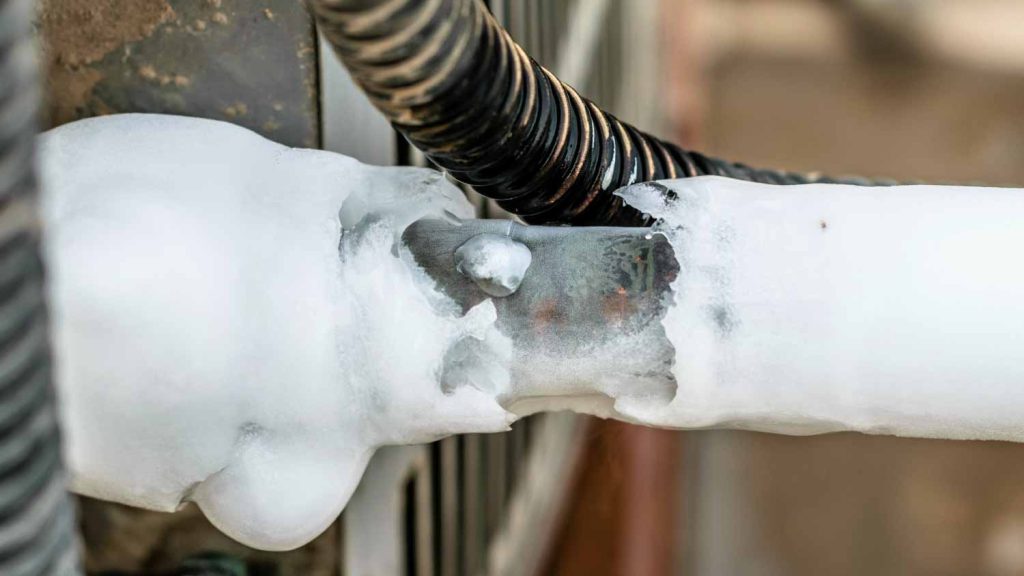
Have you ever noticed your mini split air conditioner covered in ice and wondered what’s going on? A frozen mini split can stop working properly, leaving your space uncomfortable and your energy bills higher.
Understanding what causes your mini split to freeze up is the first step to fixing the problem quickly. You’ll discover the common reasons behind freezing issues and simple tips to keep your system running smoothly. Keep reading to make sure your mini split stays cool and efficient all year round.
Common Signs Of A Frozen Mini Split
Recognizing the signs of a frozen mini split helps prevent bigger problems. Early detection saves money and keeps your home comfortable. Watch for changes in how your unit looks and sounds. These signs often point to ice buildup and other issues.
Ice Formation On The Evaporator Coil
Check the evaporator coil regularly. A frozen coil looks white or frosty. Ice may cover parts of the coil fully or in patches. This ice stops heat exchange, reducing the unit’s ability to cool your room.
Reduced Airflow And Cooling Efficiency
Notice if the airflow feels weaker than usual. The air coming out may be less cold. A frozen coil blocks the air, causing poor cooling. You might need to run the unit longer to feel any cool air.
Unusual Noises From The Unit
Listen for strange sounds during operation. A frozen mini split may make gurgling or hissing noises. Sometimes, you hear banging or rattling caused by ice affecting parts inside. These noises indicate the system is struggling to work properly.
Low Refrigerant Levels
Low refrigerant levels are a common cause of mini split units freezing up. Refrigerant is the substance that absorbs heat from the air inside your home. It moves through the system and cools the air as it evaporates. Without enough refrigerant, the system cannot work properly. This leads to ice buildup on the coils and other parts.
When refrigerant levels drop, the pressure inside the system changes. This affects how well the mini split can cool your home. Understanding this helps you spot problems early and avoid costly repairs.
How Leaks Affect Refrigerant Pressure
Leaks allow refrigerant to escape from the system. This lowers the pressure inside the coils. Low pressure causes the refrigerant to evaporate too quickly. Rapid evaporation makes the coils colder than usual. This cold temperature causes moisture in the air to freeze on the coils.
Leaks also let air and moisture enter the system. Moisture can mix with refrigerant and damage the unit. This further reduces cooling efficiency and increases the chance of freezing.
Impact On Cooling Performance
Low refrigerant levels reduce the mini split’s ability to cool air. The unit struggles to remove heat from your home. This makes the air feel warmer even when the system runs.
Ice buildup on the coils blocks airflow. Blocked airflow lowers cooling power and causes the system to work harder. This uses more energy and raises your electricity bill.
Ignoring low refrigerant can cause permanent damage to your mini split. Regular maintenance and timely repairs keep the system running smoothly.
Dirty Air Filters And Coils
Dirty air filters and coils are common reasons a mini split system freezes up. These parts play a crucial role in keeping air flowing and heat transferring efficiently. When they get dirty, the system struggles to work properly. Dirt blocks airflow and reduces cooling efficiency. This causes temperatures to drop too low, leading to ice formation on the unit.
Clogged Filters Restricting Airflow
Air filters catch dust and particles from the air. Over time, these filters fill up and become clogged. Clogged filters stop air from moving freely through the system. Less airflow means the evaporator coil gets too cold. This cold coil causes moisture in the air to freeze on the coil’s surface. The buildup of ice blocks more air, making the problem worse.
Regularly cleaning or changing air filters keeps airflow steady. Good airflow prevents freezing and keeps the mini split working well.
Dust And Debris On Coils
Coils transfer heat between the air and refrigerant. Dust and debris can settle on these coils. This layer acts like insulation, reducing heat transfer. When coils stay dirty, the refrigerant stays colder than normal. Cold refrigerant causes ice to form on the coils.
Cleaning coils removes dust and debris. Clean coils help heat flow properly and stop freezing issues.

Credit: a1heating.com
Blocked Or Obstructed Airflow
Blocked or obstructed airflow is a common reason why mini splits freeze up. Air needs to move freely through the system to work well. When airflow is limited, the cold air builds up and causes ice to form on the coils. This stops the system from cooling properly and can cause damage over time.
Furniture And Objects Near Vents
Placing furniture or objects close to vents blocks airflow. Air cannot flow smoothly if something is in front of the vent. This leads to uneven cooling and ice buildup. Keep at least a few feet of space around vents. Clear any items that might stop air from moving freely.
Dirty Or Closed Vents
Dust and dirt clog vents and filters. This limits the air passing through the mini split. Closed vents also reduce airflow, causing the system to freeze. Regularly clean vents and filters to avoid blockages. Always keep vents open for best air circulation.
Thermostat And Sensor Issues
Thermostat and sensor issues are often overlooked reasons why your mini split might be freezing up. These components play a crucial role in regulating temperature and ensuring the system runs smoothly. If they malfunction, your mini split can get confused about the actual room temperature and react in ways that cause ice buildup.
Faulty Temperature Sensors
Temperature sensors tell your mini split how warm or cold the air is. If a sensor is broken or dirty, it might send the wrong information to the system. This can cause the unit to run longer than necessary, leading to freezing.
Imagine your sensor thinks the room is colder than it really is. Your mini split will keep cooling, even though it should stop. Checking the sensor’s condition and cleaning or replacing it can quickly fix this problem.
Incorrect Thermostat Settings
Have you ever set your thermostat too low on a chilly day? Setting the temperature too low forces the mini split to work harder than needed. This extra strain can cause the coils to freeze up.
Another common issue is leaving the system on a cooling mode when the outdoor temperature is very low. This mismatch makes the system struggle and freeze. Adjusting your thermostat to match the current weather and your comfort level can prevent freezing and save energy.
Fan Problems
Fan problems often cause a mini split to freeze up. Fans move air across the coils. This air prevents ice from forming. If the fans stop working properly, ice builds up quickly. Both the indoor and outdoor fans play important roles. Each can lead to freezing issues when faulty.
Malfunctioning Indoor Fan
The indoor fan circulates warm air inside your room. If it stops or slows down, airflow drops. Poor airflow chills the coil, causing ice to form. Dust and dirt can clog fan blades. This makes the fan work harder or stop. Electrical problems can also cause the fan motor to fail. A broken indoor fan leads to uneven cooling and ice buildup.
Outdoor Unit Fan Issues
The outdoor fan removes heat from the refrigerant. If this fan does not run correctly, heat stays trapped. The coil temperature drops, causing frost or ice. Dirt, debris, or damaged blades can block the outdoor fan. Motor failure or electrical faults also cause fan stoppage. Without proper airflow outside, the mini split freezes up fast.
Environmental Factors
Environmental factors play a significant role in causing your mini split to freeze up. These factors affect how your system operates and can lead to ice buildup if not managed properly. Understanding these influences helps you prevent freezing and maintain efficient cooling or heating.
Operating In Extremely Cold Temperatures
Mini splits are designed to work within specific temperature ranges. If the outdoor temperature drops too low, the system’s refrigerant pressure can fall, causing frost or ice to form on the coils.
Imagine using your mini split during a chilly winter night without the proper cold-weather settings activated. The system struggles to maintain efficiency, and ice buildup becomes almost inevitable.
To avoid this, check if your unit has a low ambient temperature mode or defrost cycle. Using these features can prevent freezing and extend your system’s lifespan.
High Humidity Effects
High humidity levels increase the moisture in the air around your mini split. This moisture can condense on cold surfaces, like the evaporator coil, and freeze when temperatures drop.
If you live in a humid climate, your mini split may freeze more frequently, especially during continuous operation. It’s like the system is constantly battling extra moisture, which it wasn’t designed to handle nonstop.
Consider using a dehumidifier alongside your mini split or adjusting the fan speed to reduce moisture buildup. These small changes can make a big difference in preventing freeze-ups and keeping your home comfortable.

Credit: innovair.com
Maintenance Tips To Prevent Freezing
Preventing a mini split from freezing up requires regular maintenance. Small efforts keep the system working efficiently and avoid costly repairs. Simple care routines help maintain airflow and proper refrigerant levels. These tasks improve the system’s lifespan and performance.
Regular Filter Cleaning And Replacement
Dirty filters block airflow. This causes the mini split to freeze. Clean filters every month during heavy use. Replace filters if they look worn or damaged. Clear filters improve air circulation and reduce strain on the system. This simple step keeps the coils from freezing and maintains indoor air quality.
Scheduled Professional Inspections
Experts check the mini split for hidden issues. They inspect refrigerant levels, coils, and electrical parts. Professional visits catch problems early before freezing occurs. Schedule inspections once or twice a year. Technicians also clean hard-to-reach areas. Timely service keeps the mini split running smoothly and prevents ice buildup.

Credit: www.delcohvac.com
Frequently Asked Questions
Why Does My Mini Split Freeze Up Frequently?
Mini splits freeze due to restricted airflow, dirty filters, or low refrigerant levels. These issues cause the evaporator coil to get too cold and ice to form, blocking airflow and reducing efficiency.
How Does Low Refrigerant Cause Mini Split Freezing?
Low refrigerant lowers pressure in the coil, dropping its temperature below freezing. This causes moisture in the air to freeze on the coil, leading to ice buildup and system freezing.
Can Dirty Air Filters Lead To Mini Split Freezing?
Yes, dirty air filters block airflow, causing the evaporator coil to become too cold. This results in ice formation on the coil and can cause the mini split to freeze.
What Role Does Airflow Play In Mini Split Freezing?
Proper airflow prevents the evaporator coil from freezing. Poor airflow, due to blockages or dirty filters, causes cold spots and ice buildup, leading to freezing issues.
Conclusion
Understanding why mini splits freeze up helps prevent future problems. Regular maintenance is key. Clean filters and coils often. Check refrigerant levels. Ensure proper airflow. These steps keep your system efficient. Avoid costly repairs with simple checks. A well-maintained unit lasts longer.
Saves money too. Stay alert for warning signs. Ice on coils? Act quickly. A little effort goes a long way. Keep your mini split running smoothly. Enjoy comfort year-round. Happy cooling!