
Is your refrigerator leaking water onto the floor? That drip or puddle might seem small, but it can quickly turn into a big problem.
You might wonder, what causes a refrigerator to leak? Understanding the reasons behind this common issue can save you time, money, and frustration. You’ll discover the most frequent causes of leaks and simple ways to fix them. Keep reading to protect your fridge and your home from water damage.
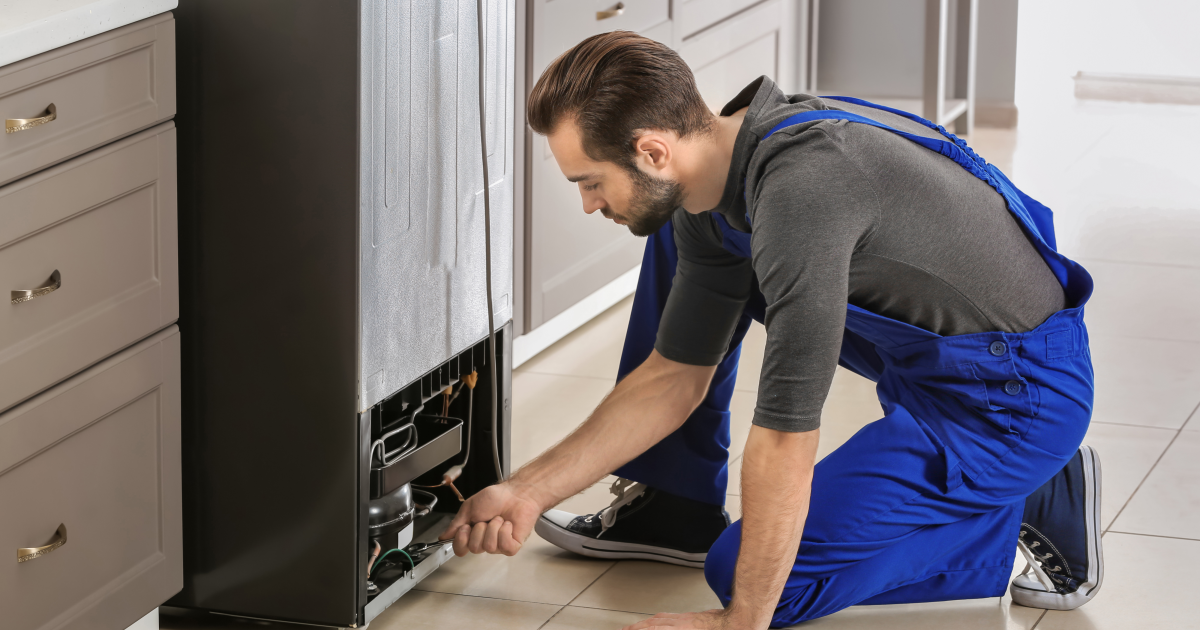
Credit: dengarden.com
Common Leak Sources
Leaks from your refrigerator can be frustrating and messy. Understanding where these leaks commonly come from can help you fix the problem quickly and avoid costly repairs. Let’s look at some typical sources that cause your fridge to drip or puddle water on the floor.
Clogged Defrost Drain
One of the most frequent causes of leaks is a clogged defrost drain. This drain carries melted water from the defrost cycle to a drip pan underneath the fridge.
If the drain gets blocked by food particles or ice, water backs up and spills inside your fridge or onto the floor. Have you noticed water pooling inside the fridge or at the back? Clearing the drain with warm water or a pipe cleaner often solves this issue.
Damaged Door Seals
Your refrigerator’s door seals keep cold air in and moisture out. When these seals wear out or crack, warm air sneaks in, causing condensation to form inside the fridge.
This excess moisture can drip down and look like a leak. Check your door seals for cracks or gaps by closing the door on a piece of paper—if it slips out easily, the seal may need replacing.
Cracked Drain Pan
The drain pan collects water that drips down from the defrost drain. Over time, this pan can develop cracks or holes.
When that happens, water leaks onto the floor instead of staying contained. Inspect the pan regularly and replace it if you find any damage to prevent unexpected puddles.
Faulty Water Filter
If your refrigerator has a water dispenser or ice maker, the water filter plays a key role. A loose or damaged filter can cause water to leak inside the fridge or on the floor.
Have you changed the filter recently? Ensuring it’s correctly installed and not expired can stop leaks and improve water quality.
Blocked Ice Maker Line
Ice makers rely on a water line that can get blocked or frozen, leading to leaks. When the line is obstructed, water may overflow or drip where it shouldn’t.
Try checking the water line for ice buildup or kinks, especially if you notice water pooling near the ice maker. Thawing or straightening the line often fixes the problem quickly.
Signs Of Leakage
Water pooling under or inside the refrigerator signals a leak. Frost buildup or damp spots around seals often point to drainage issues. Strange odors or frequent dripping sounds may also indicate a problem.
Noticing water leaking from your refrigerator can be alarming, but before you panic, it’s essential to understand the signs of leakage. Identifying these signs early can save you from potential damage and costly repairs. Let’s explore the different indicators that your refrigerator might be leaking.Water Pooling Inside
When you open your fridge, do you notice small puddles forming at the bottom or on the shelves? This is a classic sign of internal leakage. It often results from a clogged defrost drain or a damaged water line. Regularly check inside your refrigerator to catch this issue early.Puddles Around Appliance
Finding water on the floor around your refrigerator can be frustrating, especially when you’re unsure of the source. This could indicate a problem with the fridge’s drainage system or a faulty water filter. Ensure you inspect the area frequently to prevent water damage to your floors.Frost Buildup
Frost accumulating in your freezer might seem harmless, but it can be a sign of a leaking issue. This typically happens when there’s poor sealing or a problem with the defrost system. Keep an eye out for excess frost, and consider defrosting your freezer regularly to maintain its efficiency.Unusual Odors
Have you ever opened your fridge and been greeted by an unexpected musty smell? This could be due to water leaking and pooling in hidden areas, encouraging mold growth. Regular cleaning and maintenance can help you avoid such unwanted odors. By being vigilant and recognizing these signs, you can address potential leaks before they turn into significant problems. Have you ever experienced any of these issues with your refrigerator? If so, how did you tackle them?Quick Fixes
Dealing with a leaking refrigerator can be frustrating, but many causes have straightforward fixes you can try yourself. These quick actions often save you time and money by preventing a small drip from turning into a bigger problem. Let’s look at some practical solutions that might stop the leak fast.
Unclogging The Drain
Sometimes, the drain hole inside your fridge gets blocked with food particles or ice. This blockage causes water to pool and eventually leak out. You can clear it by locating the drain hole and gently pushing a pipe cleaner or a small brush through to remove the clog.
After clearing, pour a small amount of warm water down the drain to ensure it flows freely. Have you checked if your fridge’s drain hole feels sticky or slow to drain lately? This simple step often solves leaks caused by clogging.
Replacing Door Seals
The door seals (gaskets) keep cold air in and moisture out, but old or cracked seals can let water escape. Check your door seals for any tears or stiffness by pressing your hand against them; if you feel gaps or air leaks, it’s time to replace them.
New seals are usually affordable and easy to install with basic tools. Keeping your door seals in good shape helps maintain the fridge’s efficiency and prevents water from leaking onto the floor.
Fixing Or Replacing Drain Pan
The drain pan collects water that drips from the fridge’s defrost cycle. If it’s cracked, overflowing, or misaligned, water can leak onto your floor. Inspect the pan underneath your fridge for damage or excess water and clean it regularly.
If damaged, replacing the drain pan is a simple and inexpensive repair that can stop leaks immediately. Have you ever noticed water pooling under your fridge after defrosting? Checking the drain pan should be your first move.
Changing Water Filter
A worn-out or improperly installed water filter can cause leaks around the filter area. Check your fridge’s manual to locate and replace the filter every six months or as recommended.
Make sure the new filter clicks in place securely to avoid drips. Have you replaced your water filter recently? Doing so can prevent leaks and improve water quality.
Clearing Ice Maker Line
If your fridge has an ice maker, its water line can become clogged or frozen, causing leaks. Carefully inspect the line for ice buildup or blockages and thaw frozen sections using a hairdryer on a low setting.
Ensure the water supply valve is fully open and the line is properly connected. Could a blocked ice maker line be the hidden cause of your leak? Clearing it might restore smooth water flow and stop the dripping.
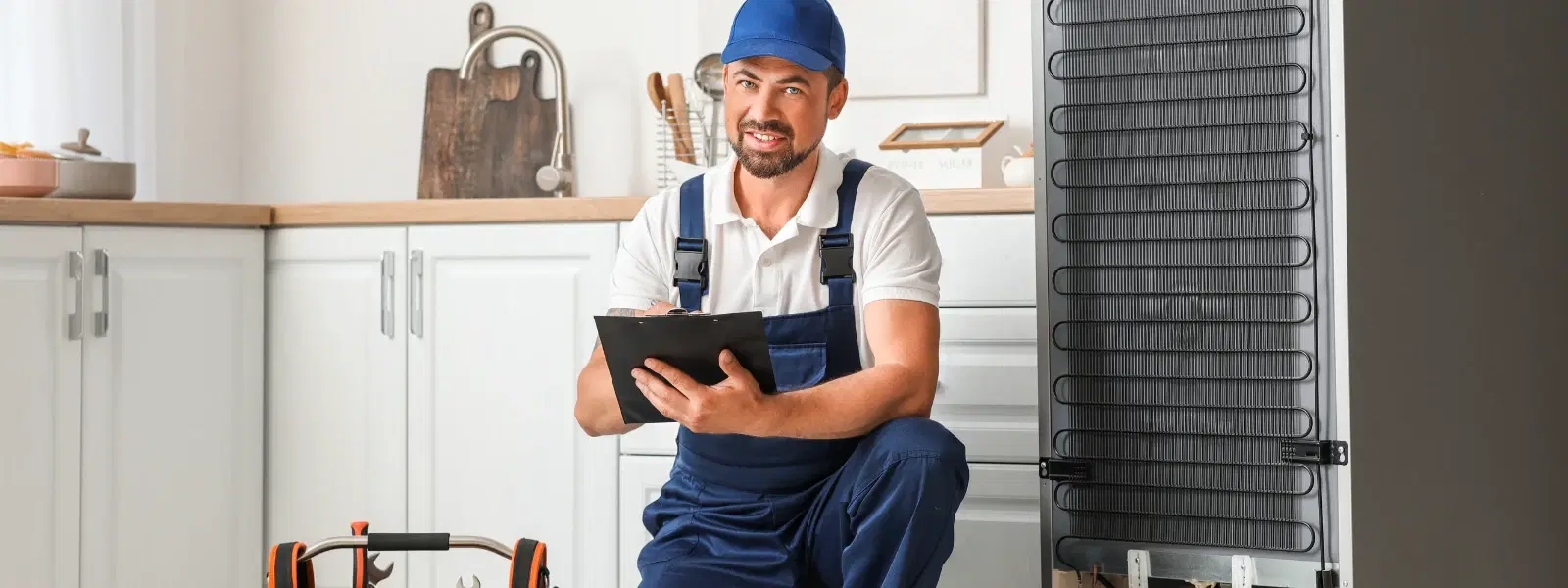
Credit: www.tataneu.com
Maintenance Tips
Keeping your refrigerator leak-free depends heavily on how well you maintain it. Simple habits can prevent water buildup and avoid costly repairs. Let’s dive into key maintenance tips that can keep your fridge running smoothly.
Regular Cleaning
Dirt and grime can clog your fridge’s drainage system, leading to leaks. Clean the drip pan and drain hole at least once a month to ensure water flows properly.
I once ignored cleaning the drain hole and ended up with water pooling under the fridge. That small task saved me from a big mess later.
Proper Loading
Overstuffing your fridge blocks air vents and causes excess condensation. Make sure air can circulate freely by leaving space between items.
Think about how you arrange your groceries. Could rearranging them reduce moisture buildup?
Routine Inspection
Check door seals regularly for cracks or damage. Faulty seals let warm air in, increasing condensation and the risk of leaks.
Try the dollar bill test: close the door on a bill and pull it out. If it slides out easily, your seal needs attention.
Timely Repairs
Ignoring small issues like a clogged drain tube or broken thermostat can lead to leaks. Fix problems as soon as you notice them.
Have you ever delayed a repair only to find a bigger problem later? Addressing issues early saves time and money.
When To Call A Professional
Knowing when to call a professional for a leaking refrigerator saves time and prevents damage. Some issues need expert tools and skills. Ignoring serious problems can lead to bigger repairs or spoil food.
Persistent Leaks
Leaks that continue after cleaning and basic checks need a professional. Persistent leaks may signal a broken seal, clogged drain, or cracked part. Experts can find the exact cause and fix it properly.
Electrical Issues
Water near electrical components is dangerous. If you see sparks, smell burning, or notice the fridge not cooling, call a technician. Handling electrical problems requires safety knowledge and special equipment.
Complex Repairs
Problems like compressor leaks, sealed system faults, or refrigerant loss require advanced repair. These repairs are difficult and can void warranties if done wrong. Trusting a professional ensures the job is safe and effective.

Credit: www.allaustinrepairs.com
Frequently Asked Questions
Why Is My Refrigerator Leaking Water Inside?
A leak inside is often due to a clogged or frozen defrost drain. Water can’t drain properly and pools inside. Cleaning the drain usually fixes this issue quickly.
Can A Damaged Door Seal Cause Leaks?
Yes, a damaged or loose door seal lets warm air in, causing condensation. This excess moisture can lead to water pooling inside or outside the fridge.
How Does A Blocked Drain Pan Cause Leaks?
A blocked or cracked drain pan can overflow, causing water to leak underneath the refrigerator. Regular cleaning and inspection prevent this common problem.
Does Overfilling The Fridge Cause Leaks?
Overfilling blocks air vents, leading to poor circulation and excess condensation. This moisture can accumulate and cause leaks over time.
Conclusion
A leaking refrigerator can cause many problems at home. Common causes include clogged drains, damaged door seals, or ice buildup. Regular cleaning and checks help stop leaks early. Fix small issues quickly to avoid bigger repairs. Knowing these causes saves time and money.
Keep your fridge working well and your food safe. Stay alert for leaks to prevent damage. Simple care makes a big difference.