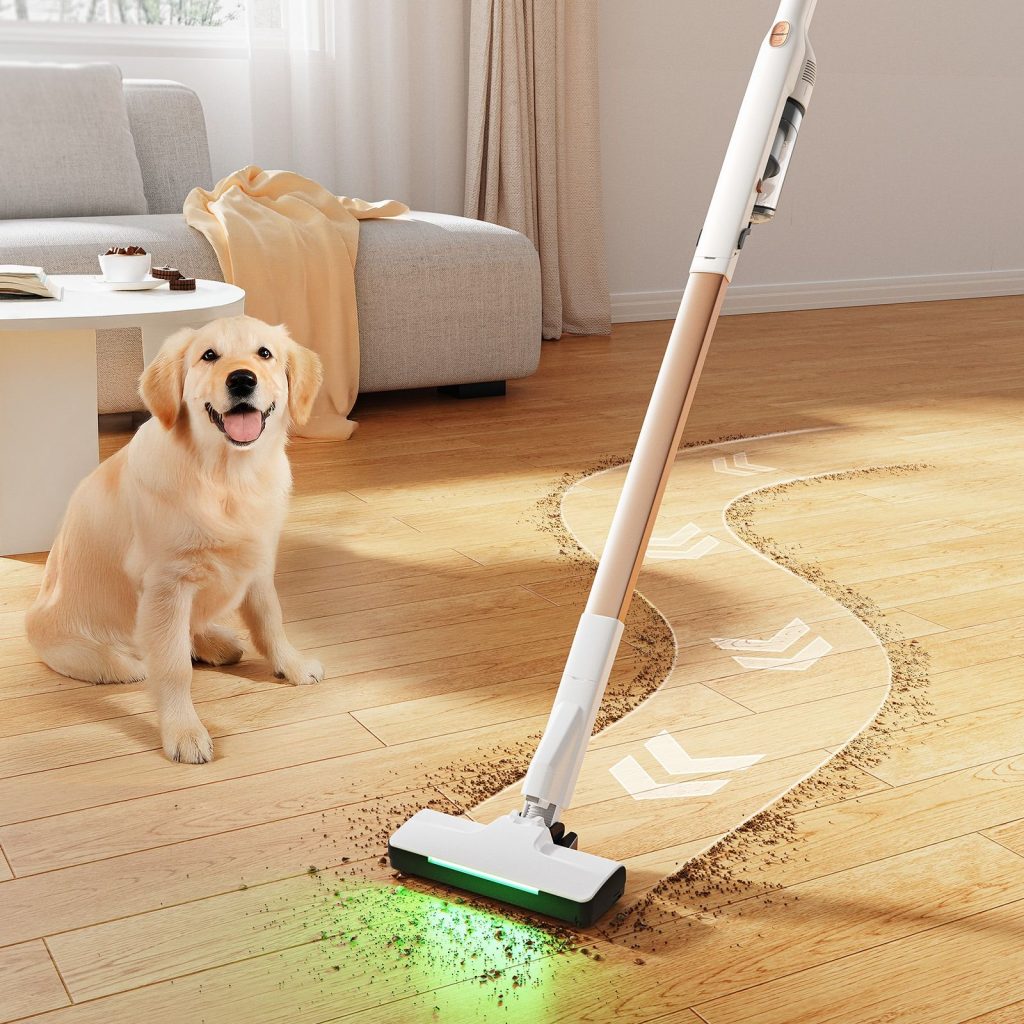
Have you ever found yourself frustrated with your vacuum cleaner, wondering why it doesn’t seem to pick up dirt like it used to? You’re not alone.
One day, your vacuum works perfectly, and the next, it’s like it’s barely trying. Understanding what causes a vacuum to lose suction can save you both time and money, and it’s simpler than you might think. Imagine the satisfaction of having your vacuum work at its best again, effortlessly keeping your home spotless.
We’ll uncover the common culprits behind this annoying issue and provide practical tips to get your vacuum back on track. Stick with us to discover the secrets to maintaining that powerful suction you rely on to keep your living space clean and fresh.

Credit: www.espares.co.uk
Common Reasons For Suction Loss
Vacuum cleaners lose suction for several common reasons. These issues stop the vacuum from working well. Identifying the cause helps fix the problem fast. Regular checks keep your vacuum running strong.
Clogged Filters
Filters trap dust and dirt from the air. Over time, filters fill up and block airflow. This reduces suction power. Cleaning or replacing filters often restores suction quickly. Dirty filters also strain the motor.
Blocked Hoses
Hoses carry dirt from the floor to the dustbin. Debris and small objects can block the hose. This stops air from flowing freely. A blocked hose cuts suction dramatically. Removing blockages clears the path for air.
Full Or Damaged Dustbin
A full dustbin leaves no space for more dirt. The vacuum struggles to pull air through. Cracks or holes in the dustbin cause air leaks. Air leaks reduce suction and cleaning power. Emptying and inspecting the dustbin helps maintain suction.
Worn Out Brush Roll
The brush roll picks up dirt and debris from the floor. If bristles are worn or tangled, it can’t clean well. A damaged brush roll lowers the vacuum’s effectiveness. Replacing or cleaning the brush roll improves suction and cleaning.
Motor Issues
The motor creates the suction power in a vacuum. Problems like worn bearings or electrical faults reduce motor strength. A weak motor leads to poor suction. Motor repairs or replacements restore vacuum performance.

Credit: www.espares.co.uk
Identifying The Problem
Identifying why a vacuum loses suction is key to fixing it fast. The problem often lies in parts that block or reduce airflow. Checking these parts helps find the root cause. This section guides you through simple checks to spot common issues.
Checking Airflow
Airflow is crucial for suction power. Start by feeling the air at the vacuum’s exhaust and intake. A weak or no airflow means a blockage or motor problem. Clear any visible clogs in the air path. Listen for strange sounds that show strain on the motor.
Inspecting Filters And Bags
Dirty filters reduce airflow and suction. Remove filters and check for dirt or dust buildup. Wash or replace filters as needed. Vacuum bags that are full or damaged also block airflow. Empty or replace bags regularly to keep suction strong.
Examining Hoses And Attachments
Hoses often develop clogs from debris buildup. Detach hoses and look inside for blockages. Use a long object or air blower to clear stuck dirt. Check attachments for cracks or breaks that cause air leaks. Replace damaged parts to restore proper suction.
Simple Fixes To Restore Suction
Restoring your vacuum’s suction often requires simple actions. Many suction problems come from common issues that you can fix at home. Taking time to check key parts can bring your vacuum back to life. These quick fixes save money and keep cleaning effective.
Cleaning Or Replacing Filters
Filters trap dust and dirt. Over time, they get clogged and block airflow. Take out the filters and rinse them with water if washable. Let them dry completely before placing back. Replace filters if they look torn or very dirty. Clean filters help your vacuum breathe better.
Removing Blockages From Hoses
Hoses can get clogged with debris. Check inside the hose for stuck items. Use a long, flexible brush or a broomstick to push out blockages. Make sure both ends of the hose are clear. A clean hose allows air to flow freely, restoring suction power.
Emptying And Maintaining Dustbin
A full dustbin lowers suction. Empty the dustbin after each use or when it reaches the max line. Wipe the dustbin clean with a damp cloth to avoid dust buildup. Check seals and lids to ensure they close tightly. A clean dustbin keeps the vacuum running smoothly.
Fixing Or Replacing Brush Roll
The brush roll sweeps dirt into the vacuum. Hair and threads often wrap around the brush, slowing it down. Cut away wrapped debris carefully with scissors. Spin the brush roll to check if it moves freely. Replace the brush roll if it’s broken or worn out. A healthy brush roll helps pick up dirt better.
When To Seek Professional Help
Knowing when to seek professional help can save your vacuum from further damage. Some problems need expert tools and skills. Attempting repairs without the right knowledge may worsen the issue.
Simple fixes like emptying the bag or cleaning filters are easy. But certain signs show it’s time to call a technician. Understanding these signs helps protect your vacuum and keeps it working well.
Persistent Motor Problems
If the vacuum motor keeps overheating or making strange noises, it needs expert care. A professional can diagnose motor issues accurately. Trying to fix the motor yourself may lead to costly damage.
Electrical Issues
Electrical faults like the vacuum not turning on or frequent power cuts require a technician. These problems can be dangerous to handle without proper training. Professionals ensure safe and correct repairs.
Complex Internal Repairs
Internal parts like belts, fans, or wiring may need repair or replacement. Some vacuums have complicated designs that require special tools. A professional has the experience to fix these parts properly.
Tips To Prevent Suction Loss
Keeping your vacuum’s suction strong is easier than you might think. Small habits and smart care can stop suction loss before it starts. Let’s look at some practical tips that help maintain your vacuum’s power and extend its life.
Regular Maintenance Routine
Cleaning or replacing filters regularly makes a big difference. Clogged filters block airflow and reduce suction, so check them every few weeks. Empty the dustbin or replace vacuum bags before they’re full to avoid strain on the motor.
Inspect the brush roll often for tangled hair or debris. A stuck brush roll can slow down cleaning and cause suction issues. Don’t forget to check hoses for cracks or clogs—you can gently remove blockages with a long object like a broom handle.
Proper Storage Practices
Where and how you store your vacuum affects its performance. Keep it in a dry, cool place to prevent moisture damage that might cause mold or rust. Avoid placing heavy items on top of the vacuum, which can bend hoses or damage parts.
Storing your vacuum upright and unplugged also helps avoid accidental wear on cords and attachments. Have you noticed your vacuum struggling after being stored in a cramped space? Sometimes simple repositioning solves hidden issues.
Using Correct Attachments
Using the right attachment for each cleaning task keeps suction strong and efficient. For example, use the crevice tool to clean tight corners instead of the wider floor brush. This prevents unnecessary strain on the motor and maintains airflow.
Some vacuums have adjustable suction settings—make sure you’re using the right one for the surface. Heavy-duty suction on delicate rugs can cause clogs and wear down parts faster. Are you switching attachments as needed, or sticking to just one tool?

Credit: www.espares.co.uk
Frequently Asked Questions
Why Does My Vacuum Suddenly Lose Suction Power?
A vacuum loses suction due to blockages, full bags, or dirty filters. These reduce airflow and pressure. Regular cleaning and maintenance restore proper suction.
How Do Clogged Filters Affect Vacuum Suction?
Clogged filters restrict airflow, causing suction to weaken. Dirty filters trap dust inefficiently. Replacing or cleaning filters improves suction strength.
Can A Full Vacuum Bag Cause Loss Of Suction?
Yes, a full bag limits dust capacity and blocks airflow. This reduces suction power. Emptying or replacing the bag restores vacuum efficiency.
What Role Do Vacuum Hoses Play In Suction Loss?
Blocked or cracked hoses disrupt airflow, causing suction drops. Inspect hoses for clogs or damage. Repair or replace to regain suction.
Conclusion
A vacuum loses suction mostly due to blockages or dirty filters. Check the hose and brush for clogs. Clean or replace filters regularly. Worn belts or damaged parts can also reduce power. Keep the vacuum well-maintained to avoid these issues.
Small fixes can restore strong suction quickly. Understanding these causes helps keep your vacuum working well. Don’t let poor suction make cleaning harder. Stay alert to changes in performance and act fast. A well-functioning vacuum saves time and effort every day.