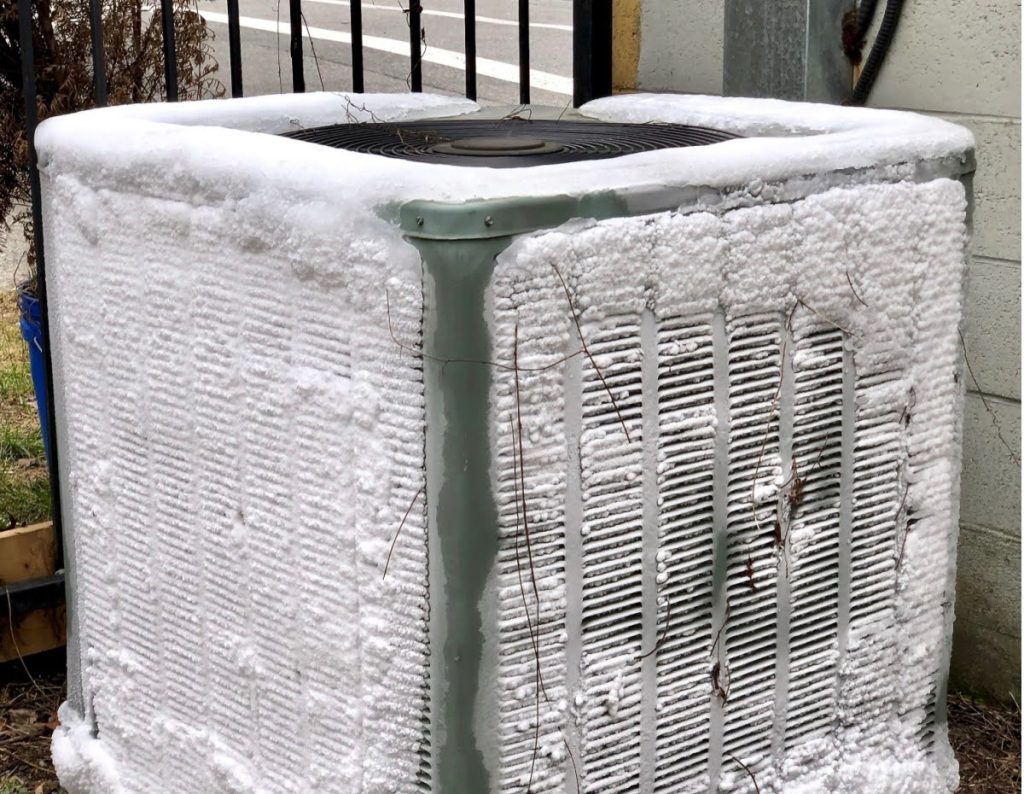
Have you ever noticed ice forming on your air conditioner’s outdoor unit and wondered why it’s happening? A frozen air conditioner outside can be confusing and frustrating.
It not only stops your AC from working properly but can also lead to costly repairs. Understanding what causes your air conditioner to freeze up outside is the first step to fixing the problem and keeping your home cool and comfortable.
You’ll learn the common reasons behind this issue and simple ways to prevent it from happening again. Keep reading to protect your AC and save money!

Credit: www.delcohvac.com
Common Signs Of Outdoor Ac Freezing
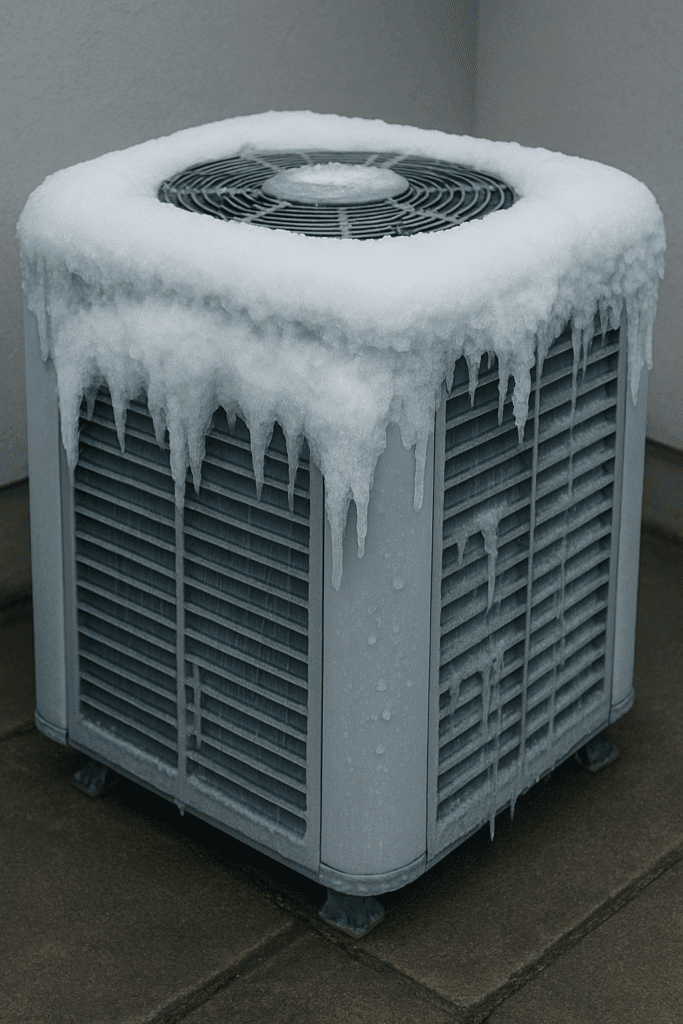
Ice buildup on outdoor AC units often signals freezing issues. Look for frost or ice covering the coils and reduced cooling performance. Strange noises or water leaks near the unit can also indicate freezing problems.
Visible Ice Formation
Ice can form on the outdoor unit’s coils or pipes. This ice looks like white or blue frost. It shows the unit is too cold or not working well. Ice may cover fan blades or other parts.
Reduced Cooling Efficiency
The air conditioner may not cool your home as it should. It might take longer to make the room cold. You may feel less cool air from the vents. This means the system is struggling.
Unusual Noises
Strange sounds like hissing or rattling can come from the outdoor unit. These noises may mean ice is blocking moving parts. The fan might be stuck or the compressor could be under stress.
Water Leakage
Water may drip or pool around the outdoor unit. This happens when ice melts quickly. Too much water is a sign of freezing issues. It can cause damage if not fixed soon.

Credit: a1heating.com
Low Refrigerant Levels
Refrigeranthelps cool the air by absorbing heat from inside your home. It moves through the air conditioner’s coils as a cold liquid and gas. If there is not enough refrigerant, the coils get too cold. This can cause ice to form on the outside unit.
Leaksare a common cause of low refrigerant. Pipes or coils may have small holes or cracks. Dust, dirt, or damage can also make leaks worse. Without enough refrigerant, the system works harder and freezes up.
- Look for oily spots on pipes or coils.
- Listen for hissing sounds near the unit.
- Check if cooling feels weak or uneven.
- Notice if the AC runs longer than usual.
Poor Airflow Issues
Poor airflowcan cause an air conditioner to freeze up outside. One common reason is clogged air filters. Dirty filters block air from moving freely, making the system work harder and causing ice to form.
Blocked vents or coilsalso reduce airflow. Dust and debris stick to the coils, stopping heat exchange. This makes the unit too cold and leads to freezing.
Fan malfunctionscan stop air from circulating properly. If the fan does not spin or spins slowly, cold air stays inside, causing the outside unit to freeze.
Thermostat And Sensor Problems
Incorrect temperature settingson the thermostat can cause the air conditioner to freeze up outside. Setting the temperature too low makes the system work harder than it should. This extra work causes the coils to get too cold and ice to form. The unit then struggles to keep up, leading to freezing issues.
Faulty thermostat sensorscan also lead to freezing problems. Sensors that do not read the temperature correctly cause the system to run improperly. The air conditioner may stay on too long or turn on at the wrong time. This causes ice to build up on the outdoor unit and stops proper cooling.
Dirty Or Damaged Coils
Dirty coilsblock airflow, causing the AC to freeze outside. Dirt stops heat exchange, making the coil cold.
Coil damagehappens from corrosion, leaks, or physical harm. This reduces cooling and causes ice buildup.
- Clean coils every 1-3 months to avoid dirt buildup.
- Use a soft brush or coil cleaner for cleaning.
- Check for damage or leaks regularly.
- Call a technician for repairs if needed.
Credit: bellplumbing.com
Outdoor Temperature Effects
Outdoor temperature affects how an air conditioner works. Cold weather can make the unit freeze up. When the temperature drops, the refrigerant pressure changes. This causes ice to form on coils and pipes.
Running an AC in cold weather is tricky. The system is made for warm air. Cold air can slow down the fan and compressor. This creates frost buildup outside.
Weather changes also play a big role. Fluctuating temperatures cause the unit to work unevenly. This can lead to freezing and damage parts.
- Low outdoor temperature lowers refrigerant pressure.
- Cold air slows fan speed and compressor function.
- Temperature swings cause ice buildup on coils.
- Frost blocks airflow, making the system freeze.
Compressor And Electrical Faults
Compressor malfunctionscan cause the air conditioner to freeze up outside. The compressor pumps refrigerant through the system. If it fails, refrigerant flow stops or slows down. This makes the coils too cold. Ice forms on the coils and outside unit.
Issues like worn-out parts or motor problems often cause compressor faults. These faults reduce cooling efficiency and lead to freezing.
- Electrical component failurescan also cause freezing.
- Faulty wiring may disrupt power to the compressor.
- Bad capacitors can stop the motor from running properly.
- Thermostat or control board issues may cause incorrect signals.
Any electrical fault that affects compressor function can lead to ice buildup.
Preventive Measures
Keeping your air conditioner in good shape stops it from freezing outside. Regular maintenancehelps catch small problems early. Clean or replace filters every month during heavy use. Dirt blocks airflow, which causes freezing.
Professional inspections ensure all parts work well. Technicians check refrigerant levels, coils, and fans. Low refrigerant or dirty coils make freezing more likely. Scheduling inspections twice a year is smart.
- Clear leaves and debris around the unit to keep airflow steady.
- Keep the thermostat at a steady, moderate temperature.
- Turn off the AC if ice starts to form outside.
- Check for leaks or unusual noises and call a pro if needed.
Frequently Asked Questions
Why Does My Outdoor Ac Unit Freeze Up?
Outdoor AC units freeze due to restricted airflow or low refrigerant. Dirty filters, blocked vents, or low refrigerant cause coil freezing. This stops heat exchange, leading to ice buildup on the unit’s coils, reducing cooling efficiency and potentially damaging the system.
How Does Low Refrigerant Cause Ac Freezing?
Low refrigerant lowers pressure inside the coils, causing them to get too cold. This temperature drop freezes moisture on the coils, forming ice. Refrigerant leaks or improper charging often cause this issue, requiring professional inspection and refill to restore proper cooling function.
Can Dirty Air Filters Cause Outdoor Ac Freezing?
Yes, dirty air filters restrict airflow, causing the coils to get too cold. Reduced airflow leads to ice forming on outdoor coils. Regularly cleaning or replacing filters prevents freezing and keeps your AC running efficiently.
Does Blocked Outdoor Unit Cause Freezing?
Blocked outdoor units limit airflow, causing the coils to freeze. Debris, leaves, or dirt around the unit restrict air circulation. Clearing obstructions ensures proper airflow, preventing freezing and maintaining your AC’s performance.
Conclusion
Air conditioners can freeze due to several reasons. Poor airflow is common. Dirty filters and blocked vents can also cause problems. Low refrigerant levels might lead to freezing too. Regular maintenance helps prevent these issues. Check your unit often for signs of trouble.
Clean filters and ensure proper airflow. Pay attention to refrigerant levels. Simple checks can avoid costly repairs. Keep your air conditioner in good shape. It will run efficiently and last longer. Enjoy a cool and comfortable home. Stay proactive and watch for warning signs.