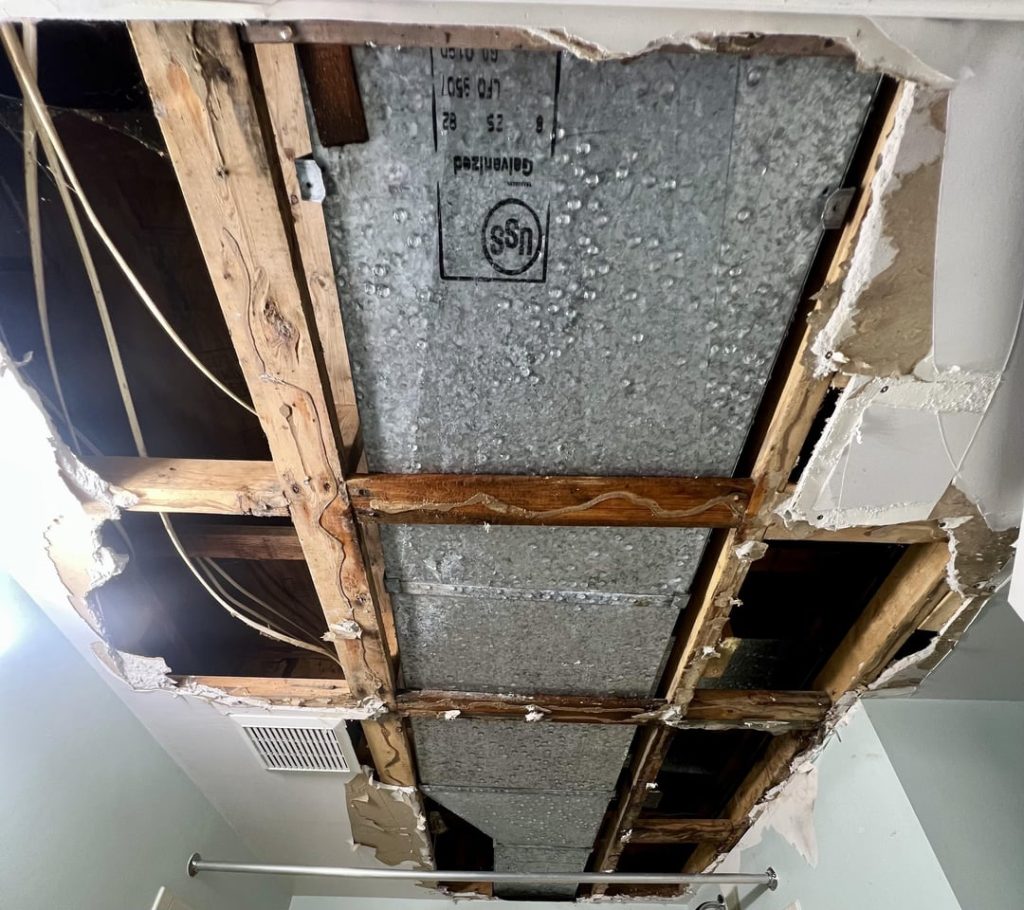
Have you ever noticed water dripping or moisture forming around your air conditioner vents? It might seem harmless at first, but those sweaty vents can signal a bigger problem with your cooling system.
If you ignore this issue, it could lead to damage, higher energy bills, or even poor air quality in your home. Understanding what causes your AC vents to sweat is the first step to fixing it fast and keeping your home comfortable and safe.
Keep reading to discover why this happens and what you can do about it.
Humidity Levels
High humidityin the air makes vents sweat easily. Warm air holds moisture. When this air touches cold vents, water forms on them. This is called condensation. The more humid the room, the more likely vents will sweat.
Indoor moisture comes from many sources:
- Cooking and boiling water
- Showering without proper ventilation
- Drying clothes inside
- Houseplants releasing moisture
All these add extra moistureto the air. This moisture collects on cold vents, causing sweat. Controlling indoor humidity helps reduce this problem.

Credit: www.reddit.com
Temperature Differences
Cold airflows through the air conditioner vents. The vents’ surface becomes cooler than the room air. This causes moisture in the warm air to turn into water droplets. The process is called condensation. It looks like the vents are “sweating.”
Rapid temperature changes make this worse. Warm, humid air meets cold vent surfaces quickly. Water droplets form faster. This can cause dripping or pooling near the vents. It may also cause damage to walls or ceilings around the vents.
- Cold vent surfaces cool warm air nearby
- Moisture in warm air turns into water drops
- Fast temperature shifts increase condensation
- Leads to water buildup and possible damage
Poor Insulation
Proper insulationhelps keep your home cool and dry. It stops warm air from touching cold air in vents. This prevents condensationor sweating on air conditioner vents.
Poor insulation lets warm air meet cold vent surfaces. This causes water droplets to form. It can lead to mold growthand damage walls or ceilings.
- Missing insulation around ducts
- Thin or damaged insulation material
- Gaps and cracks letting warm air inside
- Incorrect vent placement near warm areas
Fixing these problems keeps vents dry and efficient. It helps your air conditioner work better and last longer.

Credit: www.reddit.com
Blocked Airflow
Blocked airflowhappens when air cannot move freely through vents. This causes air conditioner vents to sweat.
Common causes of restricted airflow include:
- Dirty air filters:Dust blocks air movement.
- Closed or blocked vents:Furniture or objects cover vents.
- Damaged ductwork:Leaks or holes reduce airflow.
- Improper vent size:Too small or narrow vents limit air.
The impact on vent performance is clear:
| Issue | Effect on Vents |
|---|---|
| Restricted airflow | Cold air cools vent surface causing condensation |
| Blocked vents | Air pressure builds, reducing cooling efficiency |
| Dirty filters | Less air passes, causing vents to sweat |
Ductwork Issues
Leaks and gapsin ductwork let warm air touch cold vents. This makes water form on vents. Small holes or poor seals cause this problem. Sealing ducts with tape or mastic helps stop leaks.
Improper duct designmeans ducts are too small or bend too much. This stops air from flowing well. Poor airflow causes cold spots where moisture builds up. Fixing duct size and shape improves air flow and stops sweating.

Credit: www.reddit.com
Air Conditioner Size
Correct air conditioner sizingis key to stop vent sweating. An AC too big cools the room fast but turns off often. This short cycling stops the system from removing enough moisture from the air. Moisture builds up and causes vents to sweat.
Too large units waste energy and increase wear on parts. This can lead to higher billsand frequent repairs. On the other hand, a properly sized unit runs longer and removes more humidity. This reduces condensation on vents and improves comfort.
| AC Size | Effect on Vent Sweating | Other Issues |
|---|---|---|
| Oversized | Vents sweat due to poor moisture removal | Short cycling, high energy use, more wear |
| Correct Size | Less vent sweating as humidity is controlled | Efficient operation, better comfort, less wear |
Maintenance Practices
Regular cleaningof air conditioner vents helps prevent dust buildup. Dust can block airflow and cause vents to sweat. Servicing the unit often keeps parts working well. This includes checking filters and coils. Clean vents improve air flow and reduce moisture.
Professional inspectionsfind hidden problems early. Experts check for leaks and poor insulation around vents. They test the system’s pressure and temperature. This helps spot issues that cause sweating. Regular inspections keep the AC running smoothly and stop excess moisture.
Frequently Asked Questions
Why Do Air Conditioner Vents Sweat?
Air conditioner vents sweat due to condensation forming on cold surfaces. Warm, humid air meets the cool vent, causing moisture buildup. This is common in high humidity environments and signals excess moisture around the vent area.
How Does Humidity Affect Vent Sweating?
High humidity increases moisture in the air, making vents more likely to sweat. When humid air contacts the cool vent, water droplets form. Reducing indoor humidity helps prevent vent condensation and protects your HVAC system from damage.
Can Poor Insulation Cause Ac Vent Sweating?
Yes, poor insulation allows warm air to reach cold vents, causing condensation. Proper insulation keeps vent surfaces cool and dry. Improving insulation reduces sweating and enhances energy efficiency in your cooling system.
Does Vent Sweating Damage My Home?
Yes, vent sweating can cause water damage, mold growth, and paint peeling. Persistent moisture harms walls, ceilings, and flooring. Addressing vent sweating early prevents costly repairs and maintains a healthy indoor environment.
Conclusion
Air conditioner vents sweat because of warm, moist air meeting cold surfaces. This causes water droplets to form on vents. Poor insulation and high humidity make sweating worse. Regular maintenance helps reduce vent sweating. Check insulation and control indoor humidity levels.
Fixing these issues keeps your home comfortable and dry. Understanding why vents sweat helps prevent damage and mold. Stay aware and keep your air conditioner working well. Simple steps can stop vent sweating effectively.