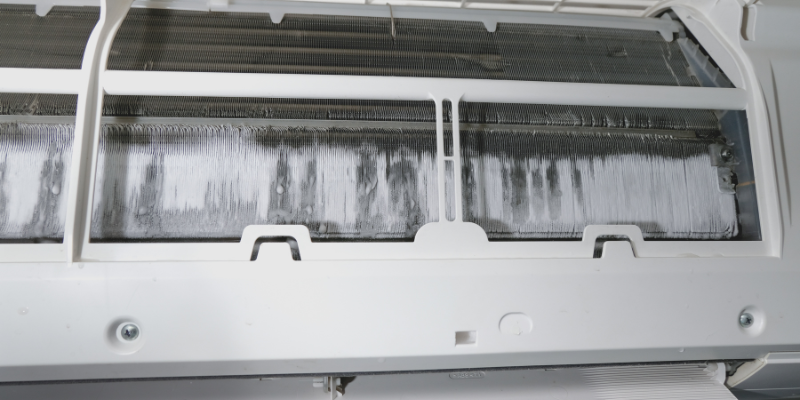
Have you ever noticed your air conditioner looking like it’s covered in ice? It’s a common problem that can leave your home feeling warmer instead of cooler.
You might wonder, why does this happen? What causes your air conditioner to ice up? Understanding the reasons behind this issue can help you fix it faster and avoid costly repairs. Keep reading, because uncovering these causes will put you back in control of your comfort and save you from unexpected headaches.

Credit: www.delcohvac.com
Common Signs Of An Iced-up Ac
An air conditioner that is iced up can stop working properly. Ice forms on the coils and blocks airflow. Knowing the signs helps you fix it fast.
Ice buildup can cause your AC to blow warm air or stop cooling. Watch for these common signs to catch the problem early.
Reduced Airflow
If your AC blows less air than usual, ice may be blocking the vents. The frozen coils stop cool air from passing through freely.
Warm Air From Vents
When ice covers the evaporator coil, the AC cannot cool the air properly. You might notice warm or room-temperature air from the vents.
Visible Ice On The Unit
Look for white or blue ice on the outdoor or indoor unit. Ice can form on the refrigerant lines, coils, or around the compressor.
Water Leaks Around The Ac
Ice melting can cause water to drip or puddle near your AC unit. This leak is a sign that ice has formed and then melted off the coils.
Unusual Noises From The Ac
Hissing, gurgling, or popping sounds may come from the ice buildup. The frozen coils can cause the system to work harder and make strange noises.
Frequent Cycling On And Off
Your AC might turn on and off more often than usual. Ice buildup can cause the system to shut down to protect itself from damage.
Table Of Common Signs And Their Meanings
| Sign | What It Means |
|---|---|
| Reduced Airflow | Ice blocking air vents |
| Warm Air | Evaporator coil iced up |
| Visible Ice | Freezing on coils or lines |
| Water Leaks | Melting ice dripping |
| Unusual Noises | System struggling with ice |
| Frequent Cycling | System shutting down to avoid damage |
Low Refrigerant Levels
Air conditioners need refrigerant to cool the air. Low refrigerant levels can cause the system to ice up.
When refrigerant runs low, the temperature inside the unit drops too much. This leads to ice forming on the coils.
How Low Refrigerant Causes Ice
Refrigerant absorbs heat from your home’s air. If there is not enough refrigerant, the pressure drops. This makes the coils colder than normal.
Cold coils cause moisture in the air to freeze. Ice builds up and blocks airflow. This reduces cooling and can damage the AC unit.
Signs Of Low Refrigerant Levels
- Ice forming on the indoor evaporator coil
- Reduced cooling performance
- Longer running times for the AC
- Hissing or bubbling sounds from the refrigerant lines
- Higher energy bills without increased use
Common Causes Of Low Refrigerant
| Cause | Description |
| Leaks | Small holes or cracks in the refrigerant lines. |
| Improper Installation | Incorrect charging or handling during setup. |
| Wear and Tear | Old parts that degrade and allow refrigerant to escape. |
Why Fixing Low Refrigerant Is Important
Fixing low refrigerant levels quickly helps prevent:
- Damage to the compressor
- Increased energy use
- Further ice buildup
- Costly repairs later
Poor Airflow Issues
Poor airflow can cause air conditioners to ice up. When air does not flow freely, cold spots form. These cold spots cause moisture to freeze on the coils.
Several problems can block airflow. Fixing these helps keep the air conditioner working well and stops ice buildup.
Clogged Air Filters
Air filters trap dust and dirt. When filters get clogged, less air passes through. This reduces airflow and causes the evaporator coils to get too cold. Ice forms on the coils as a result.
Replacing or cleaning filters regularly keeps air moving. This prevents ice buildup.
Blocked Vents
Blocked vents stop air from flowing into rooms. Furniture, curtains, or dirt can cover vents. This makes the air conditioner work harder to cool the space.
- Check vents for blockages
- Move furniture away from vents
- Clean vents to remove dust
- Keep curtains open near vents
Unblocked vents help air move freely. This stops ice from forming on the coils.
Dirty Evaporator Coils
Evaporator coils cool the air. Dirt and dust on the coils block heat transfer. This causes the coils to become colder than normal. Ice can then build up on the surface.
| Cause | Effect |
| Dirty coils | Reduced heat transfer |
| Reduced heat transfer | Coils get too cold |
| Cold coils | Ice buildup on coils |
Cleaning the coils regularly keeps them clear. This helps prevent icing problems.

Credit: www.ashworthcool.com
Thermostat And Temperature Settings
Air conditioners can ice up for several reasons. One main cause involves the thermostat and temperature settings. Understanding these settings helps prevent ice buildup.
Setting your thermostat too low or using incorrect settings forces the AC to work harder. This can cause the coils to freeze, leading to ice formation.
Setting The Thermostat Too Low
When the thermostat is set lower than needed, the air conditioner runs constantly. This overworks the system and lowers the coil temperature too much. Cold coils cause moisture to freeze and form ice.
Incorrect Temperature Settings
Wrong temperature settings can confuse your AC. For example, switching rapidly between cooling and fan modes may stop the system from working properly. This leads to uneven cooling and ice buildup.
- Keep the thermostat at a steady, moderate temperature.
- Avoid setting the temperature below 70°F (21°C).
- Use the fan setting properly to circulate air.
- Do not change settings frequently in short periods.
How Thermostat Issues Cause Ice Formation
| Problem | Effect on AC | Result |
| Thermostat set too low | Coils get too cold | Moisture freezes into ice |
| Rapid setting changes | System works unevenly | Ice forms on coils |
| Fan setting misuse | Poor air circulation | Ice buildup in unit |
Mechanical Problems
Air conditioners can ice up due to mechanical problems. These issues stop the system from working right.
Mechanical faults reduce airflow or cause wrong pressure. This makes the coils freeze and blocks cooling.
Faulty Blower Motor
The blower motor pushes air over the evaporator coil. If it fails, airflow drops and cold air builds up.
Low airflow causes the coil temperature to fall below freezing. Ice forms on the coil and stops cooling.
- Worn motor bearings reduce speed
- Electrical problems stop motor from running
- Dirty or broken fan blades lower airflow
Malfunctioning Expansion Valve
The expansion valve controls refrigerant flow into the evaporator coil. A bad valve disrupts pressure balance.
If too much refrigerant flows, the coil gets too cold and freezes. Too little refrigerant causes poor cooling.
- Valve stuck open lets excess refrigerant pass
- Valve stuck closed blocks refrigerant flow
- Valve sensor failure causes wrong pressure readings
Environmental Factors
Air conditioners can ice up due to many environmental causes. These conditions affect how the unit cools the air.
Understanding these factors helps keep your air conditioner running well and avoid ice build-up.
High Humidity Levels
When humidity is high, the air holds more moisture. This makes the air conditioner work harder to remove water.
If the unit cannot handle the moisture fast enough, ice can form on the coils. This blocks airflow and cools less.
- High moisture means more condensation on coils
- Extra condensation freezes in cold conditions
- Ice buildup lowers cooling efficiency
Outdoor Temperature Effects
Very low outdoor temperatures can cause the air conditioner to ice up. The cold air cools the coils too much.
When it is too cold outside, the unit may not run properly, leading to ice forming on the parts.
- Cold air cools coils below freezing
- Ice forms and blocks air flow
- Unit may shut down or lose efficiency
Preventive Maintenance Tips
Air conditioners can ice up due to many reasons. Regular care helps stop this problem early.
Following simple maintenance tips keeps your AC working well and avoids ice buildup.
Clean Or Replace Air Filters
Dirty air filters block airflow and cause the AC to freeze. Clean or change filters every month or two during heavy use.
Check Refrigerant Levels
Low refrigerant makes the coils too cold, leading to ice. Have a professional check and refill refrigerant if needed.
Keep The Evaporator Coil Clean
Dust and dirt on the evaporator coil reduce heat absorption. Clean the coil yearly to keep it clear and efficient.
Ensure Proper Airflow
Blocked vents or closed registers lower airflow and cause ice buildup. Check that all vents are open and clear of obstructions.
Use A Programmable Thermostat
A programmable thermostat helps keep steady temperatures. This reduces strain on the system and prevents freezing.
Inspect The Drain Line
Clogged drain lines cause water to back up and freeze. Clear the drain line regularly to keep water flowing freely.
Maintenance Checklist
- Clean or replace air filters monthly
- Check refrigerant levels yearly
- Clean evaporator coils annually
- Keep vents and registers open
- Use a programmable thermostat
- Clear the drain line every few months
When To Call A Professional
Air conditioners may ice up due to several reasons. Some issues you can fix yourself. Others need expert help.
Knowing when to call a professional can save your AC unit from damage. It also keeps your home comfortable and safe.
Persistent Ice Formation
If ice keeps forming on your AC unit even after you try to defrost it, call a technician. Persistent ice often means deeper problems.
Strange Noises Or Smells
Unusual sounds or smells coming from your air conditioner can indicate mechanical or electrical issues. These signs need professional attention.
Reduced Cooling Performance
When your AC cools less than usual, ice buildup could be blocking airflow or refrigerant flow. A professional can diagnose and fix this.
Complex Causes Of Ice Build-up
- Low refrigerant levels
- Dirty air filters
- Blocked airflow from fans or vents
- Faulty thermostats or sensors
- Issues with the blower motor
These problems often require special tools and skills to repair safely and correctly.
Safety And Warranty Concerns
Handling refrigerants or electrical parts yourself can be dangerous.
| Reason | Details |
|---|---|
| Risk of Injury | Electric shocks or refrigerant burns can occur. |
| Warranty Issues | DIY repairs may void your AC warranty. |
| Proper Diagnosis | Professionals use tools to find exact problems. |

Credit: theacdoctors.com
Frequently Asked Questions
Why Does My Air Conditioner Freeze Up?
Your air conditioner might freeze due to restricted airflow or low refrigerant levels. Dirty filters, blocked vents, or faulty fans can hinder airflow. Low refrigerant causes pressure drops, leading to freezing. Regular maintenance and cleaning can prevent these issues, ensuring efficient cooling and preventing ice formation.
How Can Low Refrigerant Cause Icing?
Low refrigerant reduces the system’s pressure, dropping the evaporator coil’s temperature below freezing. This results in moisture from the air forming ice on the coils. Regularly checking and refilling refrigerant levels can help prevent this problem and ensure your air conditioner runs efficiently without freezing.
Can Dirty Air Filters Cause Ac Icing?
Yes, dirty air filters restrict airflow, causing the evaporator coils to freeze. Restricted airflow prevents proper heat exchange, leading to ice formation. Regularly cleaning or replacing air filters can help maintain proper airflow and prevent the air conditioner from icing up, ensuring efficient operation.
What Role Does Airflow Play In Ac Freezing?
Proper airflow is crucial for preventing AC freezing. Restricted airflow, due to blocked vents or dirty filters, results in ice formation. This happens because the evaporator coils can’t exchange heat effectively. Regularly ensuring unobstructed airflow helps maintain the air conditioner’s efficiency and prevents icing issues.
Conclusion
Air conditioners ice up due to low airflow or refrigerant issues. Dirty filters and blocked vents often cause these problems. Regular cleaning and timely maintenance help keep your AC running well. Watch for signs like cold spots or water leaks.
Fixing small issues early saves money and stress later. Stay alert to your AC’s performance every season. This way, you ensure cool air without ice buildup. Taking care of your unit keeps your home comfortable all year.