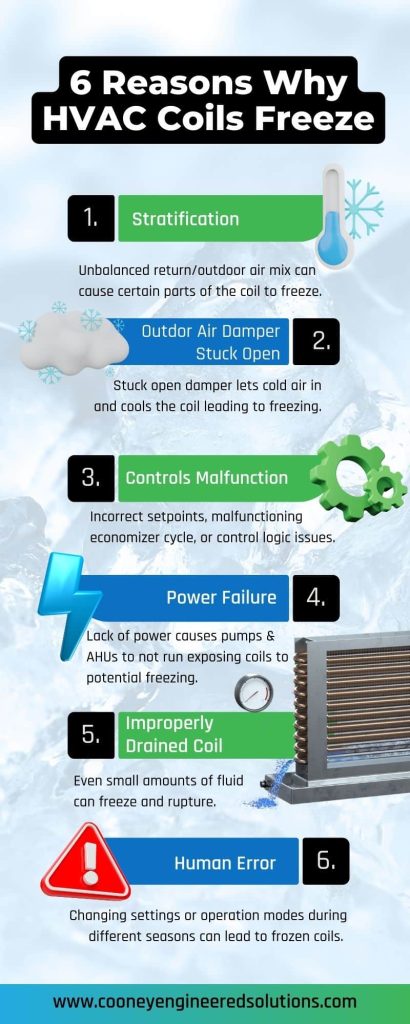
Imagine this: it’s a scorching summer day, and you’re relying on your air conditioning system to keep your home cool and comfortable. Suddenly, you notice something strange—your air conditioner isn’t working as efficiently as it should.
You check the air handler, and to your surprise, it’s covered in a layer of ice. This is not just a minor inconvenience; it could be a sign of a bigger problem lurking in your HVAC system. But what exactly causes an air handler to freeze up?
Understanding the reasons behind this chilly conundrum can help you prevent costly repairs and ensure your home remains a haven of comfort. We’ll uncover the common culprits behind a frozen air handler and guide you on how to keep your system running smoothly. Curious to know more? Let’s dive right in and uncover the mystery behind the frost!

Credit: www.achrnews.com
Common Causes Of Air Handler Freeze-up
Air handler freeze-up is a common problem that affects many HVAC systems. Understanding the main causes helps prevent damage and keeps your system running smoothly. Several factors can lead to ice buildup on the air handler.
These causes usually relate to airflow, temperature control, and system maintenance. Identifying the root issue quickly can save time and money on repairs.
Dirty Air Filters
Dirty air filters block airflow inside the air handler. This causes the evaporator coil to get too cold and freeze. Filters collect dust, dirt, and debris over time. A clogged filter reduces air movement and pressure. Regular filter replacement keeps air flowing freely and prevents freeze-up.
Low Refrigerant Levels
Refrigerant absorbs heat from your home’s air. Low refrigerant causes the coil to become too cold and freeze. Leaks or improper charging can reduce refrigerant levels. Without enough refrigerant, the system cannot maintain proper temperature balance. Checking refrigerant levels is crucial for proper function.
Blocked Airflow
Obstructions in the air vents or ducts limit airflow to the air handler. Furniture, curtains, or closed vents can block air movement. Poor airflow causes the coil temperature to drop sharply. This creates ice buildup on the coil and inside the handler. Clear all blockages to maintain good airflow.
Thermostat Issues
A malfunctioning thermostat may cause the air handler to run too long or too cold. Incorrect temperature readings lead the system to overcool the coil. This can cause freezing inside the air handler. Calibrating or replacing a faulty thermostat avoids unnecessary freeze-up.
Faulty Blower Motor
The blower motor pushes air through the air handler and ducts. A broken or weak motor reduces airflow. Low airflow causes the coil to freeze quickly. Motor problems may include worn bearings or electrical faults. Repairing or replacing the blower motor restores proper air circulation.

Credit: www.delcohvac.com
How Low Refrigerant Leads To Freezing
Low refrigerant levels are a common reason your air handler might freeze up. Refrigerant is essential for absorbing heat from your home’s air. When there’s not enough refrigerant, the system struggles to maintain the right temperature, causing the coils to get too cold and ice to form.
Leaks And Their Impact
Leaks are the main cause of low refrigerant. Even a tiny hole or crack in the refrigerant lines can let the gas escape slowly over time. This loss reduces the system’s cooling ability and drops the temperature of the coils below freezing.
Think about it like a balloon losing air. The more air it loses, the less it can do its job. Similarly, less refrigerant means the coils stay colder longer, allowing moisture to freeze on them.
Ignoring leaks can lead to bigger problems, like compressor damage or total system failure. Have you checked your system for leaks lately? Catching them early can save you from costly repairs.
Signs Of Refrigerant Problems
How do you know if your refrigerant is low? Here are some signs you should watch for:
- Longer cooling cycles or the system running constantly
- Warm air coming from vents instead of cool
- Visible ice buildup on the coils or refrigerant lines
- Unusual hissing sounds indicating a leak
- Higher energy bills despite no change in usage
Spotting these early helps you act fast. If your air handler freezes, don’t just defrost and forget. It’s a sign your refrigerant might be low, and fixing the root cause will keep your system running smoothly.
Effects Of Poor Airflow
Poor airflow is a common cause of air handler freeze-ups, and its effects can be surprisingly damaging. When air cannot move freely through your system, it disrupts the balance needed to keep components at safe temperatures. This imbalance often leads to parts freezing, which can halt your system’s function and result in costly repairs.
Clogged Vents And Registers
Clogged vents and registers block the passage of air, reducing the volume of air flowing through your air handler. Dust, pet hair, and debris often accumulate here, especially if you have pets or live in a dusty environment.
Without enough airflow, the air handler’s coils don’t receive sufficient warm air, causing moisture to freeze. Have you noticed uneven temperatures or rooms that never quite feel cool? This may be a sign your vents need cleaning.
Dirty Coils And Ducts
Dirty coils and ducts create a similar problem by restricting airflow inside the system. Coils covered in dirt can’t absorb heat properly, which leads to excessive condensation and ice formation.
Blocked ducts force your air handler to work harder, pushing it toward freezing conditions. Regularly inspecting and cleaning these parts can prevent this issue and keep your system running smoothly.
Role Of The Blower Motor In Preventing Freeze
The blower motor plays a crucial role in keeping your air handler from freezing up. It moves air across the evaporator coil, helping maintain the right temperature and preventing ice buildup. Without proper airflow, the coil can get too cold, causing moisture to freeze and block the system.
Motor Malfunctions
If the blower motor isn’t working properly, airflow drops significantly. This reduced airflow means the evaporator coil stays too cold for too long, leading to ice formation. Sometimes, you might hear strange noises or notice your system struggling to cool your home effectively—these are signs your motor could be failing.
Have you ever ignored a faint humming or grinding sound from your AC? That small issue might be the start of a bigger freeze-up problem caused by motor malfunction. Regular checks and timely repairs of the blower motor can save you from costly breakdowns.
Fan Speed Settings
Fan speed controls how much air the blower motor pushes over the coil. If the speed is set too low, the coil doesn’t get enough warm air to prevent freezing. On the other hand, too high a speed might reduce cooling efficiency.
Adjusting fan speed isn’t just about comfort—it directly affects whether your air handler freezes. You can usually find the fan speed settings on your thermostat or the air handler itself. Experimenting with these settings can help you find the right balance to keep your system running smoothly.
Thermostat Settings That Cause Freeze-ups
Thermostat settings play a crucial role in how your air handler performs. Incorrect or faulty settings can cause the air handler to freeze up, leading to discomfort and potential damage. Understanding these thermostat-related issues helps you avoid costly repairs and keeps your system running smoothly.
Incorrect Temperature Settings
Setting your thermostat too low can cause the air handler to freeze. When the temperature drops below the recommended level, the cooling coils become too cold and cause moisture to freeze on them.
If you keep lowering the temperature on a hot day, you risk overworking the system. This not only leads to freeze-ups but can also increase your energy bills. Have you ever noticed your air conditioner blowing warm air after setting the temperature too low? This might be why.
Malfunctioning Sensors
Sensors inside the thermostat monitor the room temperature and control the air handler accordingly. If these sensors malfunction, they may give inaccurate readings.
Inaccurate sensor readings can cause the system to run longer than necessary, which leads to freezing. Sometimes, a sensor might think the room is warmer than it actually is, pushing the air handler to cool excessively. Checking and replacing faulty sensors could save you from frequent freeze-up issues.
Diy Fixes For Frozen Air Handlers
Frozen air handlers cause discomfort and reduce HVAC efficiency. Fixing the problem quickly saves energy and prevents damage. Some repairs are simple and can be done safely at home.
Start by identifying basic issues that often cause freezing. Regular maintenance helps keep the system running smoothly. Below are practical DIY fixes for frozen air handlers.
Cleaning Or Replacing Filters
Dirty or clogged filters restrict airflow. This makes the air handler work harder and can cause freezing. Check the filter regularly for dust and debris.
- Remove the filter from the unit carefully.
- Inspect for dirt, dust, and blockages.
- Clean reusable filters with water and let dry completely.
- Replace disposable filters with the correct size and type.
- Install the filter back in the proper direction.
Clean filters improve airflow and reduce the chance of freezing.
Thawing The Unit Safely
Turn off the HVAC system before thawing the frozen air handler. Use these safe methods to melt the ice:
- Let the ice melt naturally by turning off the system.
- Use a hairdryer on low heat to gently warm frozen parts.
- Place towels around the unit to catch dripping water.
- Avoid using sharp objects to chip ice off the coils.
Be patient and allow time for complete thawing before restarting.
Checking And Adjusting Thermostat
Incorrect thermostat settings can cause the air handler to freeze. Check these points:
- Ensure the thermostat is set to the correct mode (cooling or heating).
- Set the temperature to a comfortable level, not too low.
- Replace old or faulty thermostat batteries.
- Calibrate the thermostat if the temperature reading seems off.
Correct thermostat settings maintain balance and prevent freezing.
When To Call A Professional
Knowing when to call a professional is key to preventing serious damage to your air handler. Some problems require expert tools and knowledge. Acting quickly can save money and restore comfort fast.
Simple issues like cleaning or replacing filters you can handle. But frozen air handlers often signal deeper trouble. Professionals diagnose problems precisely and fix them safely.
Refrigerant Recharge And Leak Repair
Low refrigerant levels cause the coils to freeze. Only certified technicians can recharge refrigerant properly. They also find and fix leaks to prevent future freezes. Handling refrigerants without training is unsafe and illegal.
Motor And Electrical Issues
Faulty motors or wiring can stop the blower from working well. This reduces airflow and causes freezing. Electric problems are complex and risky to fix alone. Professionals use special tools to test and repair safely.
Comprehensive System Maintenance
Regular professional check-ups keep your air handler running smoothly. Experts clean coils, check parts, and adjust settings. This stops small issues from becoming big problems. Scheduling maintenance extends equipment life and improves efficiency.

Credit: theacdoctors.com
Frequently Asked Questions
Why Does My Air Handler Freeze Up Suddenly?
An air handler freezes due to restricted airflow or low refrigerant. Dirty filters, blocked vents, or a malfunctioning blower can cause it. Regular maintenance and cleaning prevent freezing and ensure efficient system operation.
Can Low Refrigerant Cause Air Handler Freezing?
Yes, low refrigerant reduces pressure and temperature, causing ice buildup on coils. It indicates a leak or system inefficiency. Prompt repair and refilling are essential to avoid damage and restore normal function.
How Does Poor Airflow Lead To Freezing?
Poor airflow prevents warm air from reaching the coils. This causes the coils to get too cold and form ice. Checking filters, vents, and fans regularly helps maintain proper airflow and prevents freezing.
What Role Does Thermostat Setting Play In Freezing?
Incorrect thermostat settings can cause the air handler to run too long or too cold. This leads to coil freezing. Setting the thermostat to appropriate temperatures helps maintain balance and prevents ice formation.
Conclusion
Air handlers freeze up mainly due to poor airflow or low refrigerant levels. Dirty filters and blocked vents make air move slower. This causes the coil to get too cold and ice forms. Regular cleaning and timely repairs keep systems running well.
Catching problems early saves money and stress later. Understanding these causes helps protect your home’s comfort. Stay alert to signs of freezing for quick action. Simple care keeps your air handler working smoothly all year.