Is your air conditioner leaking water and leaving you worried? You’re not alone.
A leaking AC can be more than just an annoying drip—it might signal a bigger problem that could cost you time and money. Understanding what causes your air conditioner to leak can help you stop the issue before it gets worse.
You’ll discover the common reasons behind AC leaks and simple steps you can take to fix them. Keep reading to protect your home and stay cool without the hassle.

Credit: northnjhvac.com
Common Leak Sources
Clogged drain linesstop water from flowing out. This causes water to build up and leak inside the unit. Dirt and debris often block these lines.
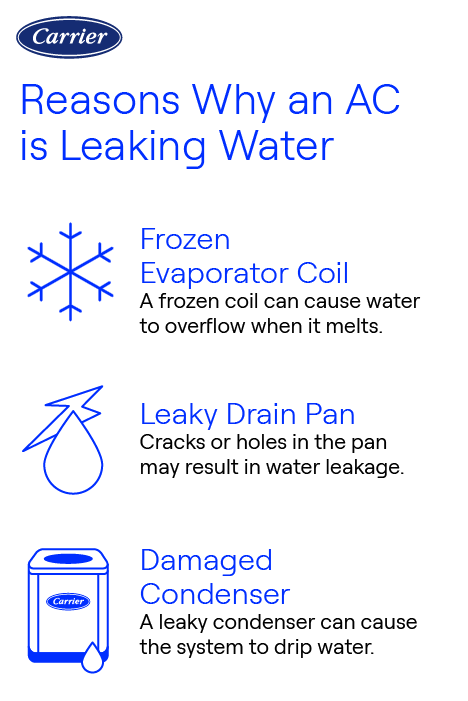
A damaged drain pancan also cause leaks. The pan holds water that the air conditioner removes. If it cracks or rusts, water will spill out.
Frozen evaporator coilsform ice when the unit is too cold. When the ice melts, water drips inside. This can cause leaks too.
Installation Issues
Improper slopeof the air conditioner drain pan can cause water to pool. This water may overflow and leak inside the house. The drain pan needs a slight tilt to guide water to the drain pipe. Without this, water cannot flow out properly.
Loose connectionsin the drain line or water pipes also cause leaks. If pipes are not tightly secured, water can escape through gaps. Checking and tightening all fittings helps prevent leaks.
Maintenance Factors
Neglected filter changescause dirt buildup in the air conditioner. This dirt blocks airflow and reduces cooling power. Filters trap dust and dirt, so they need regular cleaning or replacement. When filters are clogged, the unit works harder and ice can form. Ice melts and causes leaks inside the house.
Blocked airflowhappens when vents or ducts are closed or dirty. Air cannot move freely, and the system loses balance. This can also cause the coil to freeze. When the ice melts, water drips and leaks. Keeping vents open and clean helps prevent this problem.
Environmental Influences
High humiditycauses more moisture in the air. The air conditioner works harder to remove this moisture. When the moisture builds up too much, it can cause water to leak inside the house.
During extreme temperatures, the air conditioner may freeze or overheat. This can stop the unit from working well. Ice can form on the coils and melt, leading to leaks.
- High humidity adds extra water to the system.
- More moisture means more chance of leaks.
- Very hot or cold temperatures affect the unit’s parts.
- Frozen coils melt and cause water to drip.
Wear And Tear
Corroded partsin an air conditioner can cause leaks. Over time, moisture and dirt wear down metal components. This corrosion creates holes or weak spots where water escapes. Small leaks can grow larger and damage the unit.
Aging componentsalso contribute to leaks. Older parts lose their tight seals and become brittle. Rubber gaskets and hoses may crack or break. This allows water to drip outside the system instead of draining properly.
- Corrosion weakens metal pipes and coils.
- Worn-out seals fail to keep water inside.
- Broken hoses let water escape uncontrolled.
- Old parts lose shape and do not fit well.

Credit: fischerheating.com

Credit: honorservices.com
Frequently Asked Questions
Why Is My Air Conditioner Leaking Water Inside?
Water leaks inside mainly due to clogged drain lines or frozen coils. Dirt blocks drainage, causing water to overflow and leak indoors.
Can A Dirty Air Filter Cause Ac Leaks?
Yes, a dirty air filter restricts airflow, causing coils to freeze and drip water when melting, leading to leaks.
How Does A Broken Condensate Pump Cause Leaks?
A broken condensate pump cannot remove water properly, causing water to back up and leak inside your home.
Does Low Refrigerant Cause Air Conditioner Leaks?
Low refrigerant leads to coil freezing and excessive condensation, which can cause water to drip and leak around the unit.
Conclusion
An air conditioner leaks for several common reasons. Dirty filters and clogged drains often cause water buildup. Frozen coils can also lead to dripping. Regular cleaning and timely repairs help stop leaks. Watch for signs like water spots or strange noises.
Quick action saves your AC and prevents damage. Keep your home cool and dry by maintaining your unit well. Simple care makes a big difference in performance and comfort. Stay alert and fix issues early to avoid costly problems.