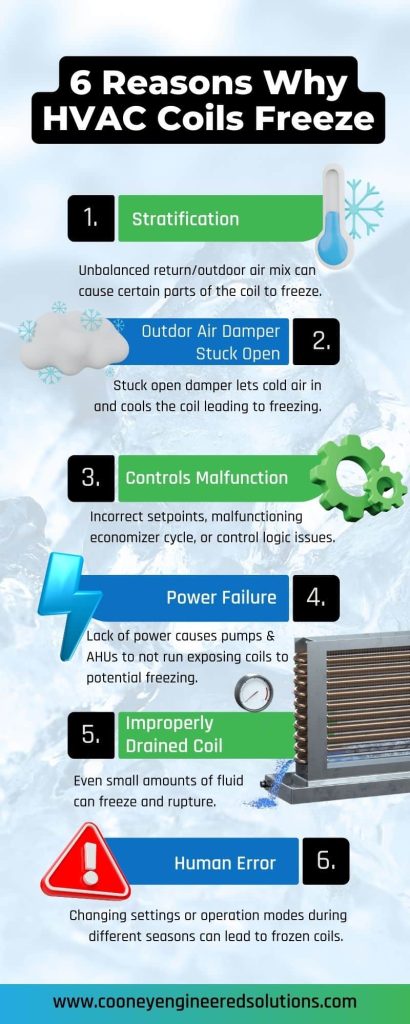
Have you ever noticed ice building up on your air conditioner’s coils and wondered why it’s happening? When those coils freeze, your AC can stop working properly, leaving your home uncomfortable and your energy bills higher.
Understanding what causes coils to freeze is the first step to fixing the problem and keeping your system running smoothly. You’ll discover the common reasons behind coil freezing and simple ways to prevent it—so you can enjoy cool, efficient air all season long.
Keep reading to protect your AC and avoid costly repairs.

Credit: forgeheating.com
Common Causes Of Frozen Coils
Frozen coils in an air conditioner reduce cooling efficiency. They can cause damage if not fixed quickly.
Understanding what causes coils to freeze helps you keep your AC running smoothly. Here are common reasons why coils freeze.
Low Refrigerant Levels
Refrigerant is the fluid that cools your home. Low refrigerant makes the coils too cold. This causes moisture to freeze on the coils.
Leaks or improper charging cause low refrigerant. A professional must find and fix leaks and refill refrigerant to the right level.
Dirty Air Filters
Air filters block dust and dirt from entering your AC. Dirty filters reduce airflow. This makes the coils colder than usual and causes freezing.
- Check filters every month during heavy use.
- Replace filters every 1 to 3 months.
- Use the right filter size and type for your system.
Blocked Airflow
Blocked airflow stops warm air from reaching the coils. This causes the coils to stay too cold and freeze. Common airflow blocks include:
| Cause | Description |
|---|---|
| Closed or blocked vents | Furniture or objects cover vents and block air. |
| Dirty evaporator coils | Dust buildup reduces heat exchange and airflow. |
| Malfunctioning blower fan | The fan does not move enough air over coils. |
Thermostat Issues
A faulty thermostat can cause the AC to run too long or too cold. This leads to frozen coils. Common problems include:
- Thermostat set too low for the room size
- Incorrect placement of the thermostat
- Old or broken thermostat sensors
Impact Of Refrigerant Problems
Refrigerant is vital for an air conditioner’s cooling process. Problems with refrigerant often cause the coils to freeze.
Understanding how refrigerant issues affect your system can help prevent damage and improve performance.
Leaks And Pressure Drops
Leaks in the refrigerant lines reduce the system’s pressure. Low pressure stops the refrigerant from absorbing enough heat.
- Refrigerant leaks cause the evaporator coil to get too cold.
- Low pressure leads to ice buildup on the coils.
- Leaks can also harm the compressor due to lack of proper cooling.
- Finding and fixing leaks stops further coil freezing.
Effects On Cooling Efficiency
When refrigerant levels drop, the air conditioner cannot cool well. Frozen coils block airflow and reduce efficiency.
| Problem | Effect on Cooling |
| Low Refrigerant | Less heat absorption, cold coils freeze |
| Frozen Coils | Reduced airflow, poor cooling |
| Compressor Stress | Higher energy use, possible breakdown |
Role Of Airflow In Coil Freezing
Airflow is very important for an air conditioner’s coil to work well. The coil needs enough air moving over it to stop freezing.
If air does not flow properly, the coil can get too cold and freeze up. This stops the air conditioner from cooling your home.
Clogged Vents And Ducts
Vents and ducts carry air to and from your air conditioner. If they get clogged, airflow slows down a lot.
Dust, dirt, or debris can block vents and ducts. This stops enough air from reaching the coil, causing it to freeze.
- Reduced airflow cools the coil too much
- Clogs cause uneven air distribution
- Dirty vents make the system work harder
Fan Malfunctions
The fan moves air over the coil. If the fan stops working well, airflow decreases sharply.
A broken or weak fan cannot push enough air. This lets the coil get cold enough to freeze.
- Fan motor problems reduce air movement
- Damaged blades lower fan efficiency
- Loose belts can stop the fan from spinning

Credit: www.achrnews.com
Maintenance Mistakes Leading To Freezing
Coils on an air conditioner can freeze for many reasons. One common cause is poor maintenance. This causes the system to work harder and can lead to freezing problems.
Understanding maintenance mistakes helps prevent coil freezing. Two key errors are neglecting cleaning and skipping inspections. Both affect the air conditioner’s performance.
Neglecting Regular Cleaning
Dirt and debris build up on the coils over time. This blocks airflow and lowers heat exchange. When air cannot flow properly, the coils get too cold and freeze.
- Dust and dirt cover the coils
- Clogged air filters reduce airflow
- Leaves and debris block vents
- Dirty coils cause temperature drops
- Ice forms on the surface of coils
Ignoring Professional Inspections
Regular inspections by professionals catch small issues early. They clean parts, check refrigerant levels, and test airflow. Missing these checks lets problems grow and cause freezing.
| Inspection Task | Why It Matters |
| Cleaning coils | Prevents dirt buildup and ice formation |
| Checking refrigerant | Ensures proper cooling and airflow |
| Testing blower fan | Keeps air moving to stop freezing |
| Inspecting drainage | Stops water buildup that can freeze |
Environmental Factors
Coils on an air conditioner can freeze due to several environmental reasons. These factors affect how the system cools the air and manages moisture.
Understanding these environmental causes helps in preventing coil freeze and improving air conditioner performance.
High Humidity Levels
High humidity makes the air conditioner work harder to remove moisture. This extra work can cause the coils to get too cold and freeze.
- Moist air lowers coil temperature faster
- More condensation forms on coils
- Ice builds up if moisture cannot drain properly
- Long run times increase freezing risk
Extreme Outside Temperatures
Very hot or very cold outdoor temperatures affect coil temperature. This can cause problems with heat exchange and lead to freezing.
| Outside Temperature | Effect on Coils |
| Above 95°F (35°C) | Coils may overcool and freeze if airflow is low |
| Below 60°F (16°C) | Low pressure can cause coil frost |
| Rapid temperature changes | Stress on system may lead to freezing |
Signs Of Frozen Coils
Frozen coils in an air conditioner can cause many problems. You need to spot the signs early.
Knowing these signs helps you fix the issue before it gets worse.
Reduced Cooling Performance
When coils freeze, the air conditioner cools less effectively. The airflow lowers, and rooms feel warmer.
- Air feels less cold than usual
- The AC runs longer to reach the set temperature
- Energy bills may increase due to inefficiency
Unusual Noises
Frozen coils can cause strange sounds from your air conditioner. Listen for these noises carefully.
Common unusual noises include:
- Hissing or bubbling sounds
- Rattling or clanking noises
- Whistling or squealing
Ice Formation On Coils
Ice on the coils is the most obvious sign of freezing. It can look like frost or thick ice buildup.
| Type of Ice | Description | What it Means |
| Thin Frost | Light white layer on coils | Early stage freezing |
| Thick Ice | Large ice blocks covering coils | Severe freezing needing immediate attention |
| Dripping Water | Water from melted ice near coils | Coils thawing or leak from ice buildup |
Preventing Coil Freezing
Coils on an air conditioner can freeze, causing poor cooling and damage. Preventing this problem helps your system work well and last longer.
Freezing happens when cold air builds up on the coils. This guide shows simple ways to stop coil freezing.
Routine Maintenance Tips
Cleaning and checking your air conditioner regularly keeps coils from freezing. Dirt and debris block airflow and cause cold spots.
Change filters every 1-3 months. Clean the coils and drain lines to avoid buildup. Check refrigerant levels and fix leaks fast.
- Replace or clean air filters often
- Clear dirt from evaporator coils
- Remove blockages in the drain line
- Check refrigerant and repair leaks
- Schedule professional inspections yearly
Proper Thermostat Settings
Set your thermostat to a comfortable temperature. Too low settings make the system run long and freeze coils.
Use a fan setting to help air move inside your home. Avoid sudden temperature changes that strain the air conditioner.
- Keep thermostat at a steady temperature
- Do not set temperature too low
- Use fan mode to circulate air
- Avoid rapid changes in thermostat settings
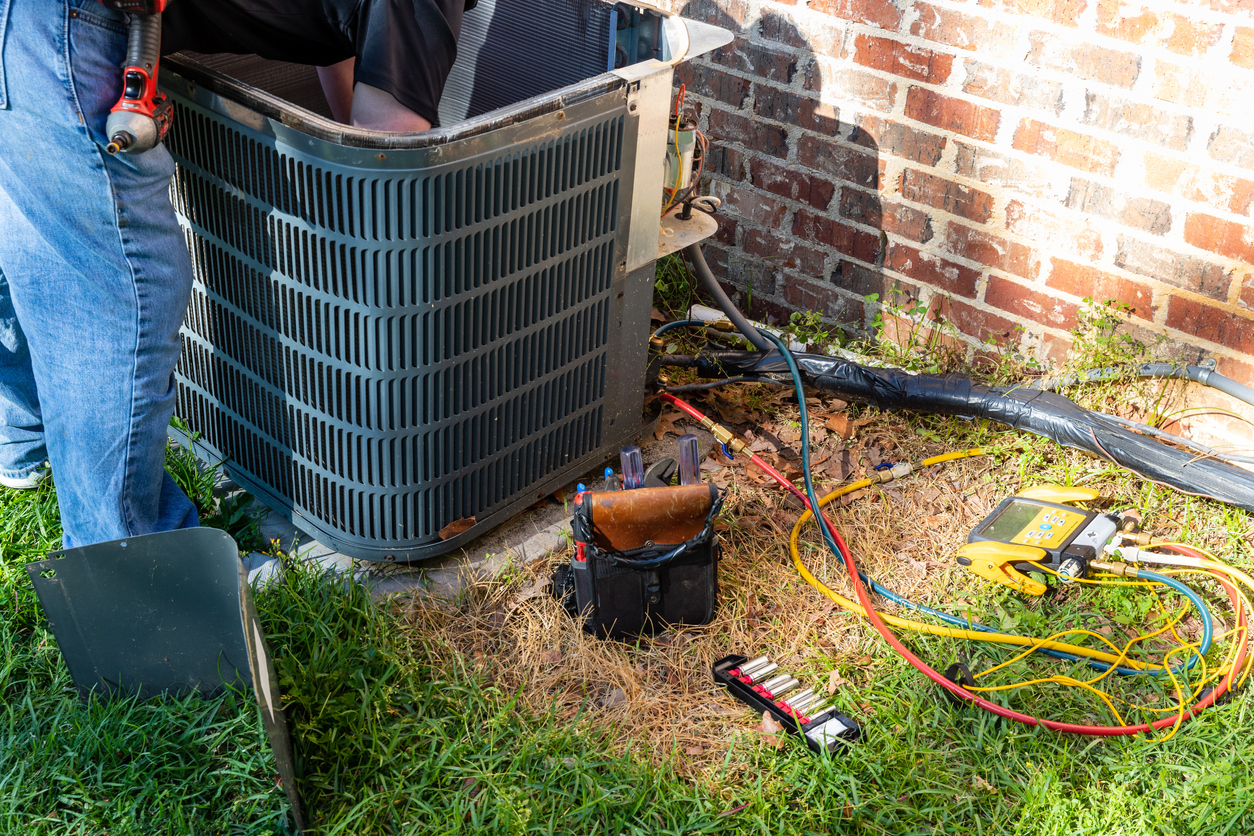
Ensuring Adequate Airflow
Air must flow freely over the coils to prevent freezing. Blocked vents and closed registers stop airflow and cause cold spots.
Keep furniture and curtains away from vents. Clean return air grilles and avoid covering the outdoor unit.
- Keep supply and return vents open
- Clear furniture or curtains near vents
- Clean dust from air grilles
- Do not block outdoor condenser unit
Credit: wheatandsons.com
Frequently Asked Questions
Why Do Air Conditioner Coils Freeze?
Air conditioner coils freeze due to inadequate airflow or refrigerant issues. Dirty filters, blocked vents, or low refrigerant levels can restrict airflow. This causes condensation on the coils to freeze. Regular maintenance and timely cleaning can prevent this issue, ensuring optimal performance.
How Does Low Refrigerant Cause Freezing?
Low refrigerant reduces pressure in the evaporator coil, leading to excessive cooling. This causes moisture on the coil to freeze. Regular refrigerant checks can help maintain appropriate levels, preventing coil freezing and ensuring efficient cooling.
Can Dirty Filters Make Coils Freeze?
Yes, dirty filters restrict airflow, causing the evaporator coil to cool excessively. This results in moisture freezing on the coil. Regularly cleaning or replacing filters can prevent this problem, ensuring proper airflow and efficient operation.
Is Poor Airflow A Reason For Frozen Coils?
Yes, poor airflow prevents adequate heat exchange, leading to frozen coils. Blocked vents, closed ducts, or dirty filters can cause this. Ensuring unobstructed airflow and proper ventilation can prevent coil freezing, enhancing air conditioner efficiency.
Conclusion
Frozen coils on an air conditioner cause many problems. Poor airflow, low refrigerant, or dirty filters often cause freezing. Fixing these issues keeps your AC running well. Regular maintenance helps prevent coil freezing. Watch for signs like weak cooling or ice buildup.
Quick action saves money and avoids bigger repairs. Keep your home cool and comfortable all summer. Simple care makes a big difference in AC performance. Stay alert and keep your system healthy.