Have you ever opened your refrigerator only to find water droplets forming inside? That annoying wetness isn’t just a random problem—it’s condensation, and it can affect your food and your fridge’s performance.
Understanding what causes condensation in your refrigerator is the first step to keeping your food fresh and your appliance running smoothly. You’ll discover the simple reasons behind this common issue and learn easy ways to stop it from happening. Keep reading to protect your fridge and make your kitchen life easier.

Credit: www.reddit.com
How Condensation Forms In Refrigerators
Condensation inside a refrigerator happens when moisture turns from gas to liquid. This process often creates water droplets on fridge walls or shelves. Understanding how condensation forms helps prevent excess moisture and keeps food fresh.
Role Of Temperature Differences
Cold air inside the fridge meets warm air from outside. This temperature gap causes moisture in the warm air to cool quickly. When air cools, it cannot hold as much moisture. Water vapor then turns into liquid drops on cold surfaces.
Effect Of Humidity Levels
High humidity means more water vapor in the air. Moist air inside or outside the fridge raises condensation risk. Moisture in the air collects on cold fridge surfaces. Low humidity reduces the chance of water buildup inside.
Impact Of Door Opening Frequency
Opening the fridge door often lets warm, moist air enter. This sudden air change raises condensation inside. The fridge must work harder to cool this new air. Frequent door openings cause more water droplets to form.
Common Causes Of Refrigerator Condensation
Condensation inside your refrigerator can be more than just an inconvenience; it can affect the freshness of your food and the efficiency of your appliance. Understanding the common causes of this issue can help you maintain a dry and efficient fridge. Let’s take a look at some of the usual suspects when it comes to refrigerator condensation.
Faulty Door Seals
Have you ever noticed a slight opening around the edges of your refrigerator door? This is often a sign of faulty door seals. When the seals are not tight, warm air sneaks into the fridge, leading to condensation. Check the seals regularly and replace them if you notice any cracks or gaps.
Blocked Air Vents
A refrigerator relies on air circulation to maintain a consistent temperature. Blocked air vents can disrupt this circulation, causing humidity to build up inside. Make sure nothing is obstructing the vents inside your fridge. An open box of baking soda can also help absorb excess moisture.
Improper Temperature Settings
Setting your refrigerator temperature too high or too low can lead to condensation issues. A fridge that’s too warm won’t cool your food efficiently, while one that’s too cold can cause frost. Aim for a temperature between 37°F and 40°F for optimal performance.
Overloading The Fridge
It’s easy to fill your fridge to the brim, especially after a big grocery run. However, overloading your fridge can block air flow and lead to condensation. Try organizing your items efficiently, giving enough space for air to circulate freely. Consider asking yourself: do you really need every item in there?
How External Factors Influence Condensation
External factors play a big role in causing condensation inside refrigerators. These factors affect how moisture behaves around the appliance. Understanding these can help reduce unwanted water buildup and keep the fridge working well.
Warm Room Environment
A warm room makes the fridge work harder to stay cool. Warm air carries more moisture. When this warm air meets the cold surface of the fridge, condensation forms. This moisture collects as water droplets on or inside the refrigerator.
High Ambient Humidity
High humidity means more water vapor in the air. This extra moisture increases the chance of condensation. The fridge surface cools the air, causing the water vapor to turn into liquid. This is why condensation appears more in humid places.
Placement Near Heat Sources
Placing a refrigerator near heat sources like ovens or heaters raises its temperature. Heat causes the fridge to use more energy to cool down. This struggle leads to more moisture inside the fridge. Heat near the fridge increases condensation risks significantly.
Credit: homewarranty.firstam.com
Preventing And Managing Condensation
Condensation inside a refrigerator can cause moisture buildup and spoil food. Preventing and managing it helps keep your fridge clean and efficient. Simple habits and regular checks reduce excess moisture. These steps protect your food and extend appliance life.
Regular Maintenance Tips
- Clean the fridge coils every three months to improve cooling.
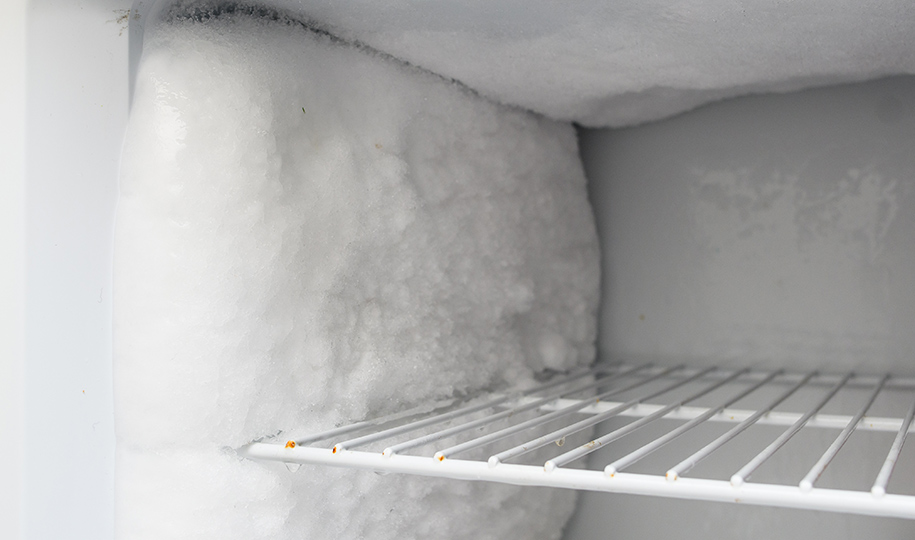
- Defrost the freezer regularly to avoid ice buildup.
- Wipe down interior surfaces to remove moisture and spills.
- Check and clear the drain hole to prevent water pooling.
- Keep the fridge door open only briefly to maintain temperature.
Proper Food Storage Practices
- Cover liquids and leftovers with lids or plastic wrap.
- Cool hot food before placing it inside the fridge.
- Avoid overfilling; allow air to circulate between items.
- Store fruits and vegetables in drawers with proper humidity.
- Separate raw and cooked foods to reduce moisture transfer.
Adjusting Temperature Settings
- Set the fridge temperature between 37°F and 40°F (3°C-4°C).
- Keep the freezer at 0°F (-18°C) for optimal storage.
- Adjust settings if condensation appears frequently.
- Use a fridge thermometer to monitor actual temperature.
- Avoid drastic temperature changes that cause moisture buildup.
Ensuring Door Seal Integrity
- Inspect door gaskets for cracks or damage regularly.
- Clean seals with warm, soapy water to maintain flexibility.
- Replace worn-out seals to stop cold air leaks.
- Close doors firmly and avoid slamming to protect seals.
- Check for gaps by closing a dollar bill in the door.

Credit: www.fcbios.com.my
Frequently Asked Questions
Why Does Condensation Form Inside My Refrigerator?
Condensation forms when warm, moist air enters the fridge. This air cools down, causing water droplets to appear on surfaces. Poor door sealing or frequent opening can increase moisture and condensation inside your refrigerator.
How Does Temperature Affect Refrigerator Condensation?
If the fridge temperature is too high, it can’t remove moisture effectively. This causes water vapor to condense inside. Maintaining the ideal temperature (35-38°F) helps prevent excess condensation and keeps food fresh.
Can Blocked Vents Cause Condensation In Refrigerators?
Yes, blocked or dirty vents restrict airflow inside the fridge. Poor circulation increases humidity and leads to condensation buildup. Regular cleaning and ensuring vents are unobstructed help reduce moisture and prevent condensation.
Does Frequent Door Opening Cause Refrigerator Condensation?
Frequent opening allows warm, humid air to enter the fridge. This air cools and forms condensation inside. Limiting door openings and closing it quickly helps maintain stable temperature and reduce moisture buildup.
Conclusion
Condensation in refrigerators happens because of warm air meeting cold surfaces. It can cause water droplets inside the fridge. This may lead to spoiled food or bad smells. Keeping the door closed helps reduce moisture. Also, check door seals for any gaps or damage.
Clean the fridge regularly to avoid buildup. Proper airflow inside the fridge stops excess condensation. Understanding these causes helps keep your fridge dry and fresh. Small changes make a big difference in fridge care. Stay aware and act quickly to prevent problems.