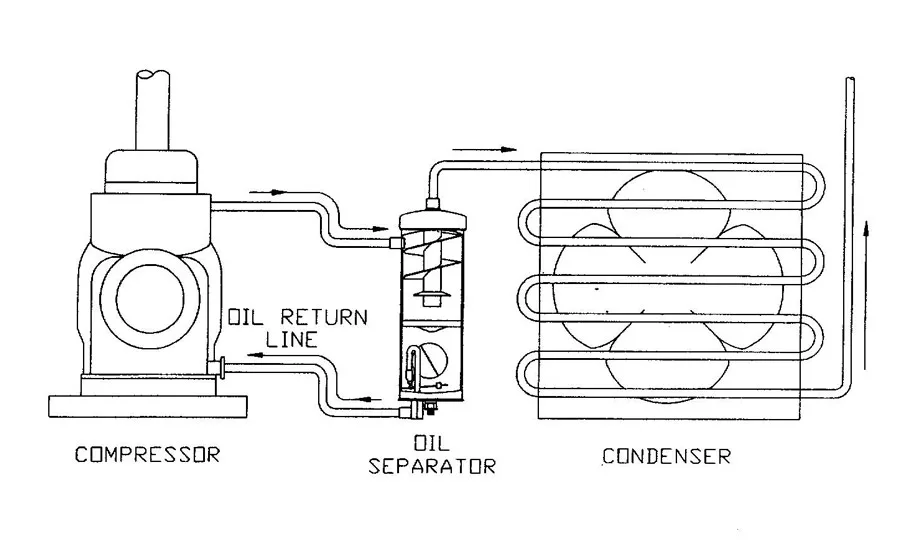
Have you ever wondered why your refrigeration system is not working as efficiently as it should? One common issue that might be affecting your system is high suction pressure.
Understanding what causes high suction pressure in refrigeration can help you spot problems early and avoid costly repairs. You’ll discover the key reasons behind this issue and learn how to keep your system running smoothly. Keep reading to find out what might be causing your refrigeration troubles and how you can fix them before they get worse.
Basics Of Suction Pressure
Understanding the basics of suction pressure is essential if you want to keep your refrigeration system running smoothly. Suction pressure reflects the pressure inside the evaporator where the refrigerant absorbs heat. This pressure influences how effectively your system cools and how efficiently it operates.
Role In Refrigeration Cycle
Suction pressure plays a key role in the refrigeration cycle by controlling the refrigerant’s phase change from vapor to liquid and back. It directly impacts the evaporator’s ability to absorb heat from the environment. If suction pressure is too high or too low, it can cause the compressor to work harder, reducing system efficiency and potentially causing damage.
Think about your own refrigerator: if the suction pressure rises, the system struggles to cool, and you might notice warmer temperatures or increased energy bills. Monitoring this pressure helps you catch issues before they become costly problems.
Normal Pressure Ranges
Knowing the normal suction pressure range for your specific refrigeration system is crucial. Generally, suction pressure varies depending on the refrigerant type and system design, but here are typical ranges:
| Refrigerant Type | Normal Suction Pressure (psi) |
|---|---|
| R-22 | 25 – 45 psi |
| R-134a | 20 – 40 psi |
| R-410A | 100 – 140 psi |
Have you checked your system’s suction pressure lately? Regular monitoring helps you spot abnormal increases early, avoiding system breakdowns and costly repairs.
Impact Of Refrigerant Issues
Refrigerant plays a vital role in the refrigeration system’s performance. Issues with refrigerant often cause high suction pressure. These problems disrupt the cooling cycle and reduce efficiency.
Many refrigerant-related problems stem from incorrect handling or contamination. The system may experience pressure imbalances that affect its operation. Understanding these causes helps in diagnosing and fixing the problem quickly.
Overcharge Of Refrigerant
Adding too much refrigerant increases the pressure inside the system. Overcharging causes the compressor to work harder, raising suction pressure. Excess refrigerant floods the evaporator, reducing heat absorption. This leads to poor cooling and higher energy use.
Signs of overcharge include:
- High suction pressure readings
- Poor cooling performance
- Compressor overheating
Proper charging is critical to avoid these issues. Always follow manufacturer guidelines for refrigerant amount.
Refrigerant Contamination
Contaminants in refrigerant can cause blockages and increase suction pressure. Moisture, air, or dirt may enter during servicing or leaks. These impurities affect the refrigerant’s flow and cooling capacity.
Contamination leads to:
- Pressure spikes in the suction line
- Corrosion inside the system
- Reduced compressor life
Using clean, dry refrigerant and proper handling prevents contamination. Regular system checks ensure the refrigerant remains pure and effective.
Effects Of Evaporator Problems
Evaporator problems can significantly impact the suction pressure in refrigeration systems. When the evaporator isn’t working properly, it disrupts the cooling cycle and leads to increased pressure levels. Understanding these effects helps you troubleshoot issues before they cause bigger system failures.
Blocked Or Dirty Evaporator
A blocked or dirty evaporator restricts airflow over the cooling coils. This reduces heat absorption, causing the refrigerant to stay warmer than it should. As a result, suction pressure rises because the refrigerant doesn’t evaporate efficiently.
Have you ever noticed your fridge working harder but not cooling well? That’s often due to dirt buildup or ice blocking the evaporator. Cleaning or defrosting these coils regularly can prevent high suction pressure and save energy.
Improper Evaporator Load
Loading the evaporator incorrectly affects how refrigerant evaporates inside the system. Too much load means the evaporator can’t absorb enough heat, raising the pressure. Too little load causes refrigerant to flood back, disrupting pressure balance.
Imagine placing warm goods into a cooler that’s already full; the system struggles to maintain the right temperature. Adjust your loading habits to match the evaporator’s capacity, and watch your suction pressure stabilize.

Credit: www.pureecoinc.com
Compressor-related Causes
High suction pressure in refrigeration systems often points to issues within the compressor itself. Since the compressor plays a crucial role in maintaining pressure balance, any malfunction here can directly affect suction levels. Understanding these compressor-related causes helps you identify problems early and avoid costly repairs.
Compressor Valve Malfunction
The compressor valves control the flow of refrigerant during compression. If these valves are stuck open or closed, they can cause abnormally high suction pressure. You might notice your system struggling to maintain proper cooling or unusual noises coming from the compressor.
Valve leaks allow refrigerant to bypass the compression process, leading to increased suction pressure. Have you ever checked if valve damage is behind your system’s poor performance? Sometimes, replacing or repairing these valves is the quickest way to restore normal pressure levels.
Worn Or Damaged Components
Over time, the internal parts of a compressor—like pistons, rings, and bearings—can wear out or get damaged. This wear reduces the compressor’s efficiency and can cause suction pressure to rise unexpectedly.
Think about the last time you maintained your refrigeration system. Did you inspect these components for wear? Regular checks can catch early signs of damage, saving you from sudden system failures and higher operational costs.
In many cases, worn parts cause the compressor to work harder, increasing energy consumption. If you notice your energy bills climbing without clear reasons, it might be time to examine your compressor’s condition closely.
System Design And Installation Flaws
System design and installation play a crucial role in maintaining optimal suction pressure in refrigeration units. Flaws in these areas often lead to high suction pressure, which can compromise system efficiency and lifespan. Understanding these issues helps you spot and fix problems before they cause costly damage.
Incorrect Piping Size
Choosing the wrong pipe size can seriously affect suction pressure. Pipes that are too small restrict refrigerant flow, causing pressure to build up in the suction line. On the other hand, oversized pipes may slow down the refrigerant velocity, leading to poor heat transfer and increased pressure.
Imagine installing a pipe just because it fits physically, without considering its diameter for the system’s capacity. This mistake often results in unexpected high suction pressure. Always match your pipe size to the system’s refrigerant flow requirements to avoid this pitfall.
Poor Refrigerant Flow
Poor refrigerant flow can stem from several installation errors. These include improper routing of pipes, sharp bends, or insufficient insulation. Each of these issues causes the refrigerant to lose pressure or flow unevenly, which raises suction pressure.
Have you ever noticed a refrigeration unit struggling to cool evenly? It might be due to poor refrigerant flow caused by installation flaws. Ensuring smooth, direct piping paths and proper insulation helps maintain consistent flow and pressure.
External Factors Influencing Suction Pressure
External factors play a significant role in affecting suction pressure in refrigeration systems. These influences often go unnoticed but can cause major shifts in performance and efficiency. Understanding these factors helps you spot issues early and maintain your system’s health.
Ambient Temperature Effects
The temperature around your refrigeration unit impacts suction pressure directly. When the ambient temperature rises, the pressure inside the evaporator also tends to increase. This happens because warmer air transfers more heat to the system, forcing it to work harder to maintain the desired cooling.
Imagine running your fridge on a hot summer day versus a cool winter morning. You’ll notice the compressor cycles more frequently and the suction pressure climbs during the hotter period. This can strain components and shorten their lifespan if not managed properly.
Have you checked how well your system handles temperature swings? Installing temperature sensors can help you monitor these changes and adjust system settings accordingly.
Airflow Restrictions
Restricted airflow around the evaporator coil is another major external factor that raises suction pressure. Dust buildup, blocked vents, or dirty filters reduce the amount of air passing over the coil. This limits heat absorption and causes the pressure inside the suction line to climb.
Think about your air filter at home. When it’s clogged, the airflow drops and your system struggles to cool effectively. The same applies to refrigeration units, but the impact on suction pressure can be much more pronounced.
Regular maintenance like cleaning filters and ensuring vents are clear can keep airflow steady. Ask yourself: Are you routinely checking for airflow obstructions, or waiting until performance drops to take action?
Diagnosing High Suction Pressure
Diagnosing high suction pressure is crucial for maintaining efficient refrigeration systems. Identifying the root cause helps prevent equipment damage and reduces energy costs. Proper diagnosis involves accurate measurement and the use of specific tools to analyze system performance.
Pressure Measurement Techniques
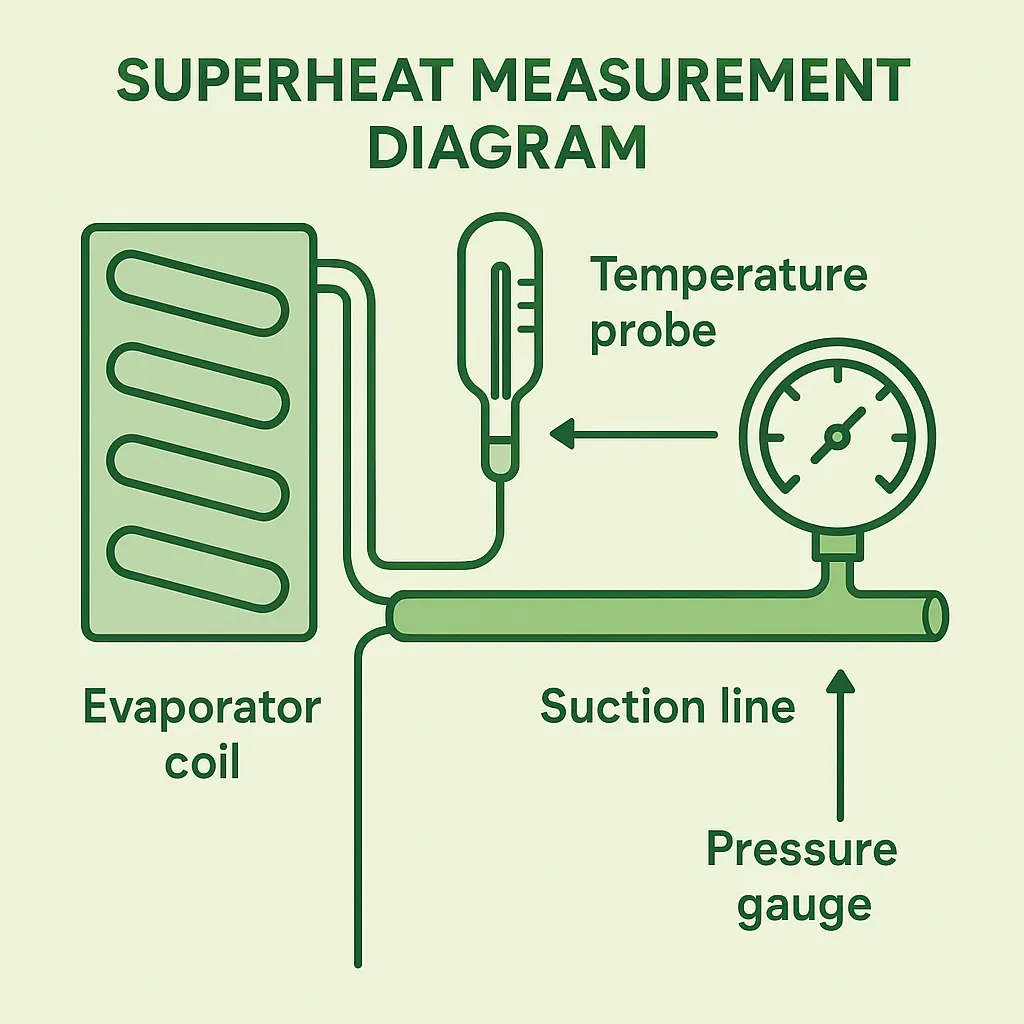
Accurate pressure measurement is the first step in diagnosing high suction pressure. Use a pressure gauge designed for refrigeration systems to measure suction pressure directly. Connect the gauge to the suction line service port and record the reading under normal operating conditions.
Compare the measured pressure with the manufacturer’s specifications. Abnormal readings may indicate blockages, overcharge, or mechanical issues. Check the pressure at different times to note any fluctuations or patterns.
Common Diagnostic Tools
- Manifold Gauge Set:Measures suction and discharge pressures simultaneously. Helps detect pressure imbalances.
- Thermometer:Measures temperature at various points. Temperature data supports pressure readings for system analysis.
- Leak Detector:Finds refrigerant leaks that can cause pressure irregularities.
- Vacuum Pump:Removes air and moisture before charging. Ensures accurate pressure readings.
- Flow Meter:Checks refrigerant flow rate. Low flow can cause high suction pressure.

Credit: www.reddit.com
Preventive Measures And Maintenance
High suction pressure in refrigeration systems can lead to decreased efficiency and increased wear on components. Preventive measures and regular maintenance are essential to keep your system running smoothly and avoid costly repairs. Let’s look at practical steps you can take to maintain optimal suction pressure and extend the life of your refrigeration unit.
Regular System Inspection
Routine inspections help you catch potential issues before they escalate. Check the refrigerant levels and look for signs of leaks or blockages that can cause suction pressure to rise. Pay attention to the cleanliness of coils and filters—dirt buildup can restrict airflow and affect pressure.
Have you ever noticed your system working harder than usual? That’s often a sign that something needs attention. A simple visual check of belts, electrical connections, and fan motors can reveal problems early. Regular inspection doesn’t just prevent high suction pressure; it improves overall system reliability.
Timely Component Replacement
Worn-out parts are a common cause of suction pressure issues. Components like expansion valves, compressors, and suction line accumulators should be replaced according to the manufacturer’s schedule or when performance drops. Delaying replacement can cause more damage and increase repair costs.
Think about the last time you ignored a small issue—it often turned into a bigger problem. Replacing parts on time keeps your system balanced and efficient. Keep a maintenance log to track component life and plan replacements before problems arise.
Credit: www.pureecoinc.com
Frequently Asked Questions
What Is High Suction Pressure In Refrigeration?
High suction pressure in refrigeration occurs when the pressure in the evaporator coil is higher than normal. This can lead to inefficient cooling and increased energy consumption. It usually indicates issues with system components or incorrect refrigerant charge, which need to be addressed to ensure optimal performance.
How Does Refrigerant Overcharge Cause High Suction Pressure?
Refrigerant overcharge increases the system’s pressure beyond the optimal level. This results in high suction pressure. Excess refrigerant can flood the evaporator, reducing its capacity to absorb heat. This leads to inefficient cooling and can damage the compressor over time if not corrected.
Can Dirty Coils Lead To High Suction Pressure?
Yes, dirty coils restrict airflow, causing the evaporator to absorb less heat. This results in higher suction pressure. The system works harder to achieve desired temperatures, increasing energy usage. Regular cleaning of coils is essential to maintain system efficiency and prevent high suction pressure issues.
Does A Malfunctioning Expansion Valve Affect Suction Pressure?
A malfunctioning expansion valve can affect suction pressure by improperly regulating refrigerant flow. If it fails to open or close correctly, it can lead to high or low suction pressure. Ensuring the expansion valve operates correctly is crucial for maintaining optimal system performance and efficiency.
Conclusion
High suction pressure in refrigeration can signal system issues. Common causes include dirty filters, blocked coils, or incorrect refrigerant levels. Regular checks help catch problems early and keep systems running smoothly. Fixing issues quickly saves energy and prevents damage. Understanding these causes helps maintain efficient cooling.
Keep an eye on pressure to avoid costly repairs. Simple maintenance steps go a long way in system health. Stay proactive and ensure your refrigeration works well every day.