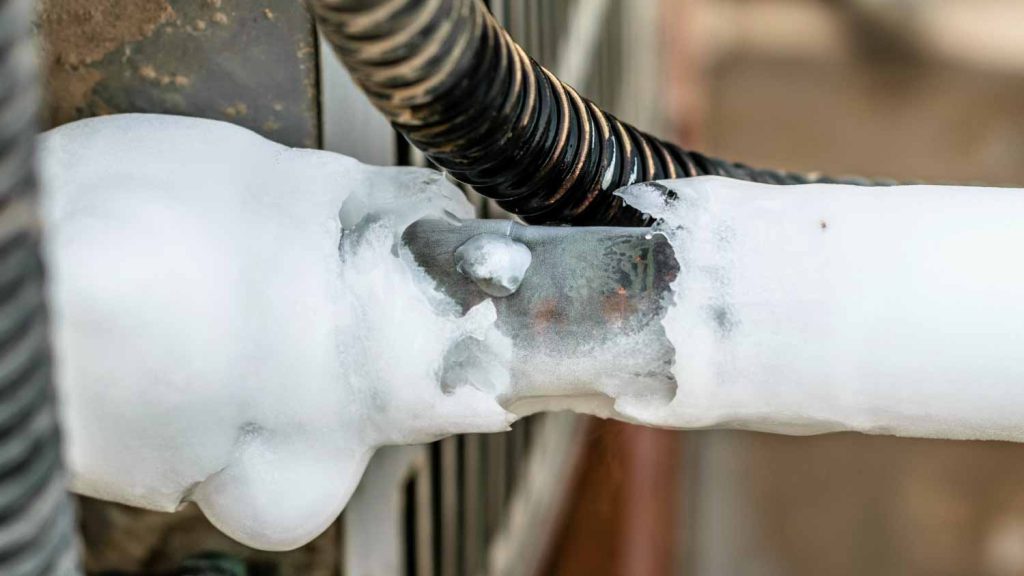
Have you ever looked at your air conditioner and noticed ice building up on the coils? It’s frustrating when your AC freezes up, leaving you hot and uncomfortable.
But why does this happen to your air conditioner? Understanding the common causes behind this problem can help you fix it fast and keep your home cool. You’ll discover exactly what makes your AC freeze and what you can do to stop it from happening again.
Keep reading to protect your comfort and save money on costly repairs.
Common Signs Of A Frozen Ac
Your air conditioner can freeze up for many reasons. It is important to spot the signs early. This helps avoid damage and costly repairs.
Frozen AC units do not cool well. They may also cause strange noises or poor airflow. Watch for these common signs to know if your AC is frozen.
Visible Ice Formation
One clear sign of a frozen AC is ice on the unit. Ice may form on the coils or around the refrigerant lines. You might also see frost or snow-like buildup.
Ice blocks the air from flowing properly. It can cause the system to stop working. Check your outdoor and indoor units for any ice or frost.
Reduced Airflow
Your AC may blow weak or little air when it is frozen. Ice buildup blocks the vents and coils. This reduces the amount of cool air inside your home.
Low airflow can also mean your air filter is dirty or your fan is not working well. But frozen coils are a common cause.
- Warm air coming from vents
- Rooms take longer to cool
- Fans run but no strong airflow
Unusual Noises
Frozen AC units sometimes make strange sounds. These can include gurgling, hissing, or banging noises. Ice can cause parts to stick or move oddly.
Listen closely to your air conditioner. Noises that are new or unusual might mean ice is forming inside. Turn off the unit and inspect it if you hear these sounds.
Low Refrigerant Levels
Air conditioners need the right amount of refrigerant to cool your home. Low refrigerant can cause the unit to freeze up. This problem stops your air conditioner from working well.
Understanding why low refrigerant happens helps you fix the freeze-up issue. It also helps keep your air conditioner running smoothly.
How Refrigerant Affects Cooling
Refrigerant absorbs heat from inside your home. It changes from liquid to gas in the cooling process. This change helps lower the air temperature.
If refrigerant is low, the pressure drops. This causes the coils to get too cold. When coils freeze, the air conditioner stops cooling properly.
Causes Of Refrigerant Leaks
Leaks let refrigerant escape from your air conditioner. This lowers the refrigerant level and can cause freeze-up. Leaks are common in older systems.
- Corroded or damaged coils
- Loose or broken fittings
- Wear and tear from age
- Punctures from accidents or pests
Poor Airflow Issues
Poor airflow can cause your air conditioner to freeze up. When air does not flow properly, the system struggles to work efficiently.
Several problems can block or reduce airflow. These issues make the air conditioner freeze and stop cooling your home.
Dirty Air Filters
Dirty air filters block air from passing through the system. This causes the evaporator coil to get too cold and freeze. Clean filters help air flow smoothly and keep the AC working well.
- Check filters every month during heavy use
- Replace or clean filters as needed
- Use the right size filter for your unit
Blocked Vents And Registers
Blocked vents and registers stop air from moving in and out of rooms. Furniture, curtains, or debris can cover these openings. This reduces airflow and causes freezing.
| Common Blockages | Effect on Airflow |
| Furniture in front of vents | Blocks air circulation |
| Closed or covered registers | Reduces airflow to rooms |
| Dust and debris buildup | Limits air movement |
Fan Malfunctions
The fan moves air across the coils. If the fan does not work well, airflow drops and the unit can freeze. Fan problems include motor failure, broken blades, or loose belts.
- Unusual noises from the AC unit
- Weak or no airflow from vents
- Fan blades not spinning properly

Credit: www.delcohvac.com
Thermostat And Temperature Problems
Your air conditioner can freeze up if the thermostat or temperature controls are not working right. These problems stop the AC from running smoothly.
Understanding how thermostat issues cause freezing helps you fix the problem faster. Two main issues are incorrect thermostat settings and faulty thermostat sensors.
Incorrect Thermostat Settings
Setting the thermostat too low makes the AC work harder than it should. This causes the coils to get very cold and freeze up.
If the fan setting is wrong, cold air does not circulate properly. This leads to ice buildup on the unit.
- Thermostat set below 70°F can cause freezing
- Fan set to “auto” may reduce airflow
- Setting temperature too close to outside temperature strains the system
Faulty Thermostat Sensors
Thermostat sensors measure the room temperature to control the AC. If sensors fail, the AC may run too long or too cold.
Bad sensors send wrong signals, causing the system to freeze. Checking sensor position and condition can help avoid this issue.
- Sensor near air vents may read wrong temperature
- Loose or broken wires affect sensor signals
- Old sensors may stop working properly
Drainage And Condensation Problems
An air conditioner can freeze up when it has drainage and condensation issues. These problems stop water from draining properly. This causes ice to form on the coils.
Understanding drainage and condensation problems helps you spot why your AC freezes. Fixing these issues keeps your system running well.
Clogged Drain Lines
Drain lines carry water away from your AC. Dirt and debris can clog these lines. When clogged, water pools inside the unit.
This standing water causes ice to build up on the coils. The AC then freezes and stops cooling properly.
- Leaves, dust, and mold block drain lines
- Clogs prevent water from draining out
- Water buildup leads to ice formation
- Regular cleaning keeps lines clear
Excess Moisture Build-up
Excess moisture in your AC can cause freezing. High humidity or leaks add more water than the system can handle.
This moisture freezes on the cooling coils. The ice blocks airflow and lowers the AC’s efficiency.
- High humidity increases condensation
- Leaking ducts add unwanted moisture
- Moisture freezes on cold coils
- Proper ventilation reduces moisture
Credit: blog.bestbuy.ca
Mechanical Failures
Air conditioners can freeze up due to mechanical failures. These problems stop the system from working correctly. Understanding these failures helps in fixing the issue quickly.
Two common causes are compressor issues and blower motor problems. Both affect the airflow and cooling process inside the unit.
Compressor Issues
The compressor pumps refrigerant through the system. If it fails, refrigerant flow stops, causing ice buildup. A weak or broken compressor may not cool air properly, leading to freezing.
- Compressor motor wear or failure
- Low refrigerant levels due to leaks
- Electrical problems affecting the compressor
- Overheating from poor ventilation
Blower Motor Problems
The blower motor moves air across the evaporator coil. If it stops or slows down, cold air does not flow well. This makes the coil too cold and causes ice to form.
| Blower Motor Issue | Effect on Air Conditioner |
| Motor failure | No airflow, coil freezes quickly |
| Dirty or clogged fan | Reduced airflow, partial freezing |
| Worn belt or loose parts | Weak airflow, uneven cooling |
| Electrical faults | Intermittent motor operation, freezing |
Preventive Maintenance Tips
An air conditioner can freeze up if it is not cared for properly. Preventive maintenance helps keep it running well. Simple steps can stop ice build-up on your AC.
Regular checks and care save money and keep your home cool. Use these tips to protect your air conditioner from freezing.
Regular Filter Cleaning
Dirty filters block airflow and cause the AC to freeze. Clean filters let air flow freely and keep the system balanced.
Check your filters every month during heavy use. Clean or replace them if they look dirty or clogged.
- Turn off the unit before cleaning filters
- Use a vacuum or rinse with water to clean reusable filters
- Replace disposable filters every 1-3 months
- Keep the area around the filters clean
Scheduled Professional Inspections
Technicians can spot problems you might miss. They check the refrigerant levels, coils, and other parts.
Set a yearly appointment to inspect and tune up your system. This helps prevent ice build-up and other issues.
- Check refrigerant levels and refill if low
- Clean evaporator and condenser coils
- Inspect electrical components and wiring
- Test thermostat and system operation
Proper Thermostat Use
Setting your thermostat too low makes the AC work harder and freeze. Use a moderate temperature to avoid this.
Use a programmable thermostat to keep steady temperatures. Avoid rapid changes that can cause frost on the coils.
- Set temperature to a comfortable but not too low level
- Avoid turning AC on and off frequently
- Use the fan setting to circulate air without cooling
- Check thermostat batteries and replace if needed
Credit: blog.bestbuy.ca
Frequently Asked Questions
Why Is My Ac Freezing Up In Summer?
Your AC may freeze up due to restricted airflow, low refrigerant levels, or a malfunctioning thermostat. Dirty filters or blocked vents can also contribute. Regular maintenance and cleaning can prevent these issues. Ensuring proper refrigerant levels and checking the thermostat can help maintain optimal performance.
How Does Low Refrigerant Cause Freezing?
Low refrigerant leads to reduced pressure inside the AC system. This causes the evaporator coil to become too cold, leading to ice formation. Regularly checking and refilling refrigerant levels can prevent this issue. Contact a professional to handle refrigerant-related problems safely and effectively.
Can Dirty Filters Freeze My Air Conditioner?
Yes, dirty filters restrict airflow, causing the evaporator coil to freeze. This happens because of reduced heat exchange. Regularly cleaning or replacing filters ensures proper airflow. This, in turn, helps maintain the efficiency of your air conditioner and prevents freezing issues.
How Often Should I Clean Ac Filters?
Clean or replace AC filters every 1-2 months, especially during peak usage. Regular maintenance ensures efficient airflow and reduces the risk of freezing. This simple step can improve your AC’s performance and prolong its lifespan, keeping your home comfortable.
Conclusion
Frozen air conditioners often signal airflow or refrigerant problems. Dirty filters or blocked vents reduce air movement, causing ice buildup. Low refrigerant levels also lead to freezing. Regular maintenance keeps your system running smoothly. Clean filters and clear vents help prevent freezing.
Check refrigerant levels and call a technician if needed. Acting quickly avoids costly repairs and discomfort. Stay alert to signs of freezing to protect your AC. Simple care ensures cool air all summer long.