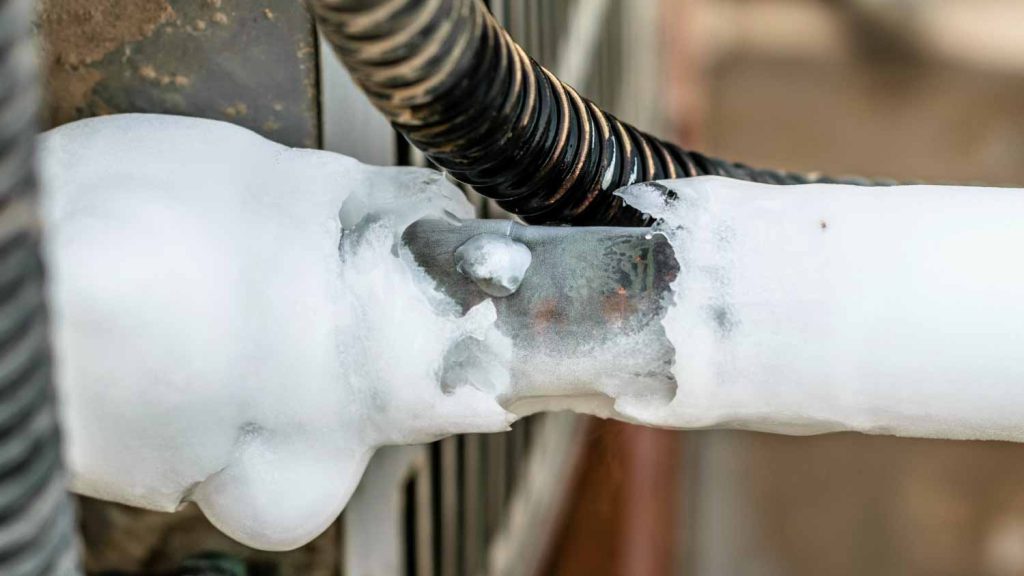
Have you ever noticed ice building up on your air conditioner’s pipes and wondered why it’s happening? Frozen pipes can lead to big problems, like reduced cooling or even costly repairs.
Understanding what causes your air conditioner’s pipes to freeze is key to keeping your system running smoothly and avoiding unexpected breakdowns. You’ll discover the main reasons behind frozen AC pipes and learn simple tips to protect your home. Keep reading—you’ll be glad you did.
Common Causes Of Frozen Ac Pipes
Low refrigerant levelscause the AC pipes to get very cold. This makes moisture freeze on the pipes. The freezing blocks the flow of air and cools less effectively.
Poor airflowlimits warm air reaching the pipes. Blocked vents or closed doors stop air from moving. This causes the pipes to become too cold and freeze.
Dirty air filtersreduce airflow. Dust and dirt build up and block air. The AC works harder, and pipes freeze because cold air stays trapped.
Thermostat issuesmake the AC run longer than needed. This lowers the temperature too much. Pipes get very cold and ice forms on them.

Credit: comfortzoneofnf.com
How Temperature Affects Ac Pipes
Outdoor weather plays a big role in freezing AC pipes. Cold air lowers the temperature around the pipes. When the temperature drops below freezing, moisture can turn into ice on the pipes. This ice blocks the flow of refrigerant and air, causing problems.
Inside, the temperature settings affect the pipes too. Setting the thermostat too low makes the AC work harder. This can cause the pipes to get colder than they should. When the pipes get too cold, ice can form. Keeping the indoor temperature steady helps prevent this.
Role Of Refrigerant In Freezing
Refrigerant leakscause low pressure in the AC system. This drop makes the evaporator coil too cold. Moisture then freezes on the coil and pipes. Leaks reduce cooling power and can damage the unit over time.
Incorrect refrigerant chargealso causes freezing. Too little or too much refrigerant changes pressure levels. This imbalance makes the coil temperature drop below freezing. Ice builds up on pipes, blocking airflow and stopping cooling.
| Issue | Effect | Result |
|---|---|---|
| Refrigerant Leaks | Low system pressure | Freezing on coils and pipes |
| Incorrect Refrigerant Charge | Pressure imbalance | Ice buildup blocks airflow |
Effects Of Blocked Air Vents
Blocked air ventscause poor air flowin air conditioners. This limits the warm airreaching the pipes. Without enough warm air, pipes become very cold. This can lead to pipe freezing.
Restricted air circulationmeans cold spots form on the pipes. These spots can turn into ice buildup. Ice blocks the pipe and stops water flow. This puts stress on the system and may cause damage.
The pipe temperature dropsquickly when air vents are blocked. The cold air stays trapped near the pipes. The pipes lose heat and freeze faster than normal. This makes the air conditioner work harder and may break parts.
Maintenance Practices To Prevent Freezing
Regularly replacing the air filterkeeps dirt and dust from blocking airflow. A clean filter helps the air conditioner work well and stops pipes from freezing.
Checking the refrigerant levelsensures the system cools properly. Low refrigerant causes pipes to get too cold and freeze.
Ensuring proper airflowlets air move freely around the coils. Blocked or limited airflow makes pipes freeze faster.
- Change filters every 1-3 months.
- Have a professional check refrigerant yearly.
- Keep vents and registers open and unblocked.
Credit: interstateac.com
Signs Of Frozen Ac Pipes
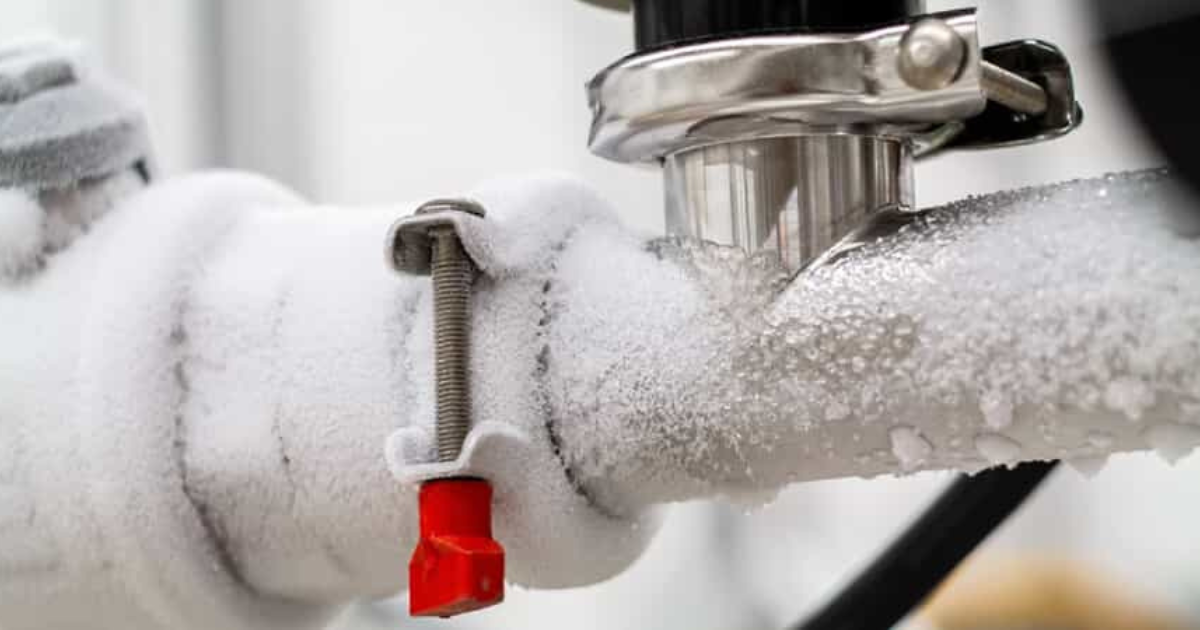
Frozen AC pipes often show clear signs that are easy to spot. Visible ice formationon the pipes is the most obvious sign. Ice can build up around the refrigerant lines or outdoor unit. This ice blocks airflow and stops the air conditioner from working well.
Reduced cooling efficiencyhappens because frozen pipes restrict the flow of refrigerant. The AC struggles to cool your home. You may notice the air feels warmer than usual, even when the AC runs.
Unusual noiseslike hissing or bubbling can come from the frozen pipes. These sounds mean the system is under stress. It may cause damage if left untreated.
Steps To Thaw Frozen Pipes Safely
Turn off the AC unitto stop more ice from forming on the pipes. This prevents damage and lets the pipes warm up safely. Avoid trying to fix the unit while it is still running.
Use warm towelsto cover the frozen pipes. The heat from the towels will help melt the ice slowly. Change the towels often to keep the warmth steady. Do not use hot water or open flames, as these can harm the pipes.
Call a professionalif the pipes stay frozen or if you see cracks. Experts can safely thaw pipes and fix any problems. They have the right tools and knowledge to avoid damage.

Credit: www.reddit.com
Frequently Asked Questions
Why Do Air Conditioner Pipes Freeze?
Air conditioner pipes freeze mainly due to restricted airflow or low refrigerant levels. Poor maintenance, dirty filters, or blocked vents reduce airflow. Low refrigerant causes the evaporator coil to get too cold, forming ice on the pipes.
How Does Low Refrigerant Cause Freezing?
Low refrigerant lowers pressure inside the AC system. This causes the evaporator coil temperature to drop below freezing. Moisture in the air then freezes on the coil and pipes, leading to pipe freezing and reduced cooling efficiency.
Can Dirty Air Filters Cause Pipe Freezing?
Yes, dirty air filters restrict airflow over the evaporator coil. Reduced airflow causes the coil to get too cold, leading to ice buildup on pipes. Regular filter cleaning or replacement prevents this issue and maintains proper AC function.
What Role Does Airflow Play In Pipe Freezing?
Proper airflow keeps the evaporator coil warm enough to prevent ice. When airflow is blocked or limited, the coil temperature drops. This causes condensation to freeze on pipes, resulting in frozen AC pipes and potential system damage.
Conclusion
Frozen pipes in an air conditioner happen mainly due to low airflow and low refrigerant. Dirt and blocked filters reduce airflow, causing freezing. Leaks or low refrigerant levels also lead to ice buildup. Regular cleaning and timely maintenance help keep pipes clear and working well.
Watch for signs like weak cooling or strange noises. Acting fast can prevent bigger problems. Keep your AC running smoothly by checking these issues often. Simple care keeps your home comfortable and your system healthy.