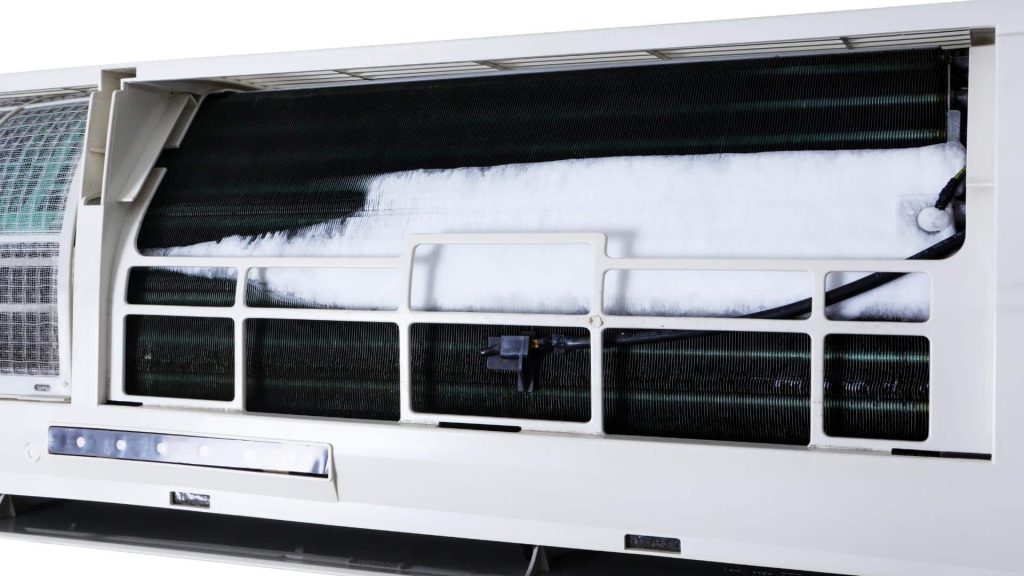
Have you ever noticed your RV AC suddenly freezing up, leaving you in an uncomfortable heat? It’s frustrating when your cooling system stops working just when you need it most.
Understanding what causes your RV AC to freeze up can save you time, money, and stress. You’ll discover the common reasons behind this issue and learn how to prevent it from happening again. Keep reading to make sure your RV stays cool and comfortable no matter where the road takes you.

Credit: furrion.com
Common Causes Of Rv Ac Freezing
Understanding why your RV AC freezes up can save you from discomfort and costly repairs. Several common issues cause this problem, and many are easy to fix once you know what to look for. Let’s break down the main culprits so you can keep your RV cool and comfortable.
Low Refrigerant Levels
Refrigerant is essential for your AC to cool the air properly. If levels drop too low, the system can’t absorb heat efficiently, causing ice to form on the coils. Have you checked your refrigerant recently? A simple leak can lead to this issue, and a professional refill might be necessary.
Dirty Air Filters
Dirty air filters block airflow, reducing the AC’s ability to cool your RV. This restriction causes the evaporator coil to get too cold and freeze up. Cleaning or replacing your air filter regularly is one of the easiest ways to prevent this problem.
Blocked Airflow
Besides dirty filters, other airflow blockages can cause freezing. Objects like furniture or curtains can restrict vents, and even dirt buildup in the ducts can reduce airflow. Take a moment to inspect your vents and clear any obstructions—you might be surprised how much it helps.
Thermostat Issues
If your thermostat malfunctions or is set incorrectly, the AC might run longer than needed, leading to freezing. Sometimes the thermostat sensor is not reading the temperature accurately, causing the system to overcool. Double-check your settings and consider replacing a faulty thermostat for better control.
Fan Problems
The fan moves air across the evaporator coil, helping prevent ice buildup. If the fan motor or blades aren’t working properly, airflow decreases, and freezing becomes likely. Listen for unusual noises or check if the fan stops running—these signs point to a fan issue that needs fixing.
How Low Refrigerant Leads To Freezing
Low refrigerant in your RV’s AC system can cause it to freeze up, creating a frustrating and uncomfortable situation. Refrigerant is essential for absorbing heat and cooling the air. When its levels drop, the system struggles to maintain the right temperature, leading to frozen coils and blocked airflow.
Leaks And Their Impact
Leaks are the most common reason for low refrigerant. Even a tiny hole in the AC lines can let refrigerant escape slowly over time. This loss reduces the pressure inside the system, which causes the evaporator coil to get too cold and freeze.
If you ignore a leak, the problem worsens. Your AC will work harder, using more energy and wearing out faster. Have you noticed your AC running nonstop or blowing warm air? These could be signs your system is low on refrigerant due to a leak.
Signs Of Refrigerant Loss
- Reduced Cooling Efficiency:Your RV’s AC takes longer to cool the space or struggles to reach the desired temperature.
- Ice Buildup on Coils:Visible frost or ice on the evaporator coils is a clear indicator of low refrigerant.
- Hissing Sounds:Unusual noises can mean refrigerant is escaping from the system.
- Higher Energy Bills:A leaking system uses more power to cool your RV, leading to increased costs.
Have you checked these signs on your RV’s AC lately? Catching low refrigerant early can save you time and money, preventing a complete freeze-up that stops your AC from working altogether.
Effects Of Dirty Air Filters On Cooling
Dirty air filters block airflow, causing the RV AC coil to get too cold. This leads to ice buildup and freezing issues. Regular filter cleaning helps keep the system running smoothly and prevents freeze-ups.
Dirty air filters can severely affect the cooling efficiency of your RV AC. When filters clog, airflow reduces, straining the system. This can lead to various issues, including freezing up. Understanding these effects can help maintain a comfortable and functional RV environment.Reduced Airflow
Clogged filters restrict airflow within the AC system. This results in the compressor working harder to maintain temperature. Reduced airflow can cause the evaporator coil to become too cold. The coil may start freezing due to insufficient warm air. This disrupts the cooling cycle, affecting performance.Ice Formation Risks
A dirty filter increases the risk of ice formation. As airflow decreases, the cooling coils drop below freezing. This causes moisture to freeze on the coils. Ice buildup further obstructs airflow, creating a vicious cycle. Eventually, the AC may stop working altogether. Regular filter maintenance can prevent ice-related issues.Impact Of Blocked Airflow
Blocked airflow is a major reason why an RV AC can freeze up. The air must move freely for the unit to work right. Without proper airflow, cold air builds up on the coils. This causes ice to form and the AC to stop cooling.
Airflow issues also make the AC work harder. This can cause damage and shorten the system’s life. Understanding where blockages happen helps keep the unit running smoothly.
Common Blockage Areas
- Air filters clogged with dust and dirt
- Blocked or dirty evaporator coils
- Obstructed vents or registers inside the RV
- Debris or leaves blocking outdoor condenser unit
- Closed or partially closed air dampers
Each of these areas can stop air from flowing well. Dust and debris often cause the biggest problems. Checking and cleaning these spots regularly is key.
Preventing Airflow Problems
- Clean or replace air filters monthly
- Inspect evaporator coils for dirt and frost
- Keep vents and registers clear of furniture or objects
- Remove leaves and debris from the outdoor unit
- Ensure air dampers are fully open
- Schedule regular professional maintenance checks
Good airflow stops freezing and keeps your RV cool. Simple care steps prevent costly repairs and improve comfort.
Thermostat And Fan-related Freezing Issues
Thermostat and fan-related problems are common reasons your RV AC might freeze up. These components control temperature regulation and airflow, so any malfunction can disrupt the cooling process. Understanding how these parts work can help you spot issues early and avoid costly repairs.
Thermostat Malfunctions
Your thermostat tells the AC when to turn on and off based on the temperature setting. If it malfunctions, the AC might run non-stop, causing the coils to freeze. Sometimes, the thermostat sensor gets dirty or misaligned, sending wrong signals.
Have you ever noticed your AC running even when the RV feels too cold? That’s often a thermostat issue. Try cleaning the sensor gently or recalibrating the thermostat. If the problem persists, replacing the thermostat might be necessary to stop the freeze-ups.
Fan Motor Failures
The fan moves air over the evaporator coil, which helps prevent ice buildup. A failing fan motor means less airflow, causing the coil to get too cold and freeze. You might hear unusual noises or feel weak airflow before the freezing starts.
Check your fan blades for dirt or damage and clean them regularly. If the fan isn’t spinning properly, the motor might need lubrication or replacement. Keeping the fan in good shape ensures proper airflow and stops freezing problems before they start.

Credit: www.lippert.com
Quick Fixes For A Frozen Rv Ac
Dealing with a frozen RV AC can be frustrating, especially when you’re on the road and need quick relief from the heat. Fortunately, many causes of freezing are simple to fix without calling a professional. By addressing common issues promptly, you can restore your AC’s performance and stay comfortable on your journey.
Replacing Or Cleaning Air Filters
Dirty or clogged air filters reduce airflow, causing your RV AC to freeze up. Check your filter and if it’s dusty or blocked, clean it or replace it with a new one. This simple step often restores airflow and prevents ice buildup quickly.
Checking And Refilling Refrigerant
Low refrigerant levels can cause your AC to freeze. You might notice reduced cooling or ice forming on the coils. If you suspect this, get your refrigerant checked and refilled by a certified technician to avoid damaging the system.
Clearing Airflow Blockages
Blocked vents or dirty coils restrict airflow and lead to freezing. Inspect your vents and evaporator coils for debris or dirt. Clear away any obstructions and clean the coils gently to help air circulate properly again.
Inspecting And Repairing Thermostat
Your thermostat controls when the AC cycles on and off. A malfunctioning thermostat can cause the unit to run too long, freezing the system. Test your thermostat’s settings and replace the batteries or the entire unit if necessary to ensure accurate temperature control.
Fixing Fan Problems
The fan moves air over the evaporator coils, preventing ice buildup. If the fan isn’t working right, ice can form quickly. Listen for unusual noises or check if the fan blades spin freely, then repair or replace the fan motor as needed to keep air flowing smoothly.
Preventive Tips To Avoid Freezing
Freezing of an RV AC unit causes discomfort and can damage the system. Preventing this issue starts with simple daily habits and regular care. Small actions taken early avoid costly repairs and keep the AC running smoothly.
Regular Maintenance Schedule
Clean the air filters every month during use. Dirty filters block airflow, causing ice buildup. Check the refrigerant levels regularly. Low refrigerant makes the AC work harder and freeze up. Inspect the coils and clean dirt or debris. Schedule a professional tune-up at least once a year. This keeps all parts working well and prevents freezing problems.
Proper Use Of Thermostat
Set the thermostat to a moderate temperature, not too low. Very cold settings cause the unit to freeze faster. Avoid sudden changes in temperature settings. Let the AC adjust slowly to prevent stress on the system. Use a programmable thermostat to keep stable temperatures. This helps the AC run efficiently and avoid freezing.
Keeping Vents Clear
Keep all vents open and unblocked for good airflow. Closed or blocked vents reduce air circulation, causing ice buildup. Remove any furniture or objects near the vents. Check the ducts for leaks or damage. Clean the vents regularly to remove dust and dirt. Good airflow prevents freezing and improves cooling performance.

Credit: www.lippert.com
Frequently Asked Questions
Why Does My Rv Ac Freeze Up Quickly?
Your RV AC freezes due to low refrigerant, dirty filters, or poor airflow. These issues cause the evaporator coil to get too cold and ice forms.
How Can Dirty Filters Cause Rv Ac Freezing?
Dirty filters restrict airflow over the evaporator coil. Reduced airflow lowers coil temperature, causing moisture to freeze and block cooling efficiency.
Does Low Refrigerant Lead To Rv Ac Freezing?
Yes, low refrigerant reduces pressure in the AC system. This causes coils to drop below freezing, leading to ice buildup and system freeze-up.
Can Blocked Vents Cause Rv Ac To Freeze?
Blocked or closed vents limit airflow. This reduces heat exchange on the evaporator coil, causing it to freeze and stop the AC from cooling properly.
Conclusion
RV AC freezing happens due to low airflow or dirty filters. Ice builds up when refrigerant levels are low or the thermostat is faulty. Regular cleaning and proper maintenance help keep the system working well. Check the fan and vents to avoid blockages.
Small problems can cause big issues if ignored. Stay alert to signs like weak cooling or unusual sounds. Fix issues quickly to enjoy a cool and comfortable RV trip. Taking care of your AC saves time and money in the long run.