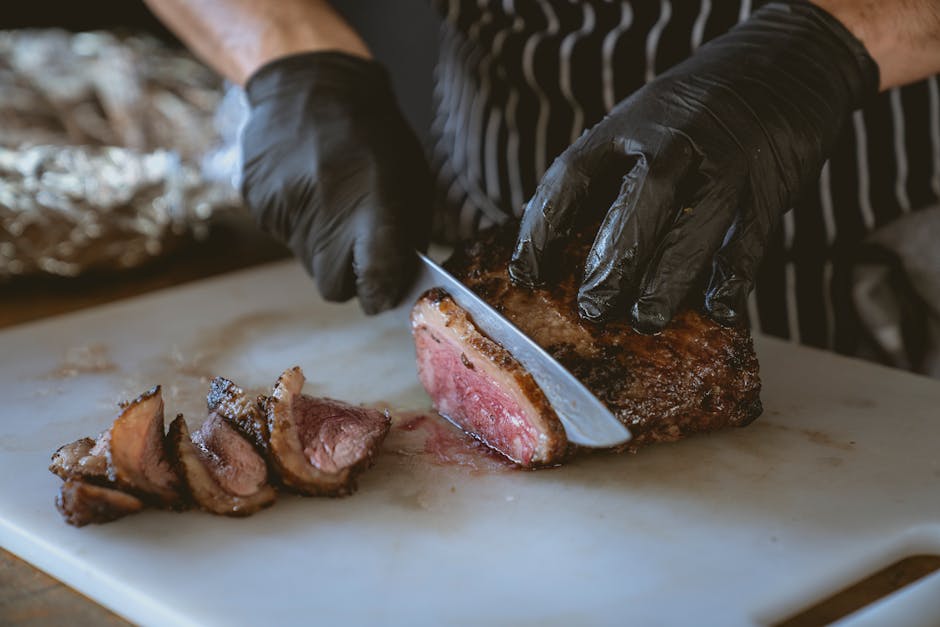
Have you ever wondered what chopping boards top chefs rely on in their busy kitchens? The right chopping board can make a huge difference in how you prepare your meals—affecting everything from knife sharpness to food safety.
If you want to cook like a pro and keep your kitchen tools in perfect shape, understanding which chopping boards chefs choose is key. Keep reading to discover the secrets behind their picks and how you can bring that same efficiency and care into your own cooking space.
Popular Materials
Chefs use chopping boards made from different materials. Each material has its own benefits and uses.
Choosing the right board helps with cutting and keeps knives sharp for longer.
Wood Varieties
Wood chopping boards are popular in many kitchens. They are gentle on knives and have a natural look.
Common wood types include maple, walnut, and cherry. Each type has different hardness and color.
- Maple is hard and durable
- Walnut has a dark, rich color
- Cherry is softer and reddish
Plastic Options
Plastic boards are lightweight and easy to clean. Many chefs like them for raw meat because they can be sanitized well.
They come in different colors, which helps avoid cross-contamination by using a color for each food type.
- Polypropylene is common and strong
- Non-porous surface stops bacteria
- Dishwasher safe for easy cleaning
Bamboo Benefits
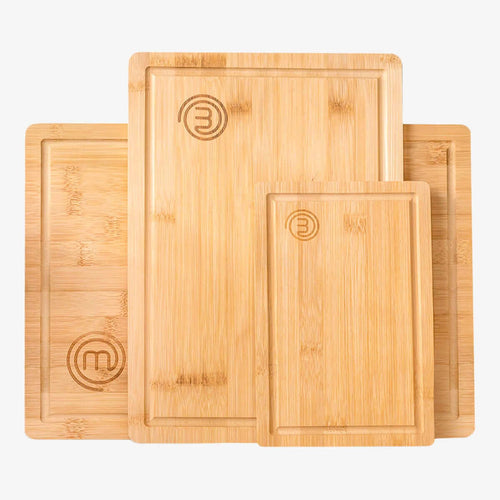
Bamboo boards are eco-friendly and fast growing. They are harder than many woods but still kind to knives.
Bamboo resists water and bacteria better than some wood boards. It is also lightweight and easy to move.
- Renewable and sustainable material
- Natural resistance to moisture
- Lightweight and strong
Composite Boards
Composite boards mix wood fibers and resin. They are very durable and often heat resistant.
Chefs like composite boards for heavy use because they do not warp or crack easily.
- Made from wood fibers and resin
- Strong and long-lasting
- Can handle hot pots and pans
Size And Shape Choices
Chefs pick chopping boards based on size and shape to fit their kitchen needs. The right board helps prepare food safely and efficiently.
Boards come in many sizes and shapes. This lets chefs choose what works best for their space and cooking style.
Standard Dimensions
Most chopping boards have common sizes that suit everyday kitchen tasks. These sizes balance space and cutting area well.
- Small boards: around 8 x 10 inches for light prep
- Medium boards: about 12 x 18 inches for most chopping
- Large boards: 18 x 24 inches or bigger for big jobs
Thickness also matters. Thicker boards last longer and handle heavy chopping.
Custom Shapes
Some chefs use boards with unique shapes to fit special tasks. Shapes can improve comfort and function.
- Oval or round boards for easy rolling of dough
- Boards with juice grooves to catch liquids
- Boards with handles for easy lifting and moving
Custom shapes help chefs work faster and keep kitchens tidy.
Portability Factors
Chefs often need to move chopping boards around. Portability is important in busy kitchens.
- Lightweight materials like plastic or bamboo ease carrying
- Handles or cut-outs make lifting safer
- Non-slip feet keep boards steady on counters
Portable boards let chefs work in different spots quickly and safely.
Durability And Maintenance
Chefs choose chopping boards that last long and are easy to care for. Durability and maintenance help keep boards safe and clean.
Proper cleaning and handling keep boards in good shape. This guide covers key points to help your board last.
Cleaning Techniques
Cleaning chopping boards removes germs and food particles. Use hot, soapy water after each use. Rinse well and dry completely.
- Wash with dish soap and warm water
- Scrub with a brush or sponge
- Sanitize with vinegar or diluted bleach occasionally
- Do not soak wooden boards in water
- Air dry boards standing up to avoid moisture
Avoiding Damage
Protect boards from cuts and warping by using proper tools and storage. Avoid harsh cleaning tools that can scratch or crack the surface.
| Cause of Damage | How to Avoid |
| Deep knife cuts | Use boards made of durable wood or plastic |
| Warping from water | Do not soak; dry boards upright |
| Cracks from heat | Keep boards away from hot surfaces |
| Scratches from cleaning | Use soft brushes or sponges only |
Longevity Tips
Follow simple steps to extend the life of your chopping board. Regular care prevents damage and keeps the board safe.
- Oil wooden boards monthly with food-safe mineral oil
- Store boards in a dry, cool place
- Use separate boards for meat and vegetables
- Replace boards when deep grooves appear
Credit: masterchef.com
Specialized Boards
Chefs use different chopping boards for specific tasks. These boards help keep food safe and work easy.
Specialized boards come in various types. Each type fits a certain kitchen job.
Butcher Blocks
Butcher blocks are thick, heavy boards made from hardwood. They handle tough cutting and chopping well.
They are durable and protect knives from dulling fast. Chefs use them for cutting large meat pieces.
Carving Boards
Carving boards have a groove around the edge. This groove catches juices from cooked meat.
They are usually made from wood or plastic. These boards help keep the workspace clean during carving.
Color-coded Systems
Color-coded boards prevent cross-contamination. Each color is for a different food type.
- Red for raw meat
- Blue for fish
- Green for vegetables
- Yellow for cooked food
- Brown for poultry
This system helps chefs work safely and follow hygiene rules.
Chef Preferences
Chefs choose chopping boards based on their needs in the kitchen. Their choices depend on durability, hygiene, and ease of use.
Different materials and sizes suit different cooking styles. Chefs often pick boards that help them work fast and cleanly.
Top Chef Favorites
Many chefs prefer wooden boards for cutting vegetables and meats. Wood is gentle on knives and lasts a long time.
Plastic boards are also popular. They are easy to clean and good for raw meats to avoid cross-contamination.
- Hardwood boards like maple or walnut
- Plastic boards in different colors for food safety
- Bamboo boards for a lightweight option
Professional Kitchen Practices
Chefs use separate boards for different foods. This stops germs from spreading between raw and cooked items.
They clean boards carefully after every use. Some kitchens use dishwasher-safe boards for quick cleaning.
- Use color-coded boards for meat, fish, and vegetables
- Sanitize boards after each use
- Replace boards when worn or deeply cut
Personalization Trends
Some chefs like to personalize their boards with names or logos. This adds a special touch to their kitchen tools.
Custom sizes and shapes help chefs work better. They pick boards that fit their workspace and cutting style.
- Engraved wooden boards for identity
- Boards designed for specific tasks
- Mixing materials for style and function

Credit: www.surlatable.com
Buying Guide
Chefs use different chopping boards for various tasks. Choosing the right one helps keep food safe and kitchen neat.
Here are key points to consider before buying a chopping board like a chef.
Budget Considerations
Chopping boards come in many price ranges. You can find cheap ones and expensive ones.
Think about how often you cook and your budget before buying.
- Basic plastic boards are usually the cheapest.
- Wooden boards cost more but last longer.
- High-end boards may have extra features like juice grooves.
Material Comparison
Material affects how the board feels and works. Some materials are better for certain foods.
| Material | Pros | Cons |
|---|---|---|
| Wood | Gentle on knives, natural antibacterial properties | Needs regular oiling, not dishwasher safe |
| Plastic | Easy to clean, dishwasher safe, affordable | Can get deep cuts, may stain or smell |
| Bamboo | Eco-friendly, durable, light | Harder on knives, needs maintenance |
| Composite | Durable, heat resistant, low maintenance | Usually expensive, heavier |
Where To Buy
You can buy chopping boards from many places. Choose stores that offer quality and good selection.
Look for kitchen supply shops, big retailers, or online stores.
- Kitchen specialty stores have expert advice and variety.
- Large stores often sell popular brands at good prices.
- Online shops provide many options and customer reviews.

Credit: www.coolinastore.com
Frequently Asked Questions
What Materials Do Professional Chefs Prefer For Chopping Boards?
Professional chefs often prefer wooden or bamboo chopping boards. These materials are durable, knife-friendly, and naturally antimicrobial. Plastic boards are also common for their ease of cleaning and color-coding to prevent cross-contamination. Each material suits different kitchen needs and hygiene standards.
Why Do Chefs Use Color-coded Chopping Boards?
Chefs use color-coded chopping boards to prevent cross-contamination. Each color represents a specific food type, like red for meat or green for vegetables. This system maintains hygiene, reduces bacteria spread, and keeps food preparation safe and organized in busy kitchens.
How Often Should Chefs Replace Their Chopping Boards?
Chefs replace chopping boards when deep cuts or grooves develop. These can harbor bacteria and make cleaning difficult. Regular inspection and maintenance ensure hygiene and food safety. Typically, replacement depends on usage frequency and board condition, balancing durability and sanitation.
Are Wooden Chopping Boards Better For Knife Maintenance?
Yes, wooden chopping boards are gentler on knives. They absorb impact and reduce blade dulling compared to harder surfaces. This extends knife sharpness and performance. Chefs often choose wood to protect their tools while ensuring a stable cutting surface.
Conclusion
Chefs choose chopping boards based on material and use. Wood boards offer durability and knife safety. Plastic boards are easy to clean and light. Bamboo boards provide a natural, eco-friendly option. Each board suits different kitchen tasks well. Selecting the right board helps keep food safe.
It also makes cooking easier and more fun. Consider your needs before picking a chopping board. Quality and care extend the board’s life. A good chopping board supports your cooking every day.