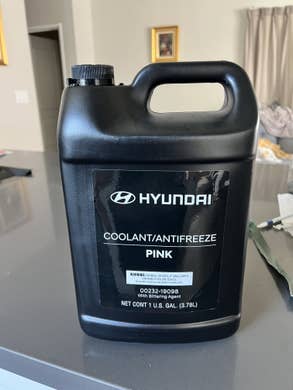
If you own a Hyundai, you know how important it is to keep your engine running smoothly. One key part of that is using the right coolant.
But have you ever wondered, “What color coolant does Hyundai use? ” Picking the wrong type can cause serious damage and cost you a lot in repairs. You’ll discover exactly which coolant color is best for your Hyundai and why it matters.
Keep reading to protect your car and keep it performing at its best.
Hyundai Coolant Colors
Understanding Hyundai coolant colorscan save you from costly mistakes. Coolant color is not just about looks—it indicates the type and formulation of the fluid inside. Using the wrong coolant can lead to engine damage, corrosion, or overheating.
Let’s break down the common coolant colors you’ll find and how they relate to Hyundai vehicles.
Common Coolant Colors
Coolants come in a variety of colors, each representing a different chemical makeup. The most common ones you’ll see include:
- Green:Traditional inorganic additive technology (IAT) coolant. Often used in older vehicles.
- Orange:Organic acid technology (OAT) coolant. Designed for longer life and better corrosion protection.
- Pink/Red:Hybrid organic acid technology (HOAT) coolant. Combines benefits of both IAT and OAT.
- Blue:Phosphate-free coolant, sometimes used in specific models or regions.
Color alone doesn’t guarantee compatibility, so always check your owner’s manual or service guide.
Coolant Color And Vehicle Models
Hyundai uses different coolant colors depending on the vehicle’s engine and year.
| Hyundai Model | Year Range | Recommended Coolant Color | Coolant Type |
|---|---|---|---|
| Elantra | 2011 and newer | Orange | Organic Acid Technology (OAT) |
| Sonata | 2015 and newer | Pink/Red | Hybrid Organic Acid Technology (HOAT) |
| Tucson | All models | Green | Inorganic Additive Technology (IAT) |
| Santa Fe | 2013 and newer | Blue | Phosphate-Free Coolant |
Have you ever mixed coolants without checking compatibility? It often leads to sludge buildup or cooling inefficiency. Stick to the recommended color and type for your Hyundai model to keep your engine running smoothly.

Credit: www.amazon.com
Types Of Hyundai Coolants
Choosing the right coolant for your Hyundai is more than just picking a color. Different types of coolants serve specific purposes and match particular engine requirements. Understanding these types helps you maintain your vehicle’s performance and avoid costly repairs.
Inorganic Additive Technology (iat)
IAT coolants are the traditional type, commonly green in color. They use silicates, phosphates, and other additives to protect your engine from corrosion and overheating.
This coolant needs to be changed every two years or 30,000 miles because its protective qualities wear off faster. If your Hyundai is an older model, IAT might be what you need, but always check your owner’s manual first.
Organic Acid Technology (oat)
OAT coolants are usually orange, red, or pink. They last longer than IAT because they use organic acids to prevent corrosion without silicates or phosphates.
Hyundai models built after the mid-2000s often require OAT coolant. It’s great if you want longer intervals between coolant changes, but mixing OAT with other types can cause problems.
Hybrid Organic Acid Technology (hoat)
HOAT coolants combine features of both IAT and OAT, typically coming in yellow or turquoise colors. They include organic acids along with silicates to offer strong, long-lasting protection.
Many newer Hyundai vehicles recommend HOAT coolants for their balanced performance. Have you checked what color your current coolant is? It might save you from mixing incompatible types and damaging your engine.
Identifying Your Hyundai Coolant
Identifying the right coolant for your Hyundai is important for engine health. Using the correct coolant helps prevent overheating and corrosion. Hyundai vehicles often require specific coolant types and colors.
Knowing your Hyundai’s coolant color can guide you in choosing the right product. It also helps during maintenance or topping off the fluid. Several simple ways exist to identify the coolant type in your car.
Checking The Owner’s Manual
The owner’s manual is the best source for coolant information. It lists the recommended coolant type and color. Manuals often provide details about coolant change intervals too.
Look under sections like “Engine Cooling System” or “Fluids.” The manual may specify if Hyundai uses orange, green, or another color coolant. Follow the manual’s advice strictly to avoid damage.
Examining The Coolant Reservoir
The coolant reservoir is a clear plastic tank near the engine. Open the hood and find this container. The fluid inside shows its color clearly.
Hyundai commonly uses orange or red coolant. Some models may have green or yellow as well. Check the level and color carefully. Avoid opening when the engine is hot.
Using Coolant Test Strips
Coolant test strips check the chemical makeup of the fluid. They can confirm if the coolant matches Hyundai’s specifications. Dip a strip into the reservoir fluid for a few seconds.
Compare the strip color with the chart included. This test helps identify coolant type beyond just color observation. It ensures the coolant has the right properties for your Hyundai engine.
Why Coolant Color Matters
Coolant color is more than just a shade. It signals the type of coolant your Hyundai uses. This helps keep the engine safe and working well. Different colors mean different chemicals. Using the right color ensures your car runs smoothly.
Preventing Engine Damage
Coolant protects the engine from overheating. The right color means the correct formula. This formula stops rust and corrosion inside the engine. Wrong coolant can cause serious damage over time. Sticking to Hyundai’s recommended color helps avoid costly repairs.
Maintaining Cooling Efficiency
Each coolant color has unique properties. These properties maintain the engine’s temperature. Proper cooling stops the engine from getting too hot or freezing in cold weather. Using the correct color keeps the cooling system efficient and stable.
Avoiding Chemical Reactions
Mixing different coolant colors can cause bad reactions. These reactions reduce coolant effectiveness. They can also create sludge and blockages inside the engine. Using the right color coolant prevents harmful chemical clashes and keeps the system clean.
Replacing Hyundai Coolant
Replacing the coolant in a Hyundai is essential for engine health. Coolant prevents overheating and corrosion inside the engine. Over time, coolant loses its effectiveness. Regular replacement keeps your car running smoothly and avoids costly repairs.
When To Change Coolant
Hyundai recommends changing coolant every 60,000 miles or 5 years. Check your owner’s manual for exact intervals. Signs to change coolant sooner include:
- Engine overheating
- Coolant looks rusty or dirty
- Sweet smell from the engine area
- Low coolant levels often
Step-by-step Coolant Replacement
Start by letting the engine cool completely. Locate the radiator drain plug and place a container below it. Open the plug to drain old coolant safely. Close the drain plug after draining. Fill the radiator with the correct Hyundai coolant mixed with water. Run the engine with the radiator cap off to remove air pockets. Top off coolant level as needed. Dispose of old coolant properly at a recycling center.
Choosing The Right Coolant For Your Model
Hyundai uses a specific type of coolant, usually blue or green color. Use only Hyundai-approved coolant types. Check the owner’s manual for the exact coolant specification. Avoid mixing different coolant types to prevent engine damage. Using the right coolant ensures proper engine protection and long life.
Credit: www.elantraforum.com
Mixing Coolants: Risks And Recommendations
Mixing different types of coolant in your Hyundai’s radiator can lead to serious problems. Choosing the wrong mix affects the engine’s cooling system and may cause damage. Understanding the risks helps keep the engine safe and running smoothly.
Dangers Of Mixing Different Coolants
Different coolants have unique chemical formulas. Mixing them can cause a reaction that reduces coolant efficiency.
- Sludge or gel may form, blocking coolant flow.
- Corrosion inside the engine can increase.
- Cooling system parts may wear out faster.
- Coolant’s ability to prevent freezing or boiling may drop.
These risks shorten engine life and increase repair costs. Hyundai recommends using the right coolant color and type to avoid these issues.
Best Practices For Coolant Mixing
Always check your Hyundai’s manual for the correct coolant type and color. Use only the recommended coolant to ensure engine safety.
- Flush the cooling system before changing coolant types.
- Use distilled water if mixing with coolant concentrate.
- Never mix different brands or colors without confirmation.
- Maintain the proper coolant level to prevent overheating.
Following these steps protects your Hyundai’s engine and cooling system. Proper coolant care saves money and keeps your car reliable.
Common Coolant Problems In Hyundai Cars
Coolant is vital for a Hyundai’s engine health. Problems with coolant can cause engine damage and costly repairs. Recognizing common coolant issues early helps protect your vehicle. This section highlights typical coolant problems in Hyundai cars.
Signs Of Coolant Leaks
- Visible puddles under the car, usually green, orange, or pink liquid
- Sweet smell near the engine or inside the cabin
- Low coolant level in the reservoir without visible cause
- White smoke from the exhaust indicating coolant burning
Overheating Issues
- Temperature gauge rising above normal range quickly
- Warning lights on the dashboard about engine temperature
- Engine shutting down or losing power during driving
- Steam or boiling liquid coming from under the hood
Coolant Contamination
- Rust or debris floating in the coolant reservoir
- Coolant changing color to brown or cloudy instead of bright
- Sludge buildup inside the radiator or engine passages
- Unusual engine noises due to poor cooling performance
Where To Buy Genuine Hyundai Coolant
Finding the right place to buy genuine Hyundai coolant is essential to keep your vehicle running smoothly. Using the correct coolant helps maintain engine temperature and prevents damage. Knowing where to get authentic products can save you from costly repairs and ensure your Hyundai performs at its best.
Authorized Dealers
Authorized Hyundai dealers are the safest bet for purchasing genuine coolant. These dealers stock products that meet Hyundai’s specific standards for quality and performance. Buying from them gives you confidence that the coolant matches your car’s requirements exactly.
Visiting a dealer also means you can ask questions and get advice tailored to your vehicle model. Have you ever bought a product only to find out it wasn’t the right fit? Authorized dealers help avoid that hassle.
Online Retailers
Online platforms offer convenience and often competitive prices on Hyundai coolant. Websites like the official Hyundai parts store or trusted auto parts retailers provide genuine products shipped directly to your door. Just make sure to verify the seller’s reputation and product authenticity.
Reading customer reviews before buying can also help you spot counterfeit or low-quality coolant. Would you risk your engine’s health for a slightly lower price? Being cautious online pays off.
Aftermarket Options
Aftermarket coolants are widely available and may be cheaper, but they don’t always match Hyundai’s specific formula. Some aftermarket products claim compatibility, but using them can affect your warranty and engine performance. Always check your owner’s manual or consult a mechanic before switching.
Choosing aftermarket coolant might save money upfront, but consider the long-term risks. Is it worth compromising your vehicle’s health for a short-term discount? Genuine coolant ensures peace of mind and lasting protection.
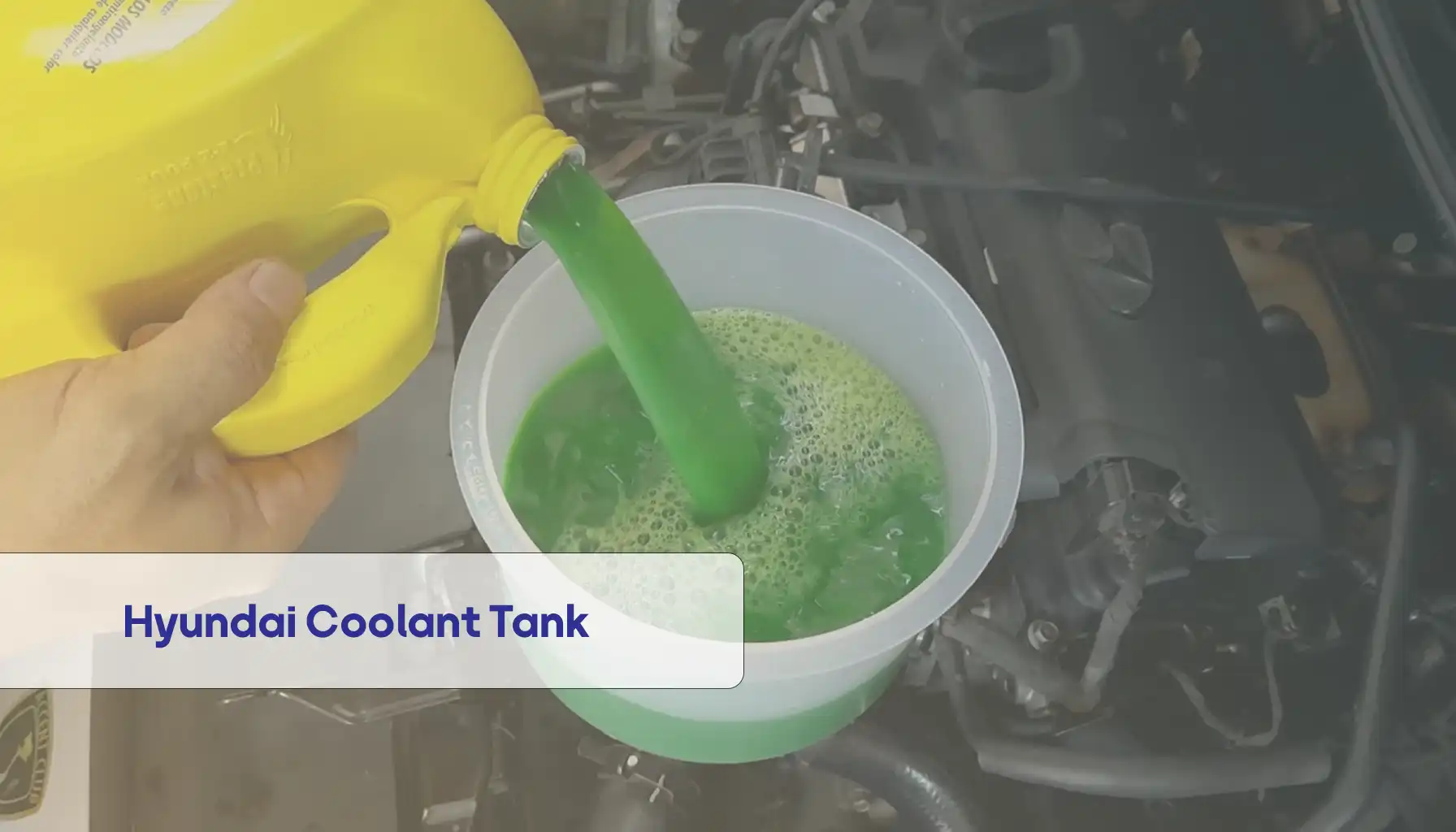
Credit: arsintrading.com
Frequently Asked Questions
What Color Coolant Is Used In Hyundai Vehicles?
Hyundai typically uses a blue or green coolant in their vehicles. This coolant is specifically formulated to provide optimal cooling and protection for Hyundai engines. Always check your vehicle’s manual or consult a Hyundai dealership to ensure you use the correct coolant type for your specific model.
Can I Use Any Coolant In My Hyundai?
No, it’s important to use the recommended coolant for your Hyundai. Using the wrong type can affect engine performance and potentially cause damage. Always refer to your vehicle’s manual or consult with a Hyundai service center to ensure compatibility and optimal performance.
How Often Should I Change Hyundai Coolant?
Hyundai generally recommends changing the coolant every 30,000 to 60,000 miles. However, this can vary based on your specific model and driving conditions. Regularly check your owner’s manual for the manufacturer’s guidelines and consult your service center for personalized advice.
Is Hyundai Coolant Different From Other Brands?
Yes, Hyundai coolant is specifically formulated for Hyundai engines. It offers optimal protection and performance for Hyundai vehicles. While some coolants may be similar, using the exact type recommended by Hyundai ensures compatibility and helps maintain your vehicle’s longevity and efficiency.
Conclusion
Hyundai uses specific coolant colors to protect your engine well. Choosing the right color helps avoid damage and keeps your car running smoothly. Always check your owner’s manual for the exact coolant type. Using the wrong coolant can cause leaks or overheating.
Regularly changing coolant improves engine life and performance. Keep your Hyundai’s cooling system in good shape. It saves money and prevents costly repairs later. Remember, proper coolant choice matters for your car’s health. Simple steps make a big difference.