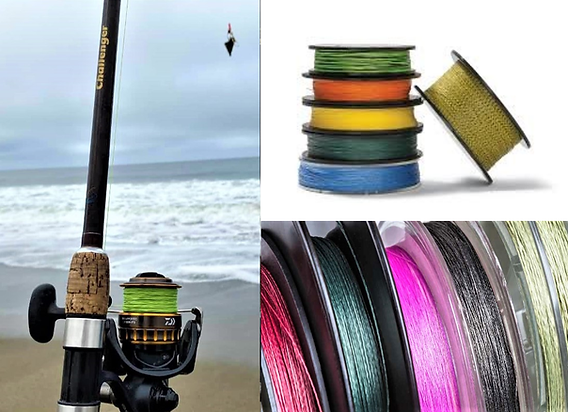
Choosing the right color fishing line can make a bigger difference than you might think. It affects how easily fish spot your line and how confident you feel when casting.
You want a line that blends well with the water and matches your fishing style. But with so many options available, which color truly works best for you? Keep reading, and you’ll discover simple tips that can improve your catch and make every fishing trip more successful.

Credit: thegww.com
Factors Influencing Fishing Line Color Choice
Choosing the right color for your fishing line can improve your chances of catching fish. The color affects how visible the line is to fish and how well it blends with the water.
Several factors affect which color fishing line works best. Knowing these helps you pick the right line for your fishing trip.
Water Clarity And Color
Water clarity plays a big role in choosing your fishing line color. Clear water needs a line that is less visible to fish. In murky or stained water, brighter colors can work better.
The color of the water also matters. Green or algae-filled water may call for green or darker lines. Blue water may need blue or clear lines.
- Clear water: Use clear or light blue line
- Green water: Use green or darker lines
- Brown or muddy water: Use brighter or high-visibility lines
Fishing Environment
Your fishing environment affects line color choice. Open water and heavy cover require different colors. Bright lines help in heavy cover to avoid snags.
In open water, clear or natural colors help hide the line from fish. In dense weeds or rocky areas, brighter or contrasting colors make it easier for you to see the line.
- Open water: Use clear, blue, or natural colors
- Weedy or rocky areas: Use bright or high-visibility colors
Target Fish Species
Different fish react to line colors in different ways. Some fish have good eyesight and can see many colors. Others are less sensitive to color.
Choose a line color that is less visible to the fish you want to catch. For shy fish, clear or natural colors work best. For aggressive fish, line color is less critical.
- Shy fish (trout, bass): Use clear or natural colors
- Aggressive fish (pike, catfish): Color matters less
- Saltwater species: Use colors that blend with ocean water
Light Conditions
Light changes how fishing line colors appear. Bright sunlight makes some colors more visible. Cloudy or low light can hide the line better.
In bright light, use lines that blend well with water colors. In low light, clear or fluorescent lines help you see the line while staying less visible to fish.
- Bright light: Use natural or water-colored lines
- Low light or dawn/dusk: Use clear or fluorescent lines
Popular Fishing Line Colors
Choosing the right fishing line color can improve your chances of catching fish. Different colors work better in various water conditions and light levels. Knowing the options helps you pick the best line for your needs.
This guide explains popular fishing line colors and their common uses. Each color has advantages depending on the environment and fish behavior.
Clear Lines
Clear fishing lines are invisible underwater. They work well in clear water and bright light. Fish often cannot see these lines, making them a good choice for cautious fish.
Green Lines
Green lines blend well with plants and algae. They work best in freshwater or weedy areas. Many anglers prefer green lines for bass fishing in lakes and rivers.
Blue Lines
Blue lines are good for deep or clear blue water. They help reduce line visibility in ocean fishing. Blue lines often match the water color, making fish less likely to notice them.
Red Lines
Red lines disappear quickly underwater because red light fades fast. They are good for shallow water fishing. Red lines also show well above water, helping anglers see their line.
Yellow Lines
Yellow lines are easy to see above water. Anglers use them in low light or murky water. Yellow lines help track your cast and bite quickly.
- Clear: Best for clear water and bright conditions
- Green: Ideal for weedy or algae-filled areas
- Blue: Suits deep or ocean fishing
- Red: Good for shallow water and visible above water
- Yellow: Great in low light or murky water
Advantages Of Matching Line Color With Environment
Choosing the right color fishing line can help catch more fish. Matching the line color with the water or surroundings can make the line less visible.
Fish often avoid visible lines. Using a color that blends with the environment can make your fishing more effective.
Camouflage Benefits
Fishing lines that match the water color or bottom make it hard for fish to see the line. This helps you avoid scaring fish away.
Clear or light blue lines work well in clear water. Green or brown lines fit better in lakes with plants or muddy bottoms.
- Red or orange lines work in deep water where colors fade
- Matching line color reduces line visibility under water
- Better camouflage leads to more bites
Enhanced Visibility
Sometimes, you want to see your line easily. Bright or contrasting colors help spot the line above water.
This is useful when fishing in low light or fast currents. It helps you watch the line for bites or tangles.
- Bright colors like yellow or chartreuse stand out above water
- Easy to track line movement and detect fish bites
- Better line visibility helps manage your fishing gear

Credit: www.wired2fish.com
Impact Of Fishing Line Color On Fish Behavior
Fishing line color affects how fish see the line underwater. Fish can sense colors differently depending on water clarity and light.
Choosing the right color can help anglers avoid scaring fish and improve chances to catch them.
Avoiding Spooking Fish
Fish can get scared if they notice the fishing line. Clear or light-colored lines blend better in water.
- Clear lines work well in clear water and bright light.
- Green lines blend in with plants and algae.
- Blue lines suit deep or open water environments.
- Dark lines are less visible in low light or deep water.
- Bright or white lines can scare fish in clear water.
Attracting Fish
Some fishing line colors can attract fish by reflecting light or creating movement.
| Line Color | Effect on Fish |
| Fluorescent Yellow | Highly visible, attracts curious fish |
| Bright Orange | Useful in murky water to get attention |
| Red | Visible in shallow water, may mimic prey |
| Invisible Clear | Does not attract, only hides line |
Selecting The Right Line For Different Water Types
Choosing the right fishing line color is important for success. Fish see colors differently in different waters.
Matching the line color to the water helps the line blend in. This makes fish less likely to notice it.
Clear Water
In clear water, fish can see well. Use a line color that is hard to see in the water.
Light green, clear, or blue lines work best. These colors blend with the water and sky.
- Clear monofilament lines
- Light green fluorocarbon lines
- Blue or smoke-colored lines
Murky Water
In murky water, fish cannot see well. Use bright or dark lines to help you see your line.
Yellow, orange, or chartreuse lines are easy to see. Dark green or brown lines blend better for fish.
- Bright yellow or orange for visibility
- Dark green or brown to hide from fish
- Use depending on whether you want to see or hide the line
Saltwater
Saltwater has many colors and light changes fast. Use lines that match the color of the water.
Blue, green, or clear lines usually work well. Use heavier lines with good abrasion resistance too.
- Blue lines match deep ocean water
- Green lines blend with coastal waters
- Clear lines work in many conditions
- Choose strong lines for rough saltwater
Pro Tips For Choosing Fishing Line Color
Picking the right fishing line color can help you catch more fish. The color affects how fish see the line in different waters and light.
Use the right color to blend with water or stand out depending on your fishing goal. Let’s explore tips to choose the best color.
Considering Weather Conditions
Weather changes light and water color. This affects how fish see your line. Bright sunny days need different colors than cloudy or rainy days.
Clear water and bright sun call for light or clear lines. Cloudy or low light needs darker lines to stay visible to you but less visible to fish.
- Sunny days: use clear, light green, or blue lines
- Cloudy or low light: use darker green, brown, or camo lines
- Rainy weather: use colors that match water color for camouflage
Testing Different Colors
Try several line colors before fishing. Test how each color blends with water and light. This helps you find what works best for your spot.
Use short casts with different colors or tie small test lines. Watch fish reactions and which lines get more bites.
- Test clear, green, blue, brown, and camo colors
- Check line visibility above water to avoid spooking fish
- Change colors if fish avoid your bait
Expert Opinions On Fishing Line Color
Choosing the right fishing line color can improve your chances of catching fish. Many anglers wonder which color blends best with the water.
Experts share their views based on experience and water conditions. Scientific studies also help explain how fish see different colors.
Insights From Professional Anglers
Professional anglers often select line colors based on water clarity and light. They believe that matching the line color with the environment helps avoid detection by fish.
- Clear water: use light or clear lines to stay invisible
- Murky water: use bright colors like chartreuse to increase visibility
- Low light: use fluorescent or glow-in-the-dark lines
- Saltwater: green or blue lines blend well with ocean colors
Anglers also adjust their choices depending on the fish species and fishing depth. Many agree that no single color works best for every situation.
Scientific Studies
Studies show fish see colors differently than humans. Water filters light, changing how colors appear underwater.
| Water Type | Best Line Color | Reason |
| Clear Freshwater | Clear or Light Green | Blends with water, less visible |
| Murky Water | Bright Chartreuse | Easier for anglers to see, fish less sensitive |
| Deep Water | Blue or Fluorescent | Colors remain visible at depth |
| Saltwater | Blue or Green | Mimics ocean hues, less detectable |

Credit: reactiontackle.com
Technological Advances In Fishing Line Design
Fishing line has improved a lot in recent years. New technology helps anglers choose lines that work better in different waters.
One key change is the use of special colors. These colors can change or reflect light to help catch more fish or make the line easier to see.
Color-changing Lines
Color-changing fishing lines shift their color in different water conditions or light. This helps the line blend in or stand out as needed.
These lines use special dyes that react to temperature or water type. Anglers can see the line better on the surface and keep it hidden underwater.
- Change color in cold or warm water
- Help fish not see the line
- Make line visible to the angler
Uv Reflective Lines
UV reflective fishing lines glow under ultraviolet light. This makes the line easier to see in low light or deep water.
UV reflection helps anglers track their line without scaring fish. It also improves safety by making the line visible to others.
- Glow in sunlight and UV light
- Help anglers watch their line
- Keep fish from noticing the line
Frequently Asked Questions
What Color Fishing Line Is Least Visible Underwater?
Clear or light green lines blend best underwater. They reduce fish visibility and increase catch chances. Water clarity affects the best color choice. Always match line color to your fishing environment for optimal results.
Does Fishing Line Color Affect Fish Bites?
Yes, line color impacts fish behavior. Bright lines may scare fish in clear water. Camouflaged lines enhance stealth and improve bites. Choose color based on water clarity and fish species to increase success.
Which Fishing Line Color Works Best In Murky Water?
Bright colors like chartreuse or orange stand out in murky water. They help anglers see the line and detect bites easily. These colors improve visibility without alarming fish. Select bright lines for low-visibility conditions.
Can Fishing Line Color Attract Specific Fish Species?
Certain fish react differently to colors. For example, trout prefer green or clear lines. Bass may respond better to darker lines. Research target species’ behavior for effective color choices and better fishing outcomes.
Conclusion
Choosing the right fishing line color depends on water and light conditions. Clear lines work well in bright water. Green lines blend into weeds and plants. Brown lines suit muddy or stained water. Always think about where you fish most.
Try different colors to see what catches more fish. The best color helps your line stay unseen. This makes your fishing more successful and fun. Keep it simple and match the line to the environment. Happy fishing!