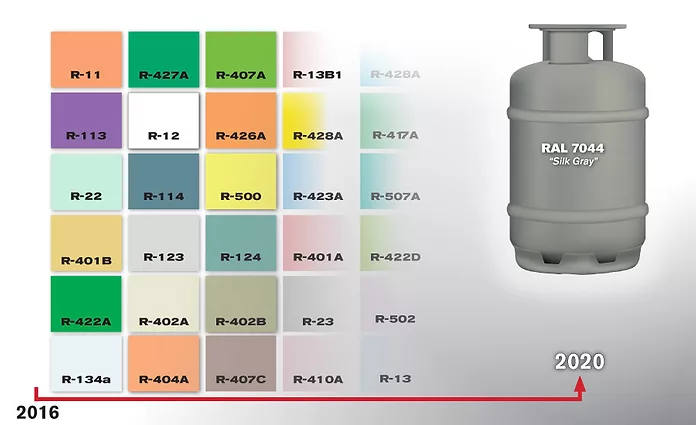
Have you ever wondered what color refrigerant is? If you work with air conditioners or refrigerators, knowing this can save you time and prevent costly mistakes.
Refrigerants come in different colors, and recognizing them helps you identify the right type quickly and safely. You’ll discover the common colors of refrigerants and why these colors matter for your cooling systems. Keep reading to make sure you’re always one step ahead when handling refrigerants.
Common Refrigerant Colors
Refrigerants come in various colors that help identify their type and properties. Knowing these colors can save you time and prevent costly mistakes during handling or repairs. It’s not just about looks—each color has a specific meaning that guides technicians and users alike.
Color Codes By Type
Different refrigerants have distinct color codes to make identification easier. Here are some common examples:
| Refrigerant Type | Typical Color | Common Use |
|---|---|---|
| R-22 | Light Green | Older residential and commercial AC systems |
| R-134a | Light Blue | Automotive air conditioning and refrigerators |
| R-410A | Rose or Pink | Newer residential and commercial AC systems |
| R-407C | Light Purple or Lavender | Replacement for R-22 in some AC systems |
Colors aren’t always consistent worldwide, but manufacturers usually follow these guidelines. Have you ever grabbed the wrong refrigerant because you didn’t check the color? That mistake can lead to system damage or poor performance.
Why Colors Matter
Colors play a crucial role beyond just identification. They help ensure safety by preventing mixing incompatible refrigerants. Mixing refrigerants can cause chemical reactions or reduce cooling efficiency.
When you spot a color, you instantly know what type of refrigerant you’re dealing with. This quick recognition helps technicians work faster and prevents costly errors. Imagine trying to repair your AC without this color guide—would you feel confident?
Next time you check your AC or refrigerator, take a moment to look at the refrigerant canister color. Understanding these codes puts you a step ahead in maintaining your system properly.

Credit: www.achrnews.com
Identifying Refrigerants By Color
Identifying refrigerants by color can be a quick way to understand what type you’re handling, but it’s not always straightforward. Colors often give clues about the refrigerant inside the cylinder, yet relying solely on color could lead to mistakes. Knowing how to read labels and perform visual checks is essential for safety and accuracy.
Reading Labels And Cylinders
Every refrigerant cylinder should have a clear, readable label specifying the chemical inside. These labels usually include the refrigerant’s name, type, and safety warnings. Don’t trust the color alone; always double-check the label to avoid mixing refrigerants, which can damage equipment.
Colors of cylinders often follow industry standards but can vary by manufacturer or region. For example, R-134a cylinders are typically light blue, while R-22 cylinders are green. Have you ever seen a red refrigerant cylinder? It usually indicates a flammable refrigerant like R-290 (propane), which needs extra caution.
Visual Checks For Safety
Before handling any refrigerant, visually inspect the cylinder for damage, rust, or leaks. A cracked or rusty container can be dangerous and should never be used. Look for any unusual markings or tampering signs that might indicate the cylinder isn’t safe.
Also, check the valve and connections carefully. Leaking refrigerants not only harm the environment but can cause frostbite or poisoning. Can you identify the difference between a properly sealed cylinder and one that’s compromised just by looking? Training your eyes to spot these details can save you from accidents.
Popular Refrigerant Types And Their Colors
Refrigerants often come in different colors to help identify their type. Common types include green for R-22 and light blue for R-410A. These colors make it easier to handle and refill systems safely.
Understanding the color of refrigerants is crucial, especially if you’re dealing with HVAC systems. Each type of refrigerant has a unique color code that helps in its identification. This not only assists in proper maintenance but also in ensuring safety. Let’s dive into some of the popular refrigerant types and their colors.R-22 And Its Shade
R-22, also known as Freon, is one of the most common refrigerants used in older air conditioning systems. Its color is typically light green. This distinct shade acts as a visual cue, making it easy to identify during servicing. Are you aware that using the wrong refrigerant can damage your system?R-134a Identification
R-134a is widely used in automobile air conditioners. It is colorless in its natural state but is often stored in light blue cylinders. This color coding helps technicians avoid confusion with other refrigerants. Have you ever noticed the color of the cylinder when getting your car’s AC serviced?R-410a Color Features
R-410A is the go-to refrigerant for modern residential air conditioning systems. It is stored in pink cylinders, making it easily recognizable. The pink color is a reminder of its high efficiency and eco-friendly properties. Are you considering upgrading your system to one that uses R-410A?Other Common Refrigerants
Several other refrigerants are used across various applications, each with its unique color. For instance, R-404A is stored in orange cylinders, while R-407C comes in a burnt orange shade. Understanding these colors can prevent costly mistakes and enhance the efficiency of your HVAC systems. Knowing the colors of refrigerants not only aids in identification but also in ensuring the correct product is used. This simple detail can save time, money, and even prevent accidents. How confident are you in identifying refrigerants based on their color?Limitations Of Color Coding
Color coding of refrigerant cylinders helps in quick identification. It provides a visual guide to the type of refrigerant inside. Despite its usefulness, color coding has clear limits. These limits can cause confusion and safety risks. Understanding these limitations is vital for proper refrigerant handling.
Variations In Cylinder Colors
Colors of refrigerant cylinders vary by country and manufacturer. No universal standard controls these colors worldwide. Some companies use unique shades or designs. This variation makes relying only on color risky. Cylinders of the same color can hold different refrigerants. Always check the label and safety data sheets before use.
Risk Of Misidentification
Misidentifying refrigerants can cause equipment damage and safety hazards. Color alone cannot confirm the refrigerant type. Old or faded paint worsens identification problems. In emergencies, wrong refrigerant use can increase risks. Proper training and label verification reduce these mistakes. Never depend solely on cylinder color for safety decisions.
Best Practices For Handling Refrigerants
Handling refrigerants requires careful attention to safety and proper procedures. These chemicals can be harmful if handled incorrectly. Following best practices helps avoid accidents and environmental damage. Understanding safety gear and correct storage is essential for anyone working with refrigerants.
Safety Gear And Precautions
Always wear protective gloves to prevent skin contact. Use safety goggles to protect eyes from splashes. Work in well-ventilated areas to avoid inhaling fumes. Keep a fire extinguisher nearby since some refrigerants are flammable. Avoid direct contact with refrigerant as it can cause frostbite. Use proper tools designed for refrigerant handling. Never eat or drink near refrigerants to avoid contamination.
Proper Storage And Labeling
Store refrigerants in cool, dry places away from direct sunlight. Use clearly labeled containers to identify the refrigerant type. Avoid mixing different refrigerants in one container. Keep containers upright and secure to prevent leaks. Regularly check storage areas for signs of damage or leaks. Follow local regulations for refrigerant storage and disposal. Proper labeling ensures quick identification during emergencies.

Credit: www.achrnews.com
Tools To Assist Refrigerant Identification
Identifying the type of refrigerant in your system is crucial for maintenance and safety. Luckily, several tools can help you determine the refrigerant without guesswork. These tools make your job easier and prevent costly mistakes.
Using Leak Detectors
Leak detectors are handy for spotting refrigerant leaks, but some models also help identify the refrigerant type. They detect specific gases and alert you with a visual or audible signal. Using a leak detector can save you time and protect your equipment from damage.
Some detectors have sensors that recognize common refrigerants like R-134a or R-410A. This feature helps you confirm the refrigerant type on the spot. Have you ever struggled to identify a refrigerant with just a label? A good leak detector can clear up that confusion quickly.
Digital Identification Devices
Digital refrigerant identifiers take accuracy to the next level. These handheld gadgets analyze a sample of the refrigerant and display its exact type on a screen. They eliminate guesswork and reduce the risk of mixing incompatible refrigerants.
Using these devices is straightforward: connect the sample, wait a few seconds, and read the result. They are especially useful when working with unknown or mixed refrigerants. If you want precision and speed, digital identifiers are worth considering for your toolkit.

Credit: refrigerants.com
Frequently Asked Questions
What Color Is Common Refrigerant Gas?
Most refrigerants are colorless gases with no distinct color. However, some refrigerants come with dyed oils or additives to identify leaks and types. The color coding helps technicians differentiate between refrigerant types during servicing.
Why Do Refrigerants Sometimes Appear Colored?
Refrigerants themselves are typically colorless. Colored appearance often comes from added dyes or oil mixed with refrigerant for leak detection. These colors help identify leaks and ensure safe handling during maintenance.
How To Identify Refrigerant Type By Color?
Refrigerant color coding varies by manufacturer and type. Common refrigerants like R-134a or R-410A may have specific dye colors added. Always check manufacturer guidelines and labels for accurate refrigerant identification.
Are All Refrigerants Safe To Handle Regardless Of Color?
No, refrigerant safety depends on its chemical composition, not color. Proper protective gear and handling procedures are essential regardless of refrigerant color. Always follow safety standards to avoid exposure risks.
Conclusion
Refrigerants come in different colors to help identify them quickly. Each color shows a specific type of refrigerant used in cooling systems. Knowing these colors helps with safe handling and maintenance. Always check the refrigerant label before use to avoid mistakes.
Remember, color is just one way to recognize refrigerants. Understanding their role keeps systems running well and prevents damage. Keep these points in mind when working with refrigerants. It makes the job safer and easier for everyone.