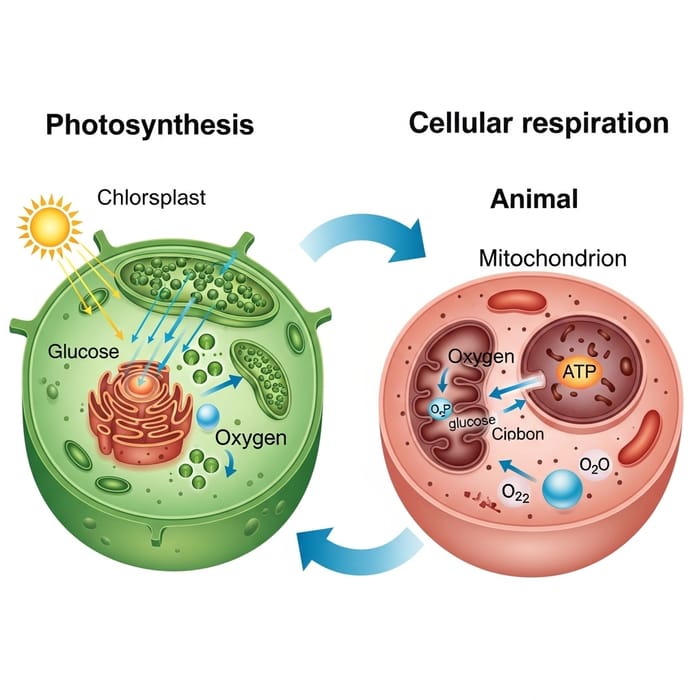
Have you ever wondered how the food you eat actually turns into the energy your body uses every day? Whether in plants or animals, there’s a powerful process happening inside every cell that makes this possible.
Understanding what converts food into energy can change the way you see your own body and the world around you. Keep reading, and you’ll discover the fascinating secrets behind this life-sustaining transformation—and why it matters to you.
Cellular Energy Basics
Cells need energy to do their jobs. This energy comes from food. Both plants and animals use food to make energy.
Energy in cells is stored in a molecule called ATP. Cells break down food to create ATP. This process keeps cells alive and working.
Role Of Food In Energy Production
Food contains molecules like sugars, fats, and proteins. Cells break these molecules down to release energy. This energy helps cells grow and repair.
In both plants and animals, food is converted into usable energy. Cells use oxygen to help break down food. This process is called cellular respiration.
- Sugars are the main source of quick energy.
- Fats provide long-term energy storage.
- Proteins can also be used for energy if needed.
Energy Needs In Plants And Animals
Plants make their own food using sunlight. They convert light energy into chemical energy in their cells. Animals get energy by eating plants or other animals.
Both plants and animals use energy for growth, movement, and repair. Animals often need more energy because they move more. Plants need energy to grow and make seeds.
- Plants use sunlight, water, and carbon dioxide to make food.
- Animals eat food to get energy molecules.
- Energy powers cell functions in both plants and animals.

Credit: medium.com
Mitochondria: The Powerhouse
Mitochondria are tiny structures found in both plant and animal cells. They are known as the powerhouse because they convert food into energy.
This energy is essential for all the activities cells need to perform. Mitochondria play a vital role in keeping cells active and healthy.
Structure And Function
Mitochondria have two membranes. The outer membrane is smooth, while the inner membrane is folded.
These folds, called cristae, increase the surface area inside. This helps them produce more energy efficiently.
- Outer membrane: Protects the mitochondrion
- Inner membrane: Contains proteins for energy production
- Cristae: Increase surface area for energy conversion
Energy Conversion In Animal Cells
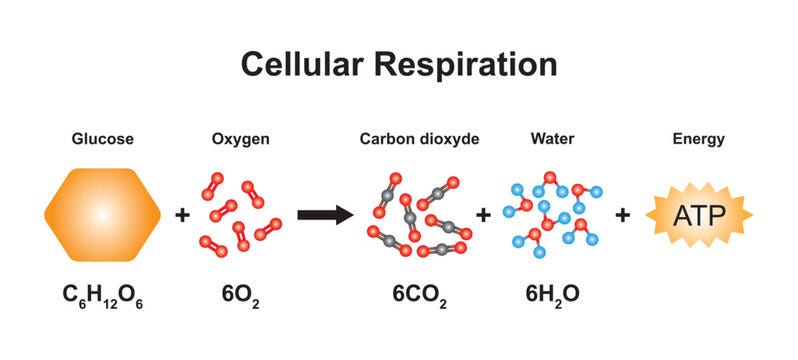
In animal cells, mitochondria use oxygen to convert food into energy. This process is called cellular respiration.
Energy produced is stored as a molecule called ATP. ATP is the main energy source for cell activities.
| Oxygen | Used in respiration |
| Glucose | Main fuel for energy |
| ATP | Energy currency of the cell |
Chloroplasts In Plant Cells
Chloroplasts are special parts of plant cells. They turn sunlight into energy. This process helps plants grow and live.
Plants use chloroplasts to make food. This food then provides energy for the plant’s activities.
Photosynthesis And Energy Storage
Photosynthesis happens inside chloroplasts. Plants take sunlight, water, and carbon dioxide. They change these into glucose and oxygen.
- Sunlight is captured by chlorophyll in chloroplasts.
- Water splits into oxygen and hydrogen.
- Carbon dioxide turns into glucose, a sugar.
- Glucose stores energy for the plant.
Interaction With Mitochondria
Mitochondria are the energy users in both plant and animal cells. They turn glucose into usable energy called ATP.
| Organelle | Role | Energy Form |
| Chloroplast | Makes glucose from sunlight | Stored chemical energy |
| Mitochondrion | Breaks down glucose | ATP (usable energy) |
Key Energy Processes
Plants and animals get energy from food through cell processes. These processes change food into energy cells use to live and grow.
Two main parts help cells make energy: cellular respiration and ATP. Both work inside plant and animal cells.
Cellular Respiration Steps
Cellular respiration breaks down food in steps to make energy. It uses oxygen and releases carbon dioxide. The process happens in three stages.
- Glycolysis:Food sugar splits into smaller parts in the cell fluid.
- Krebs Cycle:Small parts move to mitochondria and break down more.
- Electron Transport Chain:Energy from food changes into usable power in mitochondria.
Atp: The Energy Currency
ATP is the main energy storage molecule in cells. It carries energy to where cells need it. All cells use ATP to work properly.
| Part | Function |
|---|---|
| Adenine | Base that holds energy |
| Ribose | Sugar that links parts |
| Phosphate Groups | Store and release energy |
Differences Between Plant And Animal Cells
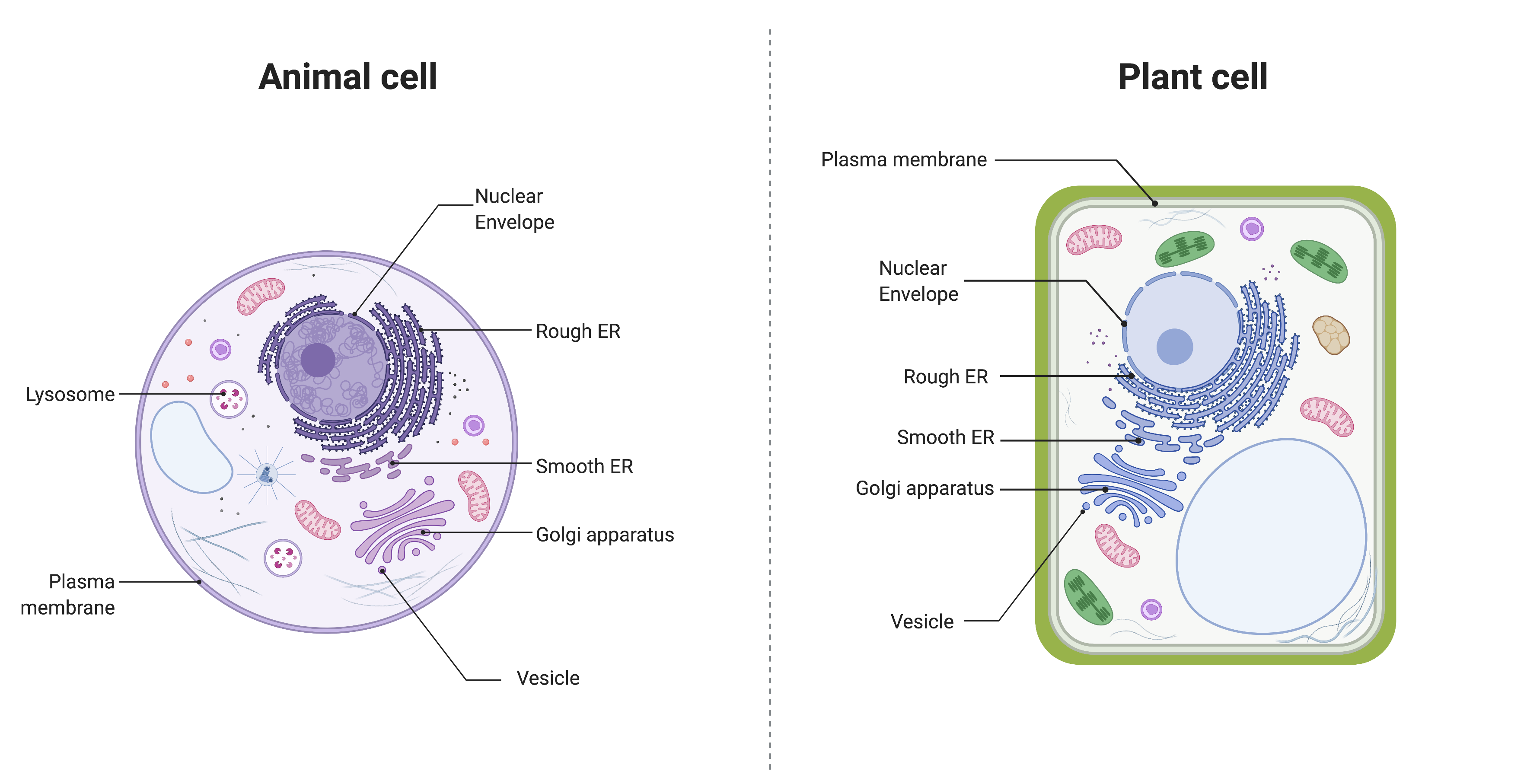
Plant and animal cells both create energy to live and grow. They use different parts and processes to change food into energy.
Understanding these differences helps us see how plants and animals survive in their environments.
Energy Production Pathways
Both plant and animal cells use mitochondria to produce energy. Mitochondria turn food into a molecule called ATP, which cells use for energy.
Plant cells have an extra way to get energy. They use chloroplasts to capture sunlight and make food through photosynthesis. This food then becomes energy in the mitochondria.
- Animal cells rely only on mitochondria for energy.
- Plant cells use chloroplasts for photosynthesis and mitochondria for energy.
- Both cells break down glucose to produce ATP.
Adaptations To Energy Needs
Animal cells need quick energy for movement and activities. They use stored food molecules like fats and sugars fast in mitochondria.
Plant cells adapt to energy needs by storing food as starch. They use sunlight to create energy during the day and rely on stored food at night.
- Animal cells store energy in fats and sugars for fast use.
- Plant cells store energy as starch for later use.
- Plants use sunlight energy, animals do not.
Credit: medium.com
Factors Influencing Energy Conversion
Plants and animals convert food into energy to survive. This process depends on many factors.
Understanding these factors helps explain how cells produce energy efficiently.
Environmental Conditions
Temperature and light affect how well cells convert food into energy. Plants need sunlight for photosynthesis.
Animals rely on oxygen, and poor air quality can reduce energy production. Water availability also plays a role.
- Sunlight impacts plant energy creation
- Oxygen levels influence animal cell function
- Temperature changes affect enzyme activity
- Water helps transport nutrients in cells
Cellular Health And Efficiency
Healthy cells convert food into energy better than damaged ones. Mitochondria and chloroplasts must work well.
Cells with enough nutrients and no toxins perform energy conversion more efficiently. Aging and disease can lower this process.
- Strong mitochondria produce more energy
- Good nutrient supply supports cell function
- Cell damage reduces energy output
- Toxins interfere with energy-making parts
Credit: lmu.pressbooks.pub
Frequently Asked Questions
What Organelle Converts Food Into Energy In Cells?
Mitochondria convert food into energy in both plant and animal cells. They generate ATP, the cell’s energy currency, through cellular respiration.
How Do Plant Cells Convert Food Into Energy?
Plant cells convert food into energy via chloroplasts and mitochondria. Chloroplasts make glucose, and mitochondria break it down to produce ATP.
What Role Does Mitochondria Play In Energy Conversion?
Mitochondria break down glucose and oxygen to create ATP. This process is called cellular respiration and powers cellular activities efficiently.
Is Energy Conversion Process Same In Plants And Animals?
Yes, both plant and animal cells use mitochondria for energy conversion. Plants also perform photosynthesis to produce glucose before energy extraction.
Conclusion
Plants and animals both turn food into energy through cells. Mitochondria play a key role in this process. They break down food to release energy that cells use. This energy helps plants grow and animals move. Without this process, life would not exist.
Understanding this helps us see how living things survive. Energy conversion is a basic but powerful part of life. It connects all plants and animals in nature. Simple yet essential.