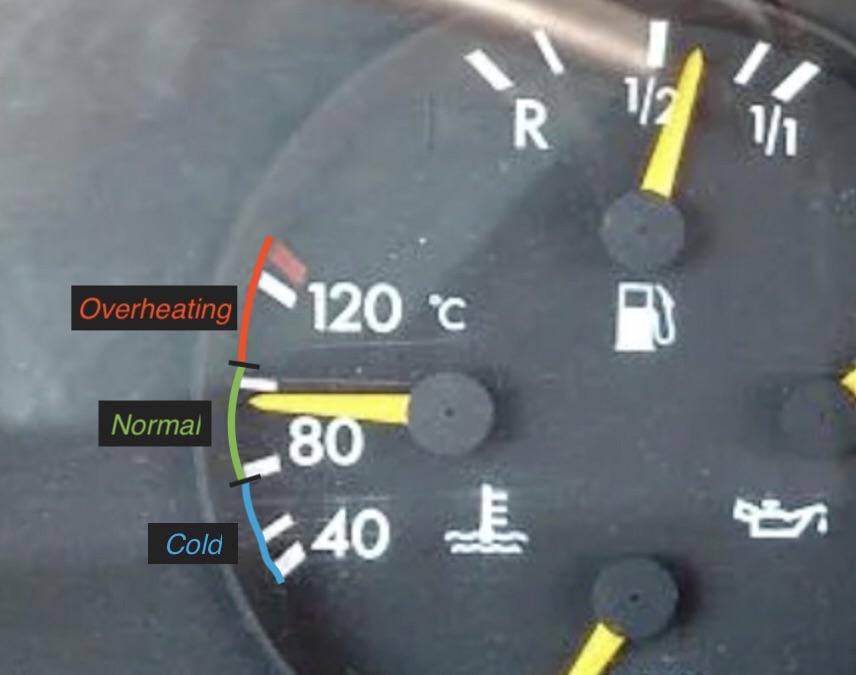
Have you ever glanced at your car’s temperature gauge and wondered, “What coolant temp is too high?” Knowing this can save you from costly repairs and keep your engine running smoothly.
If your engine gets too hot, serious damage can happen fast. You’ll discover the exact temperature limits you should watch for and learn simple tips to keep your engine cool. Keep reading—your car’s health depends on it.

Credit: softwareg.com.au
Ideal Coolant Temperature Range
The ideal coolant temperature range keeps an engine running smoothly and safely. It ensures the engine does not overheat or run too cold. Maintaining this balance helps protect engine parts and improves fuel efficiency. Understanding this range helps spot problems early and avoid costly repairs.
Normal Operating Temperatures
Most engines run best between 195°F and 220°F (90°C to 105°C). This range allows the coolant to absorb heat and prevent engine damage. Temperatures below this range can cause poor fuel economy and increased emissions. Temperatures above this range risk engine overheating and part failure.
Factors Affecting Coolant Heat
- Engine load: Heavy loads increase temperature quickly.
- Outside temperature: Hot weather raises coolant temperature.
- Cooling system condition: Old or damaged parts reduce cooling.
- Driving habits: Frequent stops and starts can affect heat levels.
- Thermostat function: A stuck thermostat affects temperature control.

Credit: www.reddit.com
Signs Of Overheating
Recognizing the signs of overheating in your vehicle can save you from costly repairs and inconvenient breakdowns. Overheating usually means your engine is running hotter than it should, which can cause serious damage if ignored. Paying attention to early warning signals helps you act fast and keep your car in good shape.
Dashboard Warning Lights
One of the first signs that your coolant temperature is too high is the appearance of warning lights on your dashboard. A glowing red thermometer or an engine-shaped icon often signals that your engine is overheating.
Ignoring these warnings can lead to severe damage. Have you ever noticed your car’s temperature gauge creeping into the red zone? That’s a clear sign to stop and check your coolant levels.
Engine Performance Issues
Overheating affects how your engine runs. You might feel a loss of power or notice your car hesitating when you accelerate.
Sometimes, the engine may start to stall or run roughly. If you experience any of these issues, it’s worth checking your coolant temperature and addressing any problems promptly.
Visible Steam Or Leaks
Steam coming from under the hood is a very obvious sign of overheating. This usually happens when the coolant boils and turns into vapor.
You might also spot coolant leaks, which look like bright green, orange, or pink fluid pooling under your car. Have you ever seen steam or puddles under your vehicle? Don’t ignore them—these signs demand immediate attention.
Critical Temperature Thresholds
Understanding the critical temperature thresholds of your vehicle’s coolant is essential for maintaining engine health. Coolant temperature that exceeds safe limits can lead to serious problems. Knowing exactly when your engine heat becomes dangerous can save you from costly repairs and unexpected breakdowns.
When Temperature Becomes Dangerous
Your engine’s coolant temperature typically ranges between 195°F and 220°F (90°C to 105°C) under normal conditions. Temperatures consistently above 230°F (110°C) signal trouble. At this point, your engine is at risk of overheating, which can lead to immediate damage.
Have you ever noticed your temperature gauge creeping past the normal mark during a long drive? That’s your first warning sign. Ignoring this could cause your engine to shut down or worse, warp vital components.
Consequences Of Excessive Heat
Excessive coolant temperature can cause a range of issues:
- Warped Cylinder Heads:High heat can distort metal parts, leading to leaks and poor engine performance.
- Blown Head Gasket:Overheating often results in gasket failure, causing coolant and oil to mix.
- Engine Seizure:In extreme cases, the engine may seize completely, leaving you stranded and facing expensive repairs.
One time, I ignored a rising coolant temperature warning on a hot summer day. The engine overheated, and I ended up with a cracked head gasket. Don’t let that be your story—watch your gauge carefully and act promptly to avoid these costly consequences.

Credit: www.reddit.com
Immediate Actions To Take
When your car’s coolant temperature rises too high, quick action is crucial. Ignoring the problem can cause engine damage or failure. Taking the right steps immediately helps protect your vehicle and keeps you safe on the road.
Safely Stopping The Vehicle
Pull over to a safe spot away from traffic. Turn off the engine to prevent overheating. Keep the car in park and apply the parking brake. Avoid driving further to stop serious engine damage.
Checking Coolant Levels
Wait for the engine to cool before opening the coolant reservoir. Slowly remove the cap to avoid burns from hot steam. Check if the coolant level is below the minimum mark. Add coolant or water only if levels are low and the engine is cool.
Avoiding Common Mistakes
- Never open the radiator cap while the engine is hot.
- Do not pour cold water on a hot engine; it can cause cracks.
- Avoid driving with a high coolant temperature warning light on.
- Do not ignore strange smells or steam coming from the engine.
Preventing Overheating
Keeping your engine’s temperature in check is key to avoiding costly repairs and breakdowns. Overheating can sneak up on you, especially if you overlook small signs or delay maintenance. Let’s look at practical ways you can prevent your coolant temperature from rising too high and keep your car running smoothly.
Regular Maintenance Tips
Check your coolant level regularly—low coolant is a common cause of overheating. Make sure you top it up with the right mixture of antifreeze and water as recommended by your vehicle’s manual.
Flush and replace your coolant every 2-3 years or as advised. Old coolant loses its ability to absorb heat efficiently, putting extra strain on your engine.
Don’t forget to inspect your radiator cap. A faulty cap can cause pressure loss, which leads to coolant boiling and overheating.
Cooling System Components To Inspect
Look over your radiator for any leaks or clogged fins that block airflow. A dirty or damaged radiator won’t cool your engine properly.
Check the thermostat, which controls coolant flow. If it sticks closed, coolant can’t circulate, causing the engine to heat up quickly.
Inspect hoses for cracks or leaks. Even a small coolant leak can raise engine temperature over time.
Driving Habits That Help
Try to avoid heavy traffic or stop-and-go driving in hot weather, as it puts extra load on your cooling system.
Use your heater if your engine starts feeling too hot—it helps draw heat away from the engine.
Don’t ignore warning signs like the temperature gauge rising or steam from under the hood. Pull over safely and check before damage happens.
Have you noticed your car’s temperature creeping up during certain drives? Adjusting how and when you drive might be the simplest fix.
When To Seek Professional Help
Knowing when to seek professional help for a high coolant temperature can save your engine from serious damage. If your car’s temperature gauge stays in the red or you notice steam coming from under the hood, it’s time to act. Don’t ignore these warning signs; addressing them early can prevent costly repairs and keep you safe on the road.
Diagnosing Persistent Issues
Some overheating problems are easy to fix, like topping off coolant or checking the radiator cap. But if your car keeps running hot despite these steps, the root cause could be more complex.
Persistent issues might involve a faulty thermostat, water pump failure, or a clogged radiator. These problems require specialized tools and knowledge to diagnose accurately. Trying to fix them without experience can lead to misdiagnosis and wasted time.
Have you ever had a car that overheated repeatedly even after multiple fixes? That’s a clear sign to get a professional involved. Their expertise can pinpoint subtle issues that aren’t obvious during casual checks.
Choosing A Reliable Mechanic
Once you decide to seek professional help, finding the right mechanic matters. Look for shops with positive reviews and experience working on your car’s make and model.
Ask about warranties on repairs and whether they use quality parts. A trustworthy mechanic will explain what’s wrong, how they’ll fix it, and offer clear pricing upfront.
Don’t hesitate to get a second opinion if something doesn’t feel right. Your car’s health depends on honest advice and skilled service. Remember, saving a little money now can lead to bigger expenses if the problem isn’t fixed correctly.
Frequently Asked Questions
What Coolant Temperature Is Considered Too High?
A coolant temperature above 230°F (110°C) is generally too high. This indicates overheating and risks engine damage. Immediate action is advised to prevent costly repairs.
How Can I Monitor My Car’s Coolant Temperature?
Use the vehicle’s dashboard gauge or an OBD-II scanner. Regularly check the temperature to avoid overheating. Early detection helps maintain engine health.
What Causes Coolant Temperature To Rise Excessively?
Common causes include low coolant levels, faulty thermostat, radiator issues, or water pump failure. Addressing these promptly prevents engine overheating and potential breakdowns.
Is It Safe To Drive With High Coolant Temperature?
No, driving with high coolant temperature risks severe engine damage. Stop the vehicle, turn off the engine, and let it cool before proceeding.
Conclusion
Coolant temperature above 230°F is too high for most cars. High heat can damage the engine quickly. Watch your temperature gauge often while driving. Stop the car if the needle goes into the red zone. Let the engine cool down before checking the coolant level.
Regular maintenance helps prevent overheating problems. Keep coolant topped up and check for leaks. Staying alert keeps your engine safe and your drive smooth. Don’t ignore signs of overheating—they can lead to costly repairs. Safe driving means watching your car’s heat closely.