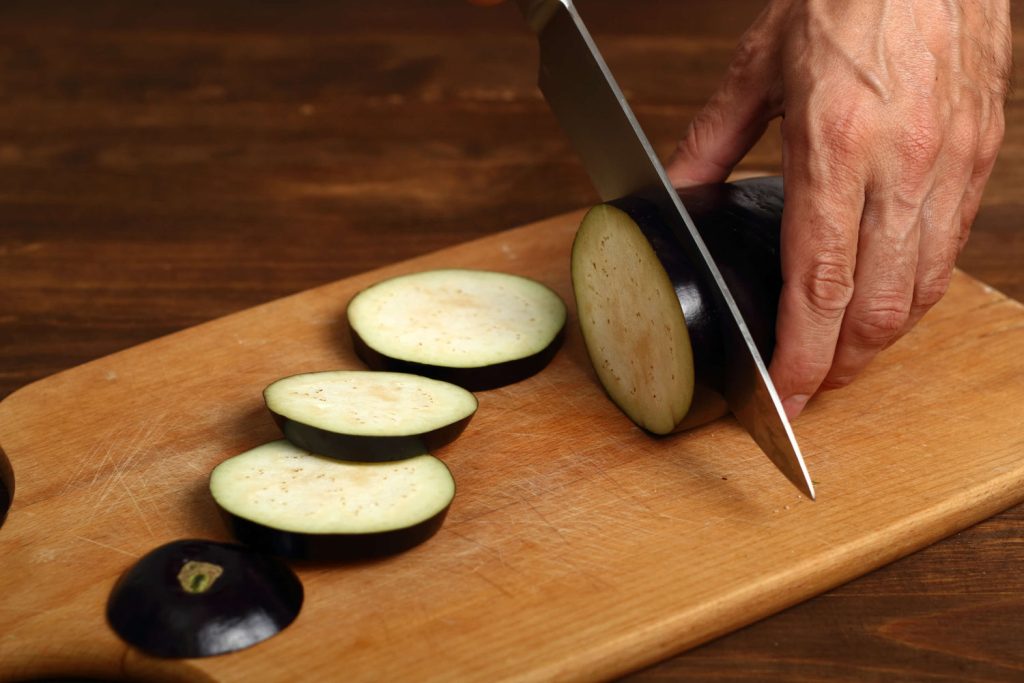
Choosing the right cutting board might seem simple, but it can make a huge difference for your knives and your cooking experience. If you want to keep your knives sharp and working well for a long time, the cutting board you use matters more than you think.
You’ll discover which cutting boards protect your knives best and why some materials are better than others. By the end, you’ll know exactly what to look for when picking your next cutting board—saving you time, money, and frustration in the kitchen.
Keep reading to find out how to make your knives last longer and work better every time you cook.
Types Of Cutting Boards
Choosing the right cutting board helps protect your knives. Different materials affect knife sharpness and hygiene. Here are common types of cutting boards.
Each type has pros and cons. Knowing these can keep your knives sharp longer and your kitchen safe.
Wooden Boards
Wooden cutting boards are popular for their gentle surface. They do not dull knives quickly. Wood also has natural antibacterial properties.
These boards need regular oiling to stay in good shape. Avoid soaking them in water to prevent warping. They are best for cutting vegetables, fruits, and bread.
Plastic Boards
Plastic boards are lightweight and easy to clean. Most are dishwasher safe. They do not absorb liquids or odors.
- Affordable and widely available
- Comes in many colors to avoid cross-contamination
- Can get deep cuts that may harbor bacteria
- May dull knives faster than wood
Bamboo Boards
Bamboo boards are eco-friendly and harder than wood. They resist knife cuts well but can be rougher on blades. Bamboo is less porous and dries quickly.
These boards need oiling like wooden boards. They are good for general kitchen use but may wear faster with heavy chopping.
Composite Boards
Composite cutting boards mix wood fibers and resin. They offer a strong, durable surface. These boards resist warping and are dishwasher safe.
| Feature | Benefit | Effect on Knives |
| Durability | Long-lasting, withstands heavy use | Gentle, keeps edges sharp |
| Maintenance | Easy to clean, dishwasher safe | Minimal wear on blades |
| Surface | Non-porous, resists stains | Prevents bacteria buildup |
Glass And Stone Boards
Glass and stone boards are very hard and smooth. They are easy to clean but very tough on knives. These materials can dull and chip blades quickly.
They are best for serving food, not for cutting. Avoid using glass or stone boards if you want to keep your knives sharp.

Credit: www.kimecopak.ca
Impact On Knife Edges
Choosing the right cutting board matters for your knife edges. The board’s surface affects how long your knives stay sharp.
Using the wrong board can dull knives faster. This makes cutting harder and needs more frequent sharpening.
Soft Vs Hard Surfaces
Soft cutting boards are gentle on knives. They reduce blade wear and keep edges sharp longer.
Hard surfaces can damage knife edges. They cause chips and dull blades quickly.
- Soft surfaces: wood, bamboo, plastic
- Hard surfaces: glass, ceramic, stone
- Soft surfaces absorb impact better
- Hard surfaces resist cuts but harm blades
Effect Of Material On Sharpness
Material type affects how knives keep their sharp edges. Some materials wear down blades faster.
Wood and plastic boards help maintain sharpness. Glass and stone boards cause quick dulling.
- Wood is soft and self-healing
- Bamboo is harder but still knife-friendly
- Plastic is easy to clean and soft
- Glass and stone are very hard and rough
Maintenance And Edge Retention
Good maintenance of cutting boards helps keep knives sharp. Clean and dry boards prevent damage to blades.
Oiling wooden boards stops cracking and keeps surfaces smooth. Smooth boards cause less wear on knives.
- Clean boards after each use
- Dry boards to avoid warping
- Oil wooden boards regularly
- Replace boards with deep cuts
Durability Factors
Choosing the best cutting board for knives depends on durability. A durable board protects your knives and lasts longer.
Durability depends on how well the board handles cuts, moisture, and its material type.
Resistance To Cuts And Scratches
A cutting board must resist cuts and scratches to stay smooth. Deep cuts can damage knives and harbor bacteria.
Soft woods like maple resist cuts better than hard plastics. Hard boards may dull knives faster.
- Wood boards heal small cuts over time
- Plastic boards show scratches but clean easily
- Bamboo boards resist cuts but may crack
Moisture And Warping
Moisture can cause some cutting boards to warp or crack. Warped boards do not provide a flat surface.
Wood boards need regular oiling to prevent water damage. Plastic boards resist moisture but can trap bacteria in cuts.
- Wood boards must dry fully to avoid warping
- Plastic boards do not warp but may stain
- Bamboo boards resist moisture better than wood
Longevity Of Different Materials
Cutting boards last different times based on their materials. Proper care helps extend their life.
Wood boards can last years with care. Plastic boards may need replacement sooner if scratched deeply.
| Material | Typical Lifespan | Care Needed |
|---|---|---|
| Maple Wood | 5 to 10 years | Regular oiling, hand wash only |
| Plastic | 1 to 3 years | Dishwasher safe, replace if deeply scratched |
| Bamboo | 3 to 5 years | Oil occasionally, avoid soaking |
Credit: www.kimecopak.ca
Hygiene And Cleaning
Choosing the right cutting board helps keep your kitchen clean and safe. Some boards hold bacteria less than others.
Cleaning and sanitizing your cutting board well protects your knives and your health.
Bacterial Resistance
Wood boards naturally resist bacteria because they absorb moisture and trap bacteria inside. This stops bacteria from growing on the surface. Plastic boards can develop deep cuts where bacteria hide. Bamboo is harder and less porous, so it also resists bacteria well.
Ease Of Cleaning
| Cutting Board Type | Cleaning Method | Cleaning Tips |
|---|---|---|
| Wood | Hand wash with warm soapy water | Dry immediately, oil regularly |
| Plastic | Dishwasher safe | Check for deep cuts and replace if needed |
| Bamboo | Hand wash with mild soap | Do not soak, dry quickly |
Sanitizing Tips
- Clean the board right after use to avoid germs.
- Use a solution of one tablespoon bleach to one gallon water to sanitize.
- Rinse the board well with clean water after sanitizing.
- Let the board air dry standing up to avoid moisture build-up.
- Replace boards with deep cuts or cracks to keep knives safe.
Maintenance Tips
Keeping your cutting board in good shape helps protect your knives. Proper care makes your board last longer and stay safe.
Learn simple tips for oiling, avoiding damage, and knowing when to replace your board.
Oiling And Conditioning
Oiling your wooden cutting board stops it from drying out and cracking. Use food-safe mineral oil for best results.
Apply oil evenly and let it soak overnight. Wipe off extra oil before use to keep the surface smooth.
- Oil your board once a month or when it looks dry
- Condition with beeswax for extra protection
- Do not use vegetable or olive oil; they can go rancid
Avoiding Damage
Prevent damage by using the right cutting board and handling it with care. Avoid harsh cleaning methods.
- Do not soak wooden boards in water for long periods
- Use a soft sponge and mild soap to clean
- Never put wooden boards in the dishwasher
- Cut on a flat surface to avoid warping
- Use separate boards for meat and vegetables to prevent stains
When To Replace Your Board
Replace your cutting board when it shows signs of deep cuts or cracks. These can harbor bacteria and hurt your knives.
Also, if the board warps or smells bad after cleaning, it is time to get a new one.
- Deep grooves that do not smooth out after sanding
- Cracks that split the board into pieces
- Strong odors that remain after washing
- Warped boards that do not lie flat

Credit: www.kimecopak.ca
Choosing The Right Board
Choosing the best cutting board helps keep your knives sharp and safe. The right board protects your knife edges and lasts longer.
Different boards suit different knives and kitchen needs. Think about the material, use, and your budget before buying.
Matching Board To Knife Type
Soft cutting boards work best with sharp kitchen knives. Hard boards can dull knives faster.
Wood and plastic boards are gentle on most knives. Glass and stone boards can damage blades quickly.
- Wood boards: Ideal for chef and paring knives
- Plastic boards: Good for everyday use and easy cleaning
- Glass/stone boards: Avoid if you want to keep knives sharp
Budget Considerations
Cutting boards come in many price ranges. You can find good boards for a small or large budget.
Wood boards usually cost more but last longer. Plastic boards are cheaper but may wear out faster.
- Low budget: Basic plastic boards
- Mid budget: Bamboo or composite boards
- Higher budget: Hardwood boards like maple or walnut
Personal Preferences And Usage
Your choice depends on how you use your board. Consider size, weight, and cleaning needs.
Some prefer lighter boards for easy handling. Others want larger boards for big food prep.
- Choose non-slip boards for safety
- Pick dishwasher-safe boards for easy cleaning
- Look for boards with juice grooves to catch liquids
Frequently Asked Questions
What Materials Are Best For Cutting Boards?
Wood and bamboo are ideal for preserving knife edges. They are gentle on knives and reduce dulling. Plastic cutting boards are also popular due to their affordability and ease of cleaning. Glass and stone boards should be avoided as they can damage knife blades quickly.
How Does A Cutting Board Affect Knife Longevity?
A suitable cutting board can extend knife life by reducing wear. Wood and bamboo boards minimize blade damage, keeping knives sharp longer. Hard surfaces like glass or stone can cause chipping or dulling. Choosing the right board material helps maintain your knives’ performance over time.
Are Bamboo Cutting Boards Good For Knives?
Yes, bamboo cutting boards are great for knives. They are gentle on blades, reducing dulling and chipping. Bamboo is also eco-friendly and has natural antibacterial properties. It provides a good balance between durability and knife safety, making it a popular choice among chefs and home cooks.
Why Avoid Glass Cutting Boards For Knives?
Glass cutting boards can quickly dull or chip knives. Their hard surface is not knife-friendly, leading to frequent sharpening needs. Although they are easy to clean and visually appealing, they can compromise knife performance. For knife longevity, opt for wood or bamboo boards instead.
Conclusion
Choosing the right cutting board helps keep knives sharp longer. Soft wood or plastic boards protect blades best. Hard surfaces can dull knives quickly. Clean your board often to avoid germs. Replace boards that have deep cuts or cracks. A good cutting board makes cooking safer and easier.
Remember, small changes in your kitchen can improve your knife’s life. Keep your tools in top shape with the right board. Simple steps lead to better cooking results every day.