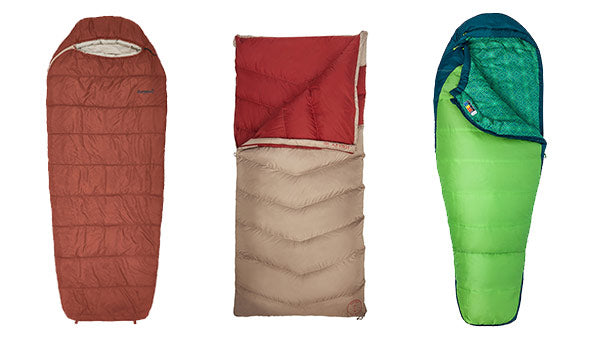
Choosing the right sleeping bag can make or break your outdoor adventure. You might wonder, “What degree sleeping bag do I need?”
This question is more important than you think. Pick a bag that’s too warm, and you’ll sweat all night. Pick one that’s not warm enough, and you’ll shiver and lose sleep. Understanding the temperature ratings and how they match your camping conditions will help you stay comfortable and safe.
Keep reading to find out exactly how to choose the perfect sleeping bag for your next trip.
Sleeping Bag Temperature Ratings
Sleeping bag temperature ratings help you choose the right bag for your trip. They show the lowest temperature you can sleep comfortably in.
Knowing these ratings keeps you safe and warm during camping or hiking. Each rating means something different for your comfort and safety.
How Ratings Work
Temperature ratings come from tests done by manufacturers. They measure how cold it can be before you feel cold inside the bag.
- Ratings are given in degrees Fahrenheit or Celsius.
- They consider average body heat and insulation from the bag.
- Ratings help pick a sleeping bag for expected weather.
Comfort Vs Limit Vs Extreme
Sleeping bags have three main temperature ratings: Comfort, Limit, and Extreme. Each shows how cold it can get before you feel cold or unsafe.
| Rating | Meaning | Use |
|---|---|---|
| Comfort | Lowest temperature a woman can sleep comfortably. | For normal camping conditions. |
| Limit | Lowest temperature a man can sleep without feeling cold. | For colder nights and average users. |
| Extreme | Survival rating for very cold conditions. | Not for comfort, only for emergency situations. |
Factors Affecting Temperature Needs
Choosing the right degree sleeping bag is key for a good night’s sleep outdoors. Many things affect what temperature rating you need.
This guide explains the main factors that change your temperature needs for a sleeping bag.
Personal Sleep Preferences
Some people sleep hot while others get cold easily. Your body temperature and sleep style affect your choice.
If you tend to feel cold, pick a sleeping bag with a lower temperature rating. If you sleep hot, choose a warmer bag.
- Cold sleepers need bags rated for lower temperatures
- Hot sleepers can use bags with higher temperature ratings
- Side sleepers may want extra room for comfort
- Back sleepers often prefer snug fits for warmth
Camping Environment
The place you camp affects the temperature you need. Mountains are colder than forests or deserts.
Also, season and weather play a big role. Winter camping needs warmer bags than summer trips.
- High altitudes are colder and need warmer bags
- Wet or damp areas can feel colder at night
- Summer camping needs lighter bags
- Check weather forecasts before choosing a bag
Clothing And Gear
What you wear inside your sleeping bag changes how warm you stay. Extra clothes add insulation.
Other gear like sleeping pads also affects temperature needs by blocking cold ground.
- Wear thermal or moisture-wicking clothes for warmth
- Use a sleeping pad to keep cold from the ground
- Hats and socks help keep heat inside your bag
- Less clothing means you need a warmer bag
Types Of Sleeping Bags
Sleeping bags come in different types for various weather conditions. Choosing the right type helps keep you warm and comfortable.
You should know about the fill material and shape. These affect the bag’s warmth and fit.
Down Vs Synthetic Fill
Down fill is made from bird feathers. It is very warm and lightweight. Down packs small and lasts a long time.
Synthetic fill is made from man-made fibers. It works better when wet and dries faster. Synthetic bags usually cost less.
- Down fill: warm, light, compressible, expensive
- Synthetic fill: wet-friendly, durable, heavier, affordable
Shape And Size Impact
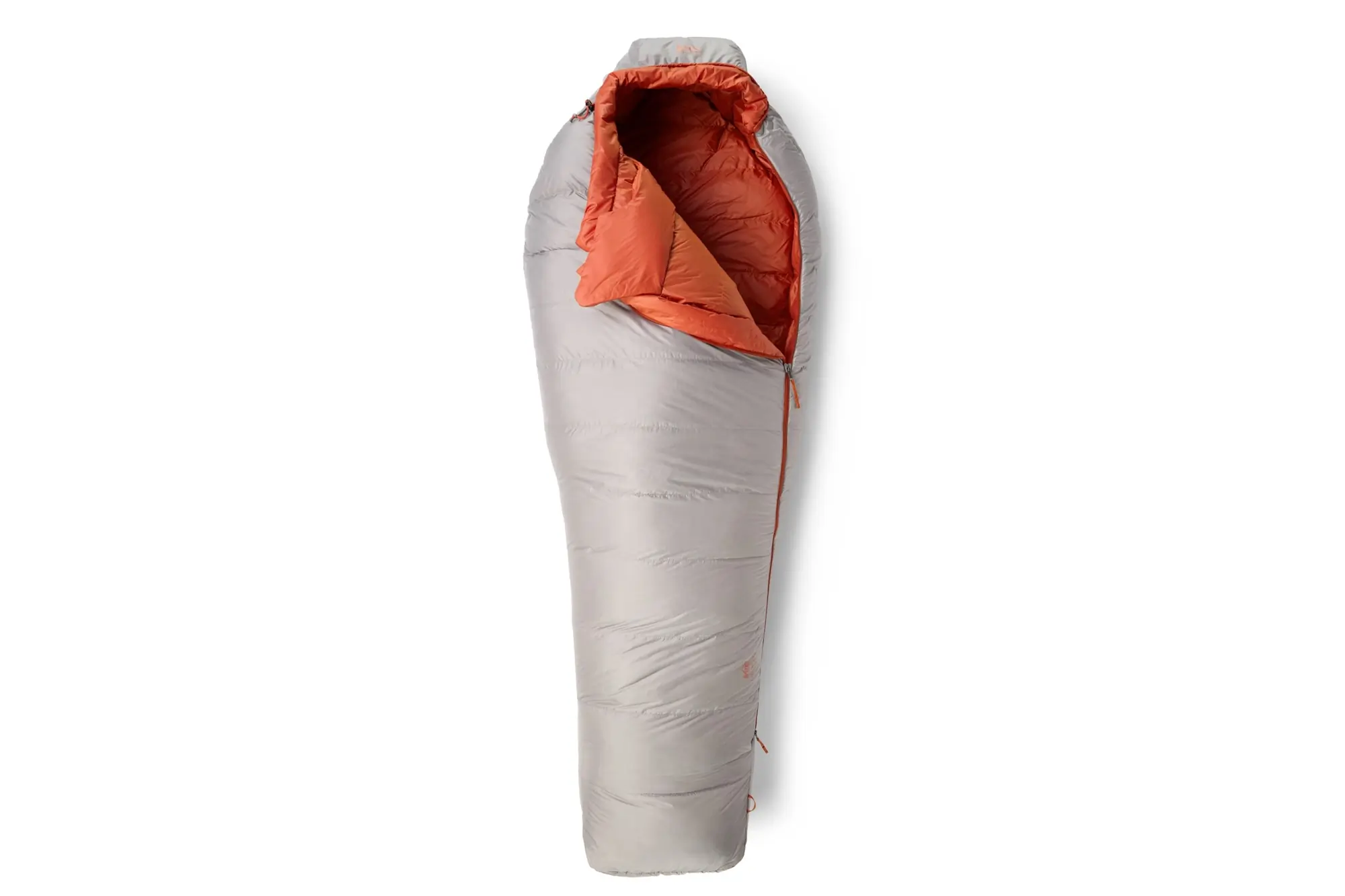
Sleeping bags come in shapes like mummy, rectangular, and semi-rectangular. The shape affects warmth and comfort.
Mummy bags fit close to your body for more warmth. Rectangular bags offer more space but less heat retention.
- Mummy: best for cold weather, fits tightly
- Rectangular: roomy, good for mild weather
- Semi-rectangular: a mix of warmth and space
Credit: gearjunkie.com
Choosing By Season
Choosing the right sleeping bag depends on the season you plan to camp in. Each season has different temperature ranges and weather conditions. Picking a sleeping bag with the correct temperature rating will keep you comfortable and safe.
Sleeping bags are usually rated by degrees. This rating shows the lowest temperature the bag can keep you warm in. Let’s look at options for summer, three-season, and winter use.
Summer Sleeping Bags
Summer sleeping bags are light and designed for warm weather. They usually have higher temperature ratings to prevent overheating. These bags work well when temperatures stay above 35°F (1.5°C).
- Temperature rating: 35°F (1.5°C) and above
- Lightweight and compact
- Good ventilation for breathability
- Usually less insulation
Three-season Options
Three-season sleeping bags are the most popular choice. They cover spring, summer, and fall camping. These bags balance warmth and weight for varying temperatures. They work well down to about 20°F (-6.5°C).
| Season | Temperature Range | Bag Features |
| Spring | 35°F to 50°F (1.5°C to 10°C) | Moderate insulation, water resistance |
| Summer | Above 50°F (10°C) | Light insulation, breathable materials |
| Fall | 20°F to 40°F (-6.5°C to 4.5°C) | Good insulation, draft collars |
Winter Sleeping Bags
Winter sleeping bags protect you in cold and snowy conditions. They have the lowest temperature ratings, often below 20°F (-6.5°C). These bags have thick insulation and features to keep warmth inside.
- Temperature rating: below 20°F (-6.5°C)
- Heavy insulation like down or synthetic fill
- Draft tubes and collars to stop heat loss
- Waterproof or water-resistant outer shell
Tips For Staying Warm
Choosing the right sleeping bag degree rating is important for warmth. You also need good habits to stay warm at night. These tips help you use your gear well and sleep comfortably.
Follow simple steps before and during sleep to keep your body heat. This guide covers layering, sleeping pads, and bag care.
Layering Techniques
Layering clothes inside your sleeping bag traps heat and keeps you warm. Use thin layers that dry fast and keep moisture away.
- Wear a moisture-wicking base layer to keep sweat off your skin.
- Add an insulating middle layer like fleece or wool for warmth.
- Use a windproof outer layer if it is very cold or windy.
- Wear a hat and socks to keep heat from escaping your head and feet.
Sleeping Pad Importance
A sleeping pad acts as a barrier between you and the cold ground. It stops heat loss and adds comfort for better sleep.
| Type of Pad | R-Value (Insulation) | Best Use |
| Foam Pad | 2.0 – 3.0 | Casual camping in mild weather |
| Inflatable Pad | 3.5 – 5.0 | Cooler weather and backpacking |
| Self-Inflating Pad | 4.0 – 6.0 | Cold weather camping |
Proper Bag Maintenance
Taking care of your sleeping bag keeps it warm and lasts longer. Clean and store it the right way to protect its insulation.
- Air out your sleeping bag after each trip to remove moisture.
- Use a large storage sack for loose storage, not a tight compression bag.
- Wash your bag only when needed, using gentle soap and cold water.
- Dry completely before storing to avoid mold and damage.
- Repair tears or broken zippers quickly to keep warmth inside.

Credit: www.gearx.com
Common Mistakes To Avoid
Choosing the right degree sleeping bag is very important for a good night’s sleep outdoors. Many people make simple mistakes that can cause discomfort or even danger.
Knowing what to avoid helps you pick a sleeping bag that fits your needs and keeps you warm and dry.
Overestimating Warmth
People often pick a sleeping bag that is too warm for their trip. This can make you sweat and feel uncomfortable during the night.
Choose a sleeping bag rated for the coldest temperature you expect. Avoid buying one just because it has a low temperature rating.
- Check the temperature rating carefully
- Consider your clothing and sleeping pad
- Remember that body heat and shelter affect warmth
Ignoring Moisture
Moisture can reduce the warmth of your sleeping bag. Wet insulation does not keep you warm.
Do not ignore rain, sweat, or dew. Make sure your sleeping bag stays dry to keep it effective.
- Use a waterproof stuff sack
- Keep the sleeping bag inside a tent or shelter
- Dry your sleeping bag after use
Neglecting Fit
A sleeping bag that does not fit well can let cold air in or feel too tight. Both make sleep harder.
Choose a sleeping bag size that matches your body shape and height. A proper fit keeps warmth close to your body.
- Check the length and width before buying
- Try the sleeping bag if possible
- Remember that extra space can reduce warmth

Credit: www.outbackequipment.com.au
Frequently Asked Questions
What Is A Degree Rating On Sleeping Bags?
A degree rating shows the lowest temperature a sleeping bag can handle. It helps you choose a bag that keeps you warm in cold weather. Always pick a bag with a rating lower than the coldest temperature you expect.
How To Choose Sleeping Bag Temperature Rating?
Check the average nighttime temperature of your trip. Choose a sleeping bag with a rating 5-10 degrees lower. This ensures warmth and comfort during cold nights. Consider your personal cold tolerance when selecting the rating.
Why Are Sleeping Bag Ratings Important?
Ratings guide you to the right bag for weather conditions. Using an incorrect rating can cause discomfort or hypothermia. Proper ratings improve sleep quality and safety outdoors. They help you avoid carrying unnecessary weight too.
Can I Use A Warmer Bag In Summer?
Yes, but a warm bag may cause overheating. Choose a sleeping bag with a higher temperature rating for summer trips. Lightweight or uninsulated bags work best in hot weather. This keeps you comfortable without sweating.
Conclusion
Choosing the right sleeping bag degree keeps you warm and safe outdoors. Think about the coldest night you expect to face. Pick a bag that matches or is a bit warmer than that temperature. Remember, a bag too warm may cause sweating and discomfort.
A bag too cold can make you shiver and lose sleep. Comfort matters most for a good night’s rest. Use the sleeping bag degree as a helpful guide. Stay cozy and enjoy your camping adventures fully.