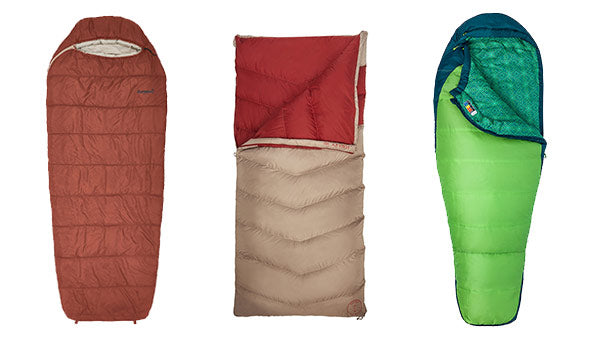
Choosing the right sleeping bag can make or break your outdoor adventure. You might wonder, “What degree sleeping bag do I need?”
This question is more important than you think. If your sleeping bag is too warm or too cold, your night won’t be comfortable. You deserve a good night’s rest no matter where you sleep. Keep reading, and you’ll discover how to pick the perfect sleeping bag that matches your needs and keeps you cozy through every night outdoors.
Factors Influencing Sleeping Bag Choice
Choosing the right sleeping bag depends on many factors. These factors help you stay warm and comfortable during sleep.
Understanding these factors can guide you to pick the best sleeping bag for your needs.
Climate And Weather Conditions
The weather where you camp affects the sleeping bag you need. Cold places require bags with lower temperature ratings.
Wet or humid climates need bags that resist moisture and dry quickly. Windy areas call for bags with good insulation.
- Cold climates: choose bags rated for low temperatures
- Wet weather: pick water-resistant or quick-dry bags
- Windy locations: select bags with strong insulation
Personal Comfort And Tolerance
People feel cold or warm differently. Your body’s comfort level helps decide the sleeping bag degree rating.
Consider if you tend to sleep hot or cold. Add extra warmth if you feel cold easily.
- If you sleep cold, pick a warmer bag
- If you sleep hot, choose a lighter bag
- Use extra liners for added warmth if needed
Sleeping Bag Materials
Sleeping bag materials affect warmth and weight. Down fills are warm and light but cost more.
Synthetic fills are heavier but dry faster and work better when wet. Shell fabric also matters for durability.
- Down fill: warm, light, compressible
- Synthetic fill: water-resistant, affordable
- Durable shell fabrics protect the insulation
Temperature Ratings Explained
Sleeping bags come with temperature ratings to help you choose the right one. These ratings tell you how warm the bag will keep you in different conditions.
Understanding these ratings helps you stay comfortable and safe during your outdoor trips.
Understanding Temperature Ratings
Temperature ratings show the lowest temperatures at which a sleeping bag can keep a person warm. Different ratings serve different needs and weather conditions.
Manufacturers usually test these ratings in controlled environments. Knowing what each rating means helps you pick the best sleeping bag.
Limit, Comfort, And Extreme Ratings
There are three main temperature ratings: comfort, limit, and extreme. Each rating tells you how cold it can be before you feel cold or unsafe.
| Rating | Description | Who It Applies To |
|---|---|---|
| Comfort | Lowest temperature for a relaxed sleeper. | Most users, especially women and those who sleep cold. |
| Limit | Lowest temperature for a standard sleeper to stay warm. | Average men or warm sleepers. |
| Extreme | Survival rating for short times in very cold conditions. | Only for emergencies, not regular use. |
It is best to use the comfort rating for most people. Limit rating fits those who sleep warmer. Extreme rating is a last-resort safety number.
- Comfort rating helps avoid cold nights.
- Limit rating suits tougher or warm sleepers.
- Extreme rating is not for all night use.
Choosing For Warm Weather
Choosing the right sleeping bag for warm weather is important for a good night’s sleep. You want a bag that keeps you comfortable without making you too hot.
Summer sleeping bags have different features than cold weather bags. They are lighter and made with breathable materials to help you stay cool.
Summer Season Sleeping Bags
Summer sleeping bags usually have a temperature rating above 35°F (1.5°C). This rating means they are designed for warm nights.
These bags are often less insulated. They allow air to flow so you do not get too hot while sleeping.
- Look for bags rated for 35°F and above
- Choose lightweight bags for easy carrying
- Check if the bag can be opened fully for more ventilation
Best Materials For Warmth
Warm weather sleeping bags use materials that balance warmth and breathability. This helps you stay cool and dry all night.
Common materials include lightweight synthetic fills and cotton blends. These materials dry quickly and do not trap too much heat.
- Synthetic insulation: dries fast and is light
- Cotton or polyester fabrics: allow airflow
- Mesh panels: improve ventilation inside the bag

Credit: www.outbackequipment.com.au
Selecting For Mild Weather
Choosing the right sleeping bag is key for comfortable nights. Mild weather means temperatures are not too hot or cold.
You want a bag that keeps you warm without making you sweat. Let’s look at good choices for mild weather.
Three-season Sleeping Bags
Three-season sleeping bags work well in spring, summer, and fall. They usually protect you from temperatures around 20 to 40 degrees Fahrenheit.
These bags balance warmth and breathability. They are great if nights get cool but not freezing.
- Lightweight and easy to carry
- Good insulation without too much bulk
- Often made with breathable fabrics
- Suitable for mild to cool nights
Versatile Options For Transitional Periods
Transitional periods like late spring or early fall can have changing temperatures. You need a sleeping bag that adapts to this.
Look for bags with adjustable features, such as removable liners or zip options. These help you stay comfortable as nights warm or cool down.
- Sleeping bags with zip-off liners
- Bags that open fully like blankets
- Lightweight bags with added layers
- Options for ventilation and warmth control
Picking For Cold Weather
Choosing the right sleeping bag temperature rating is important for cold weather. You want a bag that keeps you warm and safe.
Sleeping bags come with degree ratings. These ratings show the lowest temperature you can use the bag comfortably.
Winter Sleeping Bags
Winter sleeping bags are made for very cold temperatures. They usually have a temperature rating below 20°F (-6°C).
These bags keep you warm in snow and freezing weather. They are thicker and often shaped like a mummy to keep heat in.
- Use winter bags if the temperature drops below freezing
- Mummy shape helps trap body heat
- Extra padding and insulation improve warmth
Insulation Options For Extreme Cold
Sleeping bags use two main types of insulation: down and synthetic. Both keep you warm but work differently.
Down insulation is light and packs small. It works best when dry. Synthetic insulation is heavier but keeps warmth when wet.
- Down insulation:Great warmth-to-weight ratio, compresses well
- Synthetic insulation:Retains heat if wet, dries faster
- Choose insulation based on weather and moisture conditions
Additional Features To Consider
Choosing the right sleeping bag involves more than just temperature ratings. Extra features can improve your comfort and convenience outdoors.
Think about weight, shape, and zipper options to get a bag that fits your needs perfectly.
Weight And Packability
Lightweight sleeping bags make carrying easier on long trips. A compact bag saves space in your backpack.
- Check the bag’s weight before buying.
- Look for bags that compress well.
- Consider the materials used for insulation and shell.
Shape And Fit
Sleeping bag shape affects warmth and comfort. A snug fit keeps heat in, while extra room adds comfort.
| Shape | Benefit |
| Mummy | Best warmth, tight fit |
| Rectangular | More room to move |
| Semi-rectangular | Balance of warmth and space |
Zipper And Hood Options
Choose zippers that run smoothly and can open from both sides. Hoods add extra warmth around your head.
- Look for anti-snag zippers.
- Decide if you want a draft collar near the neck.
- Pick a hood with adjustable drawstrings.
Maintenance And Care Tips
Taking care of your sleeping bag keeps it warm and comfy. Proper care also helps it last longer. Learn simple ways to clean and store your bag.
Good habits protect your sleeping bag from damage and wear. Follow these tips to keep it ready for your next trip.
Cleaning And Storage
Keep your sleeping bag clean by washing it carefully. Use a gentle detergent and cold water. Avoid harsh chemicals or bleach. Dry it fully before storing.
- Spot clean small stains with a mild soap
- Hand wash or use a front-load washer on gentle cycle
- Do not wring or twist the bag
- Air dry flat or use a dryer on low heat with tennis balls
- Store in a large, breathable sack or hang in a dry place
Extending Sleeping Bag Lifespan
Proper care helps your sleeping bag stay soft and warm for years. Avoid constant compression and keep it dry during storage.
| Care Tip | Why It Helps |
| Store loosely in a large sack | Prevents damage to insulation |
| Keep away from moisture | Stops mold and mildew growth |
| Use a sleeping bag liner | Reduces dirt and sweat inside the bag |
| Air out after each use | Removes odors and moisture |
| Repair small tears quickly | Prevents bigger damage |
Credit: www.rei.com

Credit: www.gearx.com
Frequently Asked Questions
What Is A Degree Rating On Sleeping Bags?
A degree rating shows the lowest temperature a sleeping bag can handle. It helps choose bags for different climates. Lower ratings mean warmer bags, suitable for cold conditions. Higher ratings are for milder weather. Always pick a bag with a rating below your camping temperature.
How Do I Choose The Right Sleeping Bag Temperature?
Check the lowest temperature of your camping location. Pick a sleeping bag with a rating equal or lower than that. Consider your personal cold tolerance. If you tend to get cold easily, select a warmer bag. This ensures comfort and safety during sleep.
Can I Use A Warmer Sleeping Bag In Mild Weather?
Yes, using a warmer sleeping bag in mild weather is fine. You can unzip or wear lighter clothing inside. It offers flexibility for unexpected temperature drops. However, a too warm bag may cause sweating and discomfort. Choose based on your typical camping conditions.
Are Sleeping Bag Ratings The Same Across Brands?
No, sleeping bag temperature ratings can vary by brand. Some use European EN ratings, others use US standards. Check if the rating includes comfort or limit temperature. Reading reviews helps understand real-world performance. Always verify the rating system before buying.
Conclusion
Choosing the right sleeping bag degree keeps you warm and comfortable outdoors. Think about the coldest temperature you might face. Pick a bag rated a bit lower than that. This way, you stay cozy even on chilly nights. Remember, a good sleeping bag helps you sleep better and enjoy your trip more.
Keep these tips in mind when shopping next time. Stay warm, rest well, and have fun camping!