Have you ever wondered what really happened between Ham and Noah in the tent? This moment in the Bible has puzzled many people, leaving questions about its meaning and impact.
Understanding this story could change the way you see family, respect, and consequences. Keep reading to uncover the details that most people miss and find out why this ancient event still matters today. Your curiosity is about to be rewarded.

Credit: x.com
Ham’s Actions In Noah’s Tent
The story of Ham and Noah’s tent is from the Bible. It talks about what Ham did after the flood. This event has many meanings and interpretations.
Understanding Ham’s actions helps us learn about respect and family. It also shows how people reacted to Noah’s situation.
The Incident Described
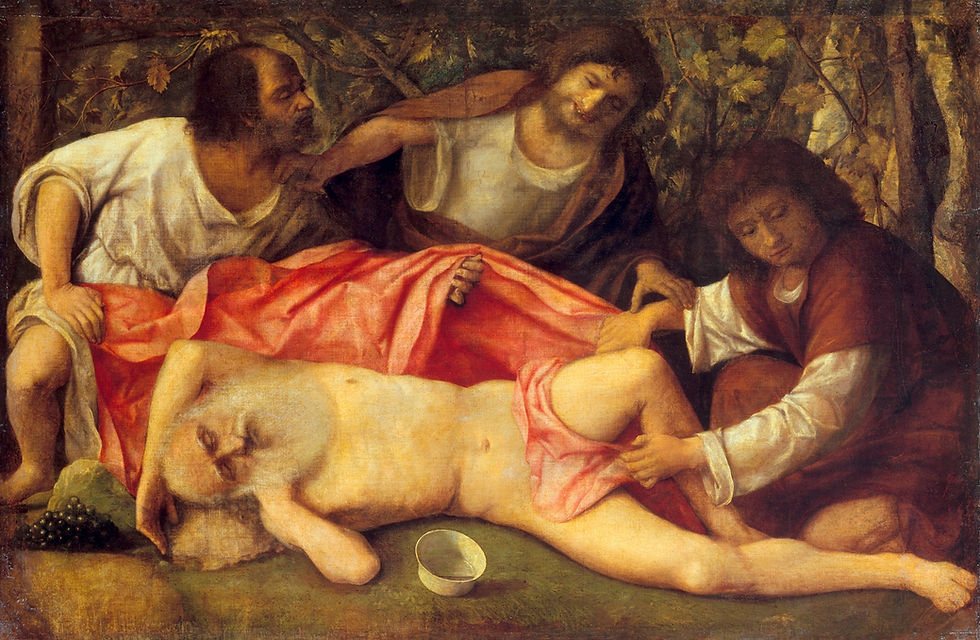
Noah planted a vineyard and drank wine. He became drunk and lay uncovered inside his tent. Ham saw his father’s nakedness and told his brothers.
Shem and Japheth then covered Noah without looking at him. When Noah woke, he cursed Ham’s son, Canaan, for Ham’s actions.
- Noah was drunk and naked inside his tent.
- Ham saw Noah’s nakedness and told his brothers.
- Shem and Japheth covered Noah respectfully.
- Noah cursed Ham’s son after waking up.
Different Interpretations
Some say Ham’s act was disrespectful. Others think he did something worse, like mocking or dishonoring Noah.
Many scholars discuss if “seeing nakedness” means a physical act or a deeper offense. Some think the story warns about family respect.
- Ham showed disrespect by not covering Noah.
- “Seeing nakedness” might mean more than just looking.
- The story teaches about honor and shame in families.
- The curse on Canaan is linked to Ham’s action.

Credit: medium.com
Cultural Context Of The Story
The story of what Ham did to Noah in the tent is a well-known biblical event. Understanding its cultural background helps explain its meaning. The story comes from ancient times with unique customs and family roles.
Knowing the culture of the Ancient Near East and family life in biblical times gives us a better view of the story’s impact.
Ancient Near Eastern Customs
In the Ancient Near East, respect and honor were very important. Families had strong rules about behavior, especially around elders. Seeing a father naked was a serious issue and could bring shame.
When Ham saw Noah uncovered in the tent, it was not just about seeing him. It was about disrespect and dishonor. People believed such actions affected the family’s reputation and blessings.
- Respect for elders was a key value
- Protecting family honor was very important
- Seeing a father naked was shameful
- Actions could affect family blessings
Family Dynamics In Biblical Times
Families in biblical times were tightly connected. Fathers had authority over their households. Sons were expected to obey and honor their fathers.
Ham’s action was seen as breaking family loyalty. Instead of covering Noah, he told his brothers. This caused shame and led to consequences in the family.
- Fathers held strong authority
- Sons needed to show respect and loyalty
- Family shame affected all members
- Actions toward parents had serious consequences
Consequences For Ham And His Descendants
The story of Ham and Noah in the tent is a key moment in the Bible. It shows how actions can have lasting effects. This event led to serious consequences for Ham and his family.
Understanding these consequences helps explain the origins of some ancient beliefs. It also shows how families and nations were viewed in early biblical times.
Noah’s Curse Explained
After Ham saw Noah naked, Noah placed a curse. This curse was not on Ham directly but on Ham’s son, Canaan. Noah said that Canaan would be a servant to his brothers. This curse showed the seriousness of disrespecting a parent.
- Ham’s disrespect brought shame to his family.
- Noah’s curse affected Ham’s future generations.
- The curse marked Canaan as a servant to others.
- This story teaches respect for parents.
Impact On Ham’s Lineage
Ham’s descendants became nations with specific roles in history. The curse influenced how these nations were treated by others. It shaped their social and political positions.
| Descendant | Role | Effect of the Curse |
|---|---|---|
| Canaan | Servant nation | Subject to other tribes |
| Mizraim (Egypt) | Powerful kingdom | Not directly cursed |
| Phut | Known for warriors | Independent but influenced |
| Cush | Land of strength | Not cursed but affected by family fate |
Theological Perspectives
The story of Ham and Noah in the tent is from the Bible. It raises many questions about what Ham did. Different faith groups explain the event in their own ways.
This topic is important because it shows how people understand sin, respect, and family roles. The story is short but has many meanings.
Views From Various Denominations
Many Christian groups see Ham’s actions as disrespectful. Some say he saw Noah naked and laughed or mocked him. Others think Ham told his brothers about Noah’s state.
Some groups believe Ham’s sin was more than seeing Noah’s nakedness. They say it showed a lack of honor and respect for his father.
- Roman Catholic teaching focuses on the disrespect shown to Noah.
- Protestants often highlight the moral failure and dishonor.
- Eastern Orthodox views emphasize the spiritual damage caused by Ham’s act.
Modern Scholarly Insights
Modern scholars study the story as a cultural text. They look at ancient customs about family and shame. They say Ham’s act was serious in that time.
Some scholars suggest the story explains why Ham’s descendants faced difficulties. They see it as a way to teach respect and care within families.
- Ham’s seeing Noah naked breaks family privacy rules.
- The curse on Ham’s son is seen as a punishment for breaking respect.
- The story reflects ancient ideas about honor and shame.
Myths And Misconceptions
The story of Ham and Noah’s tent has sparked many questions. Some ideas about what Ham did are not true. It is important to look at facts carefully.
This article clears up common myths. It helps to understand the real story behind the event.
Common Misinterpretations
Many people think Ham did something disrespectful. Some say he mocked Noah or behaved badly. The Bible does not clearly say what Ham did.
- Ham saw Noah naked and told others.
- Ham mocked Noah’s condition.
- Ham was cursed because of his actions.
- The story is about shame and punishment only.
Separating Fact From Fiction
The Bible says Ham saw Noah naked and told his brothers. Noah then cursed Ham’s son. The story is short and leaves room for many ideas.
| Myth | Fact |
| Ham mocked Noah loudly. | The Bible only says Ham saw Noah naked and told his brothers quietly. |
| Ham’s behavior was evil and disrespectful. | The text does not explain Ham’s intentions or words. |
| Noah cursed Ham directly. | Noah cursed Ham’s son, Canaan, not Ham himself. |
| The story justifies racism or slavery. | There is no clear link in the text to support these ideas. |

Credit: beholdthestone.com
Frequently Asked Questions
What Did Ham Do To Noah In The Tent?
Ham saw Noah naked in his tent and told his brothers. Instead of covering their father, he exposed Noah’s vulnerability. This act was seen as disrespectful, leading to significant consequences for Ham and his descendants. This biblical story is often interpreted as a lesson on respect and family duty.
Why Was Ham’s Action Considered Disrespectful?
Ham’s action was disrespectful because he violated his father’s privacy. Instead of shielding Noah, he chose to expose him. This lack of respect for parental authority and dignity was frowned upon in biblical times. Such actions were seen as dishonoring one’s family and were met with serious consequences.
What Were The Consequences Of Ham’s Actions?
As a result of Ham’s actions, Noah cursed Ham’s son, Canaan. The curse declared Canaan would serve the descendants of Ham’s brothers. This biblical narrative highlights the importance of respect and the far-reaching consequences of one’s actions on future generations.
How Did Ham’s Brothers Respond To His Actions?
Ham’s brothers, Shem and Japheth, responded with respect and discretion. They entered the tent backward to cover Noah, without looking at him. Their actions contrasted with Ham’s and demonstrated the proper way to honor and protect their father’s dignity.
Conclusion
Ham’s actions in Noah’s tent caused tension among his family. He saw something that made him disrespect his father. This led to Noah’s strong reaction and a lasting curse. The story shows the importance of respect and kindness. It reminds us to think before we act.
Families can face challenges, but love and understanding help. Remembering this tale helps us learn from the past. It teaches valuable lessons about behavior and consequences.