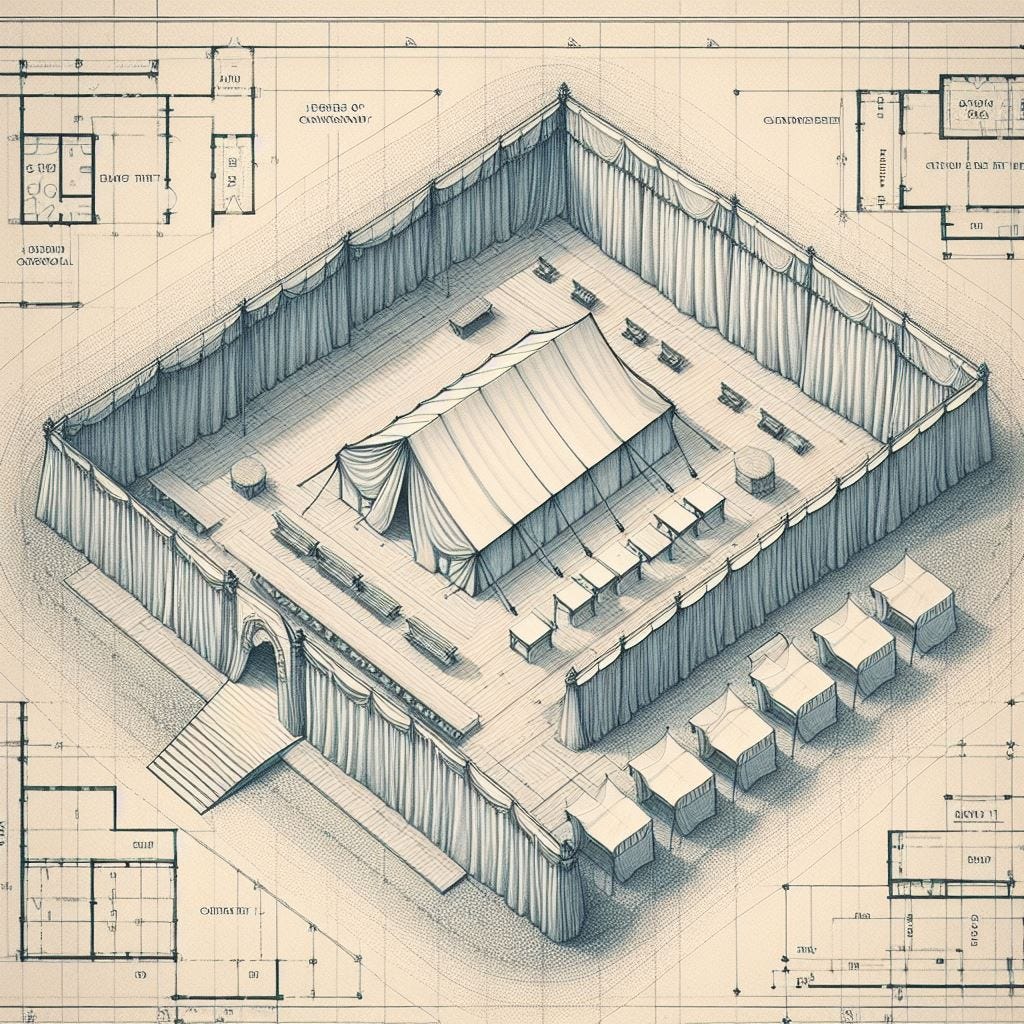
Have you ever wondered what the Holy Tent looked like? Imagine stepping into a sacred space filled with mystery and meaning.
This wasn’t just any tent—it held deep significance and detailed design that many find fascinating. If you want to discover the colors, materials, and unique features that made this tent so special, keep reading. Your curiosity will be rewarded with vivid descriptions that bring this ancient sanctuary to life.
Design And Dimensions
The Holy Tent was a sacred place with a detailed design. Its size and shape followed exact rules from ancient texts.
Understanding the tent’s structure helps us see how it was made to serve religious purposes.
Overall Structure
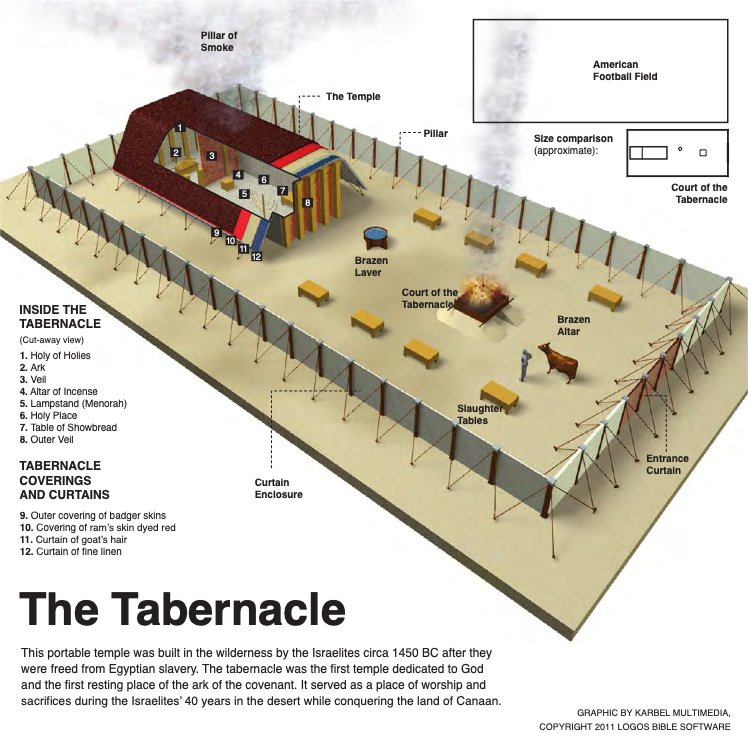
The Holy Tent had three main parts: the Outer Court, the Holy Place, and the Most Holy Place. Each part had a special role and design.
- The Outer Court was the largest area. It was open and fenced.
- The Holy Place was inside the tent. It held sacred furniture.
- The Most Holy Place was the smallest room. It held the Ark of the Covenant.
Measurements And Layout
The tent’s measurements used cubits, an ancient unit of length. The layout was rectangular and carefully planned.
| Part | Length (cubits) | Width (cubits) | Height (cubits) |
| Outer Court | 100 | 50 | N/A |
| Holy Place | 20 | 10 | 10 |
| Most Holy Place | 10 | 10 | 10 |

Credit: www.thehouseofdavid.org
Materials And Colors
The Holy Tent was a sacred place made with special materials. These materials showed respect and honor.
The tent’s colors and fabrics had deep meanings. They helped people understand its holy purpose.
Fabrics Used
The tent used fine fabrics like linen and wool. Linen was made from flax plants and was very soft.
Wool came from sheep and gave warmth. These fabrics were strong and lasted a long time.
- Linen: smooth and clean, used for the inner coverings
- Wool: thick and warm, used for outer layers
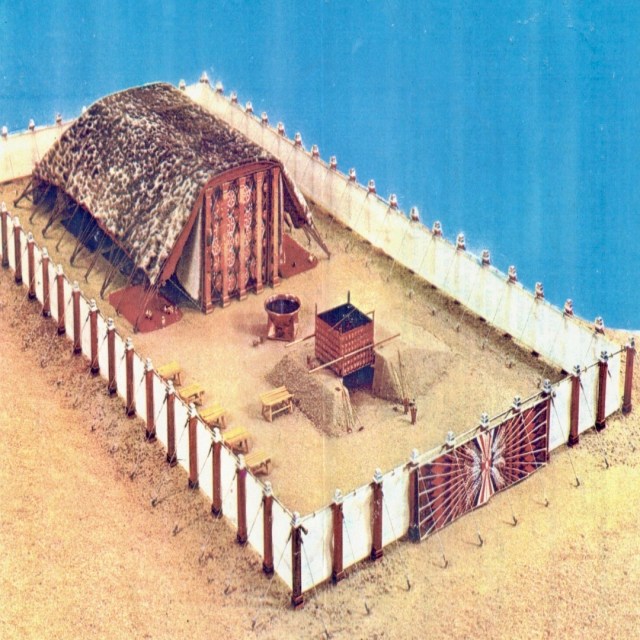
- Goat hair: used for the tent’s roof, strong and water-resistant
- Ram skins dyed red: covered the goat hair roof for protection
- Sea cow skins: used as the outermost covering for durability
Color Symbolism
The colors on the tent showed important ideas. Each color told a story or symbolized something special.
Three main colors stood out: blue, purple, and scarlet. These colors were bright and rich.
- Blue: showed heaven and God’s presence
- Purple: symbolized royalty and power
- Scarlet: stood for sacrifice and life
Components Of The Tent
The Holy Tent was a sacred place with special parts. Each part had a purpose and meaning.
These parts worked together to create a holy space for worship and offerings.
The Outer Coverings
The outer coverings protected the tent from weather and kept it safe. They were made of layers of cloth and animal skins.
- Fine linen cloth with blue, purple, and red colors
- Goat hair covering for strength and durability
- Ram skins dyed red for protection
- Seal skins to cover the entire tent
The Inner Sanctuary
The Inner Sanctuary was the most sacred part. It held special furniture used in worship and offerings.
| Item | Description |
| Ark of the Covenant | Box holding the stone tablets of the Ten Commandments |
| Table of Showbread | Table holding twelve loaves of bread |
| Golden Lampstand | Seven-branched lamp giving light inside the sanctuary |
| Altar of Incense | Altar for burning fragrant incense |
The Courtyard
The courtyard was the open area outside the tent. It was fenced and had places for sacrifices.
The courtyard included:
- The Bronze Altar for animal sacrifices
- The Bronze Laver for priests to wash their hands and feet
- The entrance gate made with blue, purple, and red yarn
Credit: www.refreshinghope.org
Sacred Furniture Inside
The Holy Tent held special furniture used in worship. Each piece had a sacred purpose. They showed God’s presence and care for His people.
This furniture was made with great skill and covered in gold. They stood inside the Tent’s Most Holy Place and Holy Place sections.
The Ark Of The Covenant
The Ark of the Covenant was the most sacred item. It was a wooden chest covered in pure gold. The Ark held the stone tablets of the Ten Commandments.
On top of the Ark was the Mercy Seat. Two golden cherubs faced each other with wings spread over it. This was where God’s presence appeared to Moses.
The Table Of Showbread
The Table of Showbread held twelve loaves of bread. These represented the twelve tribes of Israel. The bread showed God’s provision to His people.
- The table was made of acacia wood and covered in gold.
- It had gold plates, dishes, and cups for incense.
- The bread was replaced every Sabbath day.
- The table stood on four legs in the Holy Place.
The Golden Lampstand
The Golden Lampstand gave light inside the Tent. It had seven branches with lamps filled with pure olive oil. The lampstand symbolized God’s guidance and presence.
| Part | Description |
| Base | Made of pure gold to hold the lampstand steady |
| Branches | Seven curved arms holding lamps |
| Lamps | Filled with oil and lit daily |
| Decorations | Made to look like almond blossoms, buds, and flowers |
Craftsmanship And Artistry
The Holy Tent was a symbol of faith and skill. It showed detailed work by expert hands. Every part had meaning and beauty.
People admired the tent for its fine materials and careful design. The work took time and great care to make it perfect.
Embroidery And Decorations
The tent’s cloth was covered with rich embroidery. Patterns included flowers, animals, and sacred symbols. These designs told stories and showed respect.
Gold and blue threads made the decorations shine. The colors and shapes were chosen to inspire awe and honor the divine presence.
- Delicate stitches created detailed images
- Bright colors made the tent stand out
- Symbolic patterns added spiritual meaning
Skilled Artisans
Only the best artisans worked on the Holy Tent. They had skills passed down through generations. Their hands made the fabric come alive.
The artisans used fine fabrics like linen and wool. They combined these with precious metals and dyes to create a lasting work of art.
- Expert weavers prepared the cloth
- Talented embroiderers added detailed designs
- Metalworkers made golden decorations
Symbolic Meaning
The Holy Tent, also called the Tabernacle, was a sacred place for the Israelites. It was a special home for God’s presence among His people.
Every part of the Tent had a meaning. Its design showed how God lived with His people and cared for them.
Spiritual Significance
The Holy Tent symbolized God’s closeness to His people. It was a place for worship and prayer.
The Tent showed that God was not far away. He wanted to be near and guide the Israelites.
- The outer courtyard represented the world of people.
- The Holy Place symbolized purity and holiness.
- The Most Holy Place held the Ark, showing God’s throne on earth.
Connection To Divine Presence
The Holy Tent was where God’s presence lived among His people. It was a sacred meeting spot.
Inside the Tent, the Ark of the Covenant showed God’s promise and power. It was a sign of His protection.
- The golden lampstand gave light, showing God’s guidance.
- The altar was for sacrifices, symbolizing forgiveness.
- The veil separated the Most Holy Place, marking God’s holiness.
Ritual Use And Accessibility
The Holy Tent was a sacred place used for important rituals. It served as a connection between God and the people. Access to the tent was limited and controlled.
This article explains how priests served in the tent and the rules that kept it holy.
Priestly Duties
Priests had many tasks inside the Holy Tent. They offered sacrifices and prayers. They also kept the tent clean and ready for worship.
- Prepare the altar for offerings
- Light the lamps inside the tent
- Burn incense during ceremonies
- Wear special garments while serving
- Guide the people in worship
Restrictions And Sanctity
The Holy Tent was a very sacred place. Only certain people could enter it. Priests had to follow strict rules to keep it pure.
| Restriction | Reason |
| Only priests allowed inside | To protect the holy space |
| No unclean persons | To maintain ritual purity |
| Special clothes required | To honor the sacred duties |
| No casual visits | To keep focus on worship |
| Daily cleansing rituals | To keep the tent holy |
Credit: craigtowens.com
Frequently Asked Questions
What Materials Were Used For The Holy Tent?
The Holy Tent, also known as the Tabernacle, was primarily made of acacia wood. It was covered with layers of fine linen and animal skins. These materials were chosen for their durability and symbolic significance. The use of gold, silver, and bronze added to its sacredness and beauty.
How Was The Holy Tent Constructed?
The Holy Tent was constructed based on detailed instructions given to Moses. It featured a wooden framework covered with curtains and skins. Skilled artisans crafted its components meticulously. The structure was portable, allowing it to be dismantled and reassembled easily during the Israelites’ journey.
What Was Inside The Holy Tent?
Inside the Holy Tent, there were two main areas: the Holy Place and the Most Holy Place. The Holy Place contained the table of showbread, the golden lampstand, and the altar of incense. The Most Holy Place housed the Ark of the Covenant, symbolizing God’s presence.
Why Was The Holy Tent Important?
The Holy Tent served as a sacred meeting place between God and the Israelites. It was central to their worship and religious practices. The design and rituals associated with the Tent emphasized God’s holiness and covenant with His people. It was a constant reminder of divine presence and guidance.
Conclusion
The Holy Tent stood as a symbol of faith and devotion. Its design showed great care and meaning. Every detail had a purpose and story. People admired its beauty and sacredness. Learning about the Holy Tent helps us understand ancient traditions.
It connects us to history and spirituality. The tent reminds us of respect and holiness. Exploring its look brings us closer to the past. A simple structure with deep significance. It still inspires many today.