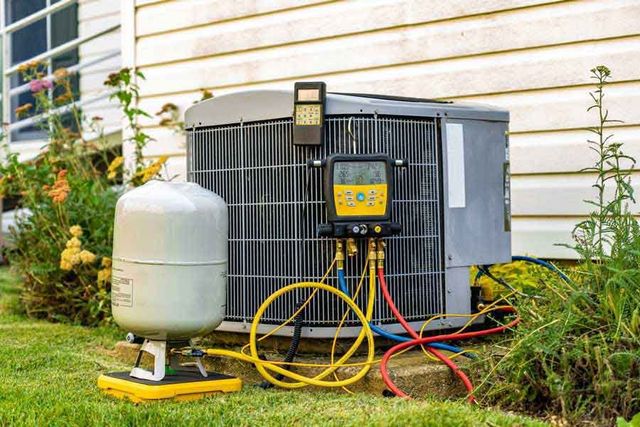
Have you ever wondered what keeps your air conditioner running smoothly without using Freon? If you’re concerned about the environment or just curious about how modern cooling systems work, this question matters to you.
The truth is, many air conditioners today use safer, more eco-friendly alternatives that protect your home and the planet. Keep reading to discover what these alternatives are and why they might be better for your comfort and health.
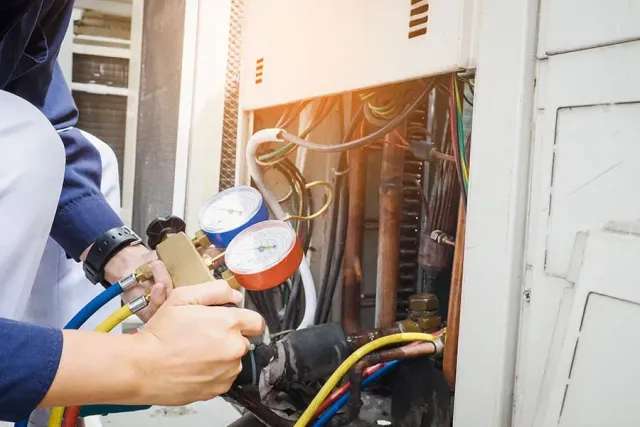
Credit: www.iecomfortac.com
Freon And Its Environmental Impact
Freonis a type of chlorofluorocarbon (CFC). It is used in many air conditioners. Its chemical makeup includes chlorine, fluorine, and carbon. These elements make Freon stable and non-flammable.
Freon can cause ozone layer depletion. The chlorine atoms break down ozone molecules high in the atmosphere. This damage lets more harmful UV raysreach Earth. More UV rays can cause skin cancer and harm plants.
Freon also has a high global warming potential (GWP). It traps heat in the atmosphere much more than carbon dioxide. This adds to climate changeand global warming issues.
Why Shift To Eco-friendly Alternatives
Strict rulesnow limit the use of Freon in air conditioners. Many countries have banned harmful chemicalsto protect the environment. This causes a shift to safer, eco-friendly coolantsthat do not harm the ozone layer.
Using sustainable coolinghelps reduce greenhouse gases. It also lowers energy useand cuts costsfor users. These benefits support cleaner air and a healthier planet.
- Consumers want green optionsthat save energy and protect nature.
- More people choose air conditioners with natural refrigerants.
- Eco-friendly products gain popularitydue to rising environmental care.
Common Eco-friendly Refrigerants
Hydrofluoroolefins (HFOs)are newer refrigerants with low global warming potential. They do not harm the ozone layer. HFOs are used in modern air conditioners for better energy efficiency. These chemicals break down faster in the environment, making them safer.
Hydrocarbons (HCs)like propane and isobutane are natural and eco-friendly refrigerants. They have zero ozone depletion potential and very low global warming impact. HCs are highly flammable, so systems must be designed carefully. Many small air conditioners use hydrocarbons.
| Natural Refrigerants | Details |
|---|---|
| Ammonia (NH3) | Very efficient and used in large cooling systems. Toxic in high amounts but safe with correct handling. |
| Carbon Dioxide (CO2) | Non-toxic and non-flammable. Works well in cold climates and has low environmental impact. |
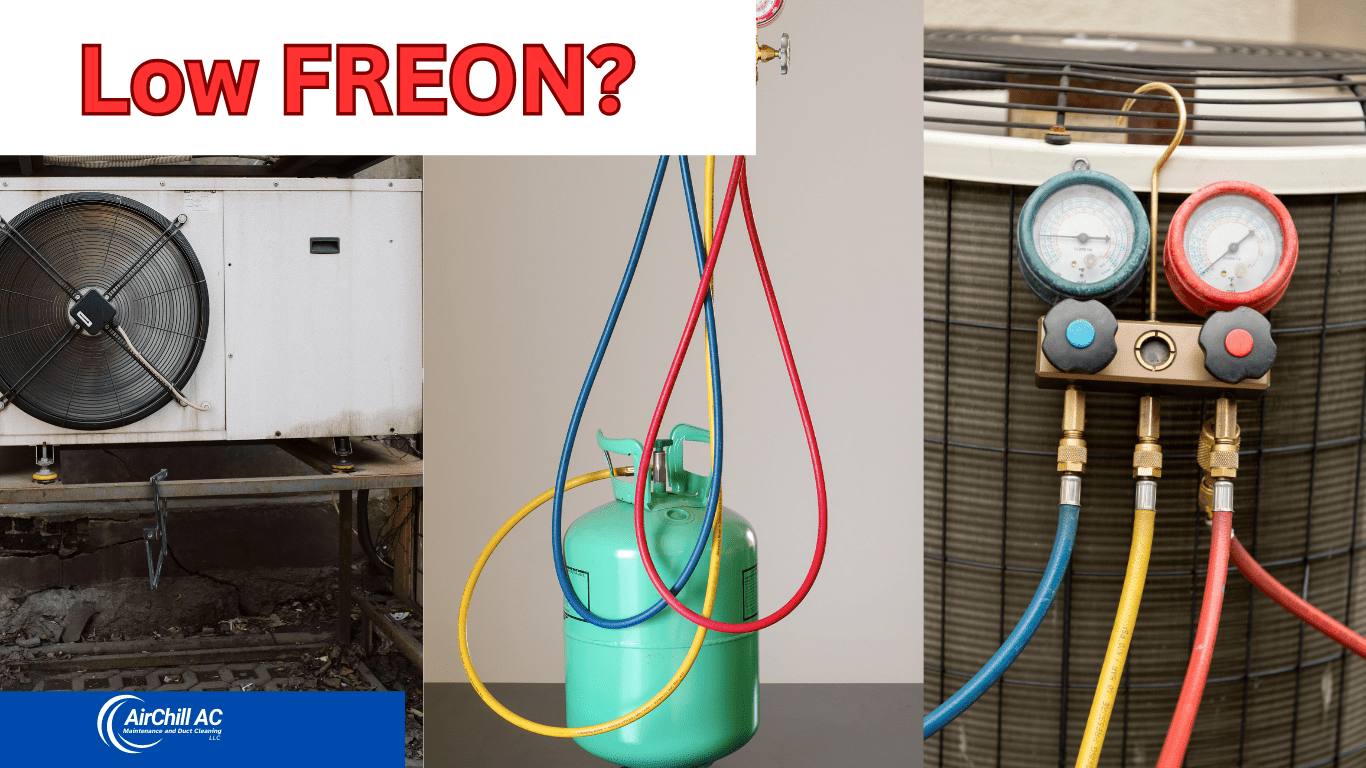
Credit: airchillac.com
Advantages And Challenges Of Alternatives
Energy efficiencyis a key benefit of many Freon alternatives. These new refrigerants often use less power, which lowers electricity bills. Some cool better with less energy. This helps the environment by reducing greenhouse gases.
Safety is also important. Many alternatives are less harmful if they leak. Some are non-toxic and less flammable. Still, some require careful handling because they can catch fire or cause harm. Proper use and storage are needed.
| Factor | Advantages | Challenges |
|---|---|---|
| Cost | Often cheaper over time due to energy savings | Initial price can be higher than Freon |
| Availability | Growing supply as demand increases | Not always in all regions yet |
Future Trends In Air Conditioning
Many new air conditioners use eco-friendly refrigerantsinstead of Freon. These include R-32, R-410A, and hydrofluoroolefins (HFOs). These gases have less harm on the ozone layerand cause less global warming.
Innovative cooling technologies focus on energy efficiencyand environmental safety. Some systems use magnetic coolingor solar power. These options reduce electricity use and pollution.
| Aspect | Details |
|---|---|
| Regulatory Developments | Stricter laws limit harmful refrigerants. Governments push for greener choices. |
| Industry Adoption Rates | Many companies switch to safer refrigerants quickly. Adoption varies by region and cost. |

Credit: www.popularmechanics.com
Frequently Asked Questions
What Refrigerant Do Modern Acs Use?
Modern air conditioners primarily use R-410A refrigerant. It is more environmentally friendly compared to Freon. R-410A does not deplete the ozone layer. It also offers better energy efficiency. This makes it a preferred choice for new air conditioning systems.
Why Is Freon Being Replaced In Acs?
Freon is being phased out due to environmental concerns. It contributes to ozone layer depletion. Regulations now restrict its use in many countries. Newer refrigerants like R-410A are more eco-friendly. They provide a sustainable alternative for cooling systems.
How Does R-410a Compare To Freon?
R-410A is more efficient and eco-friendly than Freon. It has no ozone depletion potential. This makes it safer for the environment. R-410A also allows AC systems to operate at higher pressures. This increases their energy efficiency and cooling performance.
Are There Any Alternatives To R-410a?
Yes, there are alternatives like R-32 and R-134a. R-32 is gaining popularity due to its low global warming potential. R-134a is commonly used in car AC systems. Each alternative has specific applications and benefits. Always consult with a professional for the best choice.
Conclusion
Air conditioners now use safer, eco-friendly refrigerants instead of Freon. These new options reduce harm to the environment and help protect the ozone layer. Many modern systems rely on substances like R-410A or natural refrigerants. These keep homes cool without the risks linked to old chemicals.
Choosing air conditioners with updated refrigerants supports a greener future. It also means better efficiency and safety for users. Understanding this change helps you make smarter choices for your cooling needs. The shift from Freon marks progress in both technology and care for the planet.