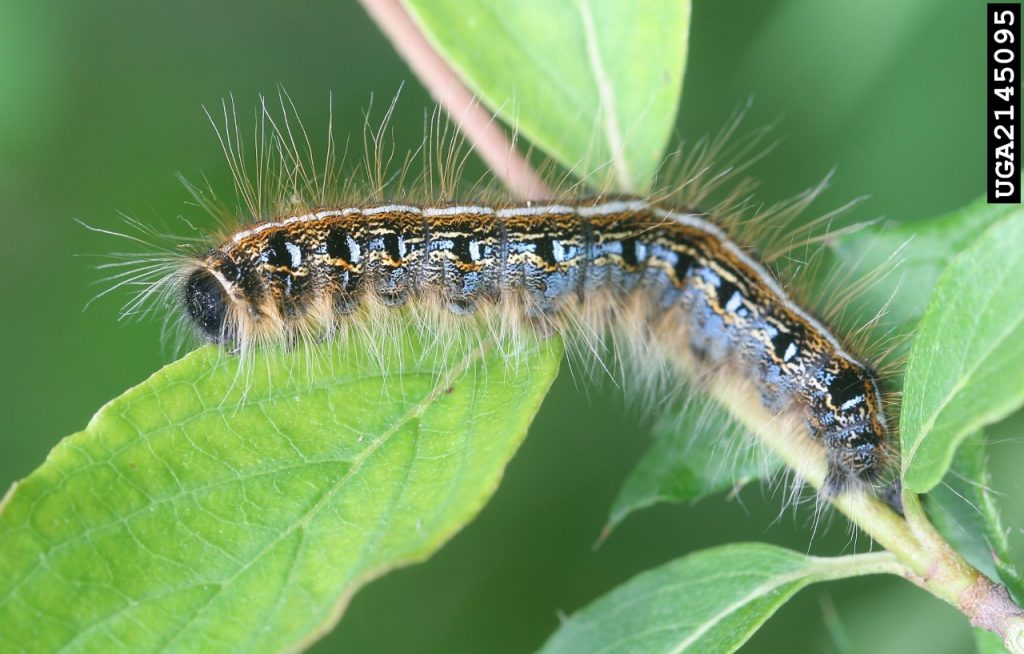
Have you ever spotted a cluster of silky webs hanging from tree branches and wondered what those small, hairy caterpillars are munching on? If you’re curious about Eastern Tent Caterpillars and what they eat, you’re in the right place.
Understanding their diet can help you protect your trees and garden or simply satisfy your curiosity about these fascinating creatures. Keep reading to discover exactly what fuels these tiny, web-building insects and how their eating habits might affect your outdoor space.
Eastern Tent Caterpillar Diet
Eastern tent caterpillars eat leaves from many trees. They live in tents made from silk on tree branches.
These caterpillars need fresh leaves to grow and change into moths. Their diet affects how fast they develop.
Primary Food Sources
Eastern tent caterpillars mainly eat the leaves of deciduous trees. They prefer young, tender leaves that are easy to chew.
They feed mostly during the early spring when leaves start to grow. Their feeding can cause visible damage to trees.
- Leaves of deciduous trees
- New, soft foliage
- Leaves near their silk tents
Preferred Tree Species
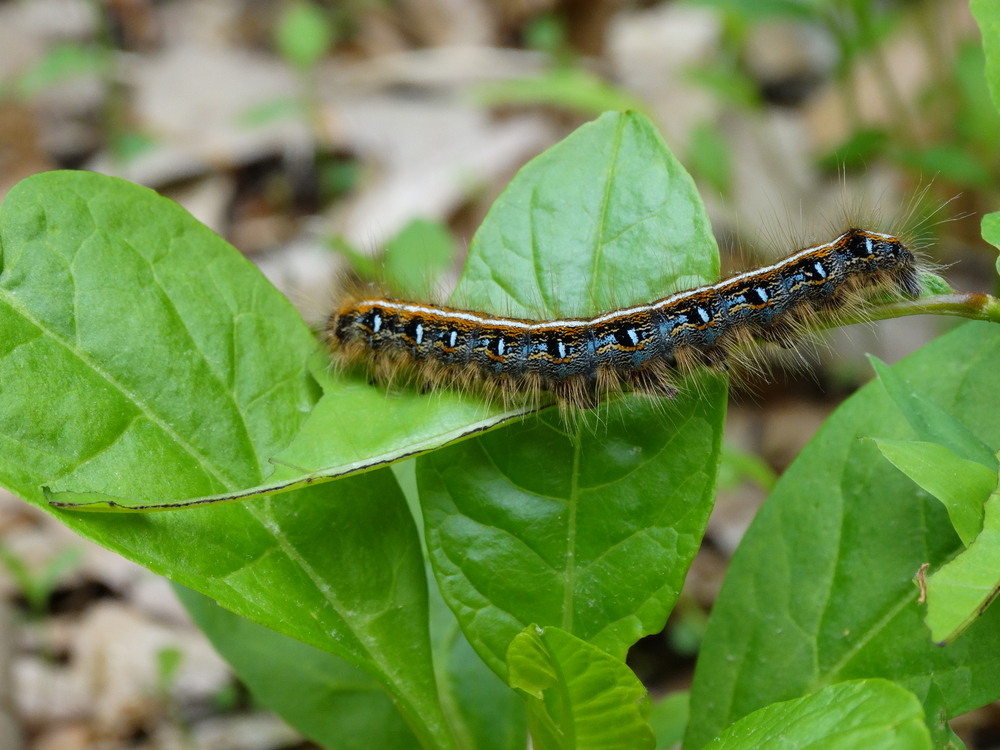
Eastern tent caterpillars favor certain tree species. These trees provide the best food for their growth.
They often choose trees like cherry and apple. These trees have leaves that caterpillars find tasty and nutritious.
- Black cherry (Prunus serotina)
- Apple trees (Malus species)
- Crabapple trees (Malus species)
- Wild plum (Prunus americana)
- Hawthorn (Crataegus species)
Credit: www.brodybrotherspestcontrol.com
Leaf Selection Patterns
Eastern tent caterpillars feed mainly on leaves. Their choice of leaves changes as they grow and with the seasons.
Understanding their leaf selection helps us learn about their habits and impact on trees.
Young Vs Mature Leaves
Young leaves are soft and easier for caterpillars to eat. They often prefer these leaves first.
Mature leaves are tougher and harder to chew. Caterpillars eat these only when young leaves are scarce.
- Young leaves have more water and nutrients
- Mature leaves have more fiber and are less tasty
- Caterpillars grow faster when eating young leaves
Seasonal Changes In Diet
In spring, caterpillars mostly eat fresh young leaves. This is when leaves are new and soft.
Later in the season, leaves get tougher. Caterpillars then eat older, mature leaves more often.
- Spring: preference for young, tender leaves
- Summer: mix of young and mature leaves
- Fall: mostly mature leaves as young leaves disappear
Nutritional Needs
Eastern Tent Caterpillars have specific nutritional needs. These caterpillars depend on certain plants for their diet.
Understanding what they eat helps in studying their growth and development. Their diet impacts their life cycle and health.
Essential Nutrients For Growth
Caterpillars need nutrients to grow properly. Their primary food sources are trees and shrubs.
- Apple trees
- Cherry trees
- Maple trees
- Hawthorn shrubs
Impact Of Diet On Development
Diet greatly affects caterpillar development. A good diet leads to healthy growth and successful transformation.
| Diet Quality | Development Outcome |
| Rich in nutrients | Healthy growth |
| Poor nutrition | Stunted development |

Credit: medium.com
Unusual Food Habits
Eastern tent caterpillars mostly eat leaves, but they have some unusual food habits. These habits help them survive in different environments.
Understanding these habits shows how flexible these caterpillars are in their diet and feeding behavior.
Non-leaf Food Items
Besides leaves, eastern tent caterpillars sometimes eat other parts of plants. They may feed on flowers, buds, and even fruits.
These food items provide extra nutrients that leaves alone do not offer. Eating different plant parts helps them grow stronger.
- Flower petals
- Flower buds
- Soft fruits
- Occasionally young stems
Feeding Behavior Variations
Eastern tent caterpillars change how they eat depending on the season and food availability. They sometimes feed during the day and other times at night.
They also adjust their feeding speed and group size to avoid predators and make the most of their food sources.
- Feed in groups to protect from predators
- Feed at night to avoid heat and birds
- Eat faster when food is scarce
- Rest during hot or dry weather
Effects On Host Plants
Eastern tent caterpillars feed on the leaves of many trees and shrubs. Their eating habits can change how plants grow and survive.
Understanding the effects helps gardeners and farmers protect their plants better.
Defoliation Impact
Eastern tent caterpillars eat large amounts of leaves quickly. This causes defoliation, which means the plant loses many leaves.
When plants lose leaves, they cannot make enough food through photosynthesis. This weakens the plant and slows its growth.
- Reduced leaf area lowers energy production
- Repeated defoliation can cause plant stress
- Severe defoliation may kill young trees
- Older trees often survive but grow slower
Plant Defense Responses
Plants try to protect themselves from caterpillar attacks. They use different defense responses to reduce damage.
These defenses include producing chemicals and growing tougher leaves to stop caterpillars from eating too much.
- Plants release chemicals that taste bad to caterpillars
- Some plants grow thicker leaves to slow feeding
- Certain trees produce toxins to reduce caterpillar growth
- Plants can attract natural enemies of caterpillars
Feeding And Ecosystem Role
Eastern tent caterpillars mainly eat the leaves of trees. They build silk tents in tree branches where they live and feed.
These caterpillars play an important role in their ecosystem. Their feeding affects tree growth and provides food for other animals.
Influence On Forest Ecology
Eastern tent caterpillars feed on leaves of trees like cherry and apple. Their feeding can cause defoliation, which means trees lose many leaves.
Defoliation can slow tree growth for a short time. It also changes the light and moisture on the forest floor, helping other plants grow.
- Leaves eaten by caterpillars drop faster, adding nutrients to soil
- More sunlight reaches the ground, aiding small plants
- Trees may grow more leaves after caterpillar feeding stops
Interactions With Other Species
Many animals eat eastern tent caterpillars. Birds, wasps, and small mammals feed on them as a food source.
The caterpillars also provide homes for some insects inside their silk tents. Parasitoid wasps lay eggs on caterpillars, helping control their numbers.
- Birds like robins and blue jays eat the caterpillars
- Wasps use caterpillars to feed their larvae
- Parasitoid insects help keep caterpillar populations balanced

Credit: extension.colostate.edu
Frequently Asked Questions
What Do Eastern Tent Caterpillars Primarily Eat?
Eastern Tent Caterpillars mainly feed on the leaves of fruit trees like cherry, apple, and crabapple. They prefer new, tender leaves for better nutrition. Occasionally, they consume other deciduous tree leaves but avoid evergreens.
Are Eastern Tent Caterpillars Harmful To Trees?
Yes, they can defoliate trees by eating many leaves quickly. Repeated defoliation weakens trees, reducing growth and fruit production. However, healthy trees usually recover after a single infestation.
Do Eastern Tent Caterpillars Eat All Types Of Leaves?
No, they prefer deciduous tree leaves, especially fruit trees. They rarely eat coniferous or evergreen tree leaves. Their diet focuses on tender, nutrient-rich foliage for optimal growth.
How Does Their Eating Affect Garden Plants?
Their feeding can cause significant leaf loss in gardens. This stress may stunt plant growth and reduce fruit yield. Early detection helps manage their impact effectively.
Conclusion
Eastern tent caterpillars mainly eat leaves from trees like cherry and apple. They enjoy fresh, green leaves that grow in spring. These caterpillars can eat a lot, which sometimes harms trees. Watching their eating habits helps us understand how they grow and live.
Knowing what they eat also helps gardeners protect their plants. These small creatures play a role in nature’s cycle. Their food choices affect the health of nearby trees and plants. Understanding their diet gives insight into their life and the environment.