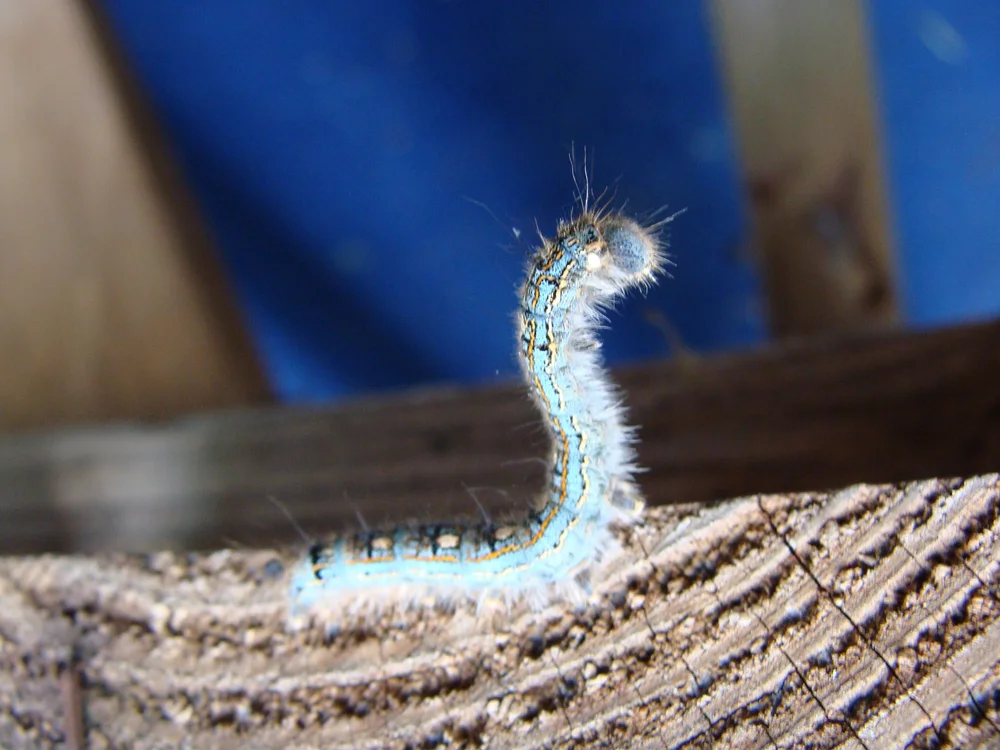
Have you ever spotted those silky, blue-striped caterpillars crawling on tree branches and wondered, “What do forest tent caterpillars eat?” Understanding their food choices can reveal a lot about how these tiny creatures impact your garden or nearby forests. Whether you’re curious about protecting your trees or simply want to learn more about nature’s little movers and shakers, this guide will give you clear answers.
Keep reading to discover what fuels these fascinating insects and why it matters to you.

Credit: extension.colostate.edu
Diet Of Forest Tent Caterpillars
Forest tent caterpillars eat leaves from many types of trees. Their diet changes with the season and tree availability.
Understanding what they eat helps us learn about their impact on forests and how they grow.
Preferred Tree Species
These caterpillars like to feed on certain trees more than others. They choose trees that offer the best nutrition and easy-to-eat leaves.
- Oak trees
- Maple trees
- Birch trees
- Aspen trees
- Sweetgum trees
Leaf Selection Criteria
Forest tent caterpillars pick leaves based on taste, softness, and chemical makeup. They avoid leaves that are too tough or have harmful chemicals.
| Leaf Feature | Effect on Feeding |
| Soft texture | Easy to chew, preferred |
| High sugar content | More energy for growth |
| Toughness | Less eaten, harder to digest |
| Toxins or chemicals | Usually avoided |
Seasonal Feeding Patterns
These caterpillars change their feeding habits during the year. They eat more leaves in spring and early summer when leaves are fresh.
- Spring: Feed on new leaves for high nutrients.
- Early summer: Eat a lot before growing wings.
- Late summer: Reduce feeding as they prepare to pupate.
- Fall: Mostly stop eating before winter.
Feeding Behavior And Habits
Forest tent caterpillars are known for their eating habits. They primarily feed on leaves of deciduous trees.
Understanding their feeding behavior helps in managing their impact on forests.
Daytime Vs Nighttime Activity
Forest tent caterpillars show different activities based on the time of day. During the day, they rest in silken mats.
- Daytime: Resting in silken mats
- Nighttime: Actively feeding on leaves
Group Feeding Dynamics
These caterpillars often feed in groups. This behavior helps them strip leaves quickly from trees.
| Feeding Stage | Activity |
| Early | Small groups |
| Late | Large clusters |
Impact On Host Trees
The feeding habits of forest tent caterpillars significantly affect host trees. They can defoliate trees, causing stress.
Nutritional Needs And Adaptations
Forest tent caterpillars eat mainly leaves from trees. Their food must supply enough energy and nutrients to grow and survive.
These caterpillars have special ways to digest tough leaves and survive when food is scarce.
Nutrient Requirements
Forest tent caterpillars need proteins, carbohydrates, fats, and minerals. Leaves provide these nutrients in varying amounts.
Proteins help build their bodies. Carbohydrates give energy. Fats support cell functions and minerals keep them healthy.
- Proteins from leaf cells help growth
- Carbohydrates fuel movement and development
- Fats aid in storing energy
- Minerals support metabolic processes
Digestive Adaptations
These caterpillars have strong digestive enzymes. They break down tough leaf fibers to get nutrients.
Their gut bacteria also help digest cellulose, a hard part of leaves many animals cannot eat.
- Powerful enzymes digest proteins and carbs
- Gut bacteria break down cellulose
- Long gut helps absorb more nutrients
Survival Strategies During Scarcity
When leaves are scarce, forest tent caterpillars slow down their growth. They eat less but stay alive.
They also eat lower-quality leaves that other animals avoid. This helps them survive tough times.
- Reduce activity to save energy
- Eat older or less nutritious leaves
- Use stored fat for energy
Effects On Forest Ecosystems
Forest tent caterpillars play a big role in forest life. They eat many types of leaves. This affects trees and other living things in the forest.
Understanding what these caterpillars eat helps us see how they change forest health and the animals around them.
Role In Food Web
Forest tent caterpillars are important food for many animals. Birds, small mammals, and insects eat them. This makes caterpillars a key part of the forest food chain.
- Provide food for birds like warblers and orioles
- Feed small mammals such as shrews and bats
- Serve as prey for parasitic wasps and flies
- Help transfer energy from plants to animals
Influence On Tree Health
These caterpillars eat leaves of many hardwood trees. They prefer species like oak, aspen, and sugar maple. Leaf eating can weaken trees if caterpillar numbers are high.
| Tree Species | Effect of Caterpillar Feeding |
| Oak | Heavy defoliation, slow growth |
| Aspen | Leaf loss, reduced photosynthesis |
| Sugar Maple | Weakened branches, stress |
| Birch | Leaf damage, less energy |
Interaction With Other Species
Forest tent caterpillars affect many species. Their feeding changes the forest environment. Some insects and fungi grow better after trees lose leaves.
Here are ways caterpillars interact with other species:
- Support growth of decomposers by adding leaf litter
- Attract predators that control caterpillar numbers
- Cause trees to produce chemicals that repel some insects
- Change habitat structure for small animals
Human Impact And Control Measures
Forest tent caterpillars eat many kinds of trees. They can harm forests and farms. People try to control them to protect nature and crops.
Understanding how these caterpillars affect the environment helps us manage their numbers. There are natural ways and human methods to control them.
Damage To Forestry And Agriculture
These caterpillars eat leaves from many tree species. They often target oak, maple, and aspen trees. This leaf loss weakens trees and slows their growth.
- Defoliation reduces tree growth and timber quality.
- Young trees suffer more from heavy feeding.
- Crop plants near forests can also be affected.
- Repeated outbreaks cause long-term forest damage.
Natural Predators And Parasites
Many animals eat forest tent caterpillars. Birds, wasps, and certain beetles help keep their numbers low. Parasites also infect and kill caterpillars.
| Predator or Parasite | Role |
| Birds | Feed on caterpillars and pupae |
| Parasitic Wasps | Lay eggs inside caterpillars |
| Beetles | Eat larvae and eggs |
| Fungal Pathogens | Cause diseases that kill caterpillars |
Management And Prevention Techniques
People use several methods to control forest tent caterpillars. These include monitoring, biological control, and careful use of insecticides.
- Monitor caterpillar populations to detect outbreaks early.
- Encourage natural predators by protecting their habitats.
- Use insecticides only when necessary to reduce harm to other species.
- Remove heavily infested branches to lower caterpillar numbers.
- Plant tree species less favored by caterpillars near forests.
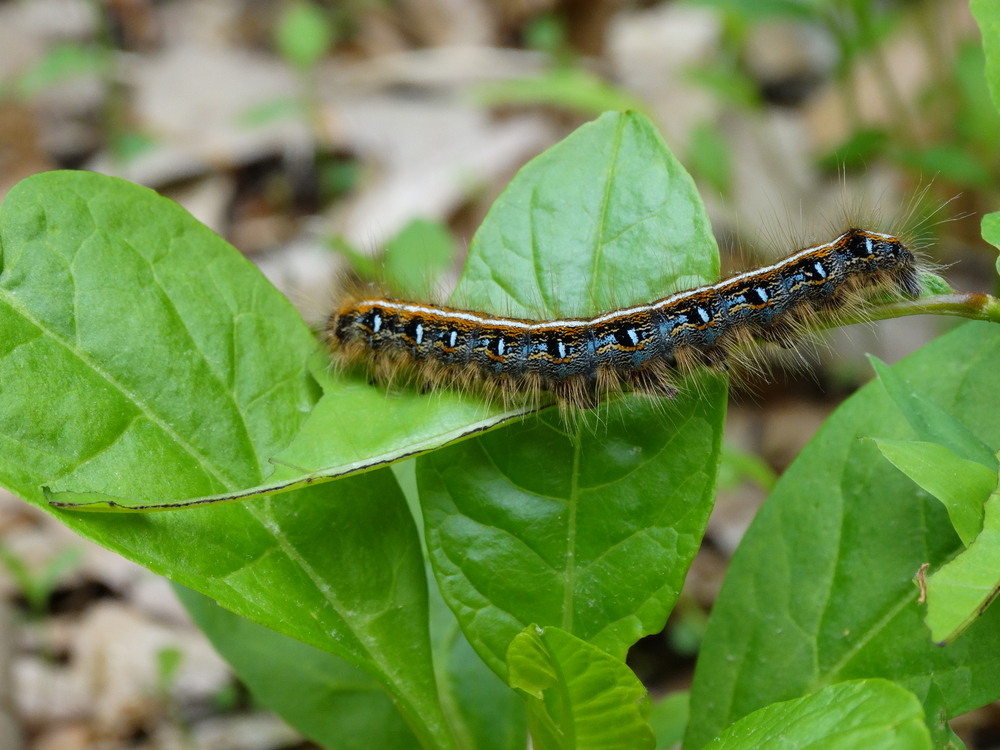
Credit: www.brodybrotherspestcontrol.com

Credit: www.pubs.ext.vt.edu
Frequently Asked Questions
What Do Forest Tent Caterpillars Primarily Eat?
Forest tent caterpillars mainly eat the leaves of hardwood trees. They prefer species like oak, maple, and aspen. Their feeding can defoliate trees but rarely kills them. Caterpillars consume leaves during their larval stage to grow and develop.
Do Forest Tent Caterpillars Eat Coniferous Trees?
No, forest tent caterpillars typically do not eat coniferous trees. They favor deciduous hardwoods instead. Conifers like pine and spruce are generally avoided. This diet specificity helps them thrive in hardwood forests.
How Does Forest Tent Caterpillar Feeding Affect Trees?
Their feeding causes leaf loss, which stresses trees temporarily. Heavy infestations can reduce tree growth and vigor. However, most healthy trees recover quickly after defoliation. Repeated defoliation may increase tree susceptibility to diseases and pests.
When Do Forest Tent Caterpillars Feed The Most?
Forest tent caterpillars feed most actively in spring. This is when larvae hatch and leaves are tender. They continue feeding until pupation in early summer. Timing matches tree leaf emergence for optimal nutrition.
Conclusion
Forest tent caterpillars feed mostly on the leaves of many trees. They prefer oak, maple, and aspen leaves. These caterpillars eat a lot, which can change how trees grow. Watching their eating habits helps us understand forest health better. Knowing what they eat also guides how to protect trees.
Caterpillars play a role in nature’s balance. Studying them shows us how forests work and grow. Simple, natural cycles keep forests alive and strong.