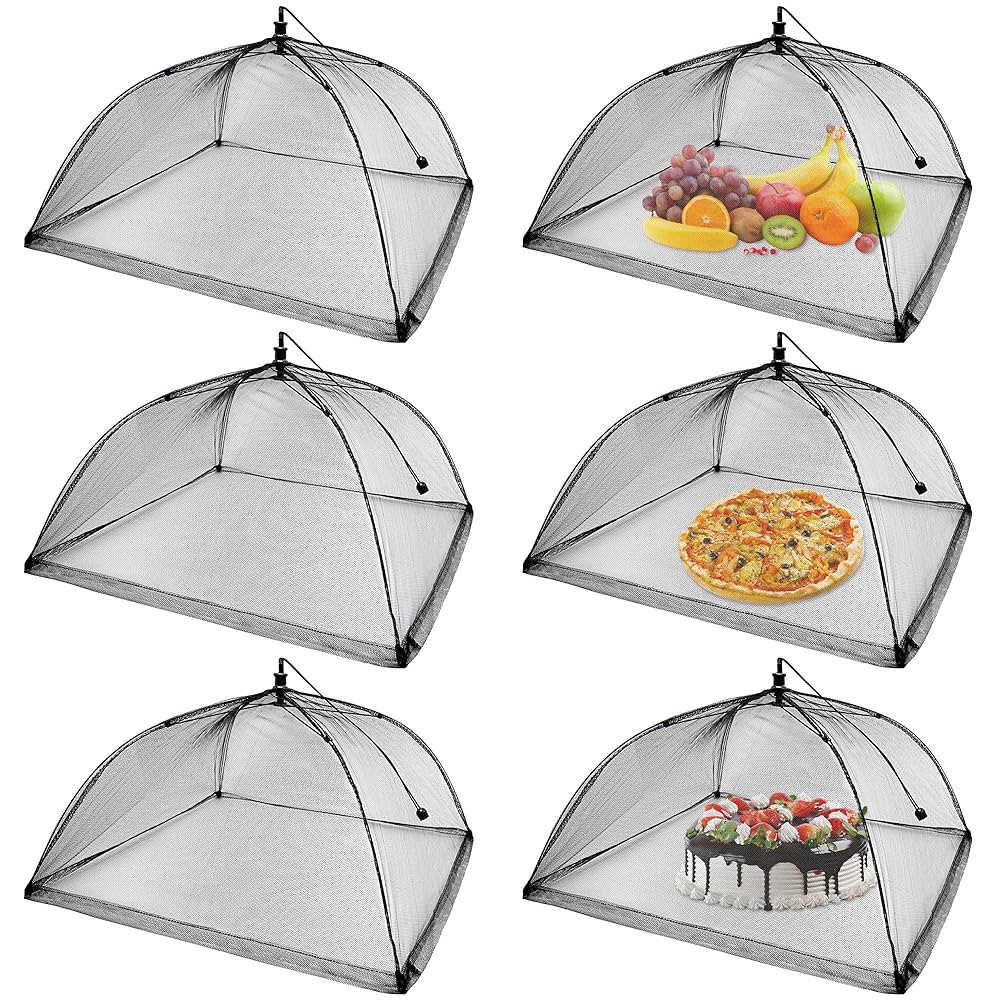
Are you planning to set up a food tent but not sure where to start? Whether you’re hosting a food stall at a festival, a market, or a backyard event, having the right equipment can make all the difference.
You want everything to run smoothly, attract customers, and keep your food safe and fresh. You’ll discover exactly what you need for a food tent to succeed. From essential gear to smart tips, get ready to create a setup that works for you and keeps your guests coming back for more.
Keep reading to make your food tent the star of the event!
Choosing The Right Tent
Picking the right tent is key for a successful food tent. It protects your food and creates a good space for customers.
Think about size, material, and weather before buying. These choices affect your comfort and safety.
Tent Sizes And Shapes
Choose a tent size that fits your cooking and serving needs. Too small tents can feel crowded.
Different shapes offer different benefits. Square tents give more space. Pop-up tents are easy to set up.
- Small tents: good for simple menus
- Medium tents: fit more equipment and workers
- Large tents: best for busy events
- Square tents: offer more usable space
- Pop-up tents: quick and portable
Material And Durability
Strong materials keep your tent safe and lasting. Look for tents made with sturdy frames and thick covers.
Materials like steel or aluminum frames work well. For covers, waterproof and fire-resistant fabrics are best.
- Steel frames: very strong but heavy
- Aluminum frames: lightweight and sturdy
- Polyester covers: water-resistant and durable
- Vinyl covers: waterproof and easy to clean
- Fire-resistant fabrics: increase safety
Weather Considerations
Check the weather before setting up your tent. The right tent keeps you safe from sun, rain, and wind.
Choose tents with good ventilation and waterproof covers. Strong frames help in windy conditions.
- Waterproof covers protect from rain
- Ventilation prevents heat inside the tent
- Wind-resistant frames stop the tent from falling
- Sidewalls add extra protection
- Anchors and weights keep the tent stable
Essential Equipment
Setting up a food tent needs the right tools. Good equipment helps you work safely and quickly.
Here are key items to prepare your food tent for cooking and serving food well.
Tables And Counters
Tables and counters give you space to prepare, cook, and serve food. Choose sturdy and easy-to-clean surfaces.
- Folding tables for easy setup and storage
- Stainless steel counters to resist stains and heat
- Separate prep tables to keep raw and cooked foods apart
- Table covers that protect surfaces and comply with health rules
Cooking Appliances
Cooking appliances must be safe and suitable for your menu. Pick the right tools for fast and even cooking.
| Appliance | Purpose | Notes |
|---|---|---|
| Portable gas stove | Grilling and frying | Easy to move and controls heat well |
| Electric griddle | Cooking burgers and sandwiches | Needs power source; cooks evenly |
| Deep fryer | Frying snacks | Use in well-ventilated area; monitor oil temperature |
| Microwave oven | Reheating food quickly | Good for warming sauces and sides |
Refrigeration Options
Keep food fresh and safe with proper refrigeration. Choose the right cooling for your space and needs.
- Portable coolers with ice packs for short events
- Electric refrigerators for longer hours and larger quantities
- Cold storage bins for ingredients and drinks
- Thermometers to check food temperature
Food Safety Supplies
Food safety is very important for any food tent. You need supplies that keep your food clean and safe.
This guide covers key supplies to help prevent food contamination and keep your customers healthy.
Sanitizing Stations
Sanitizing stations help clean hands and surfaces to stop germs. They are a must-have in a food tent.
Place stations at entrances and near food prep areas for easy access. Use hand sanitizer and wipes.
- Hand sanitizer dispensers
- Antibacterial wipes or spray
- Soap and water sinks if possible
- Disposable gloves for handlers
- Paper towels for drying hands
Temperature Control Tools
Keeping food at the right temperature stops bacteria from growing. You need tools to check and hold temperatures.
Use thermometers to check food often. Coolers and warmers keep food safe until served.
- Food thermometers for hot and cold items
- Coolers with ice packs for cold storage
- Chafing dishes or warming trays for hot food
- Insulated containers to keep food stable
Storage Containers
Good storage containers protect food from dirt and bugs. They also help organize your food tent.
Use containers that seal well and are easy to clean. Label containers to avoid cross-contamination.
- Plastic or metal containers with tight lids
- Clear containers to see contents easily
- Separate containers for raw and cooked foods
- Food-grade containers for safe storage
Power And Lighting
Setting up a food tent needs good power and lighting. Both keep your space safe and efficient. Proper planning helps avoid problems during your event.
You must think about how to supply power and the best lighting options for your tent. This guide covers the basics to get you started.
Generators And Extension Cords
Generators supply electricity when no outlet is nearby. Choose a generator that fits the power needs of your tent equipment. Extension cords help connect devices to power sources safely.
- Pick a generator with enough wattage for all your appliances.
- Use heavy-duty extension cords rated for outdoor use.
- Keep cords away from walkways to prevent tripping.
- Test your equipment before the event to ensure proper function.
- Have extra fuel and cords on hand for emergencies.
Lighting Options
Good lighting helps your staff work and customers see the food clearly. Choose lights that are bright but do not use too much power.
| Light Type | Power Use | Best Use |
| LED String Lights | Low | Decorative and ambient lighting |
| Portable Work Lights | Medium | Bright task lighting for food preparation |
| Battery-Operated Lanterns | Low | Backup lighting or small areas |
| Solar-Powered Lights | None (solar) | Eco-friendly option for daytime charging |
Serving And Display Items
Setting up a food tent means you need the right items to serve and show your food. These items help keep food fresh and make it easy to serve customers.
Good serving and display tools also make your tent look neat and inviting. Here are key items to consider for your food tent.
Serving Utensils
Serving utensils are tools you use to give food to customers. They help keep the food clean and make serving fast.
Common utensils include tongs, spoons, and ladles. Choose utensils that match the food you serve.
- Tongs for picking up solid foods like sandwiches
- Spoons for serving rice, salads, or desserts
- Ladles for soups and sauces
- Spatulas for flipping or serving cooked items
- Disposable gloves for hygiene
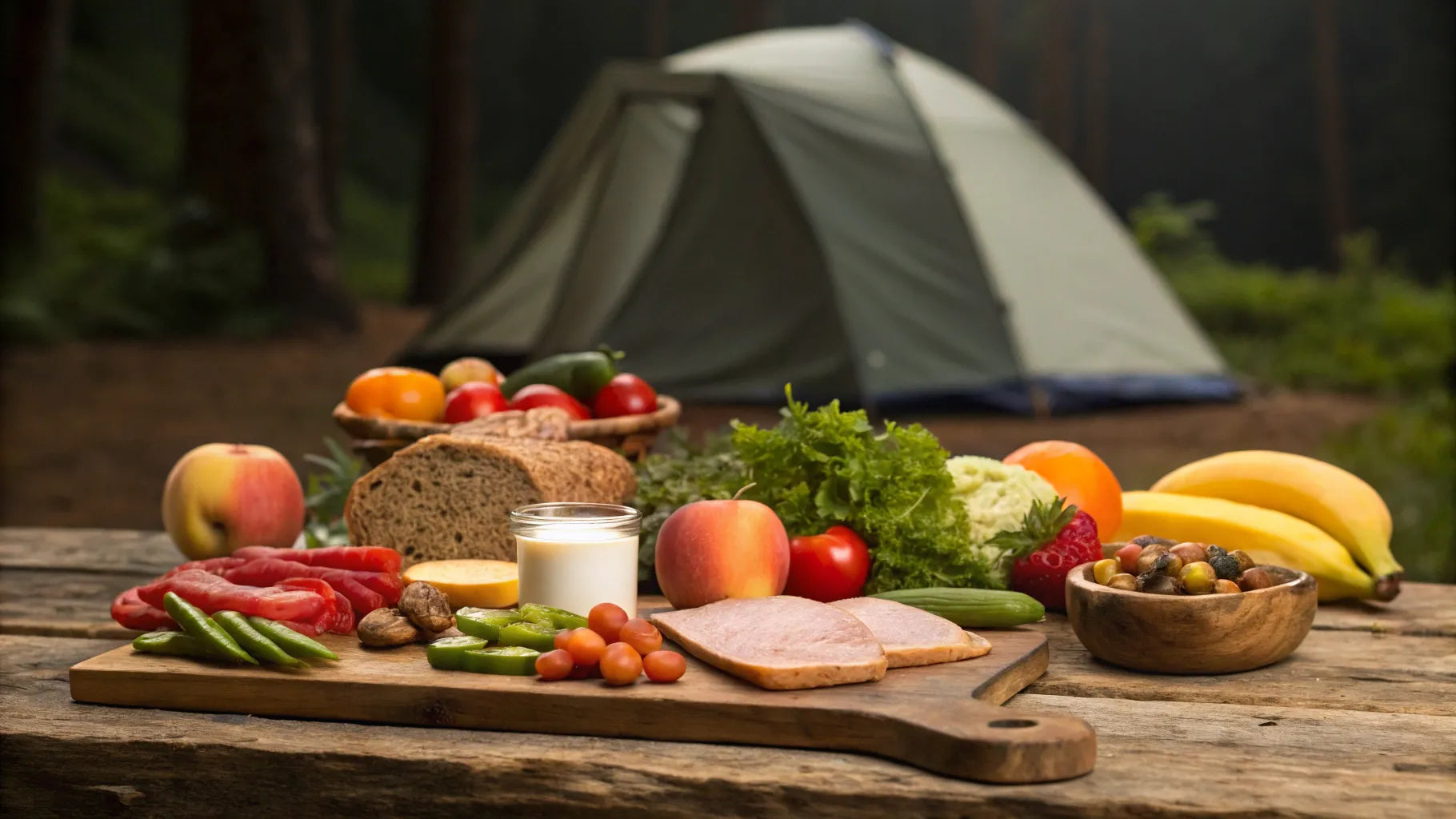
Food Display Trays
Food display trays hold your food items for customers to see. They keep food organized and protected.
Use trays that fit your food type and size. Clear covers help keep food fresh and safe from bugs.
- Plastic or metal trays are easy to clean
- Tiered trays save space and show more items
- Covered trays keep food fresh and protected
- Non-slip trays prevent spills
Signage And Menus
Signage and menus tell customers what you offer and the prices. Clear signs help customers decide quickly.
Use large, easy-to-read signs. List all food items and prices to avoid confusion.
- Chalkboards or whiteboards for easy updates
- Printed menus on clipboards or stands
- Signs showing special deals or combos
- Clear labels for allergens or food types
Credit: www.battlbox.com
Health And Safety Essentials
Running a food tent requires careful attention to health and safety. Proper preparation helps prevent accidents and keeps everyone safe.
This guide covers key items needed for health and safety at your food tent.
First Aid Kit
A well-stocked first aid kit is a must. It helps treat small injuries quickly and prevents infections.
- Bandages of various sizes
- Antiseptic wipes and ointments
- Disposable gloves
- Burn cream
- Scissors and tweezers
- Instant cold packs
- CPR face shield
Fire Extinguishers
Fire extinguishers are essential to handle small fires fast. Choose the right type for your cooking equipment.
| Extinguisher Type | Use For |
| Class K | Cooking oils and grease fires |
| Class ABC | Electrical, paper, wood fires |
| Class B | Flammable liquids |
Personal Protective Gear
Protective gear keeps your staff safe from burns, cuts, and contamination. Use it consistently.
- Heat-resistant gloves for handling hot items
- Aprons to protect clothing and skin
- Hairnets or caps to keep hair contained
- Face masks to reduce contamination risks
- Closed-toe shoes for foot protection
Permits And Documentation
Setting up a food tent needs proper permits and paperwork. These ensure your tent follows safety and health laws. Getting the right documents helps avoid fines and closures.
Each area has different rules. You must check local laws to know what is required. This guide covers key permits and documents for your food tent.
Local Regulations
Local governments set rules for food tents. These laws cover where you can set up and how to manage waste. You often need a special event permit or temporary food vendor license.
- Check city or county websites for permit details
- Apply for event or vendor permits early
- Follow zoning and location restrictions
- Pass any required health inspections
Food Handling Licenses
Food handlers must have proper licenses. These prove you know safe food prep and storage. Licenses vary by state and type of food served.
| License Type | Description | Who Needs It |
| Food Handler Permit | Basic food safety training | All staff handling food |
| Temporary Food License | Allows selling food at events | Vendors at fairs, markets |
| Health Department Certification | Shows compliance with health codes | Operators and managers |
Insurance Requirements
Insurance protects your food tent and customers. Some permits require proof of insurance before approval. Common types include general liability and product liability insurance.
Common Insurance Types for Food Tents:
- General Liability Insurance: Covers accidents and injuries
- Product Liability Insurance: Protects against food-related claims
- Property Insurance: Covers your equipment and supplies
Credit: www.battlbox.com
Comfort And Convenience
Setting up a food tent needs careful planning for comfort and ease. A good setup helps guests enjoy their time without stress.
Focus on areas like seating, shade, and waste disposal. These make the tent inviting and practical.
Seating Arrangements
Comfortable seating is a must for a food tent. Choose chairs and tables that suit your space and guest count.
- Use foldable chairs for easy setup and storage
- Arrange tables to allow smooth movement
- Add cushions for extra comfort
- Provide different seating options like benches or stools
Shade And Cooling
Shade keeps guests cool and protects food from sun. Cooling helps in hot weather for better comfort.
| Shade Options | Cooling Methods |
| Pop-up canopies | Battery-powered fans |
| Umbrellas | Portable misting systems |
| Tents with side panels | Ice buckets for drinks |
Waste Disposal Solutions
Keep the tent clean with proper waste disposal. This makes the space hygienic and pleasant.
- Place clearly marked bins for trash and recycling
- Use liners for easy cleanup
- Empty bins regularly to avoid overflow
- Provide hand sanitizer near waste areas

Credit: americantent.com
Frequently Asked Questions
What Essentials Do I Need For A Food Tent Setup?
For a food tent, you need a sturdy canopy, tables, chairs, and proper lighting. Include cooking equipment, serving utensils, and food storage containers for safety and convenience.
How Do I Ensure Food Safety In A Food Tent?
Maintain proper temperature control using coolers or warmers. Use clean utensils, wear gloves, and store food in sealed containers to prevent contamination.
What Permits Are Required For Operating A Food Tent?
Check local regulations for food handling permits, health inspections, and vendor licenses. Always comply with legal requirements to avoid fines and closures.
How Can I Make My Food Tent More Attractive?
Use bright signage, decorative lighting, and clean displays. Offer samples and engage customers with friendly service to boost appeal and sales.
Conclusion
Having the right items for a food tent makes a big difference. Choose sturdy tents to protect from sun and rain. Bring tables and chairs for easy serving and comfort. Don’t forget coolers to keep food fresh and safe. Clean containers help keep everything tidy and neat.
Good lighting helps if your event lasts late. Simple tools like tongs and gloves ensure hygiene. Planning well helps your food tent run smoothly. Ready to serve tasty food with confidence!