Have you ever wondered what plants actually eat to grow big and strong? Unlike animals, plants don’t sit down for a meal, but they still need food to survive.
Understanding what plants use as food can change the way you care for your garden or houseplants. You’ll discover the simple yet fascinating process that fuels plant life. Keep reading, and you’ll learn how to help your plants thrive like never before.

Credit: www.youtube.com
How Plants Make Food
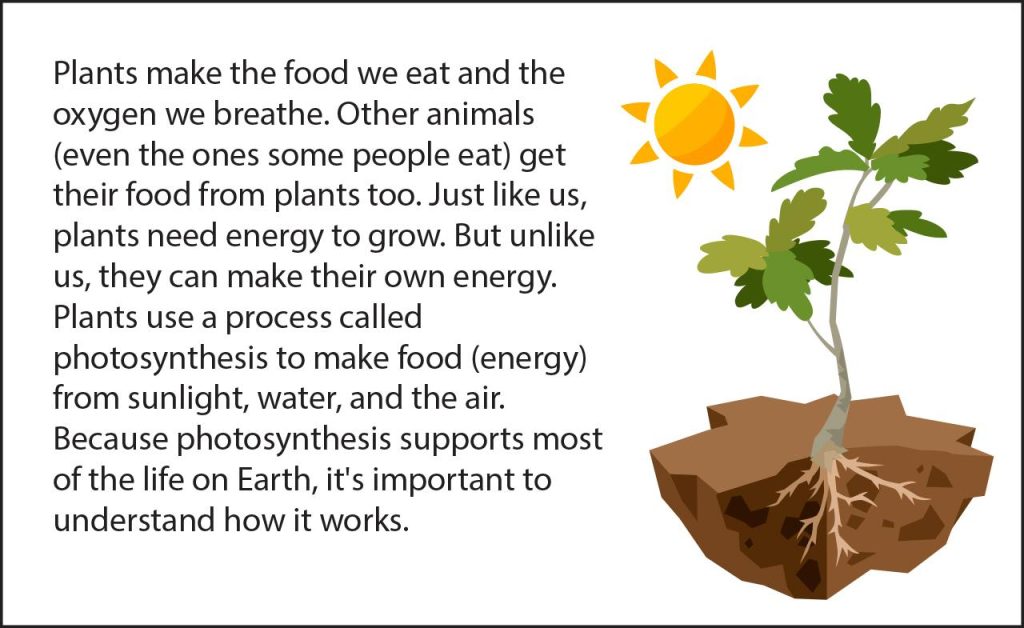
Plants create their own food using sunlight, water, and air. This process is called photosynthesis.
They take simple materials and turn them into energy they can use to grow.
Photosynthesis Basics
Photosynthesis is how plants make food from sunlight. They use carbon dioxide and water to make sugar and oxygen.
The sugar gives plants energy to live and grow. Oxygen is released into the air.
- Carbon dioxide comes from the air
- Water is absorbed by roots from soil
- Sunlight is the energy source
- Sugar is the food plants make
- Oxygen is released as a byproduct
Role Of Chlorophyll
Chlorophyll is a green pigment in plant leaves. It helps capture sunlight for photosynthesis.
Without chlorophyll, plants cannot absorb the light energy they need to make food.
- Gives leaves their green color
- Absorbs sunlight energy
- Works mainly with blue and red light
- Helps convert light into chemical energy
Sunlight As Energy Source
Sunlight provides the energy plants need to make food. It powers the photosynthesis process.
Light energy changes into chemical energy stored in sugar molecules.
- Light energy comes from the sun
- Plants absorb light with chlorophyll
- Energy splits water molecules
- Energy helps build sugar from carbon dioxide

Credit: karstennursery.com
Essential Nutrients For Plants
Plants need nutrients to grow strong and healthy. These nutrients come from soil, water, and air. They help plants build leaves, roots, and flowers.
Understanding what plants use as food helps us care for them better. Nutrients are divided into groups based on how much plants need.
Macronutrients Explained
Macronutrients are the nutrients plants need in large amounts. They help plants grow and make food through photosynthesis.
- Nitrogen (N) helps plants grow leaves and stems.
- Phosphorus (P) supports root growth and flower development.
- Potassium (K) strengthens plants and helps resist diseases.
- Calcium (Ca) builds cell walls for strong structure.
- Magnesium (Mg) is key for photosynthesis.
- Sulfur (S) helps make proteins and enzymes.
Micronutrients And Their Importance
Micronutrients are needed in small amounts but are just as important. They help with many plant processes and keep plants healthy.
| Micronutrient | Role in Plant |
| Iron (Fe) | Helps make chlorophyll |
| Manganese (Mn) | Aids in photosynthesis and growth |
| Boron (B) | Supports cell wall formation |
| Zinc (Zn) | Helps enzymes work |
| Copper (Cu) | Assists in respiration and metabolism |
| Molybdenum (Mo) | Helps use nitrogen |
Water’s Role In Nutrition
Water is essential for plants. It carries nutrients from the soil to all parts of the plant. Water also keeps plants cool and helps photosynthesis.
- Transports nutrients inside plants
- Keeps plant cells firm and healthy
- Helps break down nutrients for absorption
- Supports photosynthesis by providing hydrogen
Soil’s Contribution To Plant Food
Plants get their food mainly from a process called photosynthesis. Still, soil plays a big part in providing the nutrients plants need. Soil holds important minerals and water that plants absorb through their roots.
Healthy soil offers the right balance of nutrients. These nutrients help plants grow strong and stay healthy. Without good soil, plants cannot get all the food they need.
Nutrient Absorption Process
Plant roots take in water and nutrients from the soil. These nutrients include nitrogen, phosphorus, and potassium. Roots absorb nutrients in small amounts dissolved in water.
Once inside the plant, nutrients move to different parts. They help build leaves, flowers, and fruits. Without enough nutrients, plants grow slowly or become weak.
Soil Types And Nutrient Availability
Different soils hold nutrients differently. Sandy soil drains water fast but loses nutrients quickly. Clay soil holds nutrients well but drains slowly.
Loam soil has a good mix of sand, silt, and clay. It holds nutrients and water well. This soil type is best for most plants because it supports nutrient availability.
- Sandy soil: drains fast, fewer nutrients
- Clay soil: holds nutrients, poor drainage
- Loam soil: balanced nutrients and water
Impact Of Soil Health
Healthy soil has good structure and many helpful microbes. These microbes help break down organic matter into nutrients. They also protect plants from diseases.
Poor soil health reduces nutrient supply. It can cause plants to suffer from nutrient deficiencies. Farmers use compost or fertilizers to improve soil health and nutrient levels.

Credit: www.youtube.com
Surprising Food Sources For Plants
Plants need food to grow, but not all get it from soil alone. Some plants have unique ways to find nutrients.
We will explore how certain plants eat insects, work with other organisms, and recycle organic matter.
Carnivorous Plants’ Diet
Carnivorous plants trap and eat insects to get nutrients. They live in places where soil lacks minerals.
- Venus flytraps snap shut on insects.
- Pitcher plants use deep tubes filled with liquid.
- Sundews catch prey with sticky hairs.
- Bladderworts trap small water animals.
Symbiotic Relationships
Some plants form partnerships with fungi or bacteria. These partners help plants get food in special ways.
| Plant Partner | Benefit to Plant |
| Mycorrhizal Fungi | Help absorb water and minerals |
| Rhizobium Bacteria | Fix nitrogen from air in roots |
| Endophytic Fungi | Protect plants from pests and stress |
Organic Matter Recycling
Plants also get food from decayed plants and animals. This process returns nutrients to the soil.
Here are key steps in organic matter recycling:
- Dead leaves and animals break down by microbes.
- Soil nutrients like nitrogen and phosphorus return.
- Plants absorb these nutrients through roots.
Factors Affecting Plant Nutrition
Plants need food to grow and thrive. Their food comes from the environment and their own adaptations.
Various factors influence how plants get and use their food. Let’s explore these factors.
Environmental Influences
Environmental conditions affect how plants absorb nutrients. Weather, soil, and light play crucial roles.
- Soil quality impacts nutrient availability.
- Light determines photosynthesis rate.
- Temperature affects plant metabolism.
Human Impact On Plant Food
Human activities can alter plant nutrition. This includes agriculture and pollution.
| Activity | Impact on Plants |
| Pesticide Use | Can harm beneficial soil organisms |
| Fertilizer Application | Increases nutrient levels but may lead to runoff |
| Industrial Pollution | Contaminates air and soil |
Adaptive Mechanisms In Plants
Plants have evolved to adapt to their surroundings. These adaptations help them survive in different conditions.
Innovations In Plant Nutrition
Plants need food to grow and stay healthy. They get nutrients from soil, water, and sunlight.
New ideas help improve how plants get their food. These changes help farmers grow more food.
Fertilizer Advances
Fertilizers add important nutrients to the soil. Scientists make better fertilizers that work well and last longer.
Some new fertilizers release nutrients slowly. This helps plants get food over time without waste.
- Slow-release fertilizers reduce pollution
- Organic fertilizers improve soil health
- Precision fertilizers target plant needs
Hydroponic Food Supply
Hydroponics grows plants without soil. Nutrients dissolve in water and feed the plants directly.
This method saves water and space. It helps grow plants in places with poor soil or no land.
- Plants grow faster in hydroponics
- Water use is much lower
- Controlled nutrients improve plant health
Genetic Enhancements
Scientists change plant genes to help plants use food better. These plants need fewer nutrients to grow strong.
Genetic changes can make plants resist pests and diseases. This reduces the need for chemicals.
- Improved nutrient absorption
- Better resistance to pests
- Higher growth rates in tough conditions
Frequently Asked Questions
What Do Plants Use As Their Primary Food Source?
Plants primarily use sunlight as their food source through photosynthesis. They convert light energy into chemical energy, producing glucose for growth and energy.
How Do Plants Make Food From Sunlight?
Plants use chlorophyll to capture sunlight. This energy converts carbon dioxide and water into glucose and oxygen during photosynthesis.
Can Plants Survive Without Soil Nutrients?
Plants need soil nutrients like nitrogen and phosphorus for growth. However, some can absorb nutrients from water or air under certain conditions.
Why Is Chlorophyll Important For Plant Food Production?
Chlorophyll absorbs sunlight, enabling photosynthesis. Without chlorophyll, plants cannot produce the glucose needed for energy and growth.
Conclusion
Plants make their own food using sunlight, water, and air. This process, called photosynthesis, helps them grow and stay healthy. They turn sunlight into energy, which fuels their life. Soil provides minerals, but sunlight is the main source. Understanding how plants eat helps us care for them better.
Growing plants means supporting life on Earth. Simple, natural, and amazing. Plants feed themselves every day, quietly and steadily. Nature’s way of staying green and alive.