Are mosquitoes ruining your outdoor time? You might wonder how professionals keep these pests away so effectively.
What do professional mosquito sprayers use that makes their treatments work so well? Understanding their tools and techniques can help you protect your home and enjoy your yard without constant buzzing and biting. Keep reading to discover the secrets behind professional mosquito control and how you can apply them to your own space.
Credit: www.mrmr.biz
Common Tools For Mosquito Spraying
Professional mosquito sprayers use different tools to control mosquitoes. These tools help spread insecticides efficiently and safely.
Using the right tool depends on the area size and the type of mosquitoes targeted. Here are some common tools used by experts.
Backpack Sprayers
Backpack sprayers are portable tanks worn on the back. They allow sprayers to cover large areas quickly.
These sprayers use a pump to push insecticide through a nozzle. Users can control the spray pattern and flow.
- Hold 4 to 6 gallons of liquid
- Good for lawns, parks, and gardens
- Manual or battery-powered pumps
- Adjustable spray nozzles for different coverage
Foggers And Misters
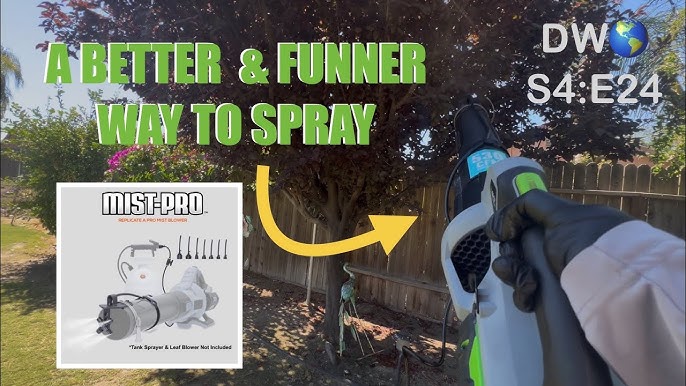
Foggers create a fine mist that spreads insecticide over wide areas. Misters work similarly but produce larger droplets.
These tools are best for outdoor spaces like backyards or wooded areas. The fog reaches mosquitoes in hard-to-see places.
- Use heat or cold to produce fog
- Can cover large spaces quickly
- Good for treating mosquito resting spots
- Require careful handling for safety
Handheld Sprayers
Handheld sprayers are small and easy to use. They are good for spot treatments or small areas.
These sprayers have a small tank and a nozzle. Users pump manually or use a trigger to spray insecticide.
- Hold about 1 quart of liquid
- Lightweight and portable
- Ideal for targeting specific spots
- Simple to operate with no power needed
Types Of Mosquito Control Products
Professional mosquito sprayers use different products to control mosquitoes. These products target mosquitoes at various life stages. This helps reduce mosquito numbers and prevent bites.
Understanding these products helps explain how professionals keep areas safe from mosquitoes. The main types include insecticides, larvicides, and repellents.
Insecticides
Insecticides kill adult mosquitoes on contact or after they land on treated surfaces. Professionals use sprays that spread over large areas. Some insecticides work fast, while others last longer.
- Pyrethroids: Common and quick-acting insecticides
- Organophosphates: Used in some outdoor treatments
- Carbamates: Alternative chemicals for mosquito control
Larvicides
Larvicides target mosquito larvae in water before they become adults. They stop larvae from growing or kill them directly. Larvicides help reduce mosquito populations early.
| Larvicide Type | Method | Usage |
| Bacterial Larvicides | Kill larvae by infection | Used in standing water |
| Insect Growth Regulators | Prevent larvae from maturing | Applied in ponds and containers |
| Surface Films | Create a thin layer on water | Stops larvae breathing |
Repellents
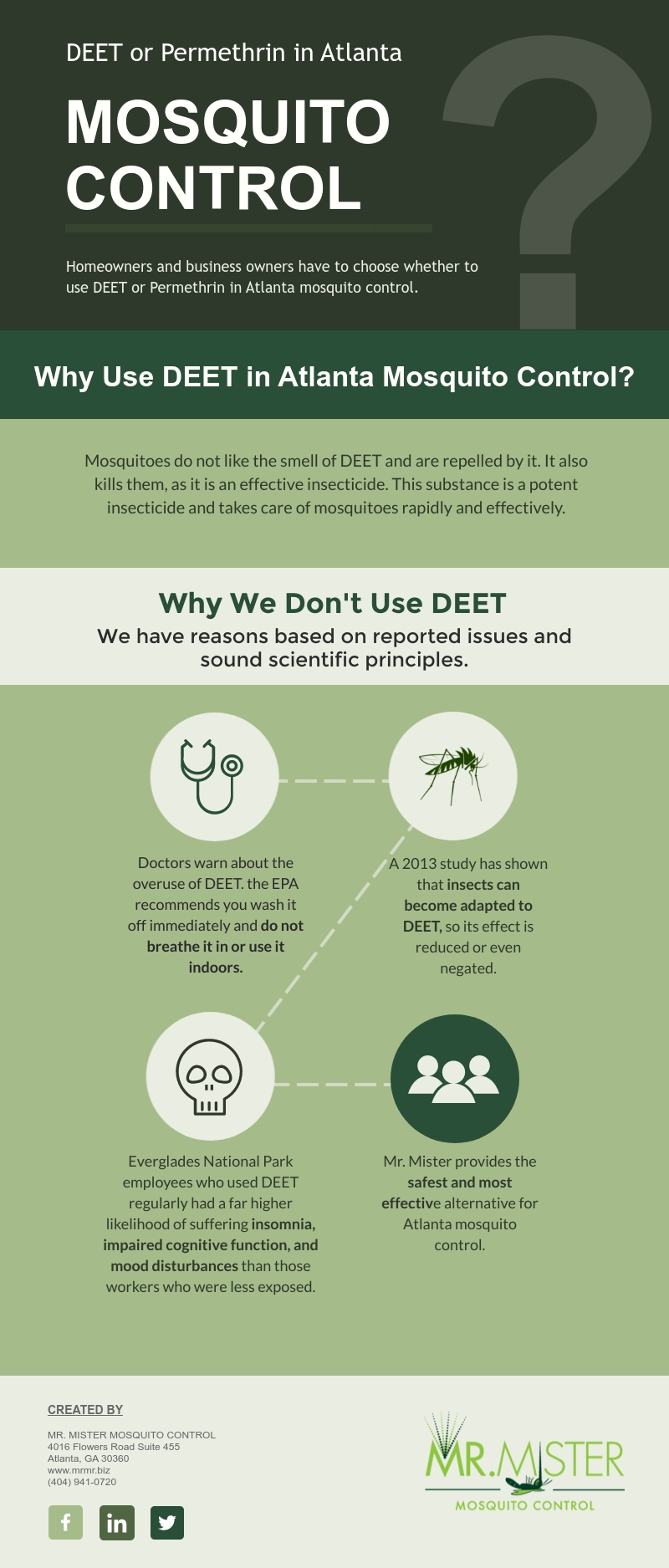
Repellents keep mosquitoes away from people and animals. They do not kill mosquitoes but block their sense of smell. Professionals use repellents on skin or in the air.
- DEET: Long-lasting and effective repellent
- Picaridin: Less odor and skin irritation
- Natural oils: Plant-based options like citronella
Protective Gear For Sprayers
Professional mosquito sprayers need to protect themselves from harmful chemicals. They use special gear to stay safe while working.
This gear includes masks, clothing, gloves, and eye protection. Each piece is important for different reasons.
Respirators And Masks
Respirators help sprayers breathe safely around chemicals. They filter out dangerous particles from the air.
Masks fit snugly over the nose and mouth. They prevent inhalation of toxic substances.
- N95 masks block most airborne particles
- Full-face respirators offer complete protection
Protective Clothing
Special clothing protects the skin from chemicals. It covers the body to prevent contact with sprays.
The clothes are made from materials that resist chemical penetration. They are often lightweight and breathable.
| Coveralls | Full body coverage |
| Aprons | Protection for the front of the body |
Gloves And Eye Protection
Gloves protect the hands from direct chemical exposure. They are made of materials that do not absorb chemicals.
Eye protection keeps harmful sprays out of the eyes. Goggles or face shields are commonly used.
- Rubber gloves resist chemical damage
- Goggles prevent eye irritation
- Face shields offer additional protection

Credit: www.youtube.com
Advanced Technology In Mosquito Spraying
Professional mosquito sprayers use new tools to control mosquito populations. These tools make spraying safer and more effective.
Technology helps sprayers cover large areas and track mosquito activity better. This leads to better results in mosquito control.
Automated Spraying Systems
Automated spraying systems use machines that spray insecticides without much human help. These systems follow set paths and schedules.
They help cover large areas quickly. They also reduce human exposure to chemicals during spraying.
- Programmable to spray at specific times
- Control spray amount and area precisely
- Improve consistency in mosquito control
Drone Applications
Drones help spray hard-to-reach places like tall trees and wetlands. They can fly over water and rough land easily.
Using drones saves time and lowers costs. They also reduce the need for large trucks or equipment on site.
- Access remote and difficult areas
- Spray with high accuracy and speed
- Minimize environmental impact
Smart Monitoring Devices
Smart devices track mosquito numbers and activity in real time. These devices send data to sprayers for better planning.
They use sensors and cameras to detect mosquito breeding spots. This helps target spraying only where needed.
- Detect mosquito population changes quickly
- Provide data for precise spraying
- Help reduce chemical use by targeting spots
Safety Measures And Best Practices
Professional mosquito sprayers follow strict safety rules to protect people and the environment. They use careful methods to apply chemicals safely.
Understanding proper handling, environmental care, and timing helps reduce risks and improve results in mosquito control.
Proper Chemical Handling
Professionals wear protective gear like gloves, masks, and goggles when handling chemicals. They store products in locked, labeled containers away from children and pets.
- Read and follow the chemical label instructions carefully.
- Use only the recommended amount of spray.
- Keep chemicals away from food and water sources.
- Dispose of leftover chemicals properly according to local rules.
- Wash hands and clothes after spraying.
Environmental Considerations
Sprayers avoid harming beneficial insects, pets, and plants. They choose products that break down quickly and have low toxicity.
| Consideration | Practice |
| Protect bees and butterflies | Spray during times they are less active |
| Prevent water contamination | Avoid spraying near ponds and streams |
| Minimize air pollution | Use low drift spray techniques |
| Keep pets safe | Restrict access to treated areas until dry |
Timing And Frequency Of Spraying
Spraying at the right time helps control mosquitoes effectively. Usually, sprayers work early morning or late evening when mosquitoes are active.
- Spray during cool, calm weather to reduce drift.
- Repeat treatments every 7 to 14 days as needed.
- Avoid spraying after heavy rain to prevent wash-off.
- Check local mosquito activity and adjust timing accordingly.
Choosing The Right Equipment
Professional mosquito sprayers need the right tools to work well. Picking good equipment helps them control mosquitoes safely and quickly.
Different tools fit different jobs. Knowing what to choose makes the job easier and more effective.
Factors Influencing Tool Selection
Sprayers choose tools based on the area size, type of mosquitoes, and weather conditions. They also think about safety and ease of use.
- Area size to cover
- Mosquito species and habits
- Weather and wind conditions
- Safety for operators and residents
- Ease of carrying and handling
Cost Vs. Efficiency
Some equipment costs more but works faster and better. Cheaper tools may save money but take longer and use more chemicals.
Professionals balance cost and results. They pick tools that fit their budget and still get rid of mosquitoes well.
- High-cost tools often last longer
- Lower-cost tools need more frequent use
- Efficient tools reduce chemical waste
- Good tools save time and effort
Maintenance And Longevity
Good equipment needs regular care to work well. Cleaning and checking parts can stop breakdowns and keep tools safe.
Tools that last longer save money and reduce downtime. Professionals pick gear that is easy to fix and clean.
- Regular cleaning after each use
- Replacing worn parts early
- Storing equipment in dry places
- Following manufacturer maintenance tips

Credit: honorguardpest.com
Frequently Asked Questions
What Chemicals Do Professional Mosquito Sprayers Use?
Professional sprayers use EPA-approved insecticides like pyrethroids and larvicides. These chemicals effectively target mosquitoes while being safe for humans and pets when applied correctly.
How Often Do Professionals Spray For Mosquitoes?
Typically, mosquito spraying is done every 2 to 4 weeks during peak mosquito seasons. Frequency depends on local climate, mosquito population, and homeowner preferences.
What Equipment Is Used In Professional Mosquito Spraying?
Professionals use backpack sprayers, truck-mounted foggers, or handheld mist blowers. These tools help apply insecticides evenly over large areas for maximum mosquito control.
Are Mosquito Sprays Safe For Pets And Children?
Yes, when applied by professionals following safety guidelines, mosquito sprays are safe. They use low-toxicity products and advise avoiding treated areas until dry.
Conclusion
Professional mosquito sprayers rely on safe and effective tools. They choose sprays that target mosquitoes without harming people or pets. Using the right equipment helps keep yards mosquito-free. Regular treatments prevent bites and reduce disease risks. Homeowners can learn from these experts to protect their spaces.
Small steps make a big difference in mosquito control. Trusting proven methods ensures a comfortable, pest-free environment.