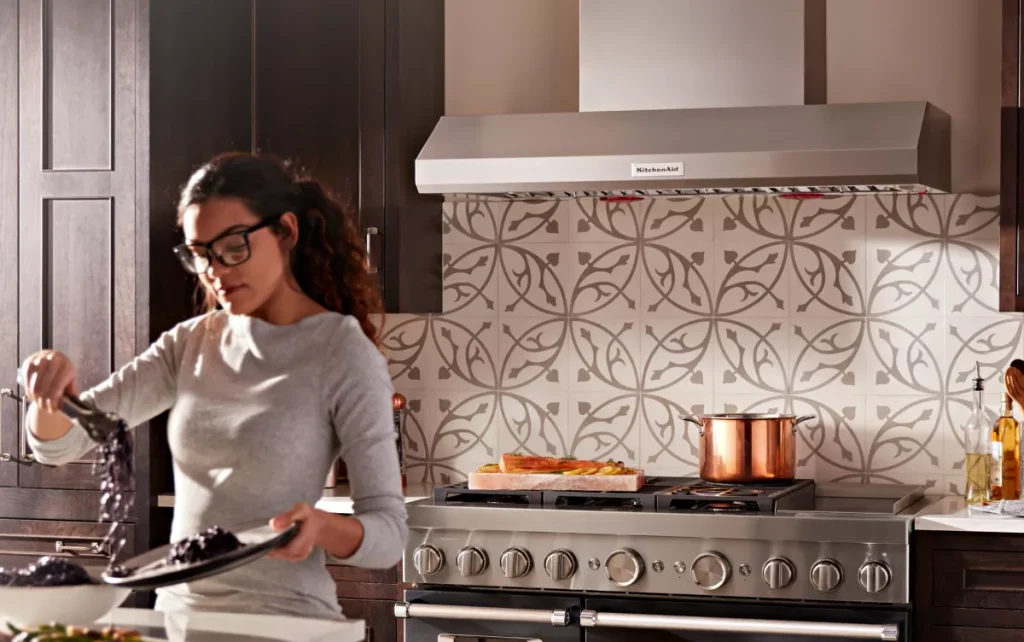
Imagine cooking your favorite meal without the worry of lingering smells or smoke filling your kitchen. Sounds perfect, right?
That’s exactly the magic of a range hood. If you’ve ever wondered what this kitchen hero really does, you’re in the right place. Understanding the role of a range hood can completely transform your cooking experience, making it not only more enjoyable but also healthier and safer.
As you read on, you’ll uncover how this essential appliance clears the air, protects your home, and elevates your culinary adventures. Curious about how it all works? Let’s dive into the world of range hoods and discover why they might just be your kitchen’s best-kept secret.
Role Of Range Hoods
Range hoods play a vital role in keeping your kitchen comfortable and safe. They do more than just look good above your stove—they work hard to manage air quality and maintain a pleasant cooking environment. Understanding what range hoods do helps you appreciate why they’re an essential kitchen feature.
Removing Smoke And Odors
One of the main jobs of a range hood is to capture and remove smoke and cooking odors. Have you ever burned something and noticed how the smell lingers for hours? A good range hood pulls that smoke and those smells right out of your kitchen.
This prevents odors from settling into your walls or furniture. It also stops your whole home from smelling like last night’s dinner. The faster you get rid of smoke and odors, the fresher your kitchen stays.
Reducing Heat And Moisture
Cooking produces a surprising amount of heat and steam. Without a range hood, your kitchen can quickly become hot and humid, making it uncomfortable to cook. A range hood vents out this excess heat and moisture.
This helps keep your kitchen cooler and reduces the chance of mold growth caused by trapped moisture. Have you noticed how your kitchen feels after boiling pasta or frying? A range hood makes that feeling disappear.
Improving Air Quality
Range hoods don’t just remove visible smoke—they filter out harmful particles and gases released during cooking. This means the air you and your family breathe stays cleaner and healthier.
Especially if you cook often, reducing airborne grease, carbon monoxide, and other pollutants is important. How often do you think about the air quality in your kitchen? A range hood quietly works to improve it every time you cook.
Credit: signaturekitchensuite.com
Types Of Range Hoods
Range hoods come in different styles to fit various kitchen layouts and cooking habits. Choosing the right type affects not only how well your kitchen stays smoke-free but also how your space looks and feels. Understanding these types helps you pick a hood that matches your cooking style and kitchen design perfectly.
Under-cabinet Models
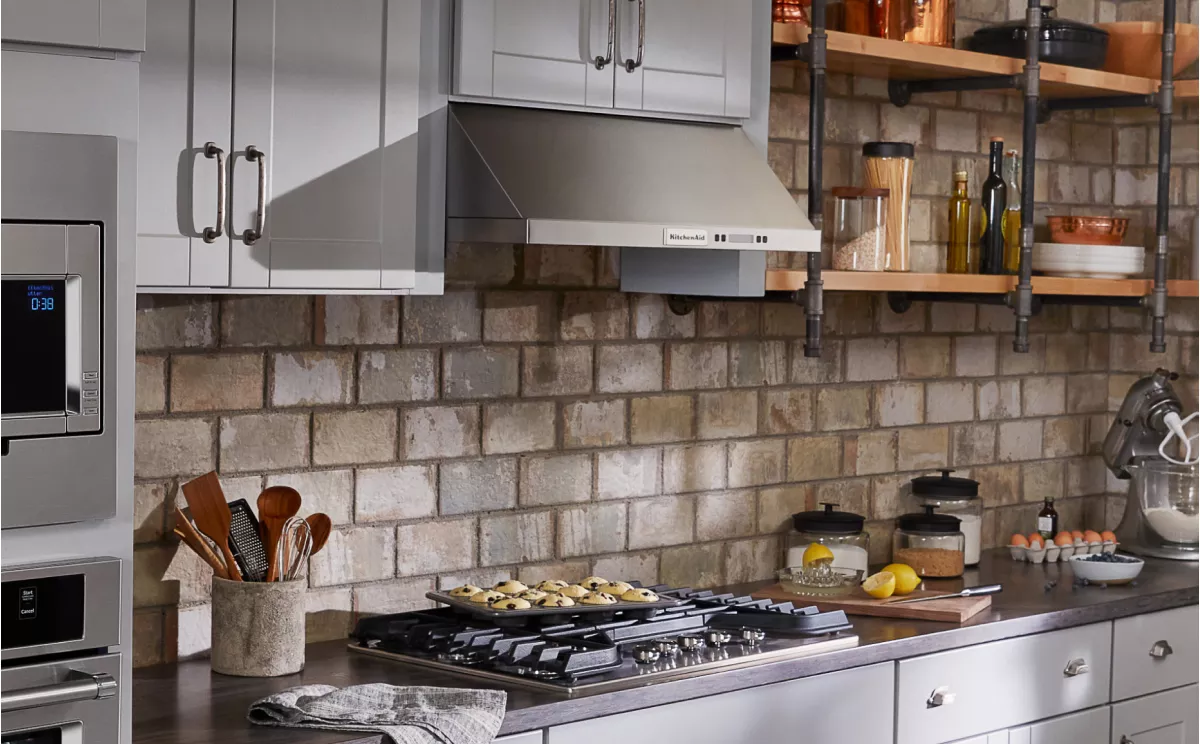
Under-cabinet range hoods are installed directly beneath your kitchen cabinets. They save space and blend seamlessly with your cabinetry, making them a popular choice for smaller kitchens.
If you’ve ever struggled with limited room above your stove, this model might be your best bet. They efficiently remove odors and grease without drawing too much attention.
Wall-mounted Hoods
Wall-mounted hoods attach directly to the wall above your range. They often feature a chimney that vents smoke outside, providing strong ventilation.
This type works well if your stove is against a wall and you want a bold design element. Imagine having a sleek stainless steel hood that stands out while keeping your kitchen fresh.
Island Range Hoods
Island hoods hang from the ceiling above a stove placed on a kitchen island. They need to be powerful since they ventilate open spaces from all sides.
Do you cook a lot while entertaining guests? This type lets you keep the air clean without blocking your view or interaction with others.
Downdraft Ventilation
Downdraft vents pull smoke and steam downwards, rather than up. They are often built into cooktops or countertops and can be hidden when not in use.
If your kitchen design doesn’t allow for overhead hoods, this might solve your ventilation problem without disrupting your style. Have you considered a setup that disappears when you don’t need it?
Key Features To Consider
Choosing the right range hood means understanding key features. These features affect how well the hood cleans the air and fits your kitchen. Focus on airflow capacity, noise levels, filter types, and lighting options. These factors help keep your kitchen fresh and comfortable.
Airflow Capacity And Cfm
Airflow capacity shows how much air the hood moves. It is measured in cubic feet per minute (CFM). Higher CFM means better smoke and odor removal. A good range hood has enough CFM for your stove size. Too low, and it won’t clear the air well.
Noise Levels
Noise level matters during cooking. Loud hoods can be annoying and distracting. Look for models with quiet operation. Many brands list decibel (dB) levels. A quieter hood creates a more pleasant kitchen space.
Filter Types
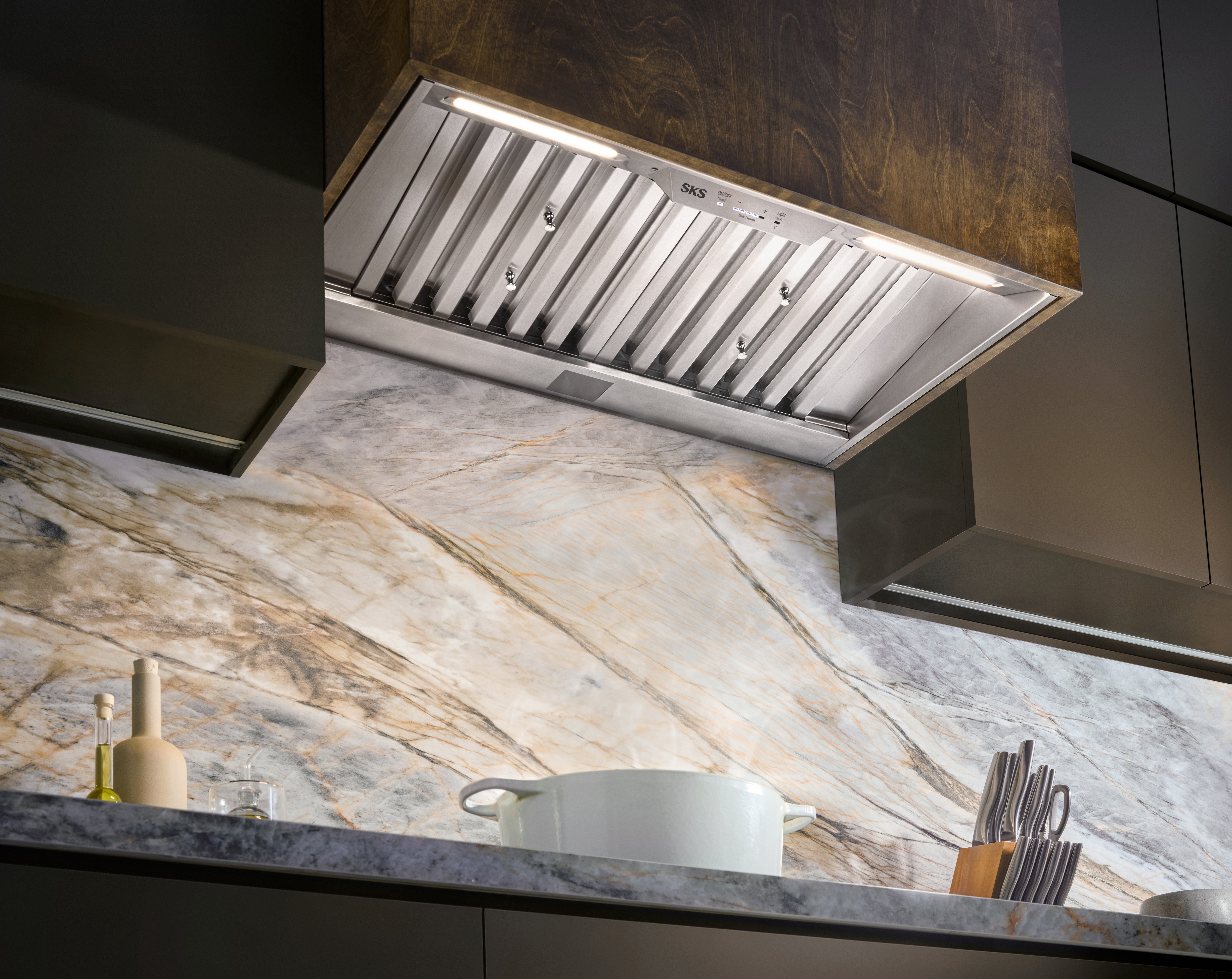
Filters trap grease and particles. Common types include mesh, baffle, and charcoal filters. Mesh filters are easy to clean but need frequent washing. Baffle filters are durable and catch more grease. Charcoal filters help reduce odors but require replacement.
Lighting Options
Lighting helps see your cooking surface clearly. LED lights are energy efficient and bright. Some hoods have adjustable brightness levels. Good lighting improves safety and cooking accuracy.
Installation And Maintenance
Installing and maintaining a range hood ensures it works efficiently. Proper setup helps remove smoke, odors, and grease from your kitchen. Regular care keeps the hood running smoothly and extends its life.
Proper Placement And Venting
Place the range hood above the cooking surface. The ideal height is usually 24 to 30 inches. This distance helps capture smoke and steam effectively. Vent the hood outside for the best air quality. Use smooth, straight ductwork to improve airflow. Avoid long or curved ducts that reduce performance.
Cleaning And Replacing Filters
Clean filters often to prevent buildup of grease and dust. Metal filters can be washed with warm, soapy water. Charcoal filters need replacing every few months. Dirty filters lower the hood’s efficiency and cause odors. Set a schedule to check and maintain filters regularly.
Troubleshooting Common Issues
Check the power if the hood does not turn on. Look for clogged filters if the airflow is weak. Listen for unusual noises that may mean loose parts or motor problems. Clean the hood’s surface to avoid grease buildup. Contact a professional for electrical or mechanical repairs.
Benefits Beyond Air Quality
Range hoods offer more than just cleaner air. They add style, protect your kitchen, and boost home value. These benefits make them a smart choice beyond their main job of removing smoke and odors.
Enhancing Kitchen Aesthetics
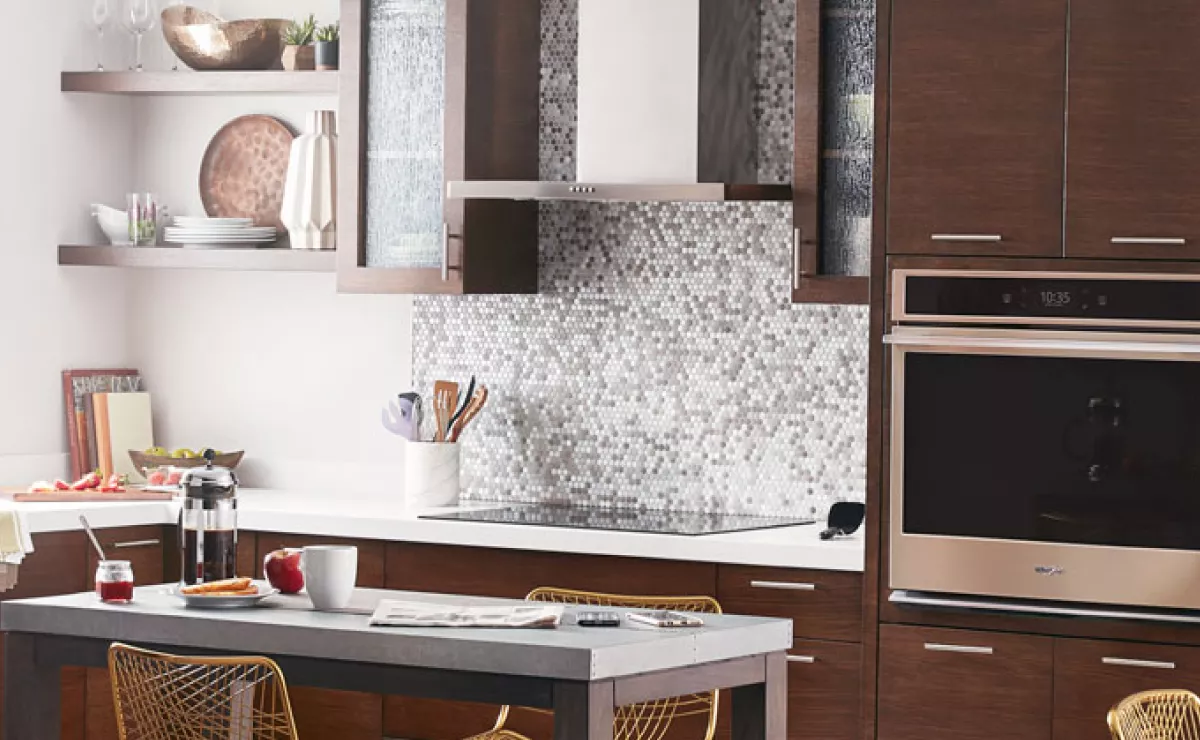
Range hoods come in many designs and finishes. They can match modern or classic kitchens. A sleek hood creates a focal point above the stove. It adds a touch of elegance or a bold statement. This helps your kitchen look neat and stylish.
Protecting Kitchen Surfaces
Cooking releases grease, steam, and heat. These can damage walls and cabinets over time. Range hoods capture these elements before they settle. This protection keeps surfaces cleaner and reduces wear. Your kitchen stays in better shape for years.
Increasing Home Value
Buyers notice well-equipped kitchens. A quality range hood signals care and attention to detail. It shows the kitchen is functional and maintained. This can increase your home’s market appeal. It may lead to a higher resale price.
Credit: www.maytag.com
Energy Efficiency And Sustainability
Energy efficiency and sustainability in range hoods matter more than ever. Your kitchen’s air quality can improve without hiking up your utility bills. Sustainable choices here not only protect the environment but also save you money over time.
Choosing Energy-efficient Models
Look for range hoods with ENERGY STAR certification. These models use less electricity without compromising performance. You might be surprised how much energy a high-quality, efficient fan can save compared to older models.
Consider hoods with variable speed settings. This lets you run the fan only as strong as needed, cutting unnecessary energy use. Have you noticed how often you leave your hood running at full blast even when a lower setting would do?
Eco-friendly Materials
Pay attention to what your range hood is made of. Stainless steel and recycled aluminum are durable and recyclable options. Choosing these materials reduces waste and the need for frequent replacements.
Some manufacturers use sustainable packaging and avoid harmful chemicals in finishes. This small detail supports a healthier kitchen and planet. What if your next kitchen upgrade helped reduce your carbon footprint?
Smart Controls And Automation
Smart range hoods can adjust fan speed based on cooking activity. This automation prevents energy waste and keeps your kitchen comfortable. Imagine a hood that knows when to switch on or off without you lifting a finger.
Remote controls and smartphone apps add convenience and control. You can monitor and manage your hood’s energy use even when you’re not home. Could smarter technology be the key to balancing efficiency and ease in your kitchen?
Credit: www.kitchenaid.com
Frequently Asked Questions
What Is The Main Purpose Of Range Hoods?
Range hoods remove smoke, odors, and grease from cooking areas. They improve air quality and keep kitchens clean and safe. They also help reduce moisture and heat buildup during cooking.
How Do Range Hoods Improve Kitchen Air Quality?
Range hoods extract airborne pollutants and steam produced while cooking. This ventilation prevents smoke and odors from spreading throughout the home. It helps maintain a fresh and healthy kitchen environment.
Are Range Hoods Energy Efficient Appliances?
Modern range hoods use energy-efficient fans and LED lighting. They consume minimal power while effectively ventilating kitchens. Choosing an energy-rated hood can reduce electricity bills without compromising performance.
Can Range Hoods Reduce Cooking Odors Effectively?
Yes, range hoods use filters and fans to capture and remove cooking odors. This prevents lingering smells from permeating your home. Properly maintained hoods keep kitchens smelling fresh and clean.
Conclusion
Range hoods help keep your kitchen air clean and fresh. They remove smoke, odors, and steam while cooking. This makes cooking safer and more comfortable. They also protect your walls and cabinets from grease buildup. Choosing the right range hood improves air quality in your home.
A good range hood works quietly and efficiently. Remember, a clean kitchen is a healthy kitchen. Installing one is a smart step for every cook. Simple and useful—range hoods make a big difference.