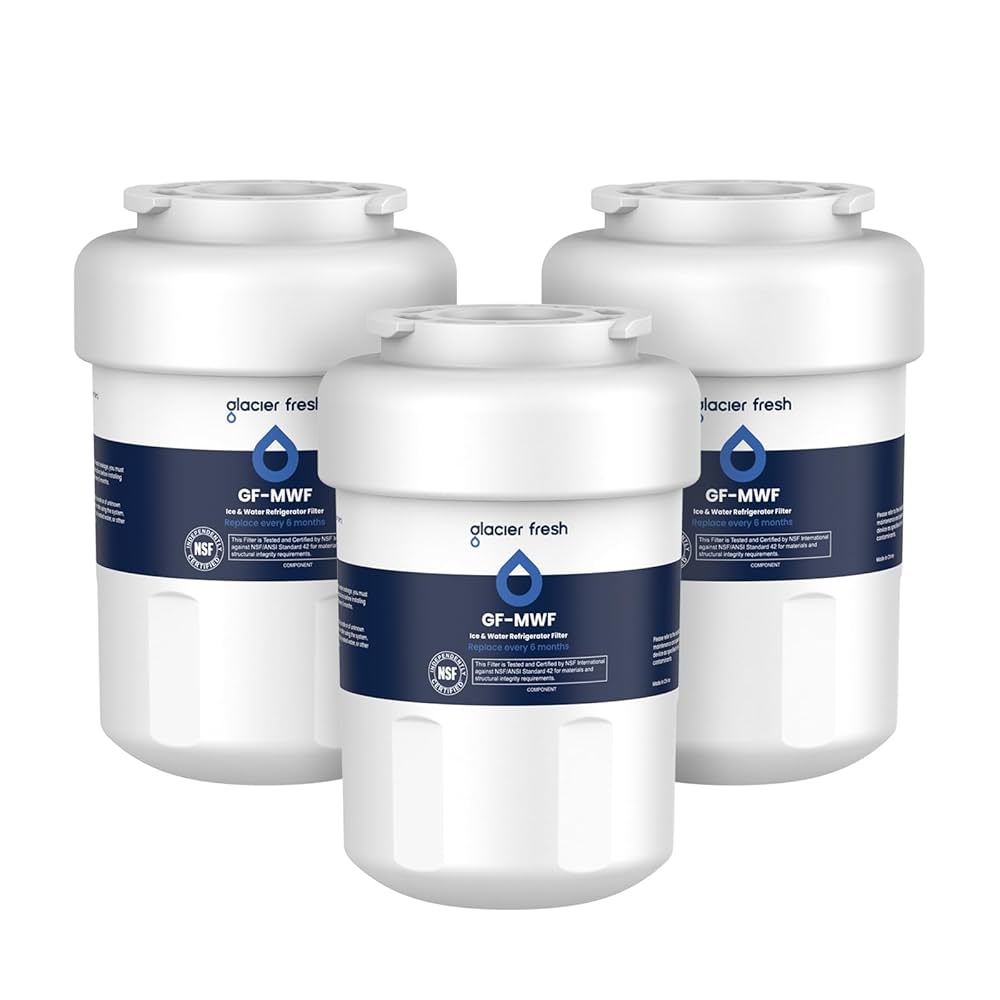
Have you ever wondered what your refrigerator filter is actually doing? You might think it’s just about keeping water fresh, but it does much more than that.
Understanding what refrigerator filters filter can help you make smarter choices for your health and your home. You’ll discover the hidden contaminants these filters catch and why replacing them regularly matters more than you think. Keep reading to find out how your fridge is working behind the scenes to protect you every day.
How Refrigerator Filters Work
Refrigerator filters clean the water before it reaches your glass. They remove impurities and improve taste. These filters work through a combination of filter types and filtration mechanisms. Each part plays a key role in ensuring safe, fresh water.
Filter Types
Common refrigerator filters include carbon filters and sediment filters. Carbon filters remove odors and chemicals. They use activated carbon to trap contaminants. Sediment filters catch dirt, rust, and particles. Some filters combine both types for better cleaning.
- Activated Carbon Filters
- Sediment Filters
- Combination Filters
Filtration Mechanisms
Filters use physical and chemical processes to clean water. Physical filtration blocks large particles using a mesh or screen. Chemical filtration uses activated carbon to absorb chemicals. Some filters also reduce chlorine, lead, and other metals. Water flows through these layers, leaving impurities behind.
| Mechanism | Purpose |
|---|---|
| Physical Filtration | Removes dirt and particles |
| Chemical Filtration | Absorbs chemicals and odors |
| Metal Reduction | Reduces lead and other metals |

Credit: www.amazon.ca
Common Contaminants Removed
Refrigerator filters play a crucial role in ensuring the water you drink and use is clean and safe. They target a variety of common contaminants that can affect taste, odor, and health. Understanding what these filters remove can help you appreciate their value and decide when it’s time to replace them.
Chlorine And Chloramine
Chlorine is widely used to disinfect municipal water supplies, but it often leaves an unpleasant taste and smell. Many refrigerator filters reduce chlorine effectively, improving the flavor of your water and ice.
Chloramine, a combination of chlorine and ammonia, is harder to remove but still targeted by advanced filters. Have you noticed a chemical taste in your tap water? Your filter might be the solution.
Sediments And Particulates
Sand, rust, and dirt particles often sneak into water through old pipes or during supply interruptions. These sediments can cloud your water and damage your refrigerator’s components.
Filters trap these particles, keeping your water clear and your appliance running smoothly. It’s like having a safety net for your drinking water.
Heavy Metals
Lead, mercury, and other heavy metals can contaminate water from old plumbing or environmental pollution. Even small amounts pose health risks over time, especially for children and pregnant women.
High-quality refrigerator filters reduce these metals, protecting your family from potential harm. Isn’t it worth investing in cleaner water for your loved ones?
Microorganisms
Bacteria, viruses, and cysts can sometimes enter water supplies, causing illnesses. While not all refrigerator filters remove all microbes, many use activated carbon and other technologies to reduce harmful pathogens.
Ensuring your filter is certified to handle microorganisms adds an extra layer of safety. Do you know what your filter is capable of blocking?
Volatile Organic Compounds (vocs)
VOCs come from industrial pollution, pesticides, and household chemicals. They can cause unpleasant odors and long-term health issues if ingested regularly.
Some refrigerator filters use specialized media to capture VOCs, improving both taste and safety. Next time you sip your water, consider what might be lurking without proper filtration.
Impact On Water Taste And Odor
The impact of refrigerator filters on water taste and odor is often more significant than most people realize. These filters remove various impurities that can leave your water tasting flat, metallic, or even unpleasant. If you’ve ever wondered why tap water sometimes smells funny or tastes off, the filter inside your fridge might be the simple solution.
How Refrigerator Filters Improve Water Taste
Refrigerator filters primarily target chlorine and other chemicals that affect flavor. Chlorine is added to many water supplies to kill bacteria, but it also leaves a strong taste. By reducing chlorine, the filter lets you enjoy water that tastes cleaner and fresher.
But taste isn’t just about chlorine. Filters also reduce sediments and organic compounds that cause muddy or earthy flavors. If you’ve noticed a gritty or stale taste before, a clean filter can make a noticeable difference.
Eliminating Odors For More Refreshing Water
Water odor often comes from sulfur compounds or decaying organic matter in the supply. These cause that “rotten egg” or musty smell in tap water. Refrigerator filters capture these odor-causing particles, leaving your water smelling neutral or even odorless.
Have you ever poured a glass of water that smelled strange? The filter’s job is to remove those smells before you even taste the water. This means more refreshing sips every time you fill your glass or ice tray.
Signs Your Water Filter Needs Changing
- Water tastes metallic or bitter
- Noticeable unpleasant odors coming from the water
- Cloudy or discolored water despite using the fridge filter
Ignoring these signs can lead to a decline in water quality and taste. Regular filter replacement ensures your water stays crisp and clean.
Why Your Taste Buds Matter
Everyone’s taste buds are different, so changes might be subtle but important to you. You might not notice a slight chlorine taste, but your filter does. This means your fridge filter is working quietly behind the scenes to keep your water pleasant.
Next time you find yourself reaching for bottled water, ask if your fridge filter might be the answer. Could better-tasting water be just a filter change away?

Credit: www.amazon.ca
Health Benefits Of Filtered Water
Filtered water from your refrigerator isn’t just about better taste—it plays a key role in protecting your health every day. Removing impurities means you’re drinking water that supports your body, not one that might expose you to harmful substances. Understanding these health benefits can motivate you to choose filtered water more often.
Reduced Exposure To Harmful Contaminants
Refrigerator filters remove chlorine, lead, and other heavy metals that can be present in tap water. These contaminants can cause health issues over time, including headaches, stomach problems, and even more serious conditions.
By drinking filtered water, you reduce your risk of ingesting these harmful substances. Have you ever wondered what’s really in your tap water?
Improved Digestion And Hydration
Filtered water often tastes cleaner and fresher, encouraging you to drink more throughout the day. Staying well-hydrated helps your digestion and keeps your energy levels stable.
Personally, I noticed better digestion after switching to filtered water—it felt like my body was finally getting the hydration it needed without any strange aftertaste or discomfort.
Supports Immune System Function
Removing bacteria and chlorine from water helps protect your immune system. Drinking filtered water means fewer toxins entering your body, allowing your immune defenses to work better against illnesses.
Could the quality of your water be influencing how often you catch colds or feel tired?
Safe For Sensitive Groups
Filtered water is especially important for children, pregnant women, and elderly family members. Their bodies are more vulnerable to contaminants, making clean water a crucial part of their health routine.
Ensuring your loved ones drink filtered water can help prevent potential health complications and promote overall well-being.
Signs Your Filter Needs Replacement
Knowing when to replace your refrigerator filter can save you from drinking contaminated water and extend the life of your appliance. Filters don’t last forever, and signs of wear or clogging can be subtle at first. Paying attention to these signals helps you maintain fresh, clean water without guesswork.
Changes In Water Taste Or Smell
If your water starts tasting odd or has a strange smell, your filter might be saturated with impurities. A fresh filter ensures water tastes clean and crisp. Don’t ignore any sudden changes in flavor—they’re a clear hint your filter needs attention.
Reduced Water Flow Rate
Notice your water dispensing slower than usual? A clogged filter restricts water flow. This slowdown is your filter struggling to do its job, so replacing it can restore normal flow and save you time.
Indicator Light On Your Refrigerator
Many modern refrigerators have a filter indicator light. When it turns on or changes color, it’s a reminder to swap out the filter. Relying on this feature can prevent you from forgetting this important maintenance step.
Visible Particles Or Cloudiness In Water
Water should be clear. If you see particles or cloudiness, the filter is no longer effective. This is a strong sign that contaminants are passing through, and it’s time for a new filter.
Long Time Since Last Replacement
Filters usually have a recommended lifespan, often around six months. If it’s been longer than that, even without obvious signs, replacing the filter is wise. Don’t wait for problems to appear—prevention matters.

Credit: www.amazon.ca
Choosing The Right Refrigerator Filter
Choosing the right refrigerator filter is important for clean water and fresh taste. A good filter removes harmful particles and improves water quality. Not all filters fit every fridge, so knowing key factors helps pick the best one.
Compatibility
Filters must match your refrigerator model. Using the wrong filter can cause leaks or poor filtration. Check the model number on your fridge or manual. Look for filters that list your fridge brand and model as compatible. Some universal filters work with many models but may not fit perfectly.
Certification Standards
Certified filters meet safety and quality rules. Look for certifications like NSF/ANSI standards. These show the filter removes contaminants effectively. Certified filters give confidence in water purity and safety. Avoid filters without any certification to ensure proper filtration.
Filter Lifespan
Filters have a limited lifespan based on use and water quality. Most filters last 3 to 6 months. Change filters on time to keep water clean and taste fresh. Some filters have indicators to remind you when to replace them. Using old filters can clog water flow and reduce effectiveness.
Frequently Asked Questions
What Contaminants Do Refrigerator Filters Remove?
Refrigerator filters remove chlorine, sediment, rust, and odors. They also reduce harmful substances like lead, mercury, and pesticides. This improves water taste and safety. Filters vary by model, so check specifications for exact contaminants filtered.
How Often Should Refrigerator Water Filters Be Replaced?
Most refrigerator filters should be replaced every six months. Frequent use and water quality can affect filter lifespan. Regular replacement ensures optimal filtration and clean, fresh-tasting water. Always follow the manufacturer’s guidelines for best results.
Can Refrigerator Filters Improve Water Taste?
Yes, refrigerator filters improve water taste by removing chlorine and impurities. They eliminate odors and particles that cause bad taste. Clean filters provide fresher, clearer water, enhancing drinking and ice quality.
Do Refrigerator Filters Remove Bacteria And Viruses?
Most standard refrigerator filters do not remove bacteria or viruses. They focus on chemicals, sediments, and heavy metals. For microbial protection, additional water treatment methods like UV purification are needed.
Conclusion
Refrigerator filters play a key role in water quality. They remove impurities. Bad taste, odors, and some chemicals get filtered out. Clean water is healthier and tastes better. Regularly change your filter for best results. Check your fridge manual for guidance.
Filters vary in type and lifespan. Always choose the right filter for your model. This ensures your water stays pure and fresh. Keep your family safe with clean drinking water. Enjoy peace of mind knowing your water is filtered. Invest in a good filter.
It’s worth it.