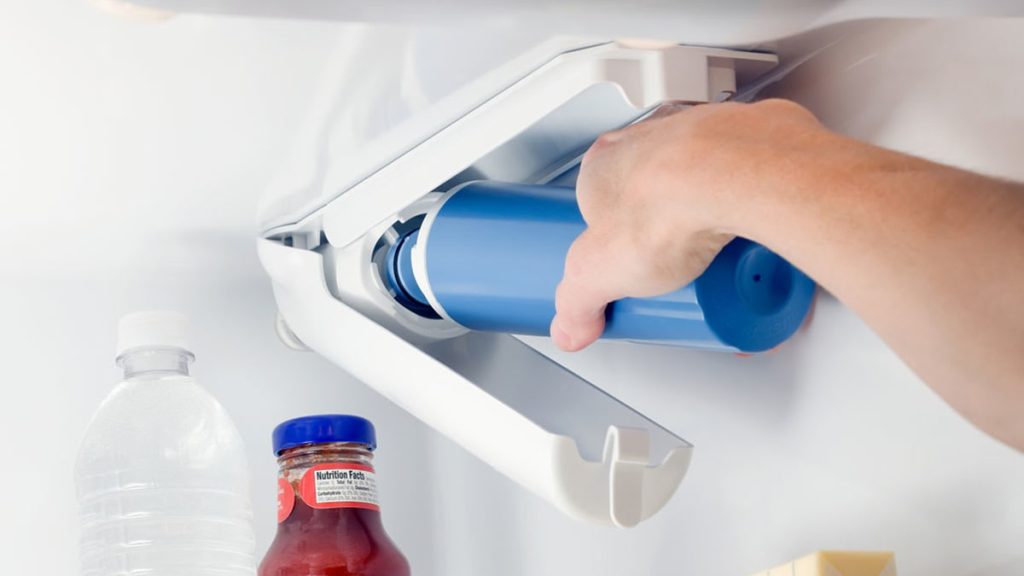
Have you ever wondered what exactly your refrigerator filter is doing for you? You’re not alone.
Many people install these filters, trusting they’ll improve their water quality, but without knowing the specifics. Imagine this: every time you grab a glass of water or add ice cubes to your drink, you could be sipping on something much cleaner than you think.
But what is it that these filters actually remove from your water? Understanding this could change the way you think about your refrigerator’s water and ice. Let’s dive into the details so you can make informed decisions about your home’s water quality and ensure your family is drinking the purest water possible. Stay with us to uncover the hidden benefits your refrigerator filter is providing, and why it’s essential to maintain it.
Common Contaminants In Tap Water
Tap water often contains substances that affect taste, safety, and health. These substances, called contaminants, come from natural sources and human activities. Refrigerator filters help remove many of these common contaminants to improve water quality.
Sediment And Particles
Sediment includes dirt, sand, and rust particles. These come from pipes and the environment. Sediment makes water cloudy and can damage appliances. Filters trap these particles to keep water clear and clean.
Chlorine And Chloramine
Water treatment plants add chlorine or chloramine to kill bacteria. These chemicals can cause bad taste and smell. Filters reduce chlorine and chloramine levels, making water taste fresher and safer.
Heavy Metals
Heavy metals like lead, mercury, and copper can enter water from old pipes or industrial waste. These metals harm health even at low levels. Refrigerator filters can remove many heavy metals to protect your family.
Microorganisms
Bacteria, viruses, and parasites may be present in tap water. They cause illnesses and infections. Some refrigerator filters reduce microorganisms, adding a layer of safety to your drinking water.
Volatile Organic Compounds
Volatile organic compounds (VOCs) come from chemicals and pollution. They can cause unpleasant odors and health risks. Filters help remove VOCs, improving water smell and reducing harmful substances.

Credit: www.searshomeservices.com
How Refrigerator Filters Work
Understanding how refrigerator filters work can change the way you think about the water you drink daily. These filters don’t just sit quietly inside your fridge; they actively clean your water, removing impurities that affect taste and safety. Let’s break down what happens inside your refrigerator filter and how it keeps your water fresh and healthy.
Filter Materials
Your refrigerator filter usually contains activated carbon and a fibrous mesh. Activated carbon is the key player, known for its ability to trap chlorine, odors, and other chemicals that make water taste bad. The fibrous mesh catches larger particles like sediment and rust before they reach your glass.
Some advanced filters also include ion exchange resins. These help reduce heavy metals such as lead and mercury, which can be harmful even in small amounts. Have you ever noticed a metallic taste in tap water? That’s often due to these metals, and your filter tackles them effectively.
Filtration Process
Water enters the filter and passes through layers of material that catch different contaminants. First, large particles are trapped by the mesh to prevent clogging. Then, water moves through activated carbon, where chemicals and impurities stick to the surface.
This process is called adsorption, where unwanted substances adhere to the carbon. It’s similar to how a sponge soaks up spills but on a microscopic level. Finally, ion exchange resins swap harmful metal ions with safer ones, improving water quality even further.
Filter Lifespan
Filters don’t last forever. Most need changing every six months or after filtering about 200 to 300 gallons. Using a filter past its lifespan can reduce water flow and allow contaminants to pass through.
Think about the last time you forgot to change your filter. Did the water taste different or flow slower? That’s a clear sign it’s time for a new one. Keeping track of your filter’s lifespan ensures you always get clean, fresh-tasting water.
Sediment And Particle Removal
Refrigerator filters play a key role in keeping your drinking water clean and safe. One of their main jobs is to remove sediments and particles. These tiny bits can come from pipes, water sources, or even from the environment.
Removing sediments and particles improves water clarity and taste. It also protects your fridge’s water system from clogging or damage. Clean water means a better experience every time you pour a glass or fill your ice tray.
Sediment Types Removed By Refrigerator Filters
- Sand and dirt particles
- Rust fragments from old pipes
- Clay and silt
- Small debris from natural water sources
How Filters Capture Sediments
Filters use a fine mesh or activated carbon to trap particles. The mesh blocks larger sediments while allowing water to flow. Activated carbon attracts smaller particles and impurities.
Benefits Of Removing Sediment And Particles
- Clearer water with no cloudiness
- Better taste and odor
- Longer lifespan for fridge water components
- Reduced risk of blockages in water lines
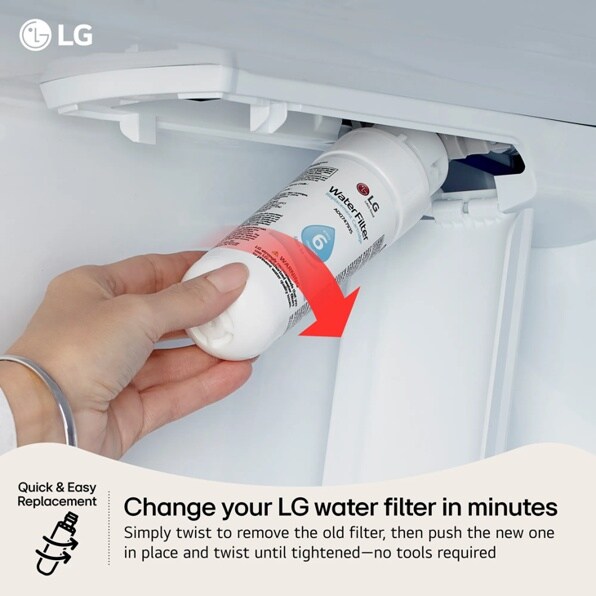
Credit: www.lg.com
Reducing Chlorine And Chemical Odors
Chlorine and chemical odors in your water can be unpleasant and even off-putting, affecting the taste of your drinks and food. These odors often come from the treatment processes used to keep tap water safe but leave behind a noticeable scent. Using a refrigerator filter helps reduce these unwanted smells, making your water fresher and more enjoyable.
How Refrigerator Filters Target Chlorine
Most refrigerator filters contain activated carbon, which is excellent at trapping chlorine molecules. This material absorbs chlorine, removing the chemical before it reaches your glass. You might notice a significant improvement in water taste once chlorine is reduced, as the sharp, chemical flavor often disappears.
The Impact On Chemical Odors
Beyond chlorine, refrigerator filters can reduce other chemical odors caused by substances like pesticides or industrial pollutants. These contaminants can create strange or harsh smells in your water that filters help minimize. If you’ve ever smelled something off in your water, a good filter can make a big difference.
Signs Your Filter Needs Changing
If chlorine or chemical odors return or intensify, it’s a clear sign your filter is spent. Filters lose effectiveness over time as they fill with trapped chemicals. Pay attention to changes in taste and smell to know when it’s time to replace the filter, ensuring your water stays fresh.
Benefits Beyond Odor Removal
Removing chlorine and chemical odors also protects your health by reducing exposure to potentially harmful substances. Plus, cleaner water enhances the flavor of coffee, tea, and even ice cubes made from your refrigerator. Have you noticed how much better your drinks taste after changing the filter?
Heavy Metal Filtration
Heavy metal filtration is one of the key reasons to use a refrigerator water filter. These metals can sneak into your tap water through old pipes, industrial pollution, or natural sources. Since heavy metals pose serious health risks, a good filter ensures you and your family drink water that’s safer and cleaner.
Lead Removal
Lead is a common contaminant found in older plumbing systems. Even tiny amounts can cause long-term health problems, especially in children. A quality refrigerator filter can reduce lead by trapping it before it reaches your glass.
Have you ever thought about how much lead might be in your water without you knowing? Filtering it out helps protect your body from damage to your brain and nervous system. Make sure your filter meets NSF/ANSI Standard 53 for lead reduction to get the best results.
Mercury And Other Metals
Mercury is less common but highly toxic, and it can enter water from industrial waste. Refrigerator filters often remove mercury along with other harmful metals like cadmium and chromium. These metals accumulate over time and can affect your kidneys and overall health.
Choosing a filter designed for heavy metals means you’re cutting down risks you might not see or taste. Some filters use activated carbon and special resins that grab onto these metals effectively. Don’t overlook this—your water filter is your last line of defense before the water hits your lips.
Eliminating Microorganisms
Refrigerator filters play a crucial role in keeping your drinking water safe by eliminating harmful microorganisms. These tiny invaders can cause illnesses and affect the taste and odor of your water. Understanding how filters target these microorganisms helps you appreciate the importance of regular filter changes.
Bacteria
Bacteria are microscopic organisms that can multiply quickly in water. Some types, like E. coli and Salmonella, can cause serious health problems if consumed. Refrigerator filters use materials such as activated carbon and specialized membranes to trap and remove bacteria before water reaches your glass.
Have you ever noticed a strange taste or smell in your fridge water? That could be a sign bacteria are present, and your filter might need replacing. Using a high-quality filter reduces your risk of exposure to harmful bacteria and keeps your water fresh and clean.
Protozoa
Protozoa are single-celled organisms that can survive in water and cause digestive issues. Common protozoa like Giardia and Cryptosporidium are resistant to chlorine, which makes filtering them out even more important. Refrigerator filters with fine pore membranes can effectively capture these parasites, preventing them from entering your drinking water.
Think about the last time you traveled or camped and relied on filtered water. Without proper filtration, protozoa can lead to unpleasant illnesses. Ensuring your refrigerator filter can remove these tiny threats is a smart way to protect your family’s health every day.
Impact On Taste And Odor
Refrigerator filters have a strong effect on the taste and smell of your water. They remove substances that cause bad odors and strange flavors. This makes drinking water from your fridge cleaner and more pleasant.
Many particles and chemicals can change water’s taste and smell. Filters catch these unwanted elements, improving your water’s quality. This helps you enjoy fresher water for drinking and cooking.
Removal Of Chlorine Taste And Smell
Chlorine is used to clean tap water. It can leave a strong taste and smell. Refrigerator filters reduce chlorine, making water taste fresher and cleaner.
Reduction Of Sediment And Particles
Dust, rust, and dirt can enter water pipes. These particles affect water’s clarity and taste. Filters trap sediments, giving you clearer and better-tasting water.
Elimination Of Odors From Chemicals
Certain chemicals in water cause bad odors. Filters remove these chemicals. This stops unpleasant smells from coming through your water dispenser.
Impact On Ice Quality
Ice cubes made from filtered water taste better. They do not carry strange flavors or smells. Clean ice improves drinks and cools food without affecting flavor.
Limitations Of Refrigerator Filters
Refrigerator filters do a great job improving the taste and smell of your water. They reduce chlorine and some common contaminants. However, these filters have clear limits you should know about before relying on them entirely.
What Filters Can’t Remove
Most refrigerator filters cannot remove all types of harmful substances. They often miss:
- Heavy metalslike lead and mercury, unless specifically designed for it.
- Bacteria and virusessince standard filters don’t sterilize water.
- Hard water mineralssuch as calcium and magnesium, which cause scale buildup.
- Fluoride, which requires special filtration methods to reduce.
Many people assume their fridge filter makes water completely safe, but it’s important to check what your filter claims to remove. Have you ever wondered if your filter is enough to protect your family’s health?
When To Use Additional Filtration
If you want to remove contaminants beyond the basic ones, additional filtration is necessary. Consider a dedicated water purifier or reverse osmosis system if your water source has:
- High levels of heavy metals or chemicals.
- Microbial contamination risks.
- Hard water issues affecting appliances and taste.
Adding a separate filtration step can give you peace of mind. I once ignored this and ended up with cloudy water despite changing the fridge filter regularly. That experience taught me to test water quality and upgrade filtration when needed.
What’s your water quality like? Testing it can help you decide if your current filter is enough or if you need more protection.
Maintaining And Replacing Filters
Maintaining and replacing your refrigerator filters is key to keeping your water clean and your appliance running smoothly. Over time, filters get clogged with contaminants, reducing their effectiveness and possibly affecting the taste and safety of your drinking water. Staying on top of filter care not only protects your health but also extends the life of your fridge’s filtration system.
Signs Of Filter Replacement
How do you know when it’s time to change your refrigerator filter? Watch for these signs:
- Change in water taste or odor:If your water starts tasting strange or smelling off, your filter may no longer be trapping impurities effectively.
- Reduced water flow:A clogged filter can slow down the flow, making it frustrating to fill your glass or ice tray.
- Indicator light on your fridge:Many modern refrigerators have a filter indicator that signals when replacement is due.
- Time-based replacement:Even without obvious signs, most manufacturers recommend replacing filters every 6 months.
Ignoring these signs could lead to drinking water that isn’t as clean as it should be. Have you noticed any changes in your fridge water lately?
Proper Disposal
After replacing your filter, think about how to dispose of the old one responsibly. Many filters contain trapped contaminants, so tossing them in regular trash isn’t ideal.
Here are some disposal tips:
- Check if your local recycling program accepts used filters.
- Some manufacturers offer mail-back recycling programs for used filters.
- Wrap the old filter in a sealed bag to prevent leaks before disposal.
Taking these steps helps protect the environment and keeps harmful substances out of landfills. What’s your plan for handling old filters after replacement?
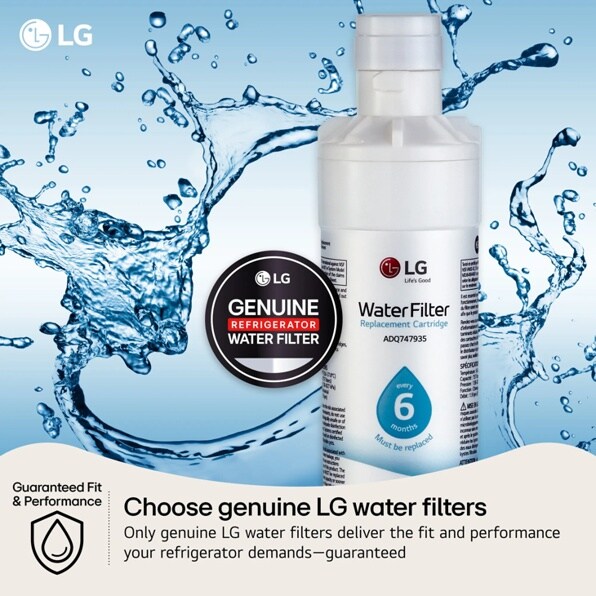
Credit: www.lg.com
Frequently Asked Questions
What Contaminants Do Refrigerator Filters Remove?
Refrigerator filters remove chlorine, sediment, rust, and odor-causing particles. They also reduce lead, mercury, and harmful bacteria. This improves water taste and safety, ensuring clean and fresh drinking water straight from your fridge.
How Often Should Refrigerator Filters Be Replaced?
Filters should be replaced every 6 months or after filtering 200-300 gallons. Regular replacement ensures optimal performance and water quality. Check your fridge manual for specific guidance and maintain clean, contaminant-free water consistently.
Do Refrigerator Filters Remove Bacteria And Viruses?
Most refrigerator filters reduce some bacteria but do not eliminate viruses. For complete disinfection, specialized filters or water treatment systems are needed. Refrigerator filters mainly focus on chemical and particulate contaminants for better taste and safety.
Can Refrigerator Filters Remove Lead And Heavy Metals?
Yes, many refrigerator filters reduce lead, mercury, and other heavy metals. This protects your health from harmful toxins in tap water. Always verify your filter’s certification to ensure it removes these contaminants effectively.
Conclusion
Refrigerator filters help remove many harmful particles. They clean water of chlorine, dirt, and rust. These filters also reduce bad tastes and odors. Using a filter keeps your water safer and fresher. Change the filter regularly to keep it working well.
Clean water means better health for your family. Choose the right filter for your refrigerator model. Simple steps make a big difference in water quality. Trust the filter to improve your daily drinking water. Clear, fresh water is always within reach.