Have you ever wondered what’s really coming out of your refrigerator’s water dispenser? You might think it’s just plain water, but your fridge’s water filter plays a bigger role than you realize.
It works hard to remove harmful substances that you don’t want in your drinking water. Knowing exactly what these filters take out can help you feel confident about the water you and your family drink every day. Keep reading to discover what your refrigerator water filter removes and why it matters for your health and taste.

Credit: www.dtappliance.com
Common Contaminants In Tap Water
Tap water carries many substances that affect taste and safety. Some are harmless, but others can cause problems. Knowing common contaminants helps understand why refrigerator water filters are important. These filters target specific impurities to improve water quality.
Chlorine And Chloramine
Water suppliers add chlorine or chloramine to kill bacteria. These chemicals keep water safe but cause a bad taste and smell. Refrigerator filters reduce chlorine and chloramine, making water fresher and cleaner.
Sediment And Particles
Sediment includes dirt, sand, and rust particles. They enter water through old pipes or natural sources. These particles make water cloudy and affect flavor. Filters trap sediment to provide clear, smooth water.
Heavy Metals
Heavy metals like lead, mercury, and copper can appear in tap water. They come from pipe corrosion or pollution. Long-term exposure is harmful to health. Good water filters remove many heavy metals to protect users.
Microorganisms
Bacteria, viruses, and other germs can contaminate water. They cause illness if consumed. Refrigerator water filters reduce microorganisms by trapping or killing them. This helps keep drinking water safer and healthier.
How Refrigerator Water Filters Work
Refrigerator water filters clean the water before you drink or use it. They remove many harmful particles and impurities. This process makes your water safer and better tasting. The filters use special materials to trap and remove contaminants. Understanding how these filters work helps you choose the right one.
Filtration Technologies
Most refrigerator water filters use activated carbon. This material attracts and holds chemicals like chlorine. It also reduces bad tastes and odors. Some filters have layers that catch dirt, rust, and sediments. Others use ion exchange to remove heavy metals like lead and mercury. A few advanced filters include antibacterial agents. These stop bacteria from growing inside the filter.
Filter Lifespan And Indicators
Filters do not last forever. They get clogged with dirt and lose effectiveness. Most filters work well for about six months. Some fridges have lights or alerts that tell you when to change the filter. Changing the filter on time keeps your water clean. Using an old filter can let impurities pass through. Always check your fridge’s guide for replacement instructions.
Contaminants Removed By Refrigerator Filters
Understanding what contaminants your refrigerator water filter removes is key to ensuring the water you drink is safe and tastes great. These filters tackle a range of unwanted substances that can affect water quality. Let’s break down the main contaminants that refrigerator filters typically remove and why that matters for your health and enjoyment.
Chlorine Taste And Odor
Chlorine is commonly added to municipal water to kill bacteria, but it often leaves a strong taste and smell. Refrigerator water filters reduce chlorine, making your water taste fresher and more natural. Have you ever noticed a sharp chemical flavor in your tap water? That’s usually chlorine, and removing it can make a big difference in how your water and ice taste.
Lead And Mercury
Heavy metals like lead and mercury are dangerous even in small amounts. They can leach into water through old pipes or environmental pollution. Quality refrigerator filters use activated carbon and other materials to capture these metals, protecting you and your family from potential health risks.
Pesticides And Herbicides
Pesticides and herbicides can contaminate groundwater, especially in agricultural areas. These chemicals pose risks when ingested over time. Effective refrigerator filters can trap many of these harmful compounds, giving you cleaner water without harsh chemicals.
Asbestos And Other Particulates
Particles like asbestos, dirt, and rust can make water look cloudy and unpleasant. Though less common in newer plumbing, older systems may still pose a risk. Filters with fine mesh and sediment-trapping layers help remove these particulates, ensuring clear, clean water straight from your fridge.
Limitations Of Refrigerator Water Filters
Refrigerator water filters offer convenience and improve the taste of your tap water, but they aren’t a cure-all for every contaminant. Understanding their limitations helps you set realistic expectations and decide when additional water treatment might be necessary. Let’s look at some key areas where these filters may fall short.
Fluoride And Nitrate Removal
Most refrigerator water filters do not remove fluoride or nitrates effectively. These chemicals are dissolved in water at a molecular level, making them difficult to filter out with standard carbon filters. If your water supply has high fluoride or nitrate levels, relying solely on your refrigerator filter might not protect you adequately.
Have you checked your local water quality report? Knowing what’s in your water helps you decide if you need specialized filtration beyond your fridge.
Bacteria And Virus Filtration
Refrigerator filters are designed mainly to improve taste and reduce chlorine, sediments, and some heavy metals. They generally do not eliminate bacteria or viruses. If your water source is at risk of microbial contamination, a refrigerator filter won’t be enough to ensure safety.
Consider this: Would you rely on a fridge filter in an area with known waterborne pathogens? Probably not. In such cases, additional disinfection methods like UV treatment or boiling are necessary.
Water Softening
These filters are not equipped to soften hard water by removing calcium and magnesium minerals. Hard water can cause scale buildup in appliances and affect soap’s effectiveness, but your fridge filter won’t address these issues. You’ll need a dedicated water softener system if hard water is a concern.
Have you noticed mineral deposits around your faucets or appliances? That’s a sign hard water is at work, and a refrigerator filter won’t fix that problem.
Choosing The Right Filter
Choosing the right refrigerator water filter is more than just picking the cheapest option on the shelf. It directly affects the quality and safety of the water you and your family consume every day. A well-chosen filter can remove harmful contaminants effectively while ensuring your fridge works smoothly without leaks or damage.
Certifications To Look For
Certifications act as proof that a water filter meets strict safety and performance standards. Look for filters certified by organizations like NSF International or the Water Quality Association (WQA). These certifications confirm the filter removes specific contaminants such as chlorine, lead, and cysts.
Filters with NSF/ANSI Standard 42 certification focus on improving taste and odor by reducing chlorine. Those certified under NSF/ANSI Standard 53 target health-related contaminants like lead and mercury. Checking these marks helps you avoid ineffective or counterfeit filters, protecting your health and investment.
Compatibility With Refrigerator Models
Not all water filters fit every refrigerator model. Using an incompatible filter can cause leaks, reduce filtration efficiency, or even damage your appliance. Always check your refrigerator’s manual or manufacturer website for recommended filter models or part numbers.
Many brands offer universal filters, but they might not provide the best fit or filtration performance. Matching the filter to your specific fridge model ensures a secure fit and proper water flow. Have you ever struggled with a filter that just didn’t sit right? Avoid that hassle by confirming compatibility before buying.

Credit: www.amazon.ca
Maintaining Filter Efficiency
Maintaining the efficiency of your refrigerator water filter is essential for clean, fresh-tasting water. A well-maintained filter removes harmful particles and contaminants effectively. Neglecting filter care can reduce water quality and strain your refrigerator’s water system.
Replacement Frequency
Replace your water filter regularly to keep it working well. Most filters need changing every 6 months. Check the manufacturer’s guidelines for exact timing. Delaying replacement can let dirt and bacteria build up. Fresh filters provide better taste and safer water.
Signs Of Filter Wear
Notice changes in water taste or smell. Water flow may slow down or stop. Look for cloudy or discolored water. These signs show the filter is clogged or worn out. Acting early prevents damage to your fridge and keeps water pure.
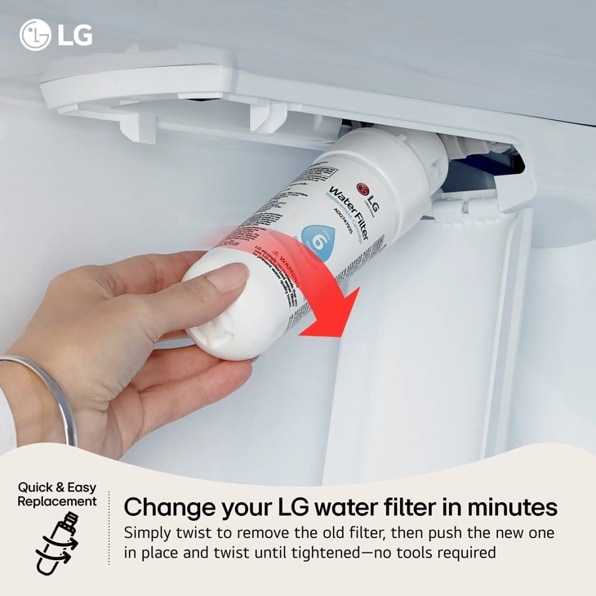
Proper Installation Tips
Follow these tips to install your water filter correctly:
- Turn off the water supply before starting.
- Remove the old filter carefully.
- Align the new filter properly with the housing.
- Twist or snap it firmly into place.
- Run water through the filter to clear air and loose carbon.
Correct installation ensures the filter works at full capacity. It stops leaks and contamination. Always read the user manual for model-specific steps.

Credit: www.searshomeservices.com
Frequently Asked Questions
What Contaminants Do Refrigerator Water Filters Remove?
Refrigerator water filters remove chlorine, lead, mercury, and pesticides. They also filter sediments, cysts, and unpleasant odors, improving water taste and safety.
How Often Should I Replace My Refrigerator Water Filter?
Replace the water filter every 6 months or after filtering 200-300 gallons. Timely replacement ensures effective removal of contaminants and maintains water quality.
Do Refrigerator Water Filters Improve Water Taste?
Yes, they reduce chlorine and other chemicals that cause bad taste and odor. This results in fresher, cleaner, and better-tasting drinking water.
Can Refrigerator Filters Remove Bacteria And Viruses?
Most filters reduce some bacteria and cysts but may not eliminate all viruses. Use certified filters for enhanced microbial protection to ensure safer drinking water.
Conclusion
Refrigerator water filters help keep your water clean and safe. They remove dirt, chlorine, and bad tastes. Some filters also reduce harmful chemicals and lead. Changing the filter often keeps water fresh and healthy. Clean water tastes better and supports your health.
Using the right filter makes a big difference. Choose one that fits your fridge and needs. Good water quality matters every day. Simple steps lead to better drinking water at home.