Have you ever spotted those fuzzy, striped caterpillars hanging from trees and wondered what they become? If you’re curious about tent caterpillars and their transformation, you’re in the right place.
Knowing what these insects turn into can help you understand more about nature—and even protect your garden. Keep reading to discover the surprising life cycle of tent caterpillars and what they look like when they grow up. Your curiosity is about to be rewarded!
Tent Caterpillar Life Cycle
Tent caterpillars are insects that live in trees. They go through different stages before becoming moths.
Each stage of their life cycle has unique features and changes. Learning about these stages helps us understand their growth.
Egg Stage
The tent caterpillar life starts as an egg. The female moth lays eggs in a cluster around tree branches.
The eggs stay in a hard, shiny covering. They remain on the tree through winter, waiting for spring to hatch.
Larval Stage
After hatching, the caterpillars enter the larval stage. They are small and feed on leaves.
- Caterpillars live in silk tents they build in tree branches.
- They feed in groups to protect themselves from predators.
- Their bodies grow quickly, shedding skin multiple times.
- This stage lasts about 4 to 6 weeks.
Pupal Stage
When the caterpillars are fully grown, they enter the pupal stage. They stop eating and look for a safe place.
| Stage | Description |
|---|---|
| Pupa | The caterpillar forms a cocoon and changes inside. |
| Duration | About 2 weeks before becoming a moth. |
| Outcome | A moth emerges ready to start the cycle again. |

Credit: plantwiseplusknowledgebank.org
Moth Species From Tent Caterpillars
Tent caterpillars are the larvae of certain moth species. They build silk tents in tree branches. After growing, these caterpillars turn into moths.
This article covers two main moth species that come from tent caterpillars. They are the Eastern Tent Caterpillar Moth and the Forest Tent Caterpillar Moth.
Eastern Tent Caterpillar Moth
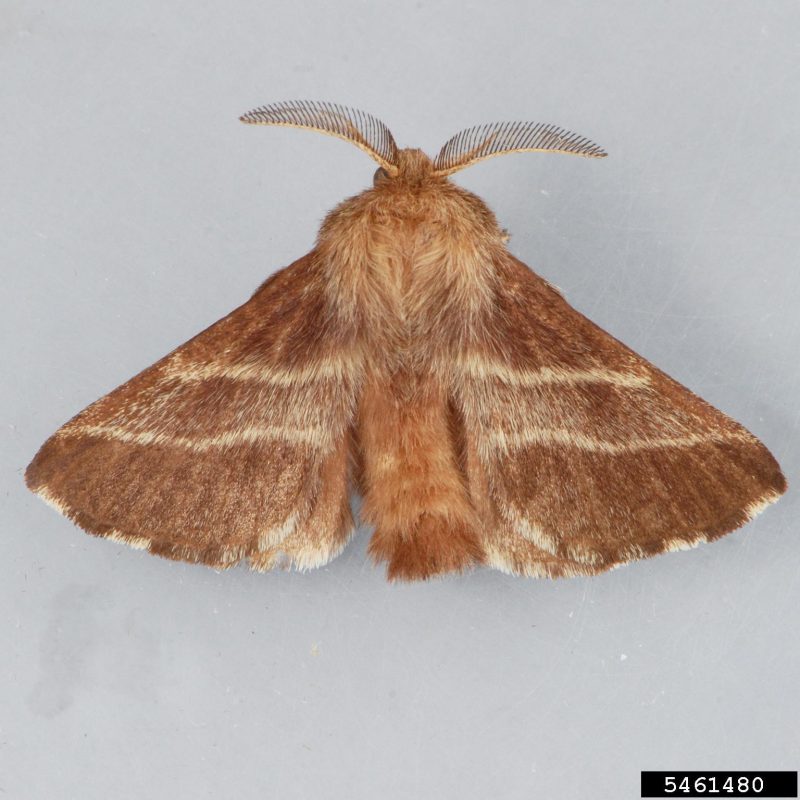
The Eastern Tent Caterpillar Moth is known for its hairy caterpillars that live in silk tents. The adult moth has brown wings with white markings. It is active mostly at night.
- Adult wingspan is about 1.5 to 2 inches
- Wings have a mix of brown, white, and black colors
- Larvae feed on cherry and apple trees
- Moths lay eggs in tree branches for the next generation
Forest Tent Caterpillar Moth
The Forest Tent Caterpillar Moth is different from the Eastern species. Its caterpillars do not make tents. Instead, they form silk mats on tree trunks.
| Feature | Eastern Tent Caterpillar Moth | Forest Tent Caterpillar Moth |
| Caterpillar Shelter | Silk tents in branches | Silk mats on trunks |
| Adult Wing Color | Brown with white marks | Light brown with blue lines |
| Host Trees | Cherry, apple | Oak, aspen, basswood |
| Larval Behavior | Group feeding in tents | Group feeding in mats |
Physical Changes During Metamorphosis
Tent caterpillars go through big changes as they grow. They start as larvae and turn into moths. This process is called metamorphosis.
During metamorphosis, their bodies change shape, color, and develop new parts. These changes help them survive as adult moths.
Color And Pattern Shifts
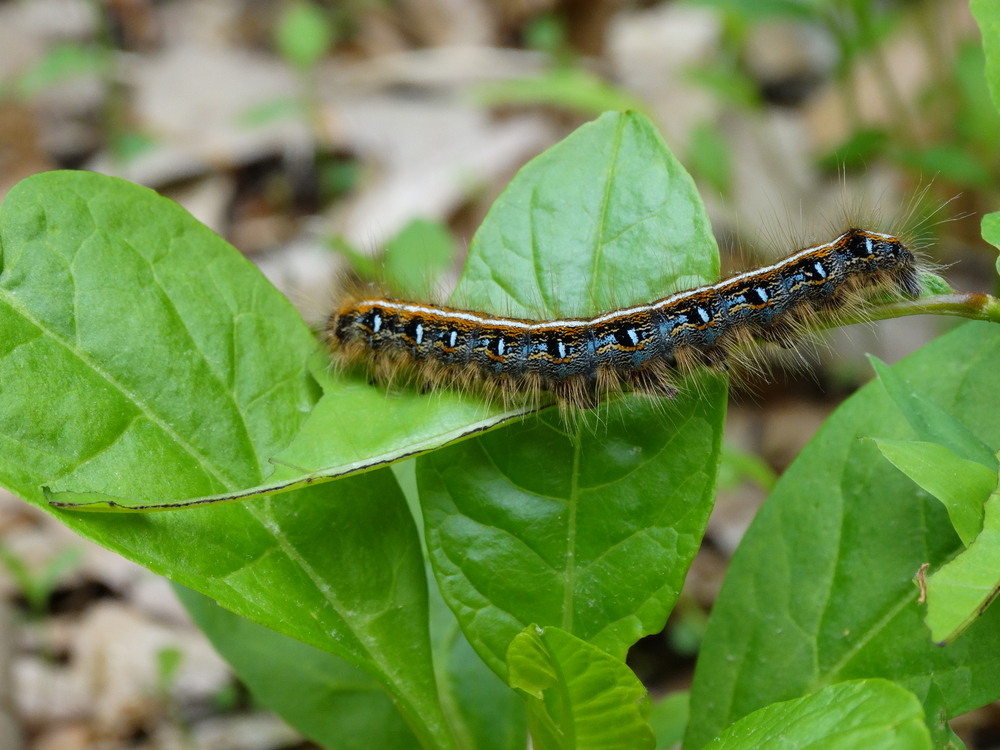
Tent caterpillars change colors from their larva to adult moth stage. Caterpillars are often bright or patterned to blend with leaves.
As moths, their colors become duller and more uniform. This helps them hide at night when they are active.
- Larvae have stripes or spots for camouflage
- Adult moths usually have brown, gray, or tan wings
- Patterns fade to help moths blend into tree bark
Wing Development
Wings form during the pupal stage inside a protective shell. Caterpillars do not have wings to fly.
Adult tent caterpillar moths have fully developed wings. These wings help them fly to find mates and lay eggs.
- Wings grow from small buds inside the pupa
- Wings expand and harden after the moth emerges
- Wing size and shape vary by moth species
Behavioral Changes After Transformation
Tent caterpillars change a lot after they become moths. Their behavior is very different than when they were caterpillars. The changes help them survive and reproduce.
As moths, tent caterpillars stop eating leaves. They focus on finding mates and laying eggs. Their actions support the next generation.
Feeding Habits
After turning into moths, tent caterpillars do not eat leaves anymore. Their mouthparts change and they cannot chew like caterpillars.
Adult moths usually drink nectar from flowers. Some may not eat at all during their short adult life.
- Caterpillars eat leaves and grow fast
- Moths feed on nectar or do not eat
- Moths use energy mainly for flying and mating
Mating And Reproduction
After transformation, moths focus on finding mates. They use their wings to fly and find partners.
Female moths lay eggs on tree branches. The eggs hatch into new caterpillars that start the life cycle again.
- Moths fly to find mates at night
- Females release scents to attract males
- Eggs are laid in clusters on tree bark
- New caterpillars hatch in spring
Common Misconceptions
Tent caterpillars often confuse people about what they become. Many mix them up with other insects. People also believe wrong things about their effects on trees and plants.
Knowing the facts helps avoid mistakes in identifying and dealing with these insects. This guide clears up common myths and confusion about tent caterpillars.
Confusing Tent Caterpillars With Other Species
People often mistake tent caterpillars for similar insects. These include webworms and fall webworms. Each has a different life cycle and effect on plants.
- Tent Caterpillarsbuild silk tents in tree branches. They mainly appear in spring.
- Webwormscreate loose webs around leaves in late summer.
- Fall Webwormshave white or yellowish caterpillars that appear in fall.
Myths About Their Impact
| Myth | Fact |
| Tent caterpillars kill trees. | They may defoliate trees but rarely kill healthy ones. |
| They turn into dangerous moths. | Adult moths do not harm plants or humans. |
| All caterpillars in tents are tent caterpillars. | Other species also make tents but differ in behavior. |
Credit: www.brodybrotherspestcontrol.com
Ecological Role Of Tent Caterpillar Moths
Tent caterpillar moths start life as caterpillars. These caterpillars build web-like tents in trees. After growing, they turn into moths. Their role in nature is important for many living things.
These moths affect forests and food chains. They help keep ecosystems balanced. Understanding their role helps us see nature’s connections.
Impact On Forests
Tent caterpillar caterpillars eat leaves from many trees. This can cause trees to lose many leaves quickly. Sometimes, trees look bare during the caterpillar season.
Leaf loss can slow tree growth. But most healthy trees recover after caterpillars leave. The feeding also helps recycle nutrients in the forest.
- Caterpillars eat leaves, reducing tree foliage
- Heavy feeding can stress trees temporarily
- Leaf loss aids nutrient recycling in soil
- Forests usually recover after caterpillar outbreaks
Role In Food Chains
Tent caterpillars are food for many animals. Birds, small mammals, and insects eat them. This makes caterpillars a key part of the food chain.
When caterpillars turn into moths, they also feed bats and night hunters. Their presence supports many species and helps keep nature balanced.
- Caterpillars feed birds and small mammals
- Moths provide food for bats and night animals
- They support many predators in the ecosystem
- Help maintain balance in food webs
Controlling Tent Caterpillar Populations
Tent caterpillars turn into moths but can harm trees in their larval stage. Controlling their numbers helps protect plants and trees. There are natural ways and human methods to reduce tent caterpillars safely.
Understanding how to manage these pests can keep your garden healthy. Let’s look at natural predators and human intervention methods for control.
Natural Predators
Many animals eat tent caterpillars. Birds, insects, and small mammals help control their population naturally. Encouraging these predators can reduce caterpillar damage.
- Birds like robins and blue jays feed on caterpillars.
- Parasitic wasps lay eggs inside caterpillars, killing them.
- Beetles and ants hunt young caterpillars.
- Spiders catch caterpillars in their webs.
Human Intervention Methods
People use several methods to control tent caterpillars. These include physical removal, traps, and natural sprays. Choosing the right method depends on the infestation size.
| Method | Description | Effectiveness |
| Hand Picking | Remove egg masses or caterpillars from trees | Good for small infestations |
| Sticky Bands | Wrap sticky tape around branches to trap larvae | Works well in early stages |
| Bacillus thuringiensis (Bt) | Natural bacteria spray that kills caterpillars | Safe and effective |
| Pruning | Cut and remove infested branches | Prevents spread |

Credit: medium.com
Frequently Asked Questions
What Do Tent Caterpillars Transform Into?
Tent caterpillars metamorphose into moths. Specifically, they become the moths of the family Lasiocampidae. These moths are often brownish and have a wingspan of about 1 to 2 inches. The transformation from caterpillar to moth marks the final stage of their life cycle.
How Long Is The Tent Caterpillar Life Cycle?
The tent caterpillar life cycle lasts about a year. It begins with eggs hatching in spring. Caterpillars grow and form tents on trees. By summer, they pupate and transform into moths. The adult moths then lay eggs, completing the cycle.
Do Tent Caterpillars Harm Trees?
Tent caterpillars can harm trees by defoliating them. They often target deciduous trees. While healthy trees usually recover, repeated infestations can weaken them. Infested trees may suffer from reduced growth. It’s crucial to manage infestations promptly to protect tree health.
Are Tent Caterpillars And Gypsy Moths The Same?
Tent caterpillars and gypsy moths are not the same. They belong to different families. Tent caterpillars are part of the Lasiocampidae family. Gypsy moths belong to the Erebidae family. Both can cause defoliation, but they differ in appearance and behavior.
Conclusion
Tent caterpillars grow into moths after their caterpillar stage ends. They build cocoons to protect themselves during this change. Once they emerge, they have wings and can fly. These moths live for a short time to lay eggs. This life cycle helps nature stay balanced.
Understanding it makes these insects less scary. Next time you see a tent, remember the moth it will become. Nature’s small wonders, working quietly all around us.