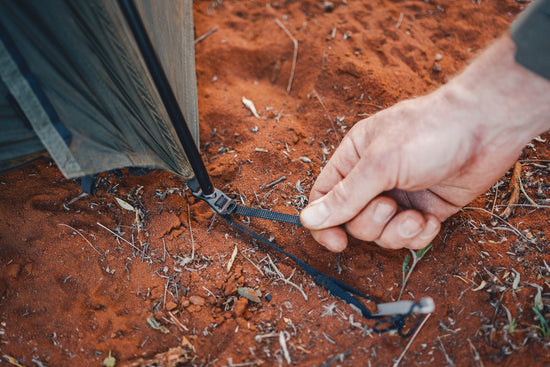
Have you ever wondered what exactly tent pegs are and why they matter so much when you’re setting up a tent? Whether you’re a seasoned camper or just starting out, understanding tent pegs can make a big difference in how secure and comfortable your shelter is.
You’ll discover what tent pegs really are, the different types available, and how to choose the right ones for your next outdoor adventure. Keep reading, because this simple knowledge could save you from a shaky night under the stars.
Types Of Tent Pegs
Tent pegs hold your tent firmly to the ground. They stop the tent from moving in wind or rain.
Different types of tent pegs work best on different soils and tents. Choosing the right peg helps keep you safe and dry.
Metal Pegs
Metal pegs are strong and durable. They often come in steel or aluminum. Steel pegs are heavier but very tough. Aluminum pegs are lighter and resist rust.
Metal pegs work well in hard or rocky soil. They hold the tent tight even in strong wind. Some metal pegs have a hook or a V-shape for better grip.
Plastic Pegs
Plastic pegs are lightweight and cheap. They are easy to carry but less strong than metal pegs. Plastic pegs work best in soft or sandy soil.
- Lightweight for easy packing
- Resistant to rust and corrosion
- Break more easily in hard ground
- Good for short-term or light use
Wooden Pegs
Wooden pegs are traditional and eco-friendly. They are handmade or carved from branches. Wooden pegs work well in soft or forest soil.
| Feature | Wooden Pegs |
| Weight | Medium |
| Durability | Moderate |
| Best Soil | Soft, forest |
| Rust Proof | Yes |
Specialized Pegs
Specialized pegs serve specific purposes. Some are designed for snow, sand, or rocky ground. Others have extra features like spirals or wide heads.
- Snow pegs – wide and flat to hold in snow
- Sand pegs – long and with holes to hold in loose sand
- Rock pegs – short and strong for rocky soil
- Spiral pegs – screw into the ground for extra grip
Materials And Durability
Tent pegs hold your tent firmly to the ground. Their material affects how long they last and how well they work. Choosing the right material helps you get the best strength and durability.
Common materials for tent pegs include aluminum and steel. Each has benefits and drawbacks depending on use and weather conditions.
Aluminum Vs Steel
Aluminum tent pegs are lightweight and easy to carry. Steel pegs are stronger but heavier. Both materials can hold tents well if made right.
Steel pegs handle tough soils better. Aluminum pegs work well in soft ground. Choose steel for rocky areas and aluminum for light camping.
Corrosion Resistance
Corrosion can weaken tent pegs over time. Aluminum resists rust naturally, so it lasts longer in wet conditions. Steel pegs may rust if not coated.
Many steel pegs have a zinc or paint coating to stop rust. Check the coating before buying steel pegs for wet environments.
Weight Considerations
Weight is important if you carry your gear far. Aluminum pegs weigh less, making your pack lighter. Steel pegs add more weight but give extra strength.
- Aluminum pegs: light and easy to carry
- Steel pegs: heavier but stronger
- Choose based on your camping style and load needs
Choosing The Right Pegs For Terrain
Tent pegs hold your tent steady. Different grounds need different pegs. Picking the right one keeps your tent safe and secure.
Learn how to choose tent pegs for soft soil, rocky ground, sandy beaches, and snow or ice. Each terrain asks for a special type of peg.
Soft Soil
Soft soil is loose and easy to push into. You need longer, wider pegs that hold well without pulling out. Look for pegs with a large surface area.
Rocky Ground
Rocky ground is hard and uneven. Thin, strong pegs work best to fit between stones. Metal pegs with hooked ends help grab the rocks.
Sandy Beaches
Sandy beaches have loose, shifting sand. Wide and long pegs prevent your tent from pulling free. Plastic or aluminum pegs work well here.
- Use long pegs for deep grip
- Choose wide or paddle-shaped pegs for more hold
- Consider materials that resist corrosion
- Check pegs often to make sure they stay tight
Snow And Ice
Snow and ice need special pegs called snow stakes. They are large and flat to hold on slippery surfaces. Sometimes you must bury them sideways for better grip.
| Peg Type | Best Terrain | Key Feature |
|---|---|---|
| Long, wide pegs | Soft Soil | Large surface area for grip |
| Thin, hooked metal pegs | Rocky Ground | Fit between rocks securely |
| Wide, paddle-shaped pegs | Sandy Beaches | Resist pulling in loose sand |
| Large, flat snow stakes | Snow and Ice | Hold on slippery surfaces |

Credit: dictionary.cambridge.org
How To Use Tent Pegs Effectively
Tent pegs hold your tent in place on the ground. Using them well keeps your tent stable and safe. Learning the right way helps you avoid problems during camping.
Good tent peg use depends on angle, depth, and securing lines. Avoiding mistakes makes your setup stronger and faster.
Proper Angle And Depth
Insert tent pegs at a 45-degree angle pointing away from the tent. This angle gives the best hold in the soil.
Push the peg deep enough so most of it is under the ground. This keeps the peg from pulling out easily.
- Use a 45-degree angle away from the tent
- Drive pegs deep into the soil
- Leave only the hook or head visible
Securing Tent Lines
Tie your tent lines tightly to the pegs. This helps the tent stay firm in the wind.
Check the lines often and tighten them if they become loose. Loose lines can cause the tent to collapse.
- Attach lines firmly to the peg hook
- Keep lines taut but not overly tight
- Adjust lines after strong winds
Avoiding Common Mistakes
Do not place pegs in loose or rocky soil. They will not hold well and can come out easily.
Avoid driving pegs straight down. This reduces their grip and weakens the setup.
- Do not use pegs on very loose ground without extra support
- Do not insert pegs straight down
- Replace bent or damaged pegs
Maintenance And Storage Tips
Tent pegs need care to last long and work well. Good maintenance keeps them strong and ready for use.
Storing pegs properly helps avoid damage and loss. Follow simple steps to keep your tent pegs in top shape.
Cleaning Pegs After Use
After camping, clean your tent pegs to remove dirt and mud. This stops buildup that can weaken them.
- Use water and a soft brush to scrub off soil.
- Dry pegs completely with a cloth before storing.
- Check for bends or cracks during cleaning.
Preventing Rust And Damage
Rust can ruin metal pegs and make them unsafe. Protect pegs from moisture and scratches to avoid damage.
| Tip | How to Do It |
|---|---|
| Keep dry | Store pegs in a dry place after cleaning. |
| Use protective coating | Apply light oil or rust protector on metal surfaces. |
| Handle carefully | Avoid dropping pegs or bending them. |
Organizing Pegs For Travel
Organize your tent pegs to save space and find them easily. Good organization stops loss and damage during travel.
- Use a peg bag or pouch to keep them together.
- Separate pegs by size or type inside the bag.
- Count pegs before and after each trip.
- Label the bag for quick identification.

Credit: www.amazon.ca
Essential Accessories For Tent Pegs
Tent pegs hold your tent firmly on the ground. They keep the tent stable during wind and rain. Using the right accessories makes handling pegs easier.
Good accessories help you place and remove pegs without damage. They also keep your pegs organized and safe when not in use.
Mallets And Hammers
Mallets and hammers help drive tent pegs deep into hard ground. A soft mallet avoids bending or breaking pegs. A hammer works well on rocky soil.
Choose tools with comfortable handles to protect your hands. Look for lightweight options to carry easily on trips.
- Rubber mallets prevent damage to pegs
- Metal hammers provide strong force
- Long handles increase striking power
- Lightweight design improves portability
Peg Pullers
Peg pullers help remove tent pegs from the ground with less effort. They reduce strain on your hands and fingers. Using a puller stops pegs from bending or breaking.
Some pullers have a hook or claw shape to grip pegs tightly. Others use leverage to lift pegs straight out. This keeps the ground and pegs safe.
- Hook-style pullers grab pegs firmly
- Lever pullers reduce removal force
- Compact designs fit into camping gear
- Durable materials last through many uses
Peg Bags And Holders
Peg bags and holders keep your tent pegs organized and easy to find. They protect pegs from dirt and damage during travel. Using a bag saves time when setting up or packing.
Look for bags with sturdy fabric and secure closures. Some holders have loops or straps to attach to backpacks or tents.
- Heavy-duty fabric resists wear and tear
- Zipper or drawstring closures keep pegs inside
- Compact size fits in camping packs
- Attachment loops add convenience

Credit: dictionary.cambridge.org
Frequently Asked Questions
What Are Tent Pegs Used For?
Tent pegs secure tents to the ground. They prevent tents from moving or collapsing in wind. Pegs ensure stability and safety during camping.
What Materials Are Tent Pegs Made From?
Tent pegs are commonly made from aluminum, steel, or plastic. Aluminum pegs are lightweight and strong. Steel pegs offer durability. Plastic pegs are lightweight but less durable.
How Do You Choose The Right Tent Pegs?
Choose pegs based on ground type and weather. Long, sturdy pegs suit hard or rocky soil. Lightweight pegs work well on soft soil or sand.
Can Tent Pegs Be Reused?
Yes, tent pegs can be reused if undamaged. Clean and dry them after use. Proper care extends their lifespan and performance.
Conclusion
Understanding tent pegs is crucial for outdoor adventures. These small tools provide stability. They ensure your tent stays secure in various weather conditions. Choosing the right type matters. Different environments require different pegs. Metal pegs work well in hard soil.
Plastic ones suit sandy ground. Knowing how to use them properly is important. This knowledge enhances your camping experience. It reduces the risk of your tent collapsing. Next time you camp, remember these tips. They make a big difference. Your tent will stay strong, and your trip will be more enjoyable.
Safe travels and happy camping!